
Massachusetts Septic System Rules: Title 5 Explained for Homeowners
Massachusetts septic system Title 5 regulations catch thousands of homeowners off-guard during home sales with repair bills averaging $15,000-$25,000. This state enforces the strictest septic rules in the country.
Key Takeaways:
- Title 5 inspections trigger automatically for home sales, additions over 20%, and change of use — no exceptions
- Conditional passes give you 2 years to complete repairs, but cost 40% more than immediate fixes
- Massachusetts offers a $6,000 state tax credit for septic upgrades that 73% of homeowners never claim
What Is Title 5 and Why Does Massachusetts Enforce It So Strictly?

Title 5 Massachusetts is the state environmental code that regulates septic systems. This regulation covers design, construction, inspection, and maintenance of all on-site sewage disposal systems statewide.
Massachusetts adopted these rules in 1995 after groundwater contamination from failing septic systems threatened public health. The State Health Department worked with local boards of health to create enforcement mechanisms that other states still lack.
Most states use voluntary inspection programs or basic permit requirements. Massachusetts mandates inspections for property transfers and major home modifications. You can’t sell your house or add square footage without proving your septic system works.
The state tracks 650,000 septic systems serving 40% of Massachusetts homes. Local boards of health enforce Title 5 through permit requirements and inspection mandates. They can stop construction, halt home sales, or fine property owners for violations.
Enforcement varies by municipality, but the baseline requirements apply everywhere. Some towns add stricter rules for sensitive environmental areas like wetlands or water supply zones.
Title 5 affects property values directly. Failed systems can kill home sales or force price reductions. Buyers often demand repairs before closing, leaving sellers with emergency replacement costs.
What Events Actually Trigger a Title 5 Inspection Requirement?
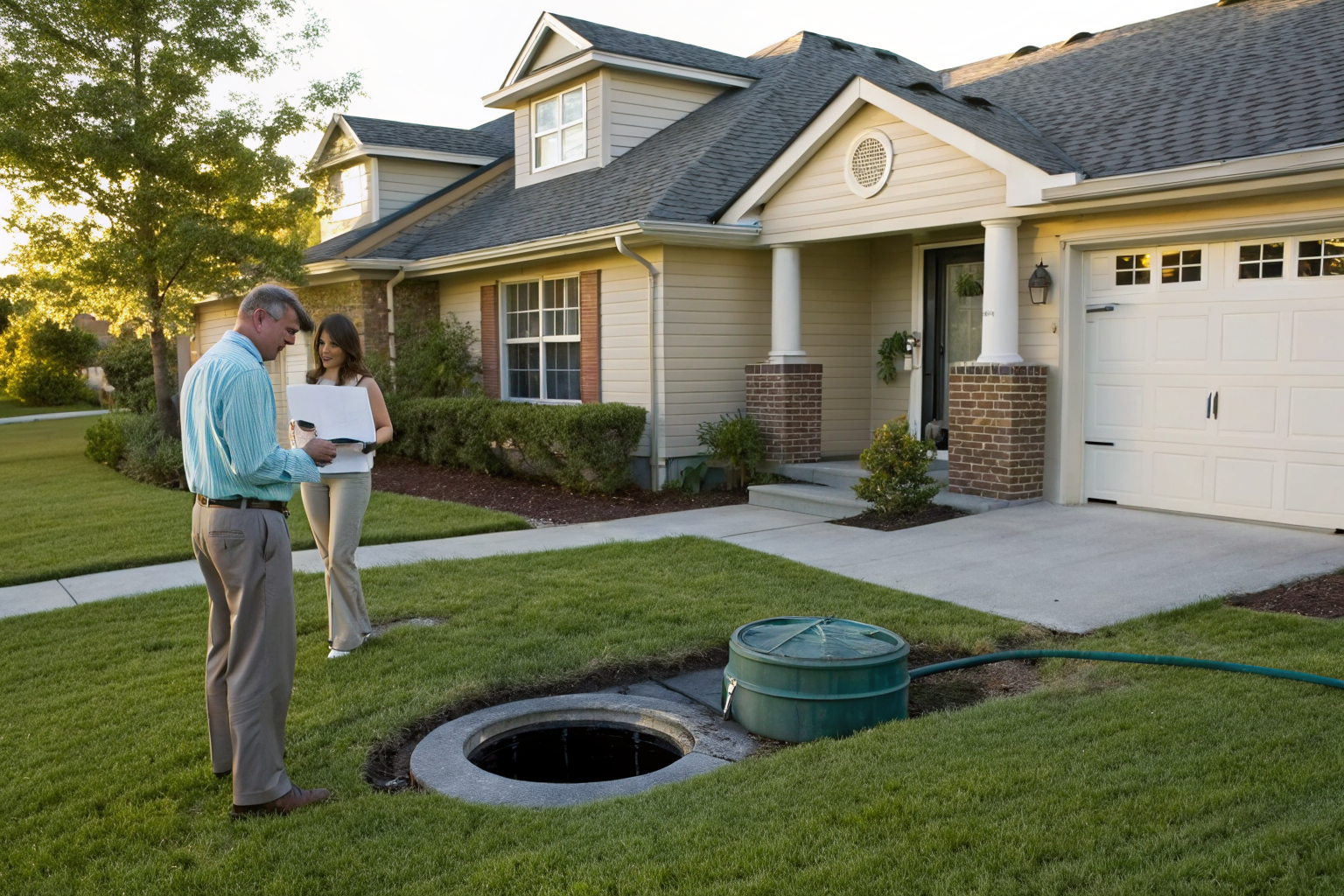
Specific events trigger mandatory Title 5 inspections under Massachusetts law:
-
Property transfers during home sales — Every sale of property with a septic system requires a Title 5 inspection within two years of the transfer date. No exceptions exist for family transfers or estate sales.
-
Home additions exceeding 20% flow increase — Adding bedrooms or expanding living space triggers inspections when the modification increases daily sewage flow by more than 20%. Additions over 440 square feet typically trigger inspections for 3-bedroom homes.
-
Change of use permits — Converting single-family homes to multi-family units, or changing residential properties to commercial use, requires Title 5 compliance. Converting a garage to living space counts as change of use.
-
Failed system reports or complaints — Health departments can order inspections when neighbors report sewage odors, surface discharge, or other system failures. Anonymous complaints trigger the same inspection requirements as formal reports.
-
Voluntary inspections for peace of mind — Homeowners can request inspections before selling to avoid surprises. Many request inspections during refinancing to document system condition.
-
Municipal requirements for sensitive areas — Some towns require inspections near wetlands, water supplies, or shellfish beds regardless of property transfer status.
Local boards of health track these trigger events through building permits and property transfer records. They send inspection notices automatically when triggers occur.
How Much Does a Title 5 Inspection Cost in Massachusetts?

Title 5 inspection costs vary by inspection type and location:
| Inspection Type | Average Cost | What’s Included |
|---|---|---|
| Visual Inspection | $500-$750 | Surface evaluation only, limited scope |
| Full Title 5 Inspection | $800-$1,200 | Complete system evaluation, witness testing |
| Witness Testing | $150-$300 | Additional testing for questionable systems |
| Emergency/Rush Service | $1,200-$1,800 | Same-week inspection, 50% premium |
| Re-inspection After Repairs | $300-$500 | Verification of completed work |
Full Title 5 inspections average $975 statewide, with Boston metro area costs running 30% higher due to higher labor rates and travel time.
Additional fees apply for failed systems. Inspectors charge extra for detailed failure reports, permit applications, and coordination with repair contractors. These fees range from $200-$500 depending on failure complexity.
Regional variations affect pricing. Cape Cod and western Massachusetts often charge 15-20% below state averages. Urban areas near Boston command premium rates due to higher overhead costs.
Emergency inspections cost significantly more but may be necessary to meet closing deadlines. Standard scheduling requires 2-3 weeks notice during busy seasons.
What Does Conditional Pass Actually Mean and Should You Accept It?

Conditional pass allows property transfers while requiring repairs within two years:
| Pass Type | Immediate Requirements | Long-term Requirements | Cost Impact |
|---|---|---|---|
| Full Pass | None | Regular maintenance only | No additional costs |
| Conditional Pass | Minor repairs within 30 days | Major repairs within 2 years | 40% higher repair costs |
| Fail | No transfer allowed | All repairs before closing | Immediate full replacement |
Conditional pass means your septic system functions but needs repairs to meet current standards. You can complete the property sale but must fix identified problems within the specified timeline.
Delayed repairs cost 40% more than immediate fixes due to inflation, emergency service premiums, and seasonal pricing. Contractors charge more for small repair jobs than comprehensive system overhauls.
Sellers benefit from conditional passes because they avoid blocking the sale. Buyers should negotiate repair credits or escrow arrangements to protect against cost overruns.
The two-year timeline starts from the inspection date, not the closing date. Track your deadline carefully because violations trigger daily fines and potential legal action.
Some buyers prefer conditional passes because they can choose their own contractors and schedule repairs conveniently. Others demand full passes or immediate repairs to avoid future hassles.
What Are Your Repair Timeline Requirements After a Failed Inspection?
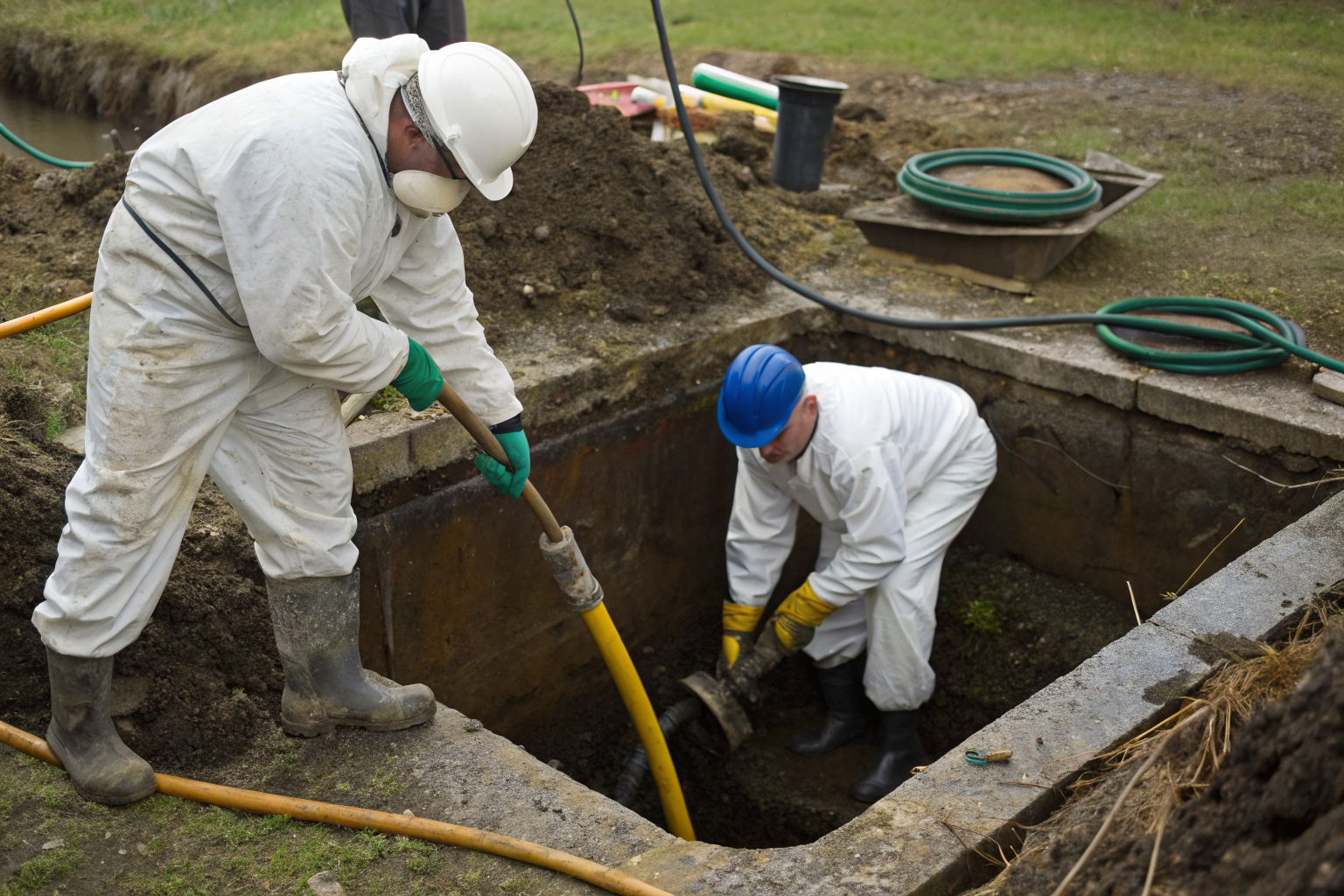
Failed Title 5 inspections create specific repair deadlines:
Health hazard violations require immediate action — Surface sewage discharge, groundwater contamination, or system backups into homes must begin repairs within 30 days. Health departments issue emergency orders for these violations.
Standard violations allow two-year repair timeline — Non-emergency failures like insufficient capacity, outdated components, or code violations must be repaired within 24 months of the inspection date.
Submit repair permits within 90 days — You must file permit applications with detailed repair plans within three months of receiving the failed inspection report. Late applications may void the two-year timeline.
Complete construction within permitted timeline — Most permits require completion within one year of approval. Weather delays or contractor issues don’t extend deadlines automatically.
Schedule final inspection within 30 days — Contact the original inspector or board of health to verify completed repairs. Missing this deadline can invalidate your compliance status.
File appeals within 30 days if disputing results — You can challenge failed inspections through local boards of health. Appeals don’t extend repair deadlines unless specifically granted.
Health hazard violations must begin repairs within 30 days or face $300 daily fines. These fines accumulate until you start construction, not until you finish repairs.
Enforcement varies by municipality, but most towns track deadlines through automated systems. They send violation notices automatically when deadlines approach.
Massachusetts Title 5 Septic Upgrades Deadlines and New Regulations
Massachusetts Title 5 septic upgrades deadlines and new regulations have shifted in recent years, and most homeowners only discover the changes when they’re already facing a failed inspection. The Massachusetts DEP now enforces stricter upgrade requirements for properties in nitrogen-sensitive areas, particularly near coastal embayments, Zone II wellhead protection areas, and designated shellfish growing regions.
These properties may face enhanced treatment standards beyond basic Title 5 compliance, requiring technology upgrades that push replacement costs past $30,000. Standard upgrade deadlines remain at 24 months from inspection for non-emergency failures, but properties in sensitive zones may receive compressed timelines at the local board of health’s discretion.
Recent regulatory guidance also expanded shared system requirements for abutting properties, creating new compliance obligations that didn’t exist five years ago. None of these deadlines pause for permit backlogs or contractor availability — the clock runs regardless. Before you start budgeting for repairs, know that Massachusetts offers financial relief that most homeowners overlook entirely.
How Do You Claim the Massachusetts Septic System Tax Credit?

Massachusetts provides up to $6,000 tax credits for qualifying septic system upgrades:
-
Verify your system qualifies for the credit — Replacement or major upgrades of failed systems qualify. Routine maintenance, pumping, and minor repairs don’t qualify for tax credits.
-
Keep detailed receipts for all qualifying expenses — Save invoices for permits, inspections, excavation, system components, and installation labor. The credit covers actual costs up to $6,000 maximum.
-
File Form 1 Schedule SC with your state tax return — Complete the septic system credit section and attach copies of all receipts. File within the tax year when you paid the expenses.
-
Claim unused credits over multiple years if needed — Credits above your tax liability carry forward for up to five years. You can spread large credits across multiple tax returns.
-
Submit required documentation to support your claim — Include the failed Title 5 inspection report, repair permits, and contractor certifications. Missing documentation can delay or deny your credit.
-
Track your credit status through MassTaxConnect — The state processes credits within 8-12 weeks of filing. Check your refund status online or contact the Department of Revenue for delays.
The $6,000 maximum credit covers roughly 25% of average system replacement costs. This credit applies to Massachusetts state taxes only, not federal returns.
Qualifying expenses include new septic tanks, distribution boxes, leach fields, pumps, and associated installation costs. Design fees and soil testing also qualify for the credit.
Most homeowners miss this credit because they don’t know it exists or fail to save proper documentation. Track expenses from day one of your septic project.