

Washington State Septic System Requirements: On-Site Sewage Rules
Washington state septic system requirements create the nation’s strictest marine property regulations. Puget Sound protection laws demand 200-foot shoreline setbacks while 35 local health jurisdictions add their own restrictions.
Key Takeaways:
- WAC 246-272A requires 200-foot marine shoreline setbacks — double the standard 100-foot requirement for other water bodies
- 35 local health jurisdictions enforce different rules beyond state minimums — King County requires professional O&M contracts for all alternative systems
- Washington mandates Operation & Maintenance programs for 80% of alternative septic systems, unlike most states that rely on voluntary compliance
What Are WAC 246-272A Standards and Which Systems Must Follow Them?
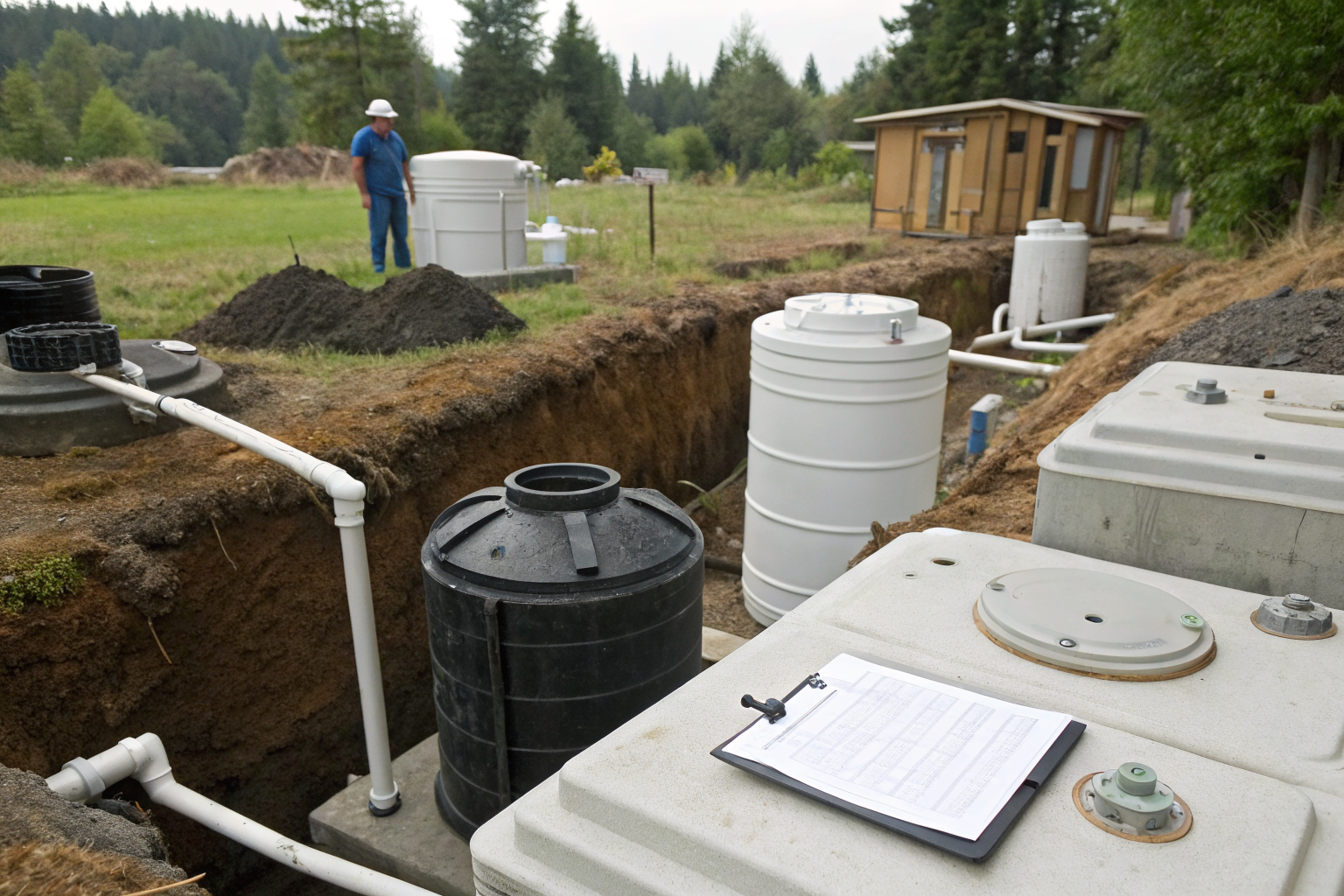
WAC 246-272A is Washington’s comprehensive on-site sewage system regulation. This means every septic system, greywater system, and composting toilet in the state must meet these standards or get local health department approval for alternatives.
WAC 246-272A governs on-site sewage systems statewide. The Washington State Department of Health enforces these rules through 35 local health jurisdictions. Each jurisdiction can add stricter requirements but cannot weaken state minimums.
The current rules took effect January 1, 2007, replacing the old WAC 246-272. You’re dealing with 14 different system types under state regulation, from conventional gravity systems to complex treatment units with nitrogen reduction.
State rules control system design standards, soil testing requirements, and setback distances. Local health departments handle permits, inspections, and enforcement. If your property connects to a community septic system serving 15 or more homes, different rules under WAC 246-271 apply instead.
Your system falls under WAC 246-272A if it serves fewer than 15 homes or treats less than 3,500 gallons per day. Larger systems need state discharge permits through the Department of Ecology.
How Do Washington’s 35 Local Health Jurisdictions Actually Control Your Septic System?
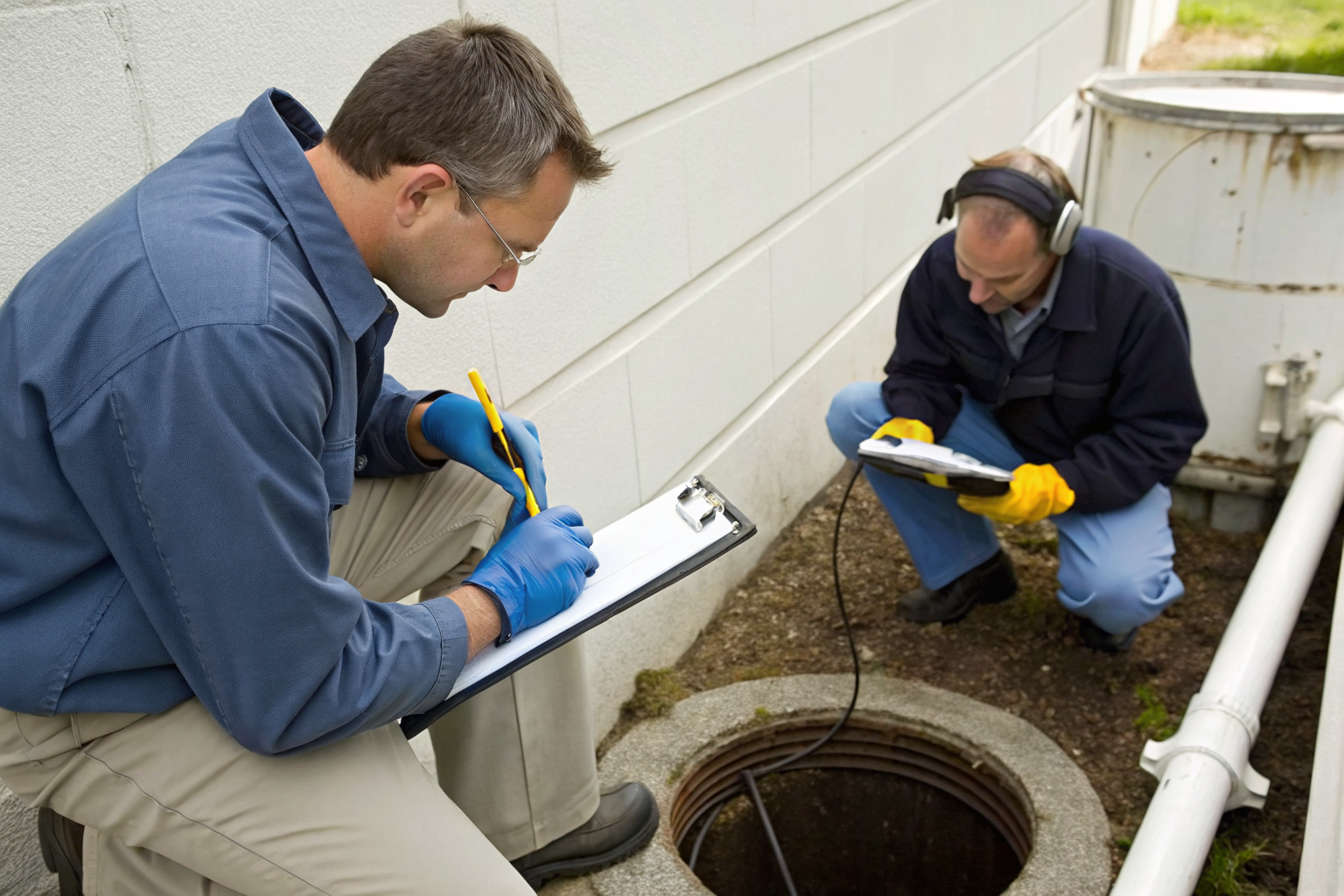
Local health jurisdictions enforce septic system permits through county-specific rules that go beyond state minimums. King County requires professional maintenance contracts for alternative systems while Pierce County mandates annual inspections for pressure distribution systems.
| County | Permit Fee | Transfer Inspection | O&M Required | Additional Rules |
|---|---|---|---|---|
| King | $1,500-$4,200 | Required | All alternative systems | Professional contracts mandatory |
| Pierce | $800-$2,100 | Required | Pressure systems only | Annual inspections |
| Snohomish | $1,200-$3,500 | Optional | Per state rules | Shoreline extra setbacks |
| Spokane | $650-$1,800 | Not required | Per state rules | Rural lot size minimums |
| Whatcom | $900-$2,200 | Required | Marine systems only | Nitrogen reduction required |
| Thurston | $1,100-$2,800 | Required | Alternative systems | Groundwater protection zones |
| Clark | $750-$1,900 | Not required | Per state rules | Stream buffer requirements |
| Kitsap | $1,000-$2,500 | Required | Marine shoreline | Enhanced treatment standards |
Each jurisdiction sets permit fees, inspection schedules, and enforcement priorities. King County charges the highest fees but provides the most oversight. Spokane County focuses on rural properties with minimal inspection requirements.
You need local permits for new installations, major repairs, and system replacements. The permitting process takes 2-8 weeks depending on system complexity and soil conditions. Failed permit applications require design modifications or alternative system proposals.
Local inspectors verify installation compliance, conduct operational checks, and investigate complaints. Violation penalties range from $100 warning notices to $10,000 fines for unpermitted installations or environmental contamination.
What Operation and Maintenance Programs Does Washington Require for Alternative Systems?
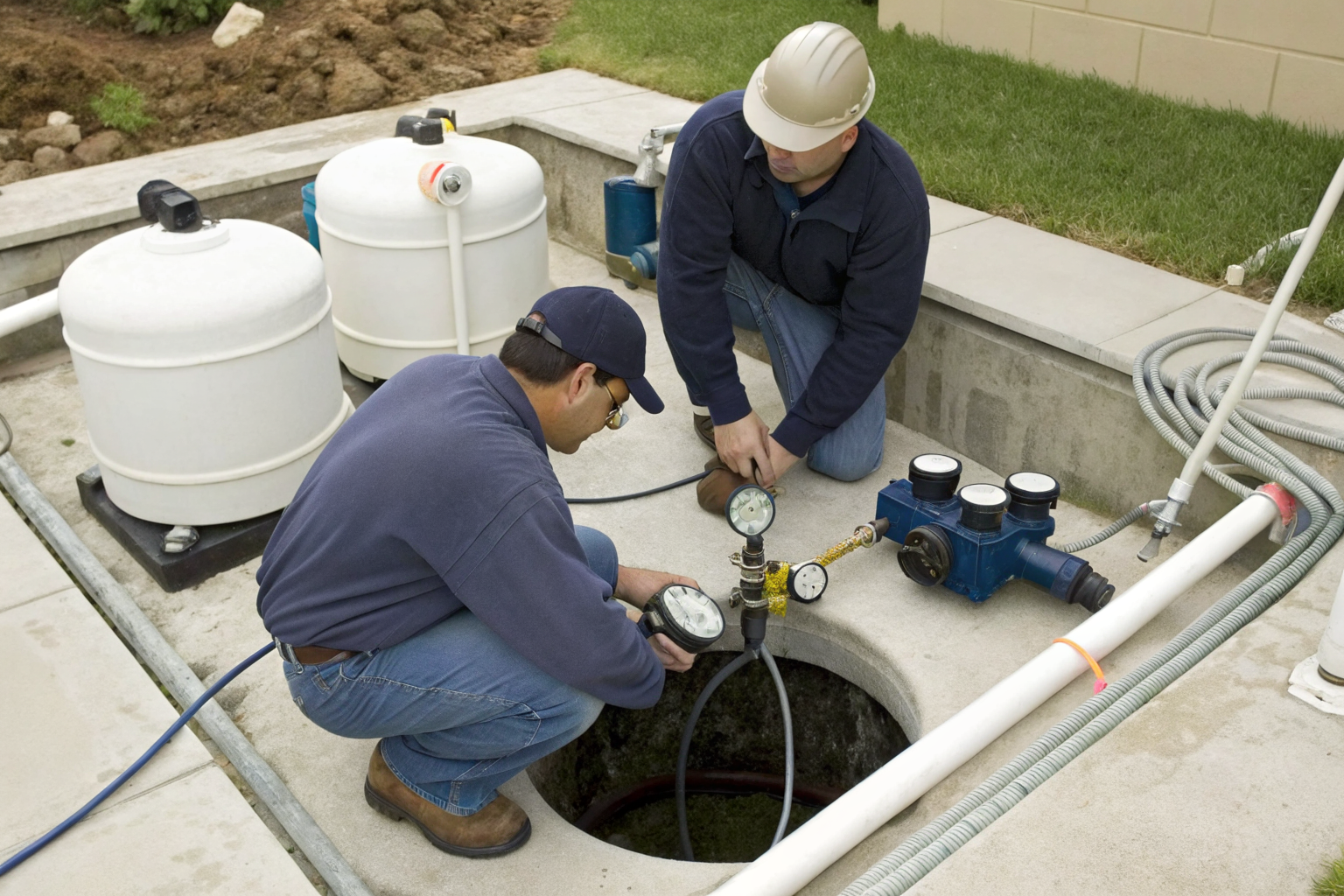
Operation and maintenance programs ensure system performance through regular inspections, component servicing, and performance monitoring. Washington requires O&M for 82% of alternative septic systems, including all pressure distribution, sand filters, and advanced treatment units.
Contract with approved service providers within 6 months of system startup. You must use state-certified technicians who complete annual training requirements and carry liability insurance.
Schedule inspections according to system type and manufacturer specifications. Sand filters need quarterly checks while advanced treatment units require monthly visits during the first year.
Maintain system components according to manufacturer guidelines. This includes pump replacements, filter cleaning, alarm testing, and electrical system checks performed by qualified technicians.
Submit annual performance reports to your local health department. Reports must include inspection dates, maintenance performed, component replacements, and any system malfunctions or failures.
Keep detailed maintenance records for system lifetime. Documentation must include service dates, technician certifications, parts replaced, and performance test results available for health department review.
Respond to system alarms or malfunctions within 24 hours. You’re required to contact your service provider immediately and cease system use if necessary to prevent environmental contamination.
Typical O&M costs run $300-$800 annually for pressure distribution systems and $600-$1,500 for advanced treatment units. These programs catch 85% of system problems before they cause environmental damage or require expensive repairs.
Homeowners handle basic tasks like alarm testing and visual inspections. Professional technicians perform all mechanical work, electrical repairs, and performance testing to maintain system warranties and regulatory compliance.
Why Does Washington Require 200-Foot Marine Shoreline Setbacks?
Marine shoreline setbacks protect Puget Sound water quality from septic system contamination. Washington requires 200-foot minimum distances between septic systems and marine waters — double the 100-foot standard for rivers, lakes, and streams.
Puget Sound’s complex ecosystem depends on clean groundwater discharge along shorelines. Nitrogen from septic systems causes algae blooms that kill salmon habitat and contaminate shellfish beds. The 200-foot setback allows soil filtration to reduce nitrogen levels by 75% before reaching marine waters.
Other water bodies get 100-foot setbacks because they have different flow patterns and ecological sensitivity. Wells require 100-foot separation, property lines need 5 feet, and buildings need 10 feet minimum distance from system components.
Enforcement happens during permit reviews and property inspections. Counties use GPS mapping to verify setback compliance and can require professional surveys for properties with complex boundaries or shoreline access.
Variance applications cost $500-$2,000 and require hydrogeologic studies proving no environmental impact. Approval rates run about 15% because alternatives like holding tanks or off-site disposal usually work better than reduced setbacks. Most successful variances involve existing systems with demonstrated long-term performance and enhanced treatment components.
What Septic Permits and Inspections Does Washington Actually Require for Home Sales?

Transfer inspections verify system compliance during property sales in counties requiring septic evaluations. State rules don’t mandate inspections, but 23 of 35 local health jurisdictions require them before property transfers.
• Pre-sale inspections in transfer-required counties cost $300-$800 and take 2-4 weeks to schedule. Inspectors check system operation, look for surface sewage, test pumps and alarms, and verify maintenance records.
• Inspection reports identify required repairs before closing with specific timelines for completion. Minor issues like pump alarms get 30 days while major problems like drainfield failure must be fixed before sale completion.
• Counties requiring transfer inspections include King, Pierce, Snohomish, Whatcom, Thurston, Kitsap, and Island. Rural counties like Spokane, Stevens, and Ferry don’t require sales inspections but recommend them.
• Failed inspections delay closings until repairs are complete and re-inspection passes. Buyers can negotiate repair costs or walk away from sales based on inspection results and estimated fix costs.
• Inspection records become part of property history and must be provided to future buyers. This creates accountability for system maintenance and helps track problem systems over time.
Inspection costs vary by system complexity and access difficulty. Standard gravity systems run $300-$500 while alternative systems with pumps and controls cost $500-$800. Emergency inspections for quick closings add $100-$200 rush fees.
Sellers in non-transfer counties should consider voluntary inspections to avoid sale delays and negotiate from stronger positions. Inspection problems discovered during due diligence periods give both parties time to plan repairs or adjust sale terms.
How Do Washington’s Cold Climate Design Standards Differ From Other States?
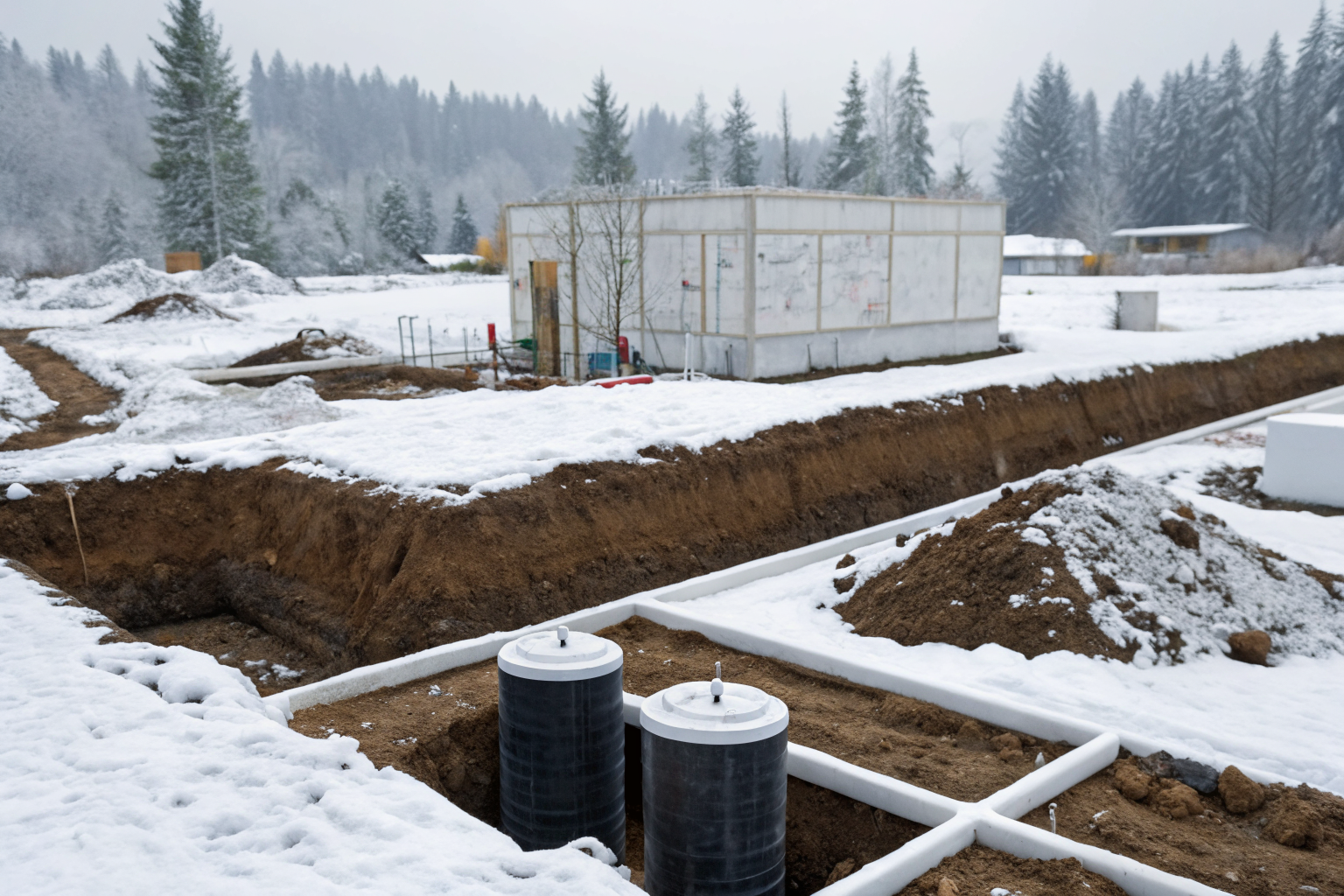
Cold climate design prevents system freeze damage through deeper burial depths and insulation requirements. Washington requires frost protection based on climate zones while most states use single statewide standards.
| Component | Western WA | Eastern WA | Minnesota Standard | Ohio Standard |
|---|---|---|---|---|
| Septic tank burial | 18 inches | 30 inches | 42 inches | 24 inches |
| Distribution box | 12 inches | 24 inches | 36 inches | 18 inches |
| Pipe insulation | R-10 | R-15 | R-20 | R-5 |
| Pump chamber | Heated buildings only | R-10 insulation | R-15 minimum | Not specified |
| Drainfield depth | 6-18 inches | 12-24 inches | 18-36 inches | 6-18 inches |
Washington divides into marine climate zones with mild winters and continental zones with hard freezes. Western counties rarely see sustained freezing while eastern counties experience weeks of sub-zero temperatures.
Cold climate system design requires deeper component burial in freeze-prone areas. Eastern Washington systems bury tanks 30 inches deep compared to 18 inches in western counties. Distribution boxes go 24 inches deep instead of 12 inches.
Insulation requirements protect exposed components and shallow piping. Pump chambers need R-10 insulation wrapping in continental climate zones while marine areas only insulate components in unheated buildings.
Seasonal homes get special treatment with complete system drainage requirements for winter shutdowns. Owners must pump tanks, drain all piping, and disconnect electrical systems to prevent freeze damage during vacant periods.
Washington’s climate-specific standards prevent the costly freeze failures common in states using one-size-fits-all burial depths. Proper cold protection adds $500-$1,500 to installation costs but saves thousands in winter repair bills.