

Septic System During a Flood: What to Do Before, During, and After
Septic system flooding doesn’t just threaten your home’s foundation — it can destroy your septic system from the inside out and turn your yard into a sewage contamination zone. The water damage starts long before you see surface flooding.
Key Takeaways:
- Stop all water use the moment flood water reaches ground level — continuing to flush can hydraulically overload your drainfield for weeks after water recedes
- Never pump a flooded septic tank until groundwater drops below the tank level — pumping creates buoyancy that can crack concrete tanks or shift entire systems
- Professional inspection is required before resuming normal use — 67% of flood-damaged septic systems develop contamination issues that aren’t visible from the surface
What Actually Happens to Your Septic System During a Flood?
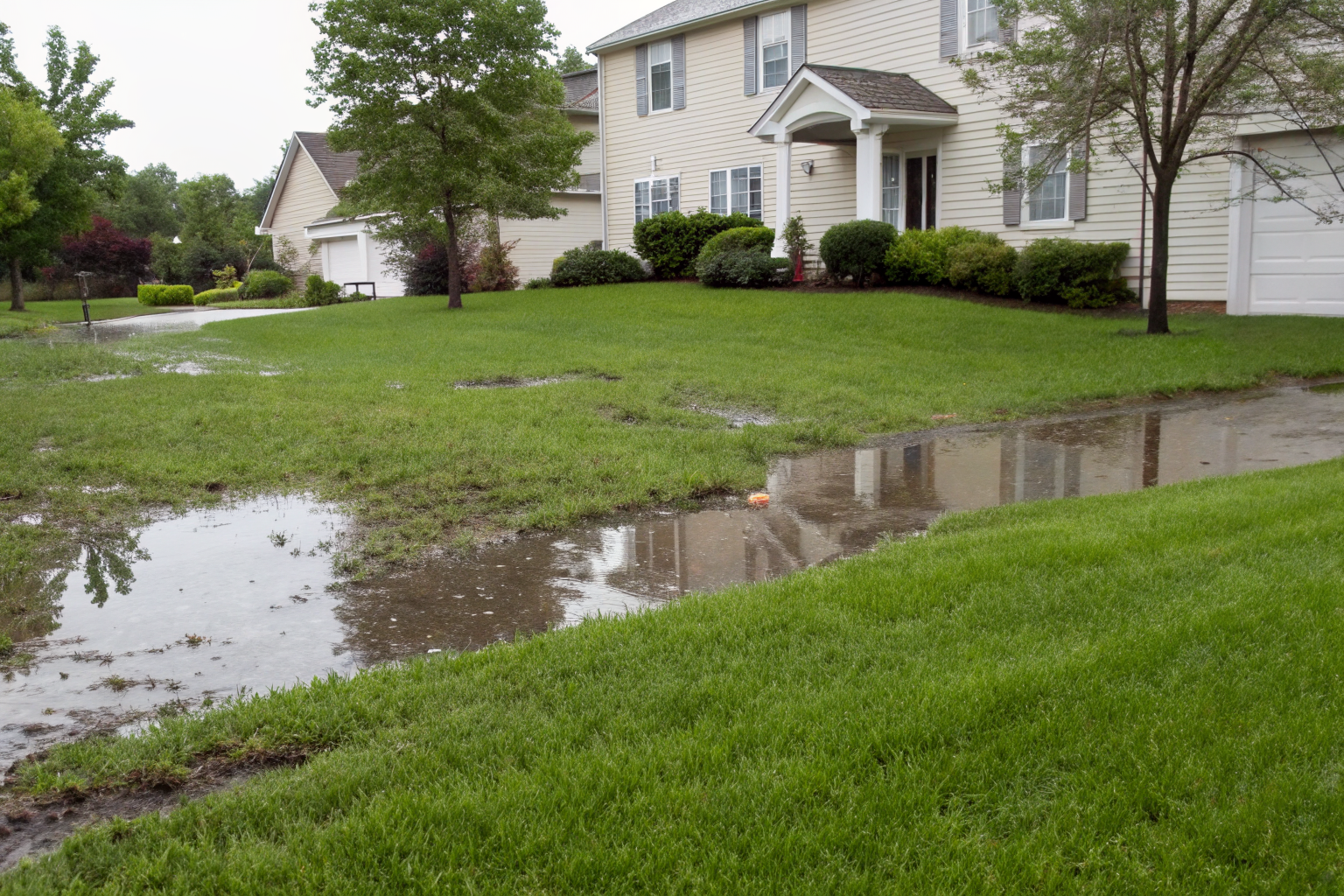
Groundwater saturation is the complete filling of soil pores with water. This means your drainfield can’t absorb any more liquid waste from your septic tank. When soil becomes saturated, treated wastewater has nowhere to go except back up through your system or pool on the surface.
The physics get worse fast. Tank buoyancy begins when groundwater reaches 2 feet above tank bottom. Empty or partially empty concrete tanks act like buried boats — they want to float. The upward pressure can crack tank walls, shift the entire system, or break inlet and outlet pipes.
Contamination flows both ways during floods. Flood water carries bacteria, chemicals, and debris into your septic components through damaged pipes, cracked tanks, or overwhelmed drainfields. Your septic system also leaks untreated sewage into flood water, creating a contamination feedback loop that affects your property and your neighbors’.
Groundwater saturation prevents drainfield absorption for weeks after surface water recedes. The soil needs time to drain and regain its filtering capacity. Using your septic system before the drainfield recovers creates a hydraulic overload that can permanently damage the soil’s ability to process wastewater.
Pre-Flood Septic System Emergency Checklist

When flood warnings are issued 24+ hours in advance, reduce water use by 75% immediately. Every gallon you send to your septic system increases the risk of hydraulic failure when groundwater rises.
Here’s your emergency protocol:
Stop all non-critical water use immediately. No laundry, dishwashers, or long showers. Limit toilet flushes to absolute necessity.
Document your current system condition with photos. Take pictures of your drainfield, tank access points, and any visible components. Insurance claims require before-and-after evidence.
Turn off electrical power to aerobic systems and pumps. Flooded electrical components create electrocution hazards and system damage. Mark breaker positions before shutting off.
Stock up on water and emergency sanitation supplies. You’ll need drinking water, paper plates, and portable toilet options. Plan for 1-2 weeks of limited septic system access.
Locate your septic system permit and inspection records. Keep these documents in a waterproof container. You’ll need them for post-flood inspections and insurance claims.
Identify your drainfield boundaries and mark them. Heavy equipment operators need to know where your drainfield is located to avoid driving over it during emergency response.
The thing that catches people off guard: Even minor flooding can saturate soil for weeks. A 6-inch flood might not seem serious, but it can make your drainfield unusable for a month.
What Do You Do During Active Flooding?
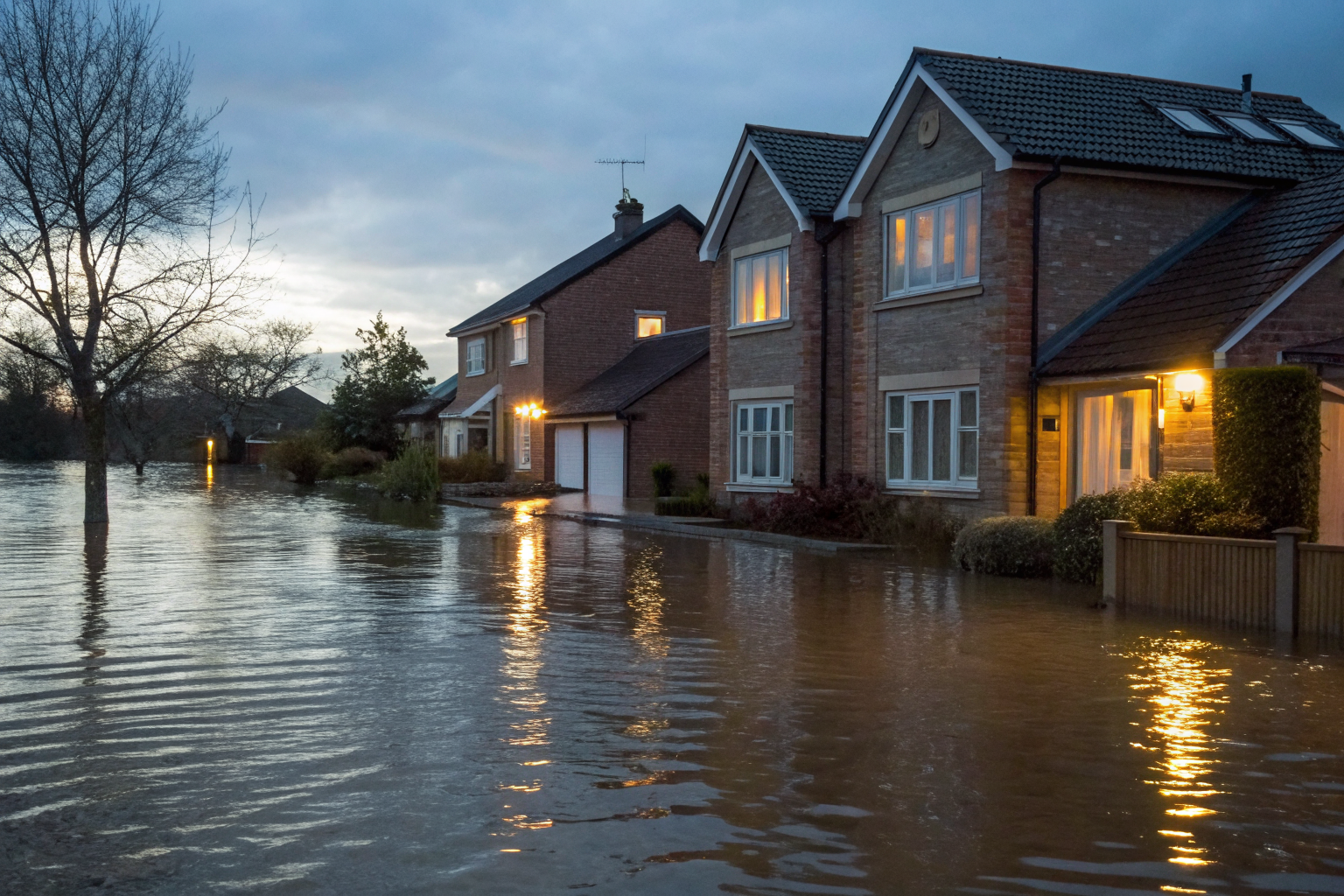
Complete water shutdown is required when flood water reaches within 12 inches of ground level. At this point, your drainfield is already compromised, and any additional water use creates system contamination.
Your active flooding protocol:
Shut off all water use completely. Turn off the main water supply if necessary. Every drop you send to your septic system makes the damage worse.
Keep electrical power off to all septic components. Water and electricity kill people. Don’t turn pumps or aerators back on until electrical components are professionally inspected and dried.
Stay away from your drainfield area. Saturated soil over your drainfield can’t support weight. Walking or driving on it causes permanent compaction damage that costs thousands to repair.
Use emergency sanitation methods only. Portable toilets, camping toilets, or waste bags. Don’t use your home’s plumbing system at all.
Monitor for sewage backups in your home. Check floor drains, basement fixtures, and the lowest plumbing in your house. Sewage backups create health hazards that require immediate professional cleaning.
Document flood levels and duration. Mark high-water points on buildings and take timestamped photos. This information determines your recovery timeline and insurance coverage.
Complete water shutdown prevents system contamination because it stops the flow of waste into an already overwhelmed system. The contamination happens when you continue using water while your drainfield can’t process it.
Why You Should Never Pump a Flooded Septic Tank
| Condition | Pumping Risk | Structural Damage |
|---|---|---|
| Tank surrounded by saturated soil | Extreme buoyancy pressure | Tank shifts, cracks, or floats |
| Normal soil conditions | Minimal risk | Standard pumping causes no damage |
| Groundwater above tank level | Tank acts like empty boat | Upward pressure breaks pipes and connections |
| Groundwater below tank level | Safe to pump | Normal structural loads |
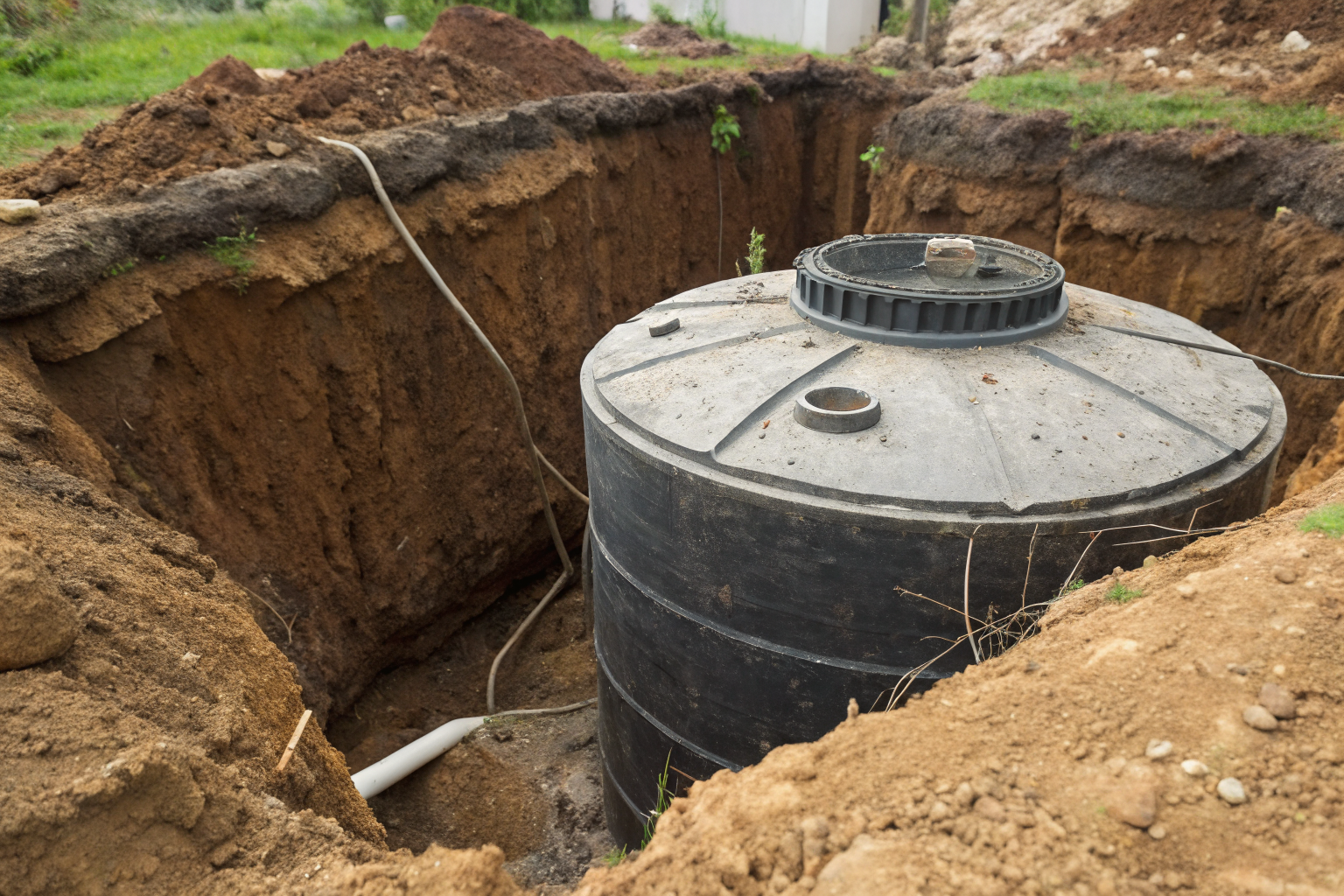
Tank buoyancy causes structural damage because empty tanks are 8x more likely to shift or crack when surrounded by saturated soil. The math is simple: concrete tanks weigh about 8,000 pounds when full but only 1,500 pounds when empty. Saturated soil creates massive upward pressure that concrete wasn’t designed to handle.
The physics work against you during floods. Water weighs 8.3 pounds per gallon, and a flooded septic tank is fighting against thousands of gallons of groundwater trying to push it up. Pumping removes the weight that keeps your tank stable.
Timing matters for safe pumping. Wait until groundwater drops below your tank level before pumping. You can check this by looking at nearby wells, basement water levels, or calling your septic professional. Most areas need 1-3 weeks of dry weather before groundwater recedes enough for safe pumping.
Professional assessment is required because tank buoyancy damage isn’t always visible. Hairline cracks, shifted pipe connections, and foundation settlement can all look fine from the surface but cause expensive problems later.
Post-Flood Septic System Recovery: What Inspections Do You Need?
| State Requirement | Inspection Timeline | Required Components | Permit Needed |
|---|---|---|---|
| Most health departments | Within 30 days | Tank integrity, drainfield function, electrical | Yes for repairs |
| High-risk flood zones | Within 14 days | Full system assessment, soil percolation | Yes for any changes |
| Vacation properties | Before next occupancy | Basic function test, contamination check | Varies by county |
| New construction areas | Immediate inspection | Foundation stability, permit compliance | Required |
Most states require professional inspection within 30 days of flood water receding before resuming normal use. The State Health Department sets these rules because flood-damaged septic systems create public health risks that extend beyond your property.
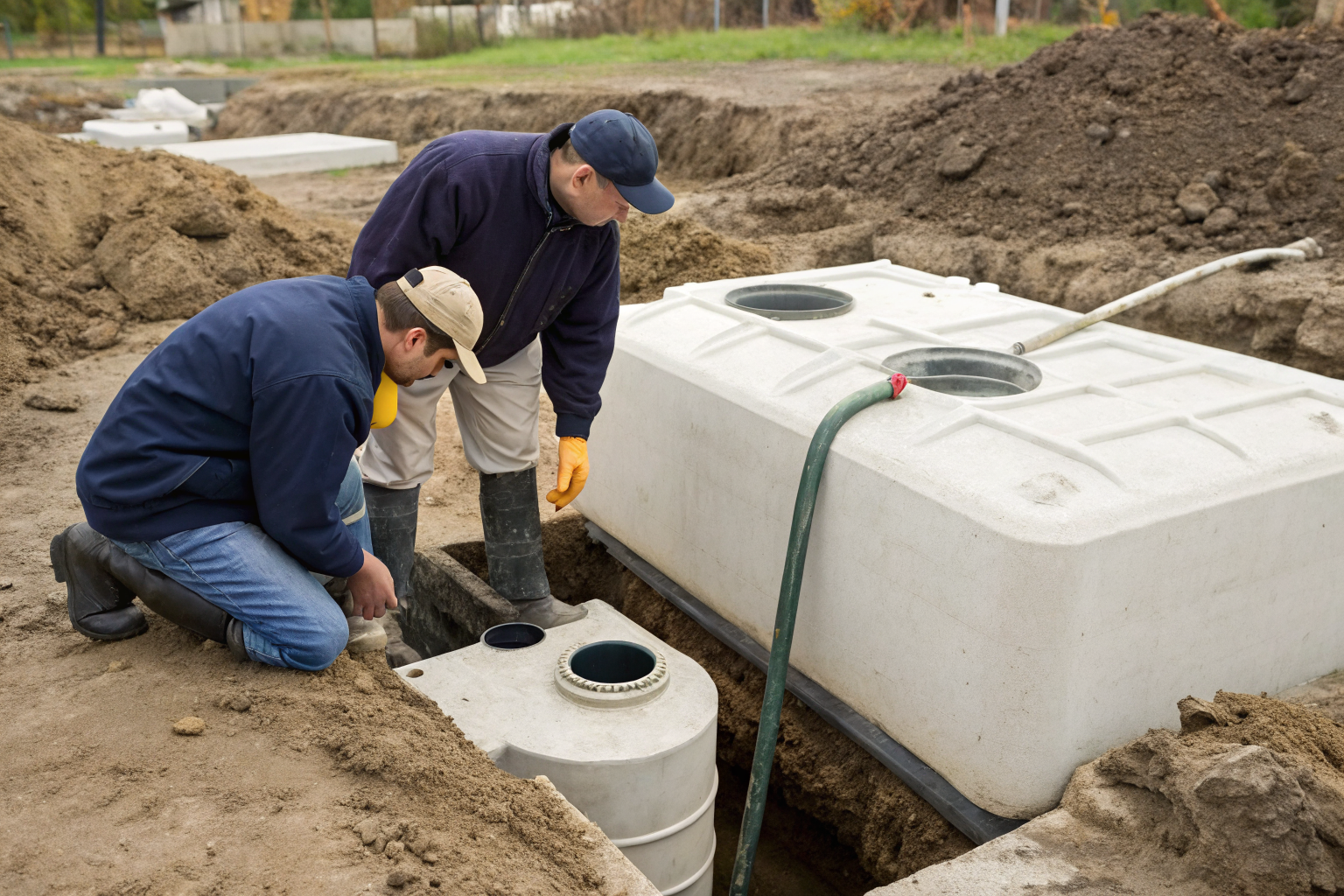
Professional inspection identifies hidden contamination damage that homeowners miss. Inspectors check tank structural integrity, test drainfield absorption capacity, verify electrical component safety, and assess soil compaction damage. They use specialized equipment to detect problems that won’t show symptoms for months.
The inspection process varies by system type and flood severity. Conventional systems need basic function testing and visual inspection. Aerobic systems require electrical component testing and biological process verification. Mound systems need soil stability assessment and pump function testing.
Documentation requirements for insurance claims include professional inspection reports, repair estimates, and pre-flood system records. Keep all inspection paperwork because some septic problems don’t appear until months after flooding.
Vacation Property Septic systems face special challenges because they sit unused during flood recovery. Stagnant water in tanks creates different contamination patterns than active systems.
How Long Before You Can Use Your Septic System Normally Again?

Groundwater recession determines system restart timing because your drainfield can’t function until soil drainage capacity recovers. Average recovery time ranges from 2-8 weeks depending on soil drainage characteristics.
Sandy soils drain fast and recover in 2-3 weeks. Clay soils hold water longer and need 6-8 weeks. The drainfield recovery process can’t be rushed — using your system before the soil is ready causes permanent damage.
Gradual usage restart protocols prevent hydraulic overload during recovery. Start with essential water use only: drinking, cooking, and minimal toilet flushes. Add one water-using activity per week: first laundry, then dishwasher, then normal bathing. Watch for signs of system stress during each phase.
Signs of system recovery include dry conditions in your drainfield area, normal water levels in nearby wells, and no surface pooling after rain. You’ll know your system is ready when these conditions persist for at least one week.
Groundwater recession timing depends on local soil conditions, rainfall patterns, and drainage infrastructure. Areas with good natural drainage recover faster than flat or poorly-drained sites. Your neighbors’ recovery timeline might be different than yours.
Call professionals if you see sewage odors, wet spots in your drainfield, or slow drainage after your restart timeline. These symptoms indicate permanent damage that requires repair before normal use resumes.