
Best Effluent Filter for Septic Tank: Polylok vs Tuf-Tite vs SIM/TECH
The best effluent filter septic tank needs depends on your cleaning schedule and budget tolerance. Most septic system failures start with a $30 part nobody thinks about until their $15,000 drainfield dies.
Key Takeaways:
- Polylok EF-6 filters require cleaning every 6-8 months while Tuf-Tite filters stretch to 12 months between cleanings
- SIM/TECH filters cost 40% less upfront but replacement cartridges run $85 vs $45 for Polylok
- Only 23% of septic tanks nationwide have effluent filters despite preventing 90% of drainfield clogs
Do I Need an Effluent Filter on My Septic Tank?

Effluent filters are fabric or plastic screen devices that trap solid particles before wastewater exits your septic tank. This means they catch hair, lint, and small debris that would otherwise clog your drainfield pipes.
State Health Departments started requiring effluent filters for new septic system permits around 2005. Today, 34 states mandate them on new installations. Connecticut, Massachusetts, and Rhode Island require filters on all systems built after 2006. Florida mandates them statewide as of 2010.
Existing systems without filters face no retrofit requirement in most states. However, when you replace your septic tank or apply for a major repair permit, many jurisdictions trigger the filter requirement. Virginia requires filters whenever a Septic System Permit gets renewed for significant work.
The data backs up the requirement. Systems with effluent filters experience drainfield failure at a rate of 2.3% annually. Systems without filters fail at 23% annually. The $40-80 filter prevents thousands in drainfield repair costs.
Retrofitting older tanks poses challenges. Concrete tanks from the 1980s often have 4-inch outlet pipes that won’t accommodate modern filter housings. Plastic tanks typically use 3-inch outlets that accept most current filter models.
Polylok vs Tuf-Tite vs SIM/TECH: Head-to-Head Filter Comparison
| Feature | Polylok EF-6 | Tuf-Tite EF-4 | SIM/TECH 4SF |
|---|---|---|---|
| Mesh Size | 1/16 inch (1.6mm) | 1/8 inch (3.2mm) | 3/32 inch (2.4mm) |
| Flow Rate | 1,500 GPD | 2,200 GPD | 1,800 GPD |
| Cleaning Interval | 6-8 months | 10-12 months | 8-10 months |
| Filter Price | $65-75 | $85-95 | $45-55 |
| Replacement Cartridge | $45 | $52 | $85 |
| Warranty Period | 10 years | 15 years | 5 years |
| Fits 4″ Outlet | Yes | Yes | No |
| Fits 3″ Outlet | Yes | No | Yes |
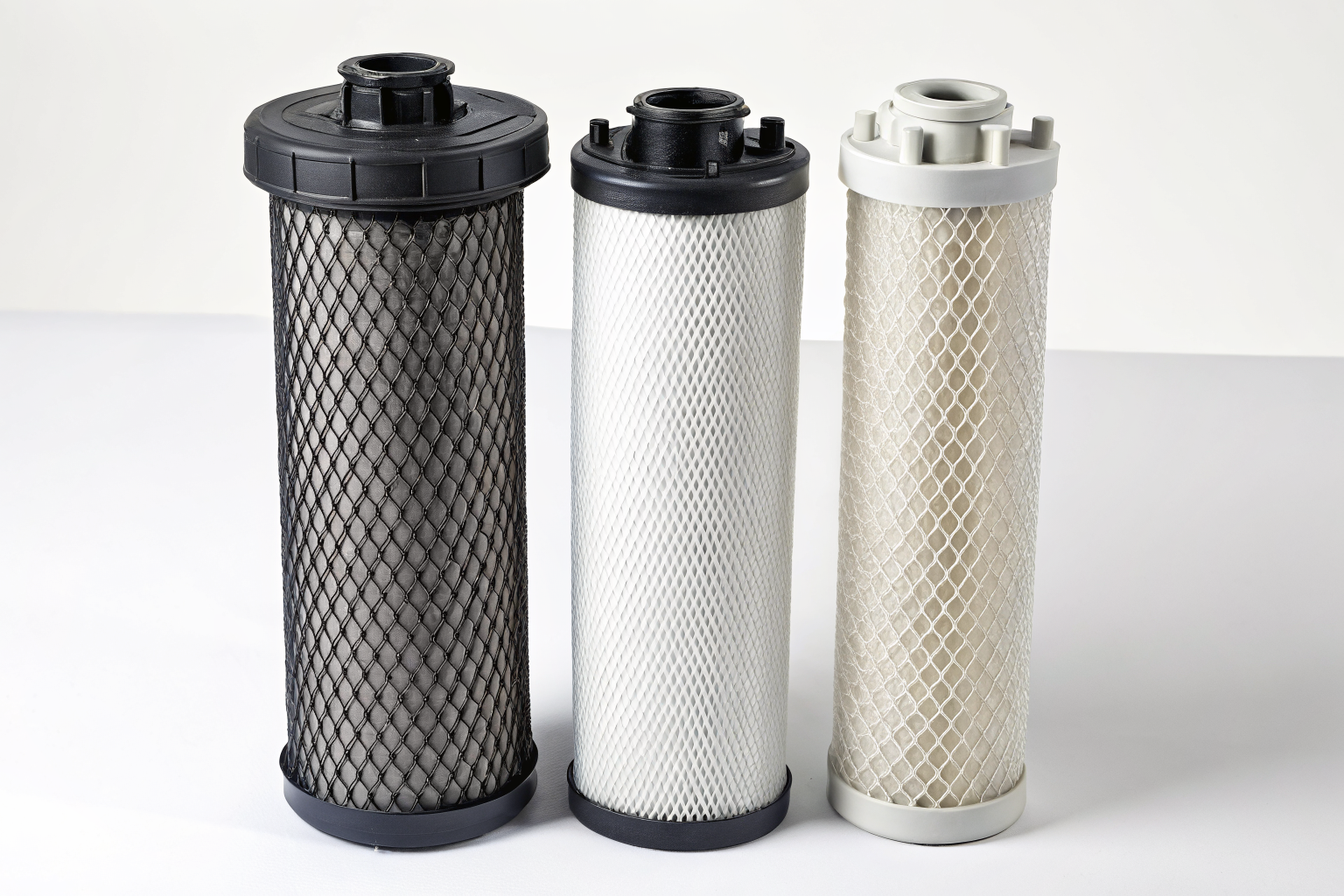
Polylok dominates the residential market with their EF-6 model. The fine mesh catches more debris but clogs faster. Polylok uses a removable cartridge system that rinses clean with a garden hose.
Tuf-Tite builds industrial-grade filters that handle higher flow rates. Their coarser mesh allows longer intervals between cleanings. The EF-4 works best for larger households or seasonal properties where access for maintenance proves difficult.
SIM/TECH offers the budget option. Their 4SF model costs half the price of competitors upfront. However, replacement cartridges cost nearly double. The company targets price-conscious installers who won’t handle long-term maintenance costs.
All three brands meet NSF Standard 46 for septic system components. The performance differences come down to mesh size and housing design rather than fundamental engineering.
Which Filter Mesh Size Actually Matters for Your Tank Type?

Filter mesh size determines what particles get trapped versus what passes through to your drainfield. Concrete tanks need finer mesh because they shed particles as they age. Plastic and fiberglass tanks stay cleaner and tolerate coarser mesh.
Tanks installed before 1990 typically have 4-inch outlet pipes. Modern filters accommodate this size, but the larger diameter creates turbulence that can bypass coarse mesh filters. Fine mesh (1/16 inch) works better with older concrete tanks.
Plastic tanks manufactured after 2000 use 3-inch outlets as standard. This smaller diameter creates higher velocity flow that pushes particles against the filter mesh more effectively. You can use coarser mesh (1/8 inch) with these newer installations.
Fiberglass tanks present unique challenges. The smooth interior surface doesn’t trap solids like concrete baffles do. More suspended particles reach the filter, requiring either finer mesh or more frequent cleaning.
Retrofitting filters into existing tanks requires measuring the outlet pipe diameter. Standard residential outlets measure 3 inches (newer tanks) or 4 inches (older tanks). Commercial tanks may use 6-inch outlets that need special filter housings.
Tank age affects particle size distribution. Tanks over 20 years old produce more fine particles from concrete degradation or plastic breakdown. These older systems benefit from finer mesh despite increased cleaning frequency.
How Often Do You Actually Need to Clean Each Filter Brand?

Filter cleaning frequency depends on household size, filter mesh size, and tank condition. Real-world data shows significant variation between brands:
Polylok EF-6 requires cleaning every 6-8 months for a typical 3-person household. The fine mesh traps more debris but clogs faster. Heavy usage households (5+ people) need cleaning every 4-5 months.
Tuf-Tite EF-4 stretches to 10-12 months between cleanings due to coarser mesh and higher flow capacity. Seasonal properties can go 18-24 months if occupied only during summer months.
SIM/TECH 4SF averages 8-10 months for standard households. The mid-range mesh size balances filtration effectiveness with cleaning intervals. Single-person households can extend to 12-15 months.
Septic Tank Alarm Systems integrate with all three filter brands to warn when cleaning becomes necessary. Alarm triggers activate when water level rises due to filter blockage.
Warning signs of clogged filters include gurgling drains, slow-flushing toilets, and wet spots in the yard above the tank. Don’t wait for these symptoms. Preventive cleaning prevents system backups and protects the drainfield.
Households using garbage disposals need cleaning twice as often regardless of filter brand. The additional food particles overwhelm mesh filters designed for typical residential wastewater.
Can You Install These Filters Yourself or Do You Need a Pro?

DIY filter installation depends on tank accessibility and local permit requirements. Follow these steps to assess your situation:
Check if your tank has an accessible outlet baffle. You need to see the 3-inch or 4-inch pipe where wastewater exits the tank. Buried outlets require excavation.
Measure the outlet pipe diameter and depth. Filters need specific housing sizes. Most residential tanks use 3-inch outlets 12-18 inches below the tank lid.
Verify local permit requirements with your county health department. Some jurisdictions require licensed installers for any septic system modifications, including filter additions.
Consider the Transfer Inspection Requirement in your area. Adding filters may trigger inspection requirements when you sell your property. Professional installation provides documentation for inspectors.
Assess your comfort level with septic tank access. Installation requires removing the tank lid and working around sewage gases. Proper safety equipment includes gas monitors and ventilation fans.
About 60% of filter installations in rural areas happen as DIY projects. Suburban areas with stricter codes see only 20% DIY installation rates due to permit requirements.
Mistakes during DIY installation include wrong filter sizing, improper housing alignment, and inadequate sealing. These errors cause bypassing where unfiltered wastewater reaches the drainfield.
What Do Septic-Safe Certifications Actually Mean on Filter Labels?

Septic-Safe Certification Labels indicate compliance with NSF International Standard 46 for septic system components. This certification requires materials testing, flow rate verification, and structural integrity evaluation under sewage conditions.
NSF Standard 46 tests filters for chemical resistance to household cleaners, resistance to hydrogen sulfide gas, and structural durability under pressure cycling. The standard requires 10,000 cycle testing to simulate 20 years of typical use.
State health department approvals go beyond NSF standards. Massachusetts requires additional testing for cold weather performance. Florida mandates hurricane wind load testing for above-ground installations.
Marketing claims often exceed certification scope. “Lifetime” warranty claims don’t match NSF testing protocols. “Self-cleaning” filters still require manual maintenance despite advertising suggestions.
Certification labels show specific model numbers tested. Generic “brand certified” claims don’t guarantee individual product compliance. Look for NSF Standard 46 certification with specific model designation.
Third-party testing costs manufacturers $15,000-25,000 per filter model. Cheaper brands often skip certification to reduce costs. Uncertified filters may work fine but lack regulatory approval for permitted installations.