
How Much Does It Cost to Pump a Septic Tank in 2026
Septic tank pumping cost jumped 23% since 2022, but half the companies charging premium rates skip the inspection steps that protect your $15,000 drainfield.
Key Takeaways:
- National septic tank pumping costs range from $275-$580, with 1,000-gallon tanks averaging $395 in 2026
- Emergency weekend pumping costs 40-60% more than scheduled service, with same-day calls reaching $750-$900
- Legitimate pumping visits include sludge measurement, baffle inspection, and written tank condition reports — corner-cutting companies skip these steps
What Does Septic Tank Pumping Actually Cost in 2026?
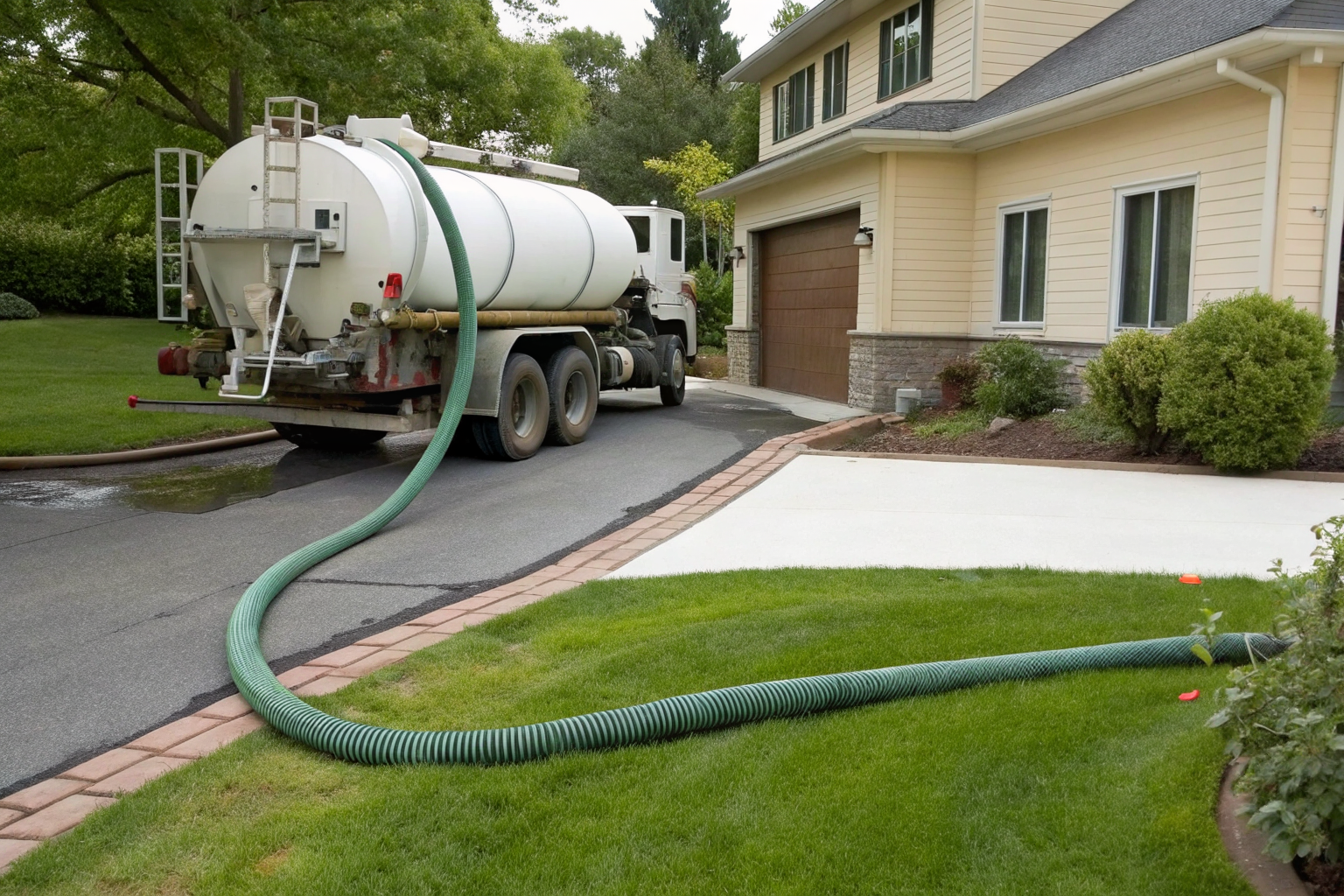
Septic tank pumping costs range from $275 to $580 nationally. The price depends on tank size, location, and company reputation. Most homeowners pay $395 for standard 1,000-gallon tank pumping.
Prices climbed 23% since 2022 due to fuel costs, labor shortages, and disposal fee increases. Regional variations swing costs by $200 or more based on local regulations and competition.
| Tank Size | National Average | High-Cost Markets | Low-Cost Markets |
|---|---|---|---|
| 750 gallons | $275-$385 | $450-$550 | $225-$315 |
| 1,000 gallons | $325-$425 | $500-$580 | $275-$375 |
| 1,250 gallons | $375-$475 | $550-$650 | $325-$425 |
| 1,500+ gallons | $425-$575 | $600-$750 | $375-$525 |
High-cost markets include California, New York, and Massachusetts where disposal fees and labor costs drive prices up. Low-cost markets center on rural Midwest and Southeast regions with lower operating expenses.
Beware of companies quoting under $200. They cut corners on inspection steps that prevent expensive system failures. The cheapest quote often leads to the biggest repair bills.
What Factors Actually Drive Your Pumping Bill Higher?
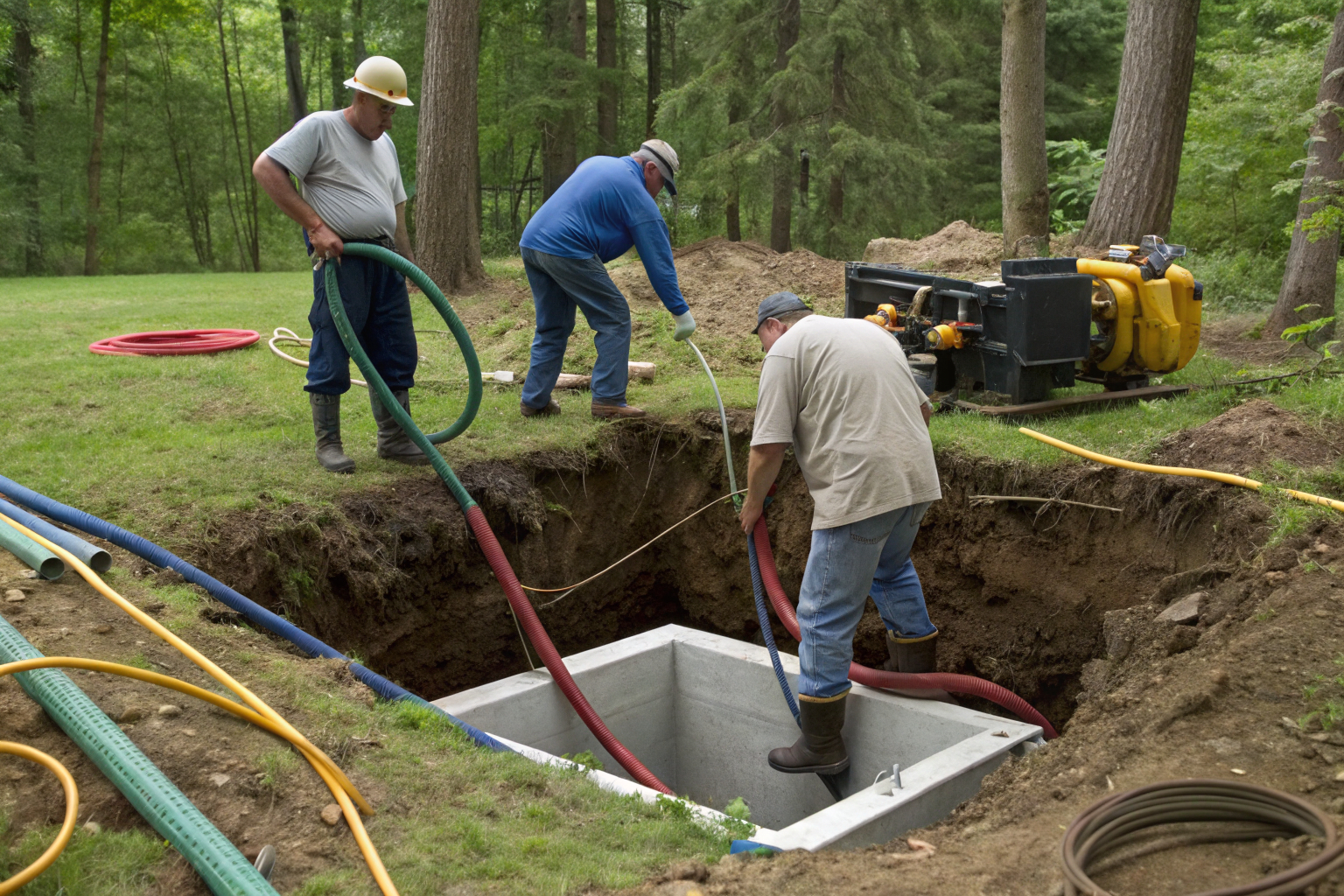
Tank accessibility affects septic pumping cost significantly. Companies charge extra when trucks can’t reach your tank easily or when pumping requires more time and equipment.
Tank depth and burial configuration — Tanks buried deeper than 4 feet add $75-$150 to base pumping cost because pumpers need longer hoses and more time to complete the job.
Pump truck access restrictions — Narrow driveways, gates, or landscaping that blocks truck access can add $100-$200 for portable equipment or hand-digging access points.
Excessive sludge volume — Tanks pumped infrequently require more time and disposal capacity, with severely neglected tanks adding $50-$125 to standard rates.
Geographic location and disposal fees — Urban areas with strict disposal regulations charge higher fees, while remote locations add travel surcharges of $25-$75.
Company reputation vs discount services — Established companies with proper licensing and insurance charge 15-30% more than fly-by-night operators who skip inspection protocols.
Some companies quote low base prices but hit you with surprise charges. Get written estimates that include all potential surcharges before work begins.
How Much More Does Emergency Septic Pumping Cost?

Emergency septic pumping costs 40-60% more than scheduled service. Weekend calls, holidays, and same-day emergencies trigger premium pricing that can double your bill.
Most emergencies happen because homeowners ignore early warning signs like slow drains or sewage odors. By the time you smell sewage backing up, you’re paying emergency rates.
| Service Type | Weekday Cost | Weekend Cost | Holiday Cost |
|---|---|---|---|
| Scheduled pumping | $275-$395 | $385-$550 | $450-$650 |
| Same-day emergency | $395-$525 | $550-$750 | $650-$900 |
| After-hours emergency | $450-$625 | $625-$850 | $750-$1,100 |
Holiday emergencies cost the most because few companies operate on major holidays. Thanksgiving weekend and Christmas week see the highest surcharges.
After-hours calls between 6 PM and 8 AM trigger additional fees of $100-$200 on top of emergency rates. Some companies charge travel time at premium rates for emergency calls.
What Should Actually Happen During Your Pumping Visit?

Professional septic pumping includes sludge measurement and tank inspection. The complete process takes 45-90 minutes depending on tank condition and access.
Pre-pumping sludge measurement — The pumper measures sludge depth before starting to verify pumping is needed and document baseline conditions for your records.
Complete waste removal — All liquid waste, scum layer, and accumulated sludge get removed using powerful vacuum equipment that reaches every corner of the tank.
Tank structure inspection — The pumper enters the empty tank to check for cracks, deterioration, or structural damage that could cause system failure.
Baffle condition assessment — Inlet and outlet baffles get inspected for proper positioning, clogs, or deterioration that affects system performance.
Comprehensive cleaning — Tank walls get sprayed clean and the pumper checks for proper tank volume and configuration against local codes.
Written condition report — You receive documentation of sludge levels, tank condition, any problems found, and recommended service intervals for your specific system.
Legitimate pumpers measure sludge depth before pumping to verify actual need for service. This prevents unnecessary pumping and documents tank performance over time.
The entire visit should include photos of tank condition and clear explanations of any problems found. Rushed jobs under 30 minutes usually skip inspection steps.
What Are the Red Flags That Your Pumper Is Cutting Corners?

Corner-cutting pumpers skip baffle inspections and sludge measurements. These shortcuts save them time but cost you money in premature system failures.
No pre-pumping measurement — Companies that pump without measuring sludge first may be performing unnecessary service or can’t document actual tank condition.
Refusing tank entry for inspection — Pumpers who won’t enter the empty tank to inspect baffles and structure are missing critical problems that lead to expensive repairs.
No written condition report — Professional services provide documentation of what they found and recommendations for your system’s ongoing maintenance needs.
High-pressure sales tactics — Companies pushing immediate additional services like filter replacement or additive treatments during pumping visits often prioritize profit over actual system needs.
Rock-bottom pricing under $200 — Companies charging significantly below market rates typically skip inspection steps that prevent $8,000+ drainfield failures.
Cash-only payment demands — Legitimate companies accept checks and cards, while cash-only operators often lack proper licensing or insurance coverage.
Pumpers who finish in under 20 minutes or refuse to let you observe the process are probably cutting corners. Professional pumping takes time to do properly.
Get multiple quotes and ask specific questions about what’s included. The cheapest service often becomes the most expensive when your system fails prematurely.