
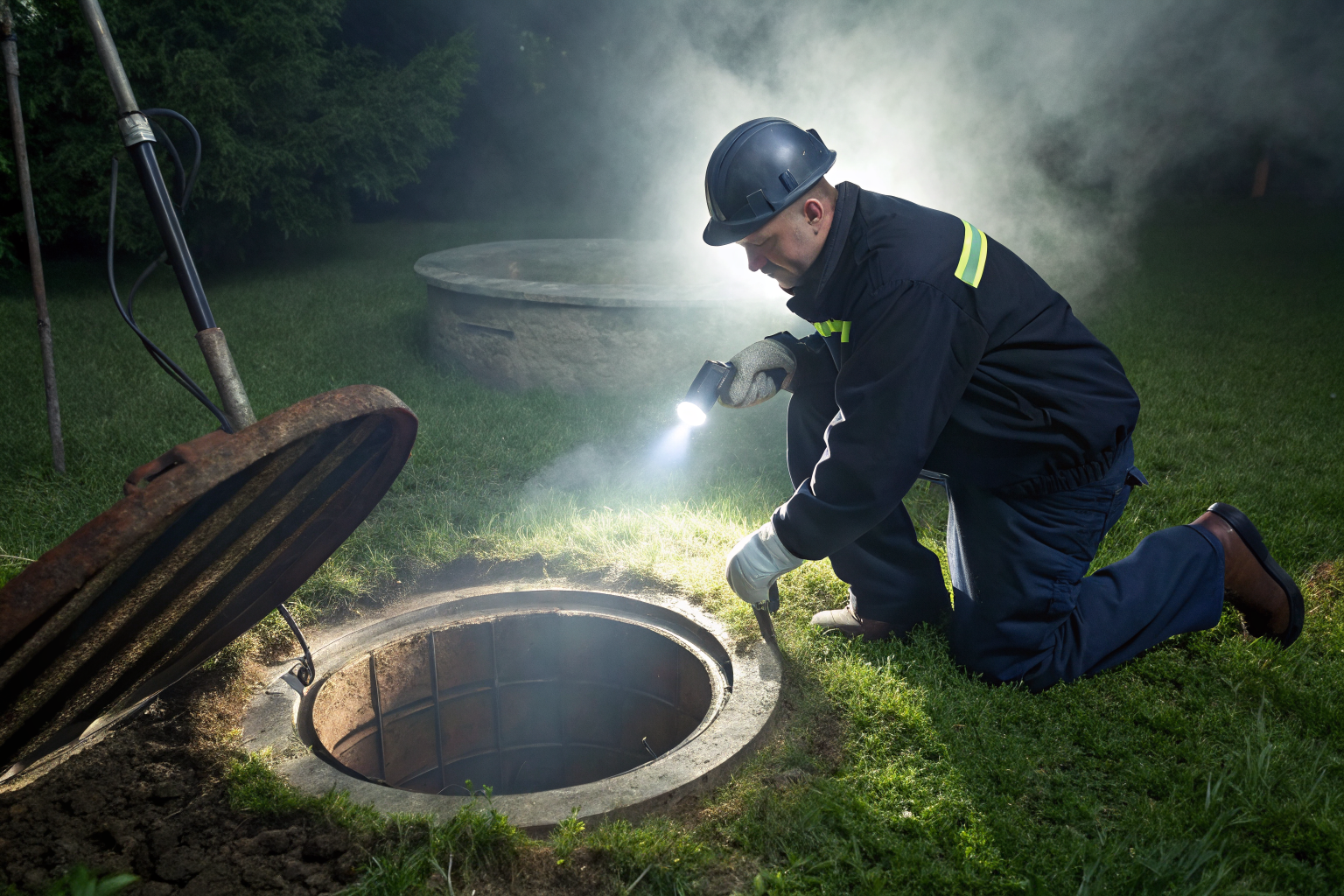
How to Find a Qualified Septic System Inspector
Most home inspectors spend 15 minutes glancing at your septic system. But when you find septic system inspector specialists, they spend 2-3 hours doing actual testing that saves you $20,000 in hidden repairs.
Key Takeaways:
- Licensed septic inspectors carry state-issued credentials that pumping companies and general home inspectors lack
- Independent inspectors who don’t sell repairs find 40% more problems than inspector-contractors who profit from fixing what they find
- Transfer inspections in 12 states require specific septic inspector licensing that home inspectors cannot legally perform
What Makes a Home Inspector Different From a Septic System Inspector?
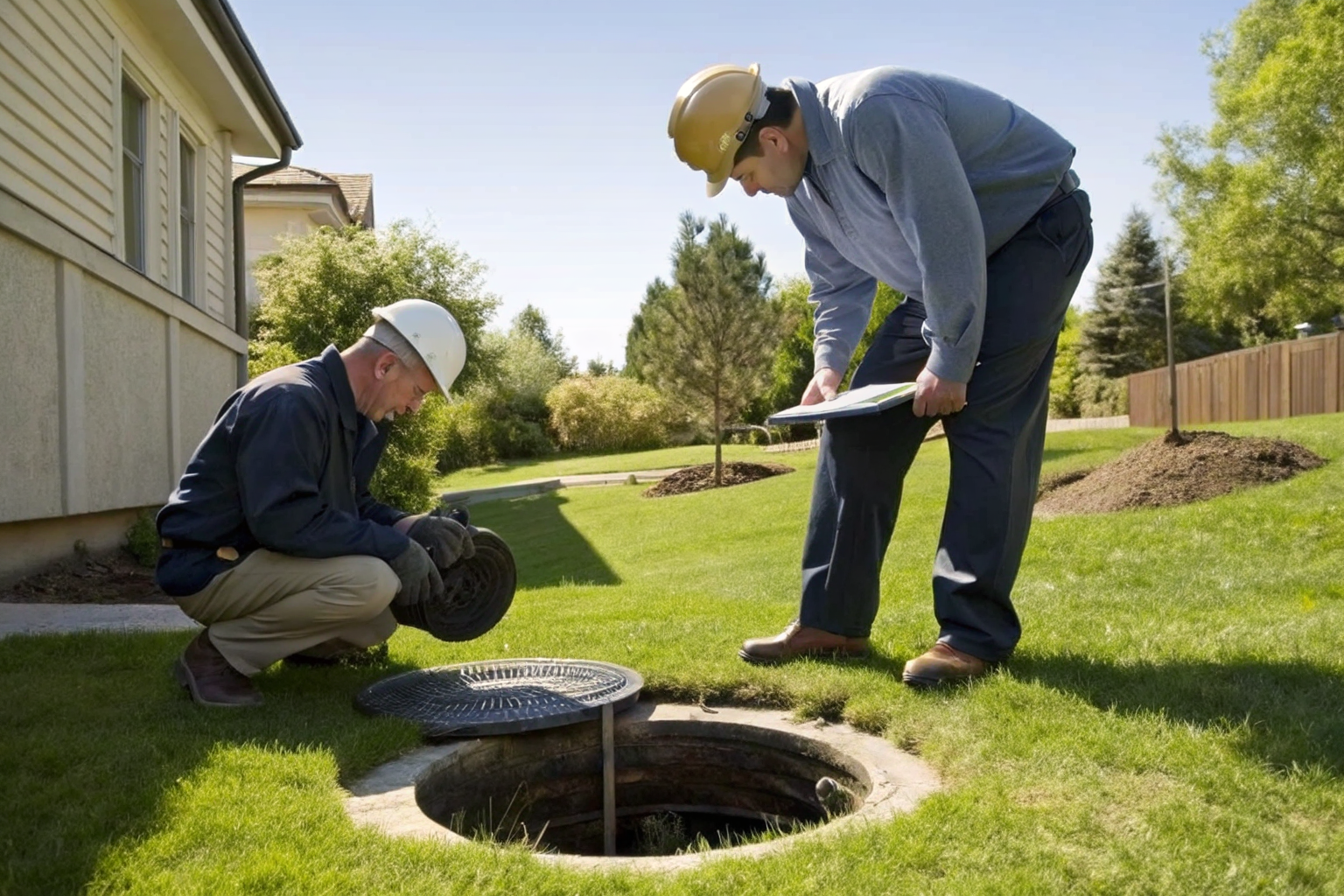
Home inspectors examine septic systems visually. They look at exposed components, check for obvious signs of failure, and move on. Septic system inspectors dig deeper. They test actual function.
The differences matter. Home inspectors get general contractor licenses or home inspection certifications. Septic System Inspector Qualifications require specialized training on soil science, hydraulic testing, and wastewater treatment. Licensed Septic Installers often hold septic inspector credentials because they understand how these systems actually work.
| Feature | Home Inspector | Septic System Inspector |
|---|---|---|
| Time spent on septic | 15 minutes average | 2-3 hours minimum |
| Equipment used | Visual inspection, basic tools | Hydraulic testing equipment, soil probes, flow meters |
| Testing performed | Visual check, basic function | Hydraulic load test, soil evaluation, component testing |
| Licensing focus | General home systems | Septic systems specifically |
| Can perform transfer inspections | No (in 12 states) | Yes (with proper licensing) |
| Report detail | 1-2 pages | 15-20 pages with photos |
Home inspectors charge $300-500 for an entire house inspection. They can’t spend two hours on just the septic system. Septic specialists charge $400-800 just for septic inspection because they’re doing actual testing, not just looking.
The equipment tells the story. Home inspectors carry flashlights and screwdrivers. Qualified septic inspectors bring hydraulic testing pumps, soil augers, and flow measurement devices. One group looks. The other group tests.
What State Licensing Should Your Septic Inspector Actually Have?

State Health Department requirements vary wildly. Some states require septic-specific licensing. Others accept general contractor licenses. Twelve states mandate specialized septic inspector credentials for property transfer inspections.
Your inspector needs current licensing from the State Health Department or designated regulatory agency. Not just any license. The right license for septic work. General contractor licenses don’t qualify in states with specific septic inspector requirements.
| State Requirement Type | States Included | License Verification Method | Transfer Inspection Authority |
|---|---|---|---|
| Septic-specific license required | MA, CT, NJ, FL, NC, others | State health department database | Yes, required for transfers |
| General contractor acceptable | TX, OH, MI, MN, others | State licensing board | Case-by-case basis |
| County-level regulation | CA, PA, VA, WA, others | County health department | Varies by jurisdiction |
| No specific requirement | Various rural states | Verify local ordinances | Usually not required |
Florida requires septic contractors to hold specific Department of Health licenses. Massachusetts demands Title 5 inspector certification. New Jersey uses the NJAC 7:9A system. Check your state’s health department website for the exact requirement.
Septic System Permit records often list approved inspectors in your area. The same database that tracks permits usually maintains inspector rosters. Start there.
Don’t assume licensing transfers between states. A licensed inspector from Pennsylvania can’t automatically work in Maryland. Each state controls its own requirements.
Why Independence From Pumping Companies Actually Matters

Inspector-contractor bias is real money. When the same company that finds problems also profits from fixing them, they find more problems. Independent inspectors have no financial incentive to recommend repairs.
Pumping Company Evaluation shows the pattern clearly. Companies offering both inspection and repair services report problems requiring fixes in 67% of inspections. Independent inspectors report repair needs in only 27% of cases. Same septic systems. Different financial incentives.
Conflict of interest works like this: Inspector finds a cracked baffle. If he’s independent, he reports it and moves on. If he sells repairs, that cracked baffle becomes a $1,200 repair job. Human nature kicks in.
You can verify independence by asking direct questions. Does the inspector sell septic repairs? Do they recommend specific contractors? Do they offer repair estimates during inspection? Yes to any question means they’re not truly independent.
Independent inspectors cost more upfront. They charge $500-800 vs $300-400 for inspector-contractors. But they save money by finding only real problems, not profitable ones.
One caveat here. Some states allow inspector-contractors but require disclosure. They must tell you they profit from repairs. That’s better than hiding the bias, but it doesn’t eliminate it.
How Do You Find Independent Septic Inspectors in Your Area?

State health department directories list licensed inspectors in 34 states. This is your primary search tool. These databases separate inspectors from installer-contractors.
Start with your State Health Department website. Look for “septic inspector directory” or “onsite wastewater professionals.” Most states maintain searchable databases with current licensing status.
Contact your local health department directly. County health offices often maintain shorter lists of inspectors they work with regularly. Licensed Septic Installer rosters sometimes include inspection-only professionals.
Check state septic professional associations. Organizations like the National Association of Wastewater Technicians maintain member directories. Members must meet continuing education requirements.
Ask your septic pumping company for referrals to inspectors they don’t employ. Good pumping companies know independent inspectors. They work together on complex problems but don’t share profits.
Verify independence by asking about repair services during your initial call. Independent inspectors will clearly state they don’t sell repairs or recommend specific contractors.
Cross-reference licensing through state databases before hiring. Fake credentials exist. Verify through official channels, not just business cards or websites.
Avoid inspectors recommended by real estate agents unless you verify their independence. Agents want deals to close. Inspector-contractors who find fewer problems keep deals moving.
What Should Your Septic Inspection Report Actually Include?

Qualified inspectors document specific system components in detail. Complete septic inspection reports contain 15-20 pages of documentation and component testing results. This isn’t overkill. It’s thorough documentation.
Transfer Inspection Requirements in many states specify minimum report contents. Your report should meet these standards even if not legally required.
Your inspection report must include:
System location and access documentation with GPS coordinates and photos of all access points. Inspectors should map tank locations, distribution boxes, and drainfield boundaries.
Component condition assessment with photos of tank interior, baffles, outlet filters, and distribution components. Each component gets rated as functional, needs attention, or requires replacement.
Hydraulic testing results including load test data, flow rates, and system capacity verification. This tests whether your system can handle your household’s actual wastewater volume.
Soil evaluation findings with percolation rates, groundwater levels, and drainfield absorption capacity. Soil conditions determine long-term system viability.
Maintenance recommendations with specific timelines for pumping, filter cleaning, and component replacement. Generic advice like “pump every 3-5 years” doesn’t count.
Regulatory compliance status noting any violations of local codes or permit conditions. This includes setback requirements, system modifications, and permit compliance.
Estimated remaining system life based on component condition, usage patterns, and maintenance history. Good inspectors can predict when major repairs become necessary.
Reports should include photographic evidence of all major findings. If an inspector claims something needs replacement but provides no photos, question the assessment.
What Red Flags Should Disqualify a Septic Inspector?
Unqualified inspectors skip critical testing procedures to keep costs low and schedules tight. These shortcuts create expensive surprises later.
Watch for these disqualifying red flags:
Quotes under $300 for comprehensive inspection indicate corner-cutting. Qualified inspectors spend 2-3 hours minimum. Labor costs alone exceed $300 in most markets.
Same-day availability claims suggest light scheduling or rushed work. Good inspectors book 1-2 weeks out because they’re thorough and in demand.
No hydraulic testing equipment visible during the inspection. Real septic testing requires specialized pumps and flow meters. Visual inspection alone misses most problems.
Offers repair estimates during inspection reveals the profit motive. Independent inspectors identify problems but don’t quote repair costs.
Cannot show current state licensing on request. Legitimate inspectors carry licensing documentation and provide verification numbers.
Rushes through inspection in under 90 minutes without testing. Qualified Septic System Inspector work takes time. Quick inspections miss expensive problems.
Provides verbal reports only without written documentation. Professional inspections generate detailed written reports with photos and test results.
Pricing red flags work both ways. Suspiciously low prices indicate shortcuts. Prices over $1,000 for routine inspection suggest overcharging unless multiple systems or complex testing is involved.
Trust inspectors who ask detailed questions about your household size, water usage, and maintenance history. These factors affect inspection approach. Generic inspections miss system-specific issues.