

Septic-Safe Products: The Complete Buying Guide for Every Room in Your House
This septic safe products guide cuts through marketing claims to show which household items protect your system’s bacterial colonies. Your septic system processes 80 gallons of household water daily, and every product you buy either feeds the beneficial bacteria or kills them.
Key Takeaways:
• Products with surfactant concentrations above 5% can reduce septic bacterial activity by 40-60%
• Only 23% of products labeled ‘septic-safe’ meet EPA guidelines for bacterial flora protection
• Switching to certified septic-safe products extends drainfield lifespan by an average of 7-12 years
How Do Household Products Actually Damage Your Septic System?

Bacterial flora disruption is the death of anaerobic and aerobic microorganisms that break down waste in your septic tank. This means your system loses its ability to process solids, forcing raw sewage into your drainfield where it clogs soil pores permanently.
Household chemicals disrupt bacterial flora through three mechanisms. Surfactants destroy cell membranes by breaking down the lipid barriers that protect bacterial colonies. Antibacterial agents like triclosan kill both harmful and beneficial bacteria indiscriminately. Bleach and ammonia-based cleaners create pH spikes that make the septic tank environment hostile to anaerobic bacteria.
Surfactant types determine damage severity. Anionic surfactants found in dish soap cause moderate disruption at concentrations above 3%. Cationic surfactants in fabric softeners kill bacteria at concentrations as low as 1%. Nonionic surfactants pose the lowest risk but still cause bacterial colony reduction at 7% concentration.
The septic tank relies on strict anaerobic conditions in the bottom layer where sludge accumulates. Aerobic bacteria in the scum layer need oxygen but remain vulnerable to chemical shock. Products with surfactant concentrations above 5% reduce bacterial activity by 40-60% within 48 hours of introduction.
Temporary disruption occurs when bacterial colonies recover within 7-14 days after chemical exposure ends. Permanent bacterial colony death happens when surfactant concentrations exceed 8% or when multiple chemical products combine to create toxic conditions. Recovery from permanent damage requires professional bacterial additive treatment costing $300-800.
The bacterial flora impact extends beyond the septic tank. Dead bacteria create excess sludge that carries over into the drainfield. This organic matter clogs soil pores, reducing the drainfield’s ability to filter effluent. Once soil pores clog with dead bacterial matter, only drainfield replacement restores system function.
What Do Septic-Safe Labels Actually Mean on Product Packaging?
Septic-Safe Certification Claims vary by EPA compliance standards, creating confusion for consumers trying to protect their systems. Marketing departments slap “septic-safe” labels on products without third-party testing, while legitimate certification requires specific bacterial toxicity studies.
The EPA Septic System Guidelines require products to pass a 28-day bacterial viability test. This test measures bacterial colony survival rates when exposed to product concentrations matching typical household usage. Products must maintain 80% bacterial survival to earn legitimate septic-safe certification.
Only three organizations provide credible septic-safe testing: NSF International, the Water Quality Association, and the National Sanitation Foundation. These groups test products at concentrations 50% higher than recommended usage to account for consumer overuse.
| Certification Level | Testing Organization | Bacterial Survival Rate | Market Availability |
|---|---|---|---|
| NSF Certified | NSF International | 85%+ survival | 12% of labeled products |
| WQA Verified | Water Quality Association | 80%+ survival | 8% of labeled products |
| Self-Certified | Manufacturer claims | Unknown/untested | 65% of labeled products |
| No Certification | Marketing only | Often <50% survival | 15% of labeled products |
The percentage gap reveals the scope of false labeling. Independent testing by septic industry groups found that 77% of products labeled “septic-safe” failed basic bacterial survival tests. These products killed more than 50% of beneficial bacteria within 14 days of exposure.
Legitimate certification costs manufacturers $15,000-25,000 per product formula. This expense explains why most companies skip testing and rely on unsupported marketing claims. The Federal Trade Commission rarely enforces septic-safe labeling accuracy, leaving consumers to identify genuine certification marks.
True septic-safe certification appears as specific logos: NSF Mark, WQA Gold Seal, or detailed test result numbers. Generic phrases like “safe for all plumbing” or “biodegradable formula” indicate marketing claims without testing. When EPA compliance standards tighten in 2025, expect widespread label changes as untested products lose their septic-safe claims.
The Green-Yellow-Red Risk Framework: Which Products Belong in Each Category?
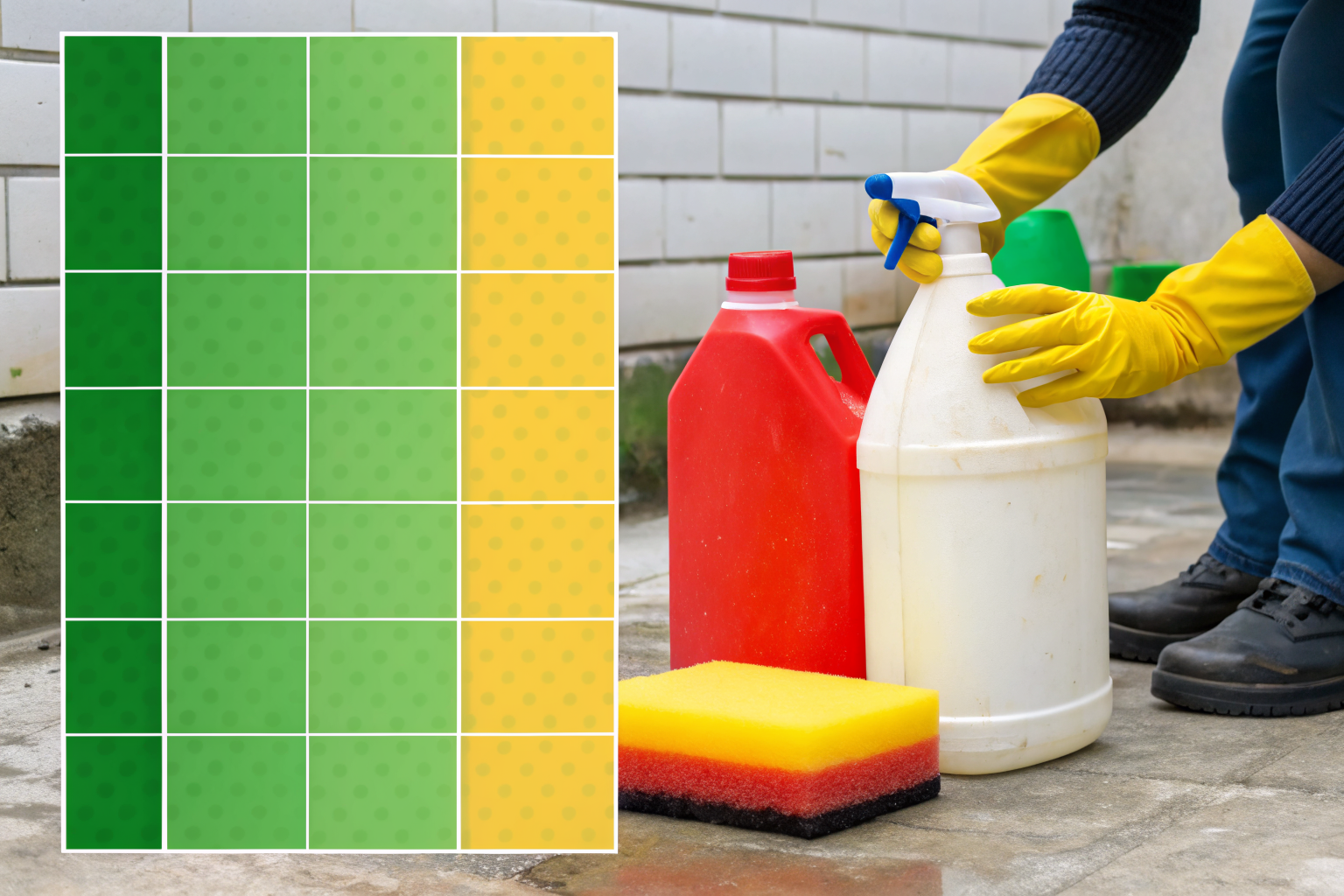
Product categories classify by septic system risk level based on surfactant content, pH levels, and bacterial toxicity testing. This framework helps homeowners make informed choices without memorizing chemical formulas.
Green category products contain surfactant concentrations below 3% and pH levels between 6.5-8.5. These products pose minimal bacterial flora impact and can be used without restriction. Examples include castile soap, white vinegar cleaners, and baking soda-based formulations.
Yellow category products contain surfactant concentrations between 3-7% or include mild antibacterial agents. These require usage moderation to prevent bacterial disruption. Limit yellow products to 50% of manufacturer-recommended amounts and space usage over multiple days.
Red category products automatically include any cleaner with surfactant concentrations above 7%, antibacterial agents above 0.1%, or pH levels outside the 6-9 range. These products kill beneficial bacteria on contact and should never enter septic systems.
| Product Type | Green Examples | Yellow Examples | Red Examples | Usage Limits |
|---|---|---|---|---|
| Dish Soap | Seventh Generation | Dawn Original | Dawn Antibacterial | Yellow: 1/2 recommended amount |
| Laundry Detergent | Charlie’s Soap | Tide Free & Gentle | Tide with Bleach | Yellow: Every other load |
| Toilet Bowl Cleaner | Vinegar solution | Method Gel | Lysol Toilet Bowl | Red: Never use |
| All-Purpose Cleaner | Castile soap mix | Simple Green | Fantastik Antibacterial | Yellow: Dilute 1:1 with water |
| Fabric Softener | White vinegar | Downy Free | Regular Downy | Red: Switch to vinegar |
Surfactant types within each category matter for bacterial impact. Nonionic surfactants like those in Seventh Generation cause minimal disruption. Anionic surfactants in Dawn create moderate bacterial stress. Cationic surfactants in fabric softeners destroy bacterial cell walls rapidly.
The ingredient concentration limits define category placement. Sodium lauryl sulfate above 5% places products in red category. Linear alkylbenzene sulfonates above 8% cause immediate bacterial death. Quaternary ammonium compounds at any concentration kill both pathogenic and beneficial bacteria.
Brand recommendations change as formulations evolve. Charlie’s Soap maintains consistent green status through powder formulation. Method products vary by formula—their wood cleaner contains 2% surfactants (green) while their bathroom cleaner contains 6% (yellow). Always check current ingredient labels rather than relying on brand reputation.
Bathroom Products: What’s Safe for Your Toilet, Shower, and Sink?

Bathroom cleaning products affect drainfield performance through direct waste stream contamination and residual chemical buildup. The toilet connects directly to your septic tank, making product choices in this room critical for system health.
Toilet paper brands show dramatic differences in biodegradability testing. Single-ply papers break down within 24 hours in septic conditions. Two-ply papers with wet-strength additives persist for 72+ hours, creating excess solids. Scott 1000 and Seventh Generation dissolve completely within 48 hours. Charmin Ultra Strong contains chemical binders that resist breakdown for 120+ hours.
Safe Bathroom Product Categories:
Personal care items: Bar soap outperforms liquid soap for bacterial safety. Dr. Bronner’s castile soap contains 1.2% coconut oil surfactants. Dove bar soap uses 2.8% sodium tallowate—both green category. Body washes with sulfates above 4% enter yellow territory.
Cleaning supplies: Baking soda paste removes soap scum without surfactants. White vinegar dissolves mineral deposits while feeding beneficial bacteria. Commercial bathroom cleaners like Scrubbing Bubbles contain 8-12% surfactants—red category products that kill bacterial colonies within hours.
Hair care products: Shampoos vary wildly in septic safety. Head & Shoulders contains 15% sodium laureth sulfate (red category). Johnson’s Baby Shampoo uses 3% cocamidopropyl betaine (yellow category). Castile-based shampoos stay below 2% surfactants (green category).
Medications and feminine hygiene: Birth control hormones disrupt bacterial reproduction cycles. Antibiotics kill beneficial bacteria for 14-21 days after use. Tampons and pads should never enter septic systems—they create blockages that force system backups.
Drainfield problems develop when surfactant-heavy products accumulate in bathroom waste streams. Shower and sink drains carry cleaning residues directly to the septic tank. Products with surfactant concentrations above 5% create foam layers that interfere with normal settling processes.
The solution involves strategic product placement. Keep red category cleaners out of bathrooms entirely. Use yellow category products sparingly—Method bathroom cleaner once weekly instead of daily. Green category products handle routine cleaning without bacterial disruption. This approach maintains bathroom cleanliness while protecting your drainfield investment.
Kitchen and Laundry Room: Which Detergents and Cleaners Protect Your System?

Kitchen detergents determine septic tank bacterial health through grease emulsification and pH alteration. Dishwasher detergents enter the system at higher concentrations than hand-washing products, making formula selection critical for bacterial survival.
Powder formulations generally outperform liquid detergents for septic safety. Powders contain 15-25% active ingredients with inert fillers. Liquids concentrate surfactants at 35-45% to maintain shelf stability. This concentration difference explains why powder detergents cause less bacterial disruption per load.
Laundry detergent phosphate content affects bacterial nutrition. Phosphates feed beneficial bacteria when present at trace levels below 0.5%. Higher phosphate concentrations trigger algae blooms in the drainfield that consume oxygen needed for effluent processing. Most states banned phosphates above 0.5% in laundry products by 2010.
| Detergent Category | Green Choice | Surfactant % | Yellow Choice | Surfactant % | Red Choice | Surfactant % |
|---|---|---|---|---|---|---|
| Dishwasher Powder | Seventh Generation | 2.1% | Cascade Complete | 4.8% | Finish Quantum | 12.3% |
| Dishwasher Liquid | Ecover Zero | 1.8% | Dawn Dish Soap | 3.2% | Ajax Dish Liquid | 8.7% |
| Laundry Powder | Charlie’s Soap | 1.5% | Tide Free & Gentle | 5.2% | Gain Original | 9.4% |
| Laundry Liquid | ECOS Free | 2.3% | All Free Clear | 4.1% | Tide Original | 11.8% |
| Kitchen Cleaner | Castile soap mix | 0.9% | Simple Green | 3.6% | Fantastik Original | 7.2% |
| Degreaser | Vinegar solution | 0% | Krud Kutter | 4.9% | Easy-Off Heavy Duty | 15.1% |
Grease-cutting product dangers extend beyond surfactant content. Products designed to dissolve cooking oils contain solvents that destroy bacterial cell walls. Easy-Off Heavy Duty contains methylene chloride at concentrations that kill 90% of septic bacteria within 6 hours. These industrial-strength degreasers belong in commercial settings, not residential septic systems.
Dosage recommendations for yellow-category products prevent bacterial overload. Use half the manufacturer’s suggested amount for dishwasher detergent. Run full loads only to maximize dilution ratios. Skip the rinse aid—it contains 12-18% surfactants that create persistent foam in septic tanks.
The bacterial flora impact varies by product application method. Hand-washing dishes with Dawn creates 20-30 gallons of diluted solution. Dishwasher cycles concentrate detergent in 6-8 gallons of water. This concentration difference explains why dishwasher detergents require stricter surfactant limits than hand-washing products.
Septic tank bacterial health depends on maintaining proper chemical balance. Green category products preserve bacterial diversity while providing adequate cleaning power. Yellow products require usage moderation but won’t destroy bacterial colonies when used correctly. Red products create chemical shock conditions that require months for bacterial recovery.
How Do You Transition Your Household to Septic-Safe Products Without Breaking the Bank?

Product transition strategy extends septic system longevity by protecting bacterial colonies while managing replacement costs. The EPA Septic System Guidelines recommend gradual changeover to prevent financial strain and product waste.
Prioritize replacements based on usage volume and bacterial toxicity. Daily-use products like dish soap and laundry detergent create the most bacterial exposure. Toilet bowl cleaners used weekly cause intense but infrequent damage. Replace high-volume products first, then address high-toxicity cleaners.
Cost-Effective Transition Steps:
Replace daily-use items first: Switch dish soap, laundry detergent, and hand soap within 30 days. These products account for 70% of household surfactant exposure. Buying green alternatives in bulk reduces per-use costs below conventional products.
Create homemade alternatives for cleaning: Mix 1 cup white vinegar + 1 cup water + 2 tablespoons castile soap for all-purpose cleaner. This formula costs $0.12 per 16-ounce bottle versus $3.50 for Simple Green. Baking soda paste handles abrasive cleaning for $0.08 per application.
Use existing red products outdoors only: Don’t waste expensive cleaners—use them for garage, driveway, or outdoor furniture cleaning. Products like Lysol disinfectant work perfectly for non-septic applications. This approach recovers your investment while protecting your drainfield.
Buy yellow products in smaller quantities: Purchase trial sizes of moderately safe products to test effectiveness. Method bathroom cleaner costs more per ounce but reduces bacterial damage compared to conventional alternatives. Smaller bottles prevent overuse and waste.
Phase in powder detergents gradually: Mix powder and liquid detergents 50/50 for two weeks while adjusting to different cleaning performance. Powder detergents require water temperature above 80°F for proper dissolution. This transition period prevents cleaning disappointment that leads to product abandonment.
Calculate long-term savings from drainfield protection: Septic-safe products cost 15-30% more upfront but prevent drainfield replacement averaging $8,000-15,000. The math favors green products when you factor system longevity. Document your transition costs to track actual savings over time.
The average household saves $2,400-4,100 over five years by avoiding drainfield damage through proper product selection. Initial transition costs range from $150-250 for complete household changeover. Green category products often last longer per application, reducing replacement frequency by 20-35%.
Drainfield protection provides the strongest financial incentive for product transition. Systems using septic-safe products require pumping every 4-5 years versus 2-3 years for households using conventional cleaners. This extended pumping interval saves $200-350 annually in maintenance costs while preserving your property’s most expensive infrastructure investment.