

Septic Inspection Cost: What to Expect and What’s Included
Septic inspection cost ranges from $150-300 for basic visual checks, but these miss the problems that kill real estate deals. Smart buyers demand the full invasive inspection.
Key Takeaways:
• Visual inspections ($150-300) only check what’s visible above ground and miss 70% of system problems
• Full Title 5 inspections ($600-1,200) include tank pumping, dye testing, and soil evaluation — the only inspection that actually protects buyers
• Standard inspections ($350-500) fall between visual and full but still miss critical drainfield and soil issues
What Are the Three Types of Septic Inspections?
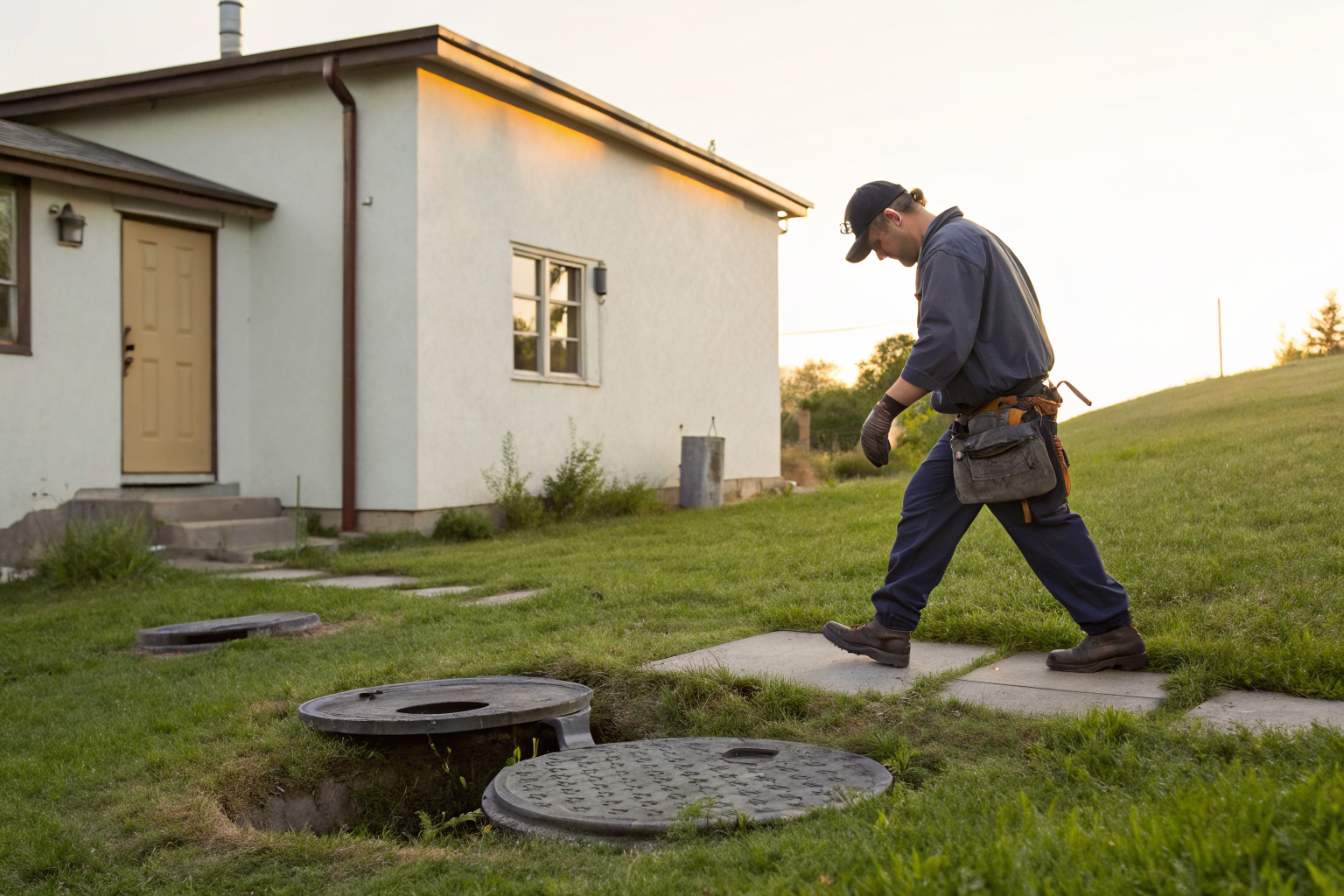
Septic System Inspection divides into three distinct types based on how deep the inspector digs. Visual inspection is a surface-level check of what you can see without opening anything. This means walking around the property looking for wet spots, checking distribution boxes, and eyeballing the tank lid if it’s accessible.
Standard inspection goes one step further by opening the tank and checking liquid levels, but stops short of pumping or invasive testing. Transfer Inspection requirements vary by state — some mandate full invasive checks for property sales while others accept visual walkthroughs.
Title 5 Inspection represents the full invasive approach required in Massachusetts and considered the gold standard elsewhere. This means pumping the tank, injecting dye to trace flow patterns, testing soil conditions, and evaluating every component that affects system function. The process takes 3-4 hours compared to 30-45 minutes for visual checks.
Visual inspections catch only 30% of system problems based on inspector reports from the Northeast. The other 70% hide in clogged drainfields, failed soil conditions, or internal tank damage that only shows up when you pump and pressure-test the system. That’s why real estate agents who know septic systems never recommend visual-only inspections for their buyers.
Most home inspectors offer visual septic checks as part of general property inspections, but licensed septic professionals handle the invasive work. The certification requirements differ — general home inspectors need basic training while septic specialists complete specialized coursework on soil science and wastewater treatment.
How Much Does Each Type of Septic Inspection Cost?
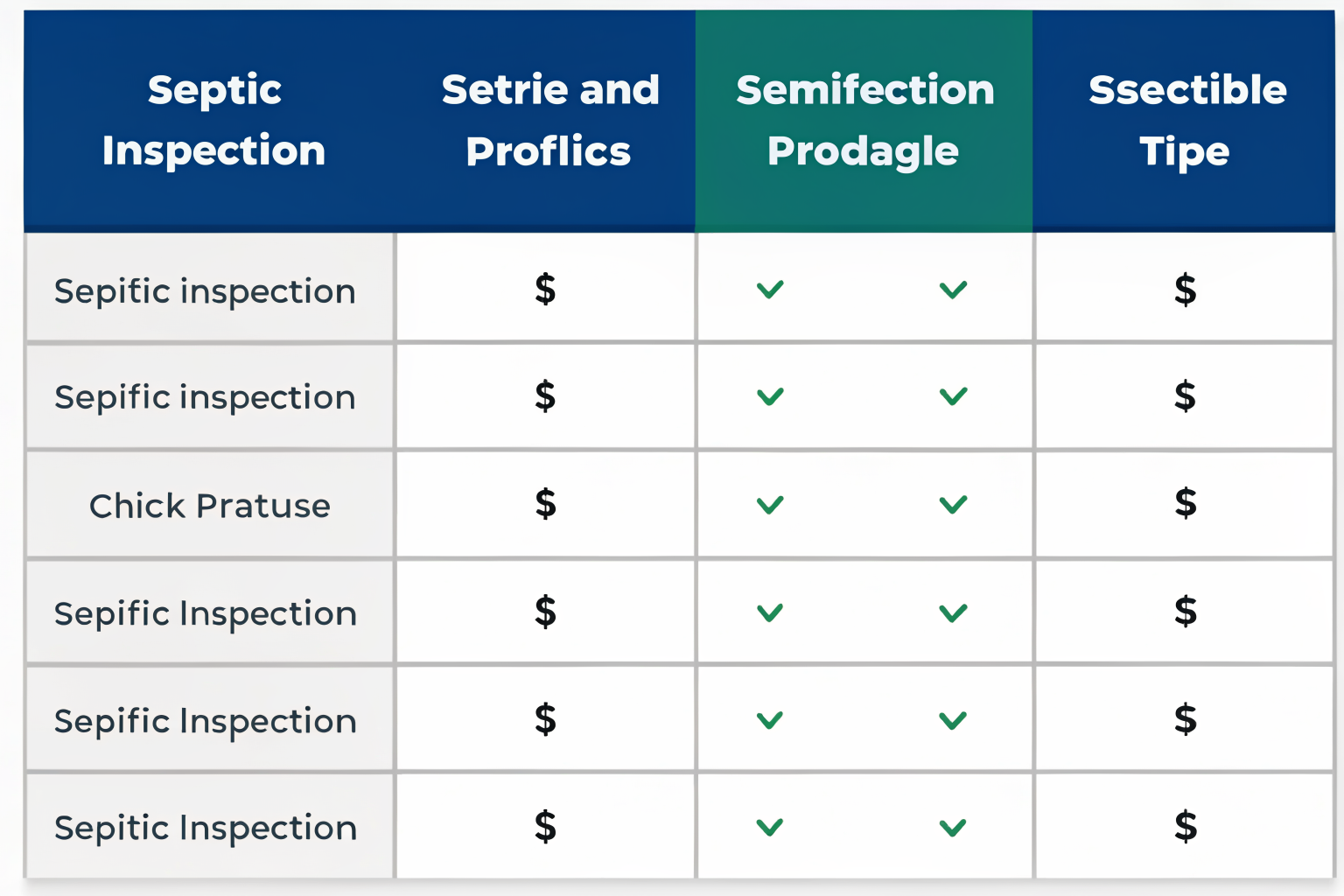
| Inspection Type | Price Range | What’s Included | Time Required |
|---|---|---|---|
| Visual Only | $150-300 | Surface check, no tank opening | 30-45 minutes |
| Standard | $350-500 | Tank opening, level check, basic assessment | 1-2 hours |
| Full/Title 5 | $600-1,200 | Tank pumping, dye testing, soil evaluation | 3-4 hours |
| Emergency/Rush | $800-1,500 | Any type with 24-48 hour turnaround | Varies |
Inspection costs range from $150 to $1200 by type, with regional variations adding another 20-30% swing in either direction. Northeast Title 5 inspections average $800-1200 vs Southeast standard inspections at $350-450, driven by different state requirements and local market factors.
Full inspections cost 4x more than visual checks because they require tank pumping ($200-400), laboratory soil testing ($100-200), and specialized dye testing materials ($50-100). The inspector also needs liability insurance for invasive procedures and advanced certification for soil evaluation work.
Hidden costs pop up when tanks are difficult to access, requiring excavation to reach lids buried under landscaping or concrete. Add $300-600 for excavation work depending on depth and surface materials. Some properties need multiple site visits if initial dye tests show marginal results requiring retesting.
Rush jobs command premium pricing because inspectors must rearrange schedules and often work weekends. The 24-48 hour turnaround window popular with real estate transactions costs an extra $200-400 on top of base inspection fees. Friday afternoon requests for Monday morning reports cost the most.
What Does a Visual Septic Inspection Actually Include?

Visual inspections examine above-ground components only, limiting what inspectors can report with confidence. The scope covers what you can see without opening tanks or running tests.
• Distribution box inspection — Inspector checks for visible cracks, loose connections, or standing water around the box perimeter
• Drainfield surface evaluation — Looking for wet spots, odors, lush grass growth, or depressions that indicate subsurface problems
• Tank lid and riser assessment — Checking lid condition and noting any obvious damage or improper installation without removal
• System component inventory — Documenting pump chambers, control panels, alarms, and other visible equipment
• Property grading review — Noting slope issues, surface water drainage problems, or landscaping that could affect system performance
• Access point documentation — Recording tank and component locations for future maintenance reference
The inspector spends 30-45 minutes walking the property and fills out a basic checklist. No tank opening means no way to check liquid levels, sludge depth, or internal component condition. No soil testing means soil failure — the most expensive septic problem — goes undetected.
This approach works for routine maintenance planning when you already know the system functions properly. It fails completely for real estate transactions where buyers need to know about expensive problems before closing. Most home inspectors include visual septic checks in their general property inspection, but they clearly state limitations in their reports.
What’s Included in a Full Title 5 Septic Inspection?
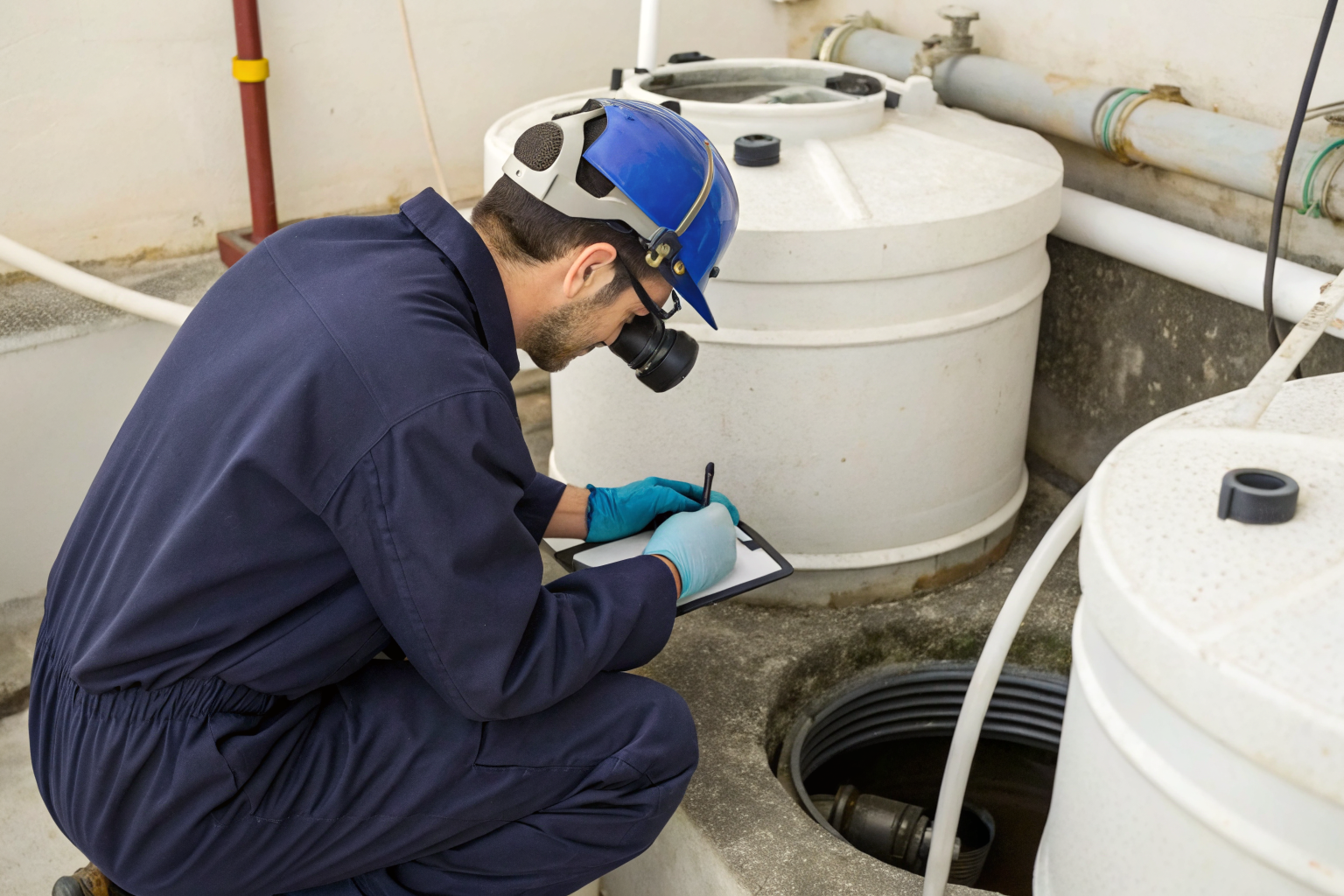
Title 5 inspections require tank pumping and soil evaluation through a systematic process that takes 3-4 hours to complete properly.
- Tank location and access preparation — Inspector locates all tank components, removes lids, and photographs existing conditions before starting work
- Complete tank pumping — Septic pumping truck removes all liquids and solids to expose internal components for inspection
- Internal tank inspection — Inspector checks baffles, inlet/outlet pipes, tank walls, and bottom for cracks, corrosion, or structural damage
- Distribution box evaluation — Opening and inspecting distribution components that direct flow to drainfield areas
- Dye testing procedure — Injecting fluorescent dye into the system and running water to trace flow patterns through the drainfield
- Soil evaluation and testing — Taking soil samples at multiple drainfield locations to test absorption rates and soil composition
- System capacity assessment — Calculating whether existing system size matches current household occupancy requirements
- Final dye observation — Returning 2-3 hours after dye injection to check for surface breakouts indicating drainfield failure
Dye testing takes 2-3 hours after dye injection to show drainfield problems, which explains why full inspections span most of a working day. The inspector must return to check for fluorescent dye appearing at ground surface, in nearby water bodies, or in monitoring wells.
Perc Test requirements vary by inspector and local regulations. Some include basic soil absorption testing as part of the evaluation while others recommend separate testing if soil conditions look marginal. This adds another $300-500 to inspection costs but provides data needed for system repair estimates.
What Additional Services Drive Septic Inspection Costs Higher?
| Additional Service | Cost Range | When Required | What It Reveals |
|---|---|---|---|
| Camera Inspection | $200-400 | Suspected pipe damage | Cracks, root intrusion, blockages |
| Laboratory Testing | $150-300 | Advanced treatment systems | Effluent quality, compliance status |
| Excavation Work | $300-600 | Buried or inaccessible components | Access for proper inspection |
| Multiple Site Visits | $200-350 | Marginal test results | Confirmation of borderline conditions |
| Rush Service | $200-400 | 24-48 hour turnaround | Same inspection, faster delivery |
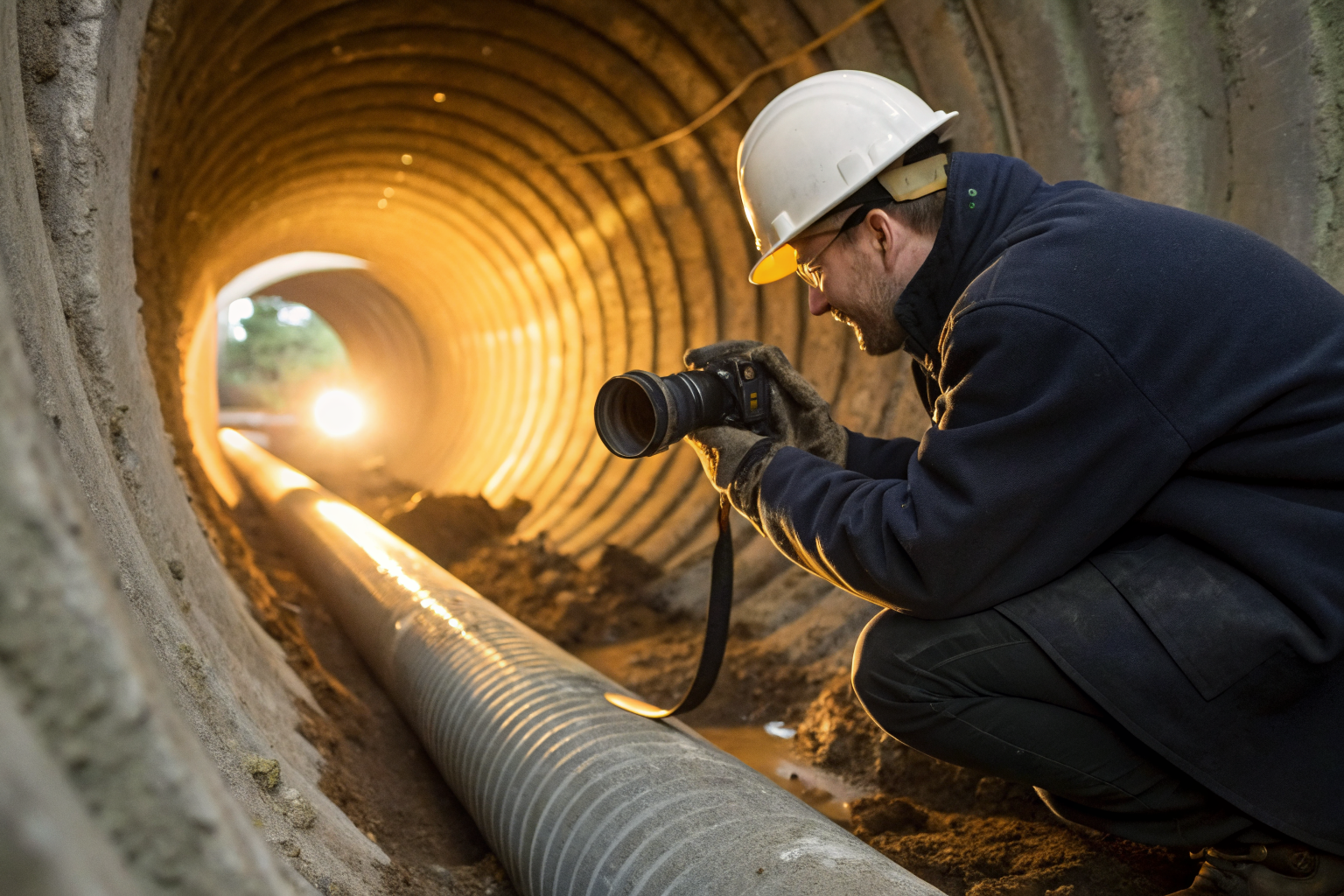
Additional services increase inspection costs by $100-500 depending on what problems the inspector discovers. Camera inspection adds $200-400 to standard inspection cost and becomes necessary when dye tests suggest pipe damage but the location remains unclear.
Septic Tank camera work involves threading fiber optic equipment through inlet and outlet pipes to check for cracks, root intrusion, or collapsed sections. The process adds 1-2 hours to inspection time and requires specialized equipment most general inspectors don’t carry.
Advanced treatment systems like aerobic units need laboratory testing to verify effluent meets discharge standards. Lab fees run $150-300 and results take 3-5 business days, extending the inspection timeline for real estate transactions. Some systems require quarterly testing, and buyers need to see recent results.
Transfer Inspection requirements in strict states like Massachusetts mandate additional documentation and certified inspector signatures. The paperwork and liability requirements explain why Title 5 inspections cost more than similar technical work in states with voluntary inspection policies.
Why Do Septic Inspection Costs Vary So Much by Region?
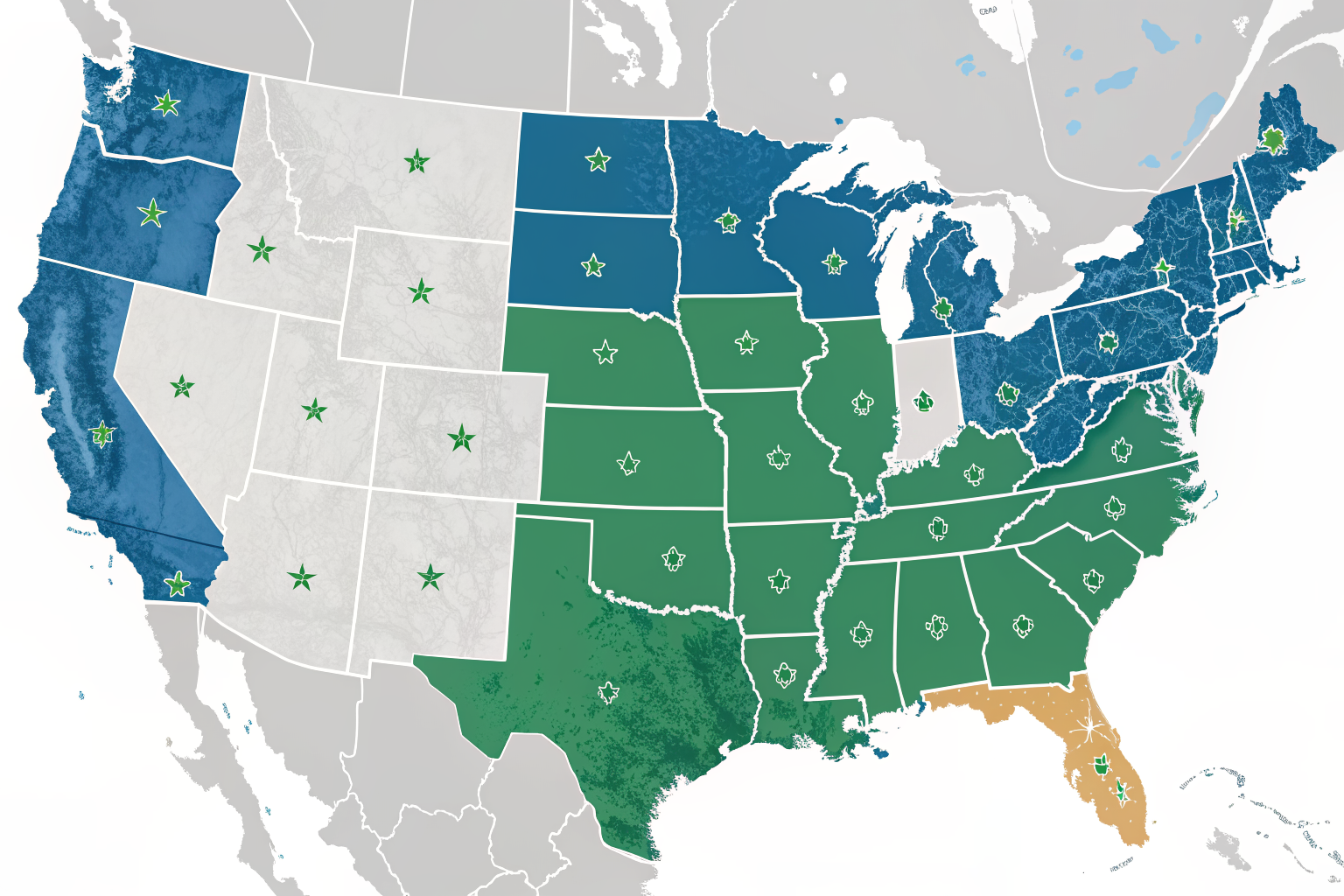
Regional costs vary by state regulations and market factors that create different inspector requirements and pricing structures. Massachusetts requires Title 5 for all property transfers vs Texas with no mandatory inspection requirements, creating vastly different market dynamics.
States with mandatory transfer inspections develop larger pools of certified inspectors, which tends to moderate pricing through competition. Voluntary markets often have fewer specialists, driving up costs when buyers do request full inspections. The supply-demand balance explains why Northeast inspections cost 40-50% more than Southeast equivalents.
Inspector licensing requirements range from basic certification courses to extensive technical training including soil science and hydraulic engineering. States requiring advanced certification produce more thorough inspections but at higher costs due to education and insurance requirements.
Real Estate Septic Contingency clauses also vary by region. Markets where contingencies are standard practice support more inspection infrastructure and competitive pricing. Areas where septic inspections are rare or discouraged by local practice have limited inspector availability and premium pricing for the few buyers who insist on proper evaluation.
Local geology affects inspection complexity and costs. Rocky soil requires more effort for soil sampling. High water tables need additional testing protocols. Coastal areas with special environmental protections require extra documentation and certified disposal of pumped materials.
The most expensive markets combine strict regulations, difficult soil conditions, and limited inspector availability. Massachusetts Title 5 inspections in coastal areas represent the highest-cost scenario. The cheapest markets offer voluntary visual inspections in areas with sandy soil and easy tank access.