
Buying or Selling a Home With a Septic System: The Complete Real Estate Guide
This septic system real estate guide addresses the inspection requirements that cause 23% more transaction failures compared to sewer-connected properties. Most agents and buyers miss critical inspection timelines that delay closings by 30-45 days.
Key Takeaways:
• Title 5 inspections cost $500-800 but can reveal $15,000+ repair needs that shift negotiation power completely
• Transfer inspection requirements vary by state — 14 states mandate them while others only require disclosure
• Septic contingency clauses should include 21-day inspection periods, not the standard 10 days most contracts specify
Are You Buying or Selling? Your Septic System Responsibilities

Buyers bear inspection costs in septic transactions. This fundamental rule shapes every aspect of the deal from contract negotiation to closing delays.
The division of responsibilities differs dramatically from standard real estate transactions. Buyers typically pay $500-800 for Title 5 inspections while sellers handle required repairs averaging $2,500. Transfer inspection requirements create additional layers of complexity that standard purchase agreements fail to address.
Real estate septic contingency clauses must account for extended timelines and repair negotiations. Standard contracts assume sewer connections with predictable inspection schedules. Septic properties demand different contingency periods and cost allocation structures.
| Responsibility | Buyer | Seller |
|---|---|---|
| Title 5 Inspection Cost | $500-800 | $0 |
| Transfer Inspection | $300-500 | $0 |
| Required Repairs | Negotiable | Up to $2,500 average |
| Permit Applications | Negotiable | Varies by state |
| Failed System Replacement | Negotiable | $15,000-25,000 |
The negotiation dynamic shifts when inspection results arrive. Failed inspections don’t automatically kill deals, but they redistribute financial responsibility. Sellers face repair obligations or price reductions. Buyers gain leverage but lose closing timeline predictability.
Most real estate agents underestimate septic inspection complexity. They schedule Title 5 inspections like home inspections, missing state-specific requirements and seasonal scheduling constraints. This creates closing delays and contract renegotiations.
What Does Each Septic Inspection Actually Reveal?
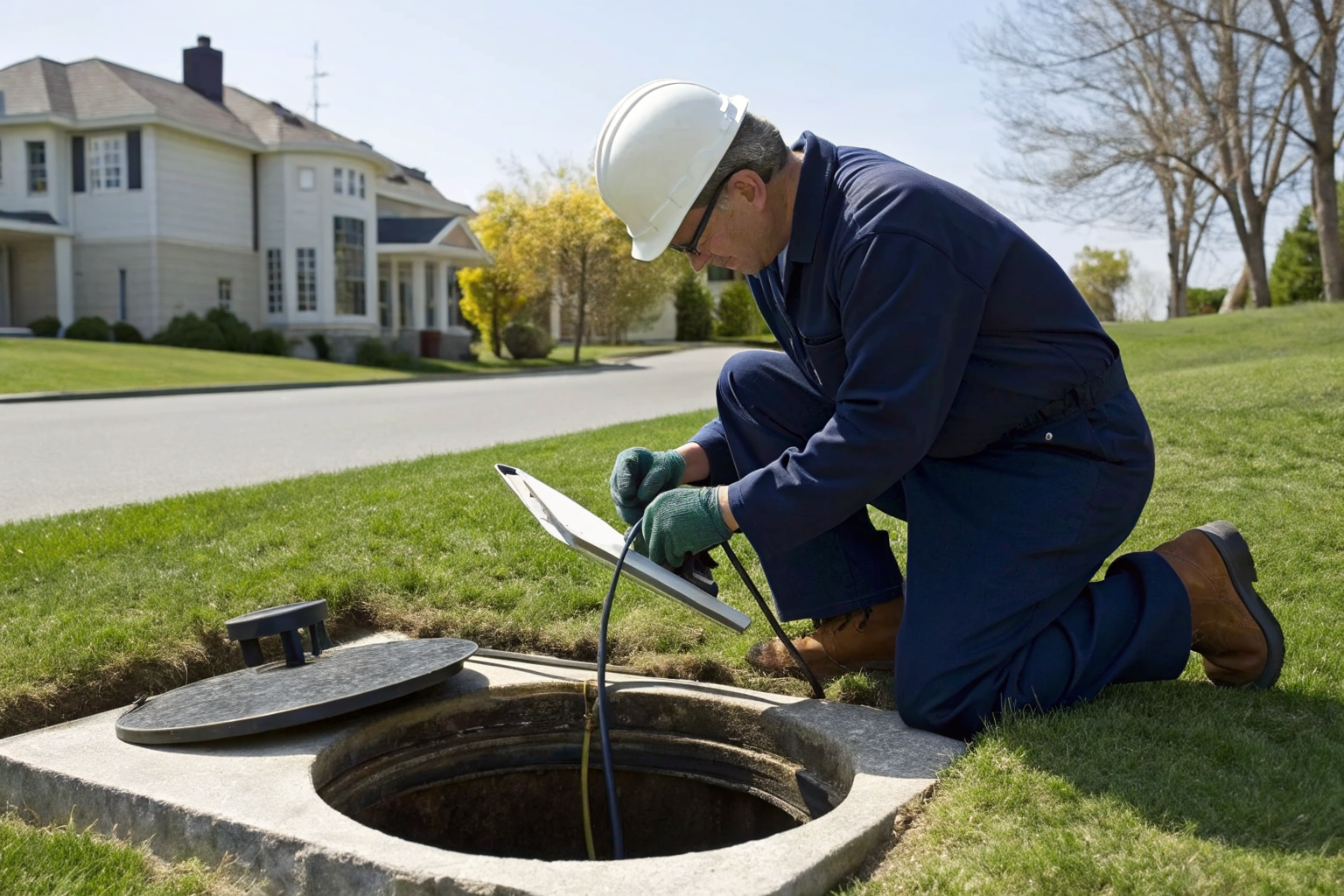
Title 5 Inspection is a comprehensive evaluation of septic system functionality required in Massachusetts and several other states. This means inspectors examine tank integrity, baffle condition, sludge levels, and drainfield absorption capacity through prescribed testing protocols.
The inspection differs fundamentally from basic transfer inspections that many states require. Title 5 inspections have a 67% pass rate on first attempt, while transfer inspections catch 34% more problems than basic visual checks.
Perc Test measures soil absorption rates to determine drainfield capacity. Inspectors dig test holes and measure how quickly water penetrates the soil. Failed perc tests indicate drainfield problems that require expensive repairs or complete system replacement.
Transfer Inspection encompasses visual assessment of system components without the invasive testing that Title 5 requires. These inspections focus on obvious problems like surfacing effluent, tank damage, or distribution box failures.
The scope difference matters for deal negotiations. Title 5 inspections reveal hidden problems that transfer inspections miss. Tank pumping might expose cracked baffles or inlet pipe damage invisible during surface inspections.
Inspection results create different negotiation positions. Passed inspections with minor recommendations maintain deal momentum. Failed inspections with major repair requirements trigger price renegotiations or contract cancellations.
Seasonal factors affect inspection accuracy. Winter inspections miss drainfield saturation problems visible during spring thaws. Summer inspections during drought periods might not reveal drainage issues apparent during heavy rain seasons.
Which States Actually Require Transfer Inspections?

Massachusetts requires Title 5 inspections for all septic system transfers, with requirements dating to 1995. The state mandates certified inspectors and specific testing protocols that exceed basic visual assessments.
14 states mandate septic inspections at sale, creating a patchwork of requirements that confuse interstate transactions. Each state defines inspection scope, inspector certification, and timeline requirements differently.
State-by-state breakdown reveals significant variations:
- Massachusetts — Title 5 inspections required, must be completed within two years of sale, certified inspectors only
- Connecticut — Visual inspections required for properties over 20 years old, pumping records must be current
- Rhode Island — Comprehensive inspections required, soil testing mandatory for systems over 30 years old
- New Hampshire — Inspection required only if system shows visible problems or buyer requests evaluation
- Vermont — State permits required for all system modifications, inspections recommended but not mandatory
- Maine — Municipal requirements vary, most towns require inspection for properties without recent pumping records
Timeline requirements create closing complications. Massachusetts allows up to 45 days for Title 5 completion and repair estimates. Other states compress timelines into standard contingency periods that don’t accommodate septic-specific delays.
Inspector certification standards vary dramatically between states. Massachusetts requires extensive training and testing. Other states accept general contractors or allow homeowner self-inspection for basic visual assessments.
Penalties for non-compliance range from deal cancellation to post-closing fines. States with mandatory requirements enforce compliance through title insurance restrictions and municipal permitting holds.
How Do Septic Findings Change Your Negotiation Power?

Failed inspections trigger price reductions averaging $8,000-12,000, with drainfield failures commanding 15-20% reductions in home value. The negotiation power shifts dramatically based on inspection results and repair cost estimates.
Strategic negotiation following septic inspection results requires specific steps:
Obtain detailed repair estimates within 48 hours of failed inspection results to maintain contract momentum and prevent seller shopping for alternative buyers.
Present three repair scenarios ranging from minimum compliance fixes to full system upgrades, giving sellers options while maintaining your negotiation position.
Request seller credits rather than completed repairs when possible, as pre-closing repairs often face permit delays and quality control issues.
Structure contingency extensions to allow 14 additional days for repair negotiations, as standard contingency periods don’t accommodate septic-specific complications.
Document all agreements in writing through contract amendments rather than verbal agreements that create enforcement problems at closing.
Repair cost estimates become negotiation tools rather than simple price adjustments. Minor repairs under $3,000 typically result in seller credits. Major repairs exceeding $10,000 often trigger price reductions or contract cancellations.
Drainfield failures create the strongest buyer negotiation position. Complete system replacement costs $15,000-25,000, representing 10-15% of typical home values. Sellers face difficult decisions between major price reductions and finding cash buyers willing to accept failed systems.
Timing affects negotiation outcomes. Inspection results arriving early in contingency periods allow proper repair estimate collection and negotiation. Results received near contingency expiration create pressure that favors sellers.
Septic system inspection results also affect appraisal values. Failed systems receive below-market appraisals that complicate financing and force cash transactions or significant down payment increases.
What Septic Issues Actually Kill Financing and Closings?

FHA loans require functional septic systems and reject 31% of homes with failing systems outright. Conventional loans allow repairs post-closing in 67% of cases, creating different financing strategies for buyers.
Lender requirements vary significantly between loan types and create different qualification thresholds for septic properties. The distinction affects both buyer financing options and seller pricing strategies.
| Issue Type | FHA Loans | Conventional Loans | VA Loans |
|---|---|---|---|
| Failed Title 5 | Automatic rejection | Repair escrow allowed | Case-by-case review |
| Drainfield failure | Deal killer | Major down payment increase | Deal killer |
| Tank replacement needed | Repair required pre-closing | Post-closing repairs accepted | Repair required pre-closing |
| Minor violations | Repair required | Often overlooked | Depends on severity |
| Permit issues | Must resolve before closing | Can close with escrow | Must resolve before closing |
Underwriters treat septic systems as potential liability rather than standard home components. They require documentation that conventional sewer properties don’t need, including pumping records, inspection reports, and permit histories.
Appraisal complications arise when septic systems fail inspections. Appraisers must determine property value with non-functional waste treatment systems. This creates below-market valuations that affect loan-to-value ratios and financing approval.
Closing timeline impacts vary by lender and loan type. FHA loans with septic issues face automatic delays while repairs complete and permits finalize. Conventional loans offer more flexibility but still require satisfactory septic function at closing.
Cash transactions avoid financing complications but still face title insurance and legal disclosure requirements. Even cash buyers need functioning septic systems for occupancy permits and property insurance coverage.
How Long Do Septic Inspections Actually Delay Closings?

Septic inspections extend closing timelines beyond standard purchase agreements. Average septic inspection scheduling takes 7-10 business days, with repairs requiring permits adding 21-30 days to closing timelines.
Scheduling constraints vary by region and season. Rural areas with limited certified inspectors face longer wait times. Spring and summer seasons create peak demand that extends scheduling to 14-21 days in some markets.
Real estate septic contingency periods must account for these extended timelines. Standard 10-day inspection periods work for home inspections but fail for septic evaluations requiring soil testing, tank pumping, and detailed component assessment.
Repair completion windows depend on problem severity and permit requirements. Minor repairs like baffle replacement complete within 5-7 days. Major repairs requiring excavation and permit approval extend timelines by 30-45 days.
Municipal permit processing creates additional delays beyond contractor availability. Health department reviews for septic repairs take 10-14 business days in most jurisdictions. Complex repairs requiring engineered solutions extend permit review to 30-45 days.
Seasonal factors compound scheduling delays. Winter weather limits excavation work and extends repair timelines. Frozen ground conditions prevent proper soil testing and drainfield evaluation.
Contract extension negotiations become routine in septic transactions. Buyers and sellers typically agree to 14-21 day extensions for repair completion when inspections reveal problems. These extensions require formal contract amendments to maintain legal protection.
Closing delays affect all transaction parties. Sellers face continued carrying costs and market risk. Buyers lose rate locks and face additional interim housing costs. Real estate agents experience commission delays and transaction uncertainty.