
Buying a House With a Septic System: What You Need to Know Before Closing
Buying a house with septic system ownership means accepting a $15,000-25,000 risk if you skip the right inspections. Your dream home could become a financial nightmare within six months of closing.
Key Takeaways:
- Title 5 inspections cost $500-800 but can save you $15,000-25,000 in immediate repairs
- Systems over 20 years old fail at 3x the rate of newer systems during their first 5 years of ownership
- Conditional passes give you 60-90 days of negotiation leverage worth $3,000-8,000 in typical repairs
Should I Buy a House With a Septic Tank?
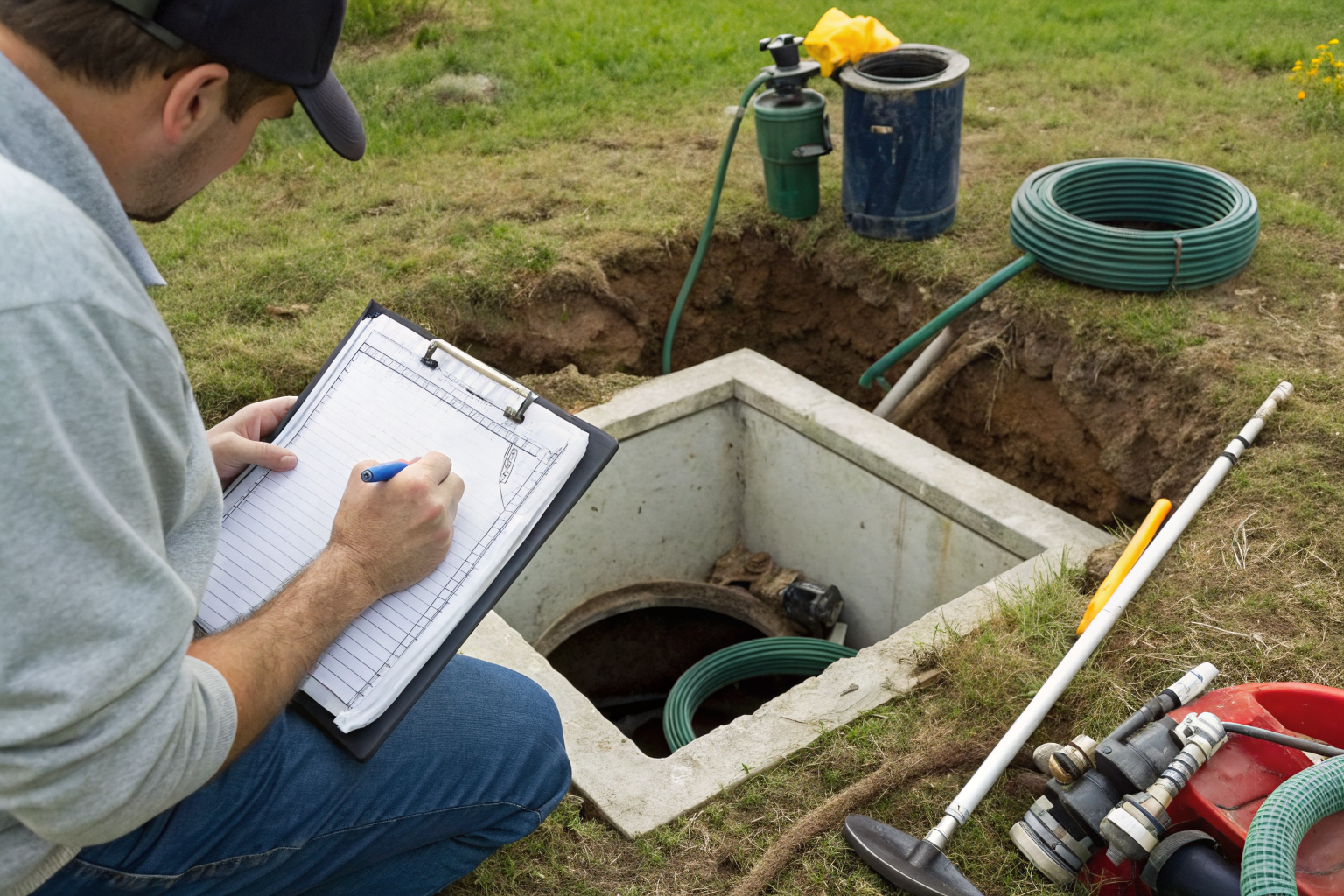
Septic system ownership is a maintenance commitment that never ends. This means you become responsible for pumping, inspections, repairs, and eventual replacement costs that city sewer users never face.
Rural property buyers often underestimate the financial reality. Annual maintenance costs average $400-600 versus $0 for municipal sewer connections. You’ll pump every 3-5 years at $300-500 per service. Emergency repairs happen without warning and start at $2,000.
The Transfer Inspection during your purchase reveals whether you’re inheriting someone else’s deferred maintenance. Systems require professional attention whether you maintain them or not. Neglect leads to drainfield failure, which costs $15,000-25,000 to replace.
Buying septic property makes sense if you want rural living and accept the responsibility. Skip it if you expect city-like convenience. The system won’t care about your budget or timeline when it fails.
First-time septic owners face a learning curve. You’ll discover which household products damage bacterial action. You’ll learn seasonal maintenance routines. You’ll build relationships with local pumpers and repair contractors. This isn’t difficulty, it’s reality.
What Septic Inspections Do You Actually Need Before Closing?
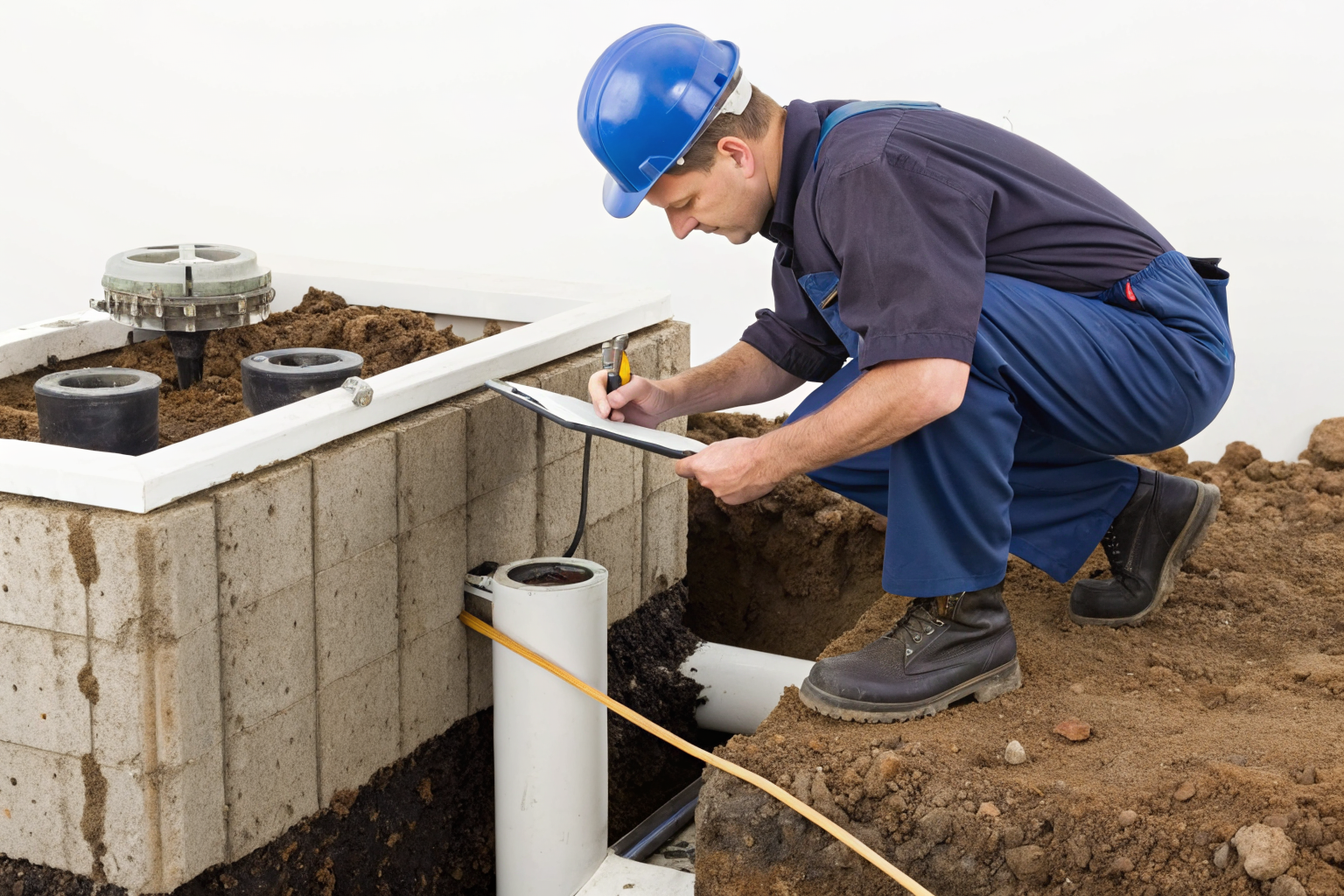
Title 5 Inspection evaluates system functionality and code compliance through comprehensive testing. This means inspectors pump the tank, test all components, measure sludge layers, and verify proper drainage.
Three inspection types serve different purposes during property transfer:
| Inspection Type | Cost Range | What It Covers | When Required |
|---|---|---|---|
| Visual Walk-Through | $150-250 | Surface signs, odors, wet spots | Recommended for all purchases |
| Title 5 Transfer Inspection | $500-800 | Full system evaluation, code compliance | Mandatory in MA, recommended in 12 states |
| Perc Test | $750-1,200 | Soil absorption rate for new systems | Required only for replacement scenarios |
The Transfer Inspection provides the most value. Inspectors access the tank through risers, measure sludge and scum layers, test baffles and outlets, examine the distribution box, and evaluate drainfield condition. They issue pass, conditional pass, or fail determinations.
Conditional passes identify specific repairs needed within 60-90 days. Common findings include missing baffles, cracked tanks, or minor distribution problems. These cost $1,500-6,000 to fix but give you negotiation leverage.
A Perc Test measures soil absorption rates where new drainfields would go. You need this only if the existing system fails completely and requires replacement. The test determines whether your soil can support a septic system at all.
State requirements vary significantly. Massachusetts mandates Title 5 inspections for all septic property transfers. Other states recommend them but don’t require them. Smart buyers get them anyway.
How Do You Assess the Age and Condition of an Existing System?

System age determines replacement timeline and negotiation strategy. Older systems lack modern safety features and fail more predictably.
Request permit records from the local health department. Installation permits show the original system date and any major repairs. Most departments maintain these records going back 30+ years and charge $25-50 for copies.
Examine the tank construction material during inspection. Concrete tanks from before 2000 lack modern overflow protection and fail 40% more often. Steel tanks rust out after 15-20 years. Modern plastic tanks last longer but crack under heavy loads.
Locate and inspect all access points. Modern systems have risers to ground level for easy pumping. Older systems require digging to access the tank. Missing or damaged risers indicate deferred maintenance.
Check the drainfield area for warning signs. Lush green grass over the drainfield in dry weather indicates system failure. Standing water, soggy soil, or septic odors mean immediate problems. The drainfield should be dry except after heavy rains.
Document the distribution box condition. This concrete box distributes effluent evenly across drainfield lines. Cracked or tilted boxes cause uneven distribution and premature drainfield failure.
Systems installed before 2000 lack modern overflow protection and require closer scrutiny. They often need major updates to meet current codes. Plan for higher maintenance costs and earlier replacement.
What Questions Should You Ask the Seller About Their Septic System?

Pumping history records reveal maintenance patterns and potential problems. Ask specific questions and watch for evasive answers.
“When was the tank last pumped and who did it?” Get the contractor’s name and contact information. Professional pumpers keep service records and can verify the seller’s claims. Tanks pumped every 5+ years show 60% higher failure rates within 24 months of purchase.
“Have you had any backups, overflows, or emergency service calls?” Sewage backups indicate serious problems. Multiple service calls suggest ongoing issues. Emergency repairs often address symptoms rather than root causes.
“What permits have been pulled for septic work during your ownership?” Major repairs require permits. Unpermitted work may not meet code and could complicate your ownership. Health departments track permit history.
“Do you use septic additives, enzymes, or treatments?” Healthy systems don’t need chemical additives. Regular additive use often indicates underlying problems. Some additives damage system components or disrupt bacterial balance.
“Have you noticed any odors, wet spots, or unusual vegetation growth?” Sellers know their property’s problem areas. Direct questions often reveal issues they might not volunteer. Trust but verify their answers during your inspection.
Red flag answers include “I don’t remember when it was pumped,” “We’ve never had problems” (from long-term owners), or “The previous owner handled all that.” These responses suggest deferred maintenance or lack of system knowledge.
How Do Inspection Results Affect Your Negotiation Power?

Conditional pass results provide specific repair cost leverage for negotiation. Failed inspections give you even stronger position or walk-away justification.
| Inspection Result | Typical Repair Costs | Negotiation Strategy | Success Rate |
|---|---|---|---|
| Pass | $0 | No septic-related negotiations | 100% |
| Conditional Pass | $3,000-8,000 | Request repair credits or price reduction | 80% |
| Fail – Minor Issues | $8,000-15,000 | Demand significant price reduction | 60% |
| Fail – Major Issues | $15,000-30,000 | Walk away or renegotiate purchase price | 40% |
Conditional passes average $4,200 in required repairs, giving buyers significant negotiation leverage. Common conditional pass issues include missing tank baffles ($800-1,200 to replace), cracked distribution boxes ($1,500-2,500 to repair), or minor drainfield problems ($2,000-4,000 to fix).
The Real Estate Septic Contingency protects your earnest money if inspections reveal major problems. This contingency should specify who pays for inspections, repair cost thresholds that void the contract, and timeline for completing required work.
Timing matters for negotiations. Sellers face carrying costs, mortgage payments, and moving deadlines. Conditional passes discovered late in the process give you stronger leverage than early findings that allow sellers time to shop for better offers.
Failed inspections require major decisions. Complete system replacement costs $15,000-30,000 depending on soil conditions and local codes. Many buyers walk away rather than absorb these costs. Sellers often reduce prices by 80% of estimated repair costs to close deals.
What’s Your Long-Term Maintenance Commitment as the New Owner?
New septic owners face 3-5 year maintenance cycles and emergency repair risks that require ongoing attention and budgeting.
Pumping happens every 3-5 years depending on household size and usage patterns. Four-person households generate enough sludge to require 4-year cycles. Larger families or high-use properties need 3-year schedules. Skipping pumping cycles leads to drainfield contamination and premature failure.
Annual inspections catch problems before they become emergencies. Professional inspectors check sludge levels, test system components, and identify wear patterns. These $150-250 inspections prevent $5,000-15,000 repair bills from surprise failures.
New septic owners spend an average $1,400 in their first year learning proper system care. This includes initial pumping, minor repairs discovered during transfer, and educational costs from trial and error. Budget for this learning curve.
The Drainfield requires protection from vehicle traffic, excessive water loads, and root intrusion. Park cars elsewhere. Spread laundry loads across the week. Plant only grass above drainfield areas. Tree roots can crack distribution lines and require expensive repairs.
Emergency repairs happen without warning. Pump failures, clogged lines, and component breakdowns don’t follow convenient schedules. Establish relationships with local service providers before you need them. Weekend and holiday service calls cost 50-100% more than regular rates.
Seasonal maintenance includes winter freeze protection, spring startup procedures, and summer usage monitoring. Systems in cold climates need insulation and reduced water usage during freezing weather. Spring inspections catch winter damage before it worsens.