
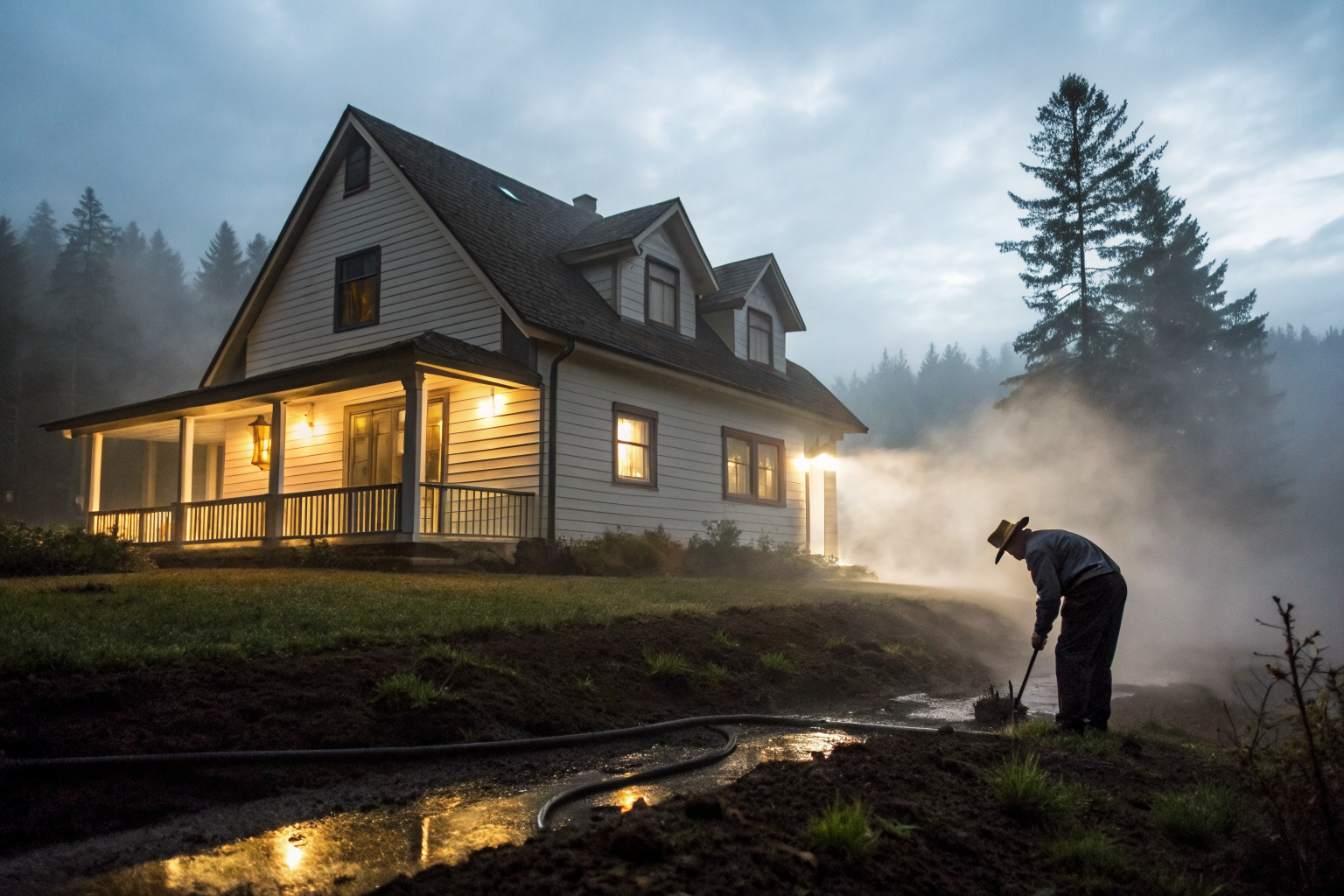
Septic System Grants and Loans: Financial Help for Repairs and Replacement
Septic system grants can slash your $18,000 replacement bill in half. Federal and state programs provide grants up to $15,000 plus low-interest loans for qualified homeowners.
Key Takeaways:
- USDA provides up to $7,500 in grants plus $40,000 in low-interest loans for septic replacement
- State assistance programs exist in 34 states with grants ranging from $2,000 to $15,000
- Income limits for federal programs cap at 50% of area median income for grants, 80% for loans
What Federal Grants and Loans Actually Cover for Septic Systems?

USDA Rural Housing Grant is a federal program providing financial assistance for septic system repairs and replacements. This means qualified rural homeowners can receive both grants and loans to cover the full cost of septic work without draining their savings.
The USDA Section 504 program covers complete septic system replacement, including septic tank removal and installation, drainfield construction, and connecting piping. Eligible work includes replacing failed conventional systems, upgrading to aerobic systems when required by local codes, and installing mound systems where soil conditions demand it.
Septic System Replacement Cost varies by location and system type, but the program caps assistance at $47,500 total per household. The grant portion covers up to $7,500, while low-interest loans fill the gap up to $40,000. Interest rates on loans stay fixed at 1% for qualified applicants.
Documentation requirements include proof of system failure from a licensed inspector, three contractor bids for the work, and income verification through tax returns. The property must serve as your primary residence, and you must own the home and land.
USDA Section 504 Grant Requirements: Do You Qualify?

Income qualification requirements determine USDA grant eligibility based on area median income and household size. The program targets very low-income homeowners in rural areas, with strict thresholds that vary by location.
| Household Size | 50% AMI (Grant Eligible) | 80% AMI (Loan Eligible) | Example Income Range |
|---|---|---|---|
| 1 person | $24,850 | $39,760 | $20,000-$35,000 |
| 2 people | $28,400 | $45,440 | $25,000-$40,000 |
| 3 people | $31,950 | $51,120 | $28,000-$45,000 |
| 4 people | $35,450 | $56,720 | $32,000-$50,000 |
| 5+ people | Add $3,550 per person | Add $5,680 per person | Varies by location |
Rural area requirements exclude most cities with populations over 35,000. Suburban areas within metropolitan statistical areas typically don’t qualify, but many small towns and unincorporated areas do. Check your address on the USDA eligibility map before applying.
Age and disability criteria can help applicants qualify for grants over loans. Homeowners 62 and older, or those with documented disabilities, get priority for grant funding even if their income falls in the loan-only range.
Property ownership must be clear, meaning no liens or title disputes. Mobile homes qualify if they’re permanently affixed to land you own, but rental properties and vacation homes don’t.
State-Level Septic System Assistance Programs by Region
State-level septic repair assistance varies by geographic location, with 34 states offering programs beyond federal USDA funding. These programs often have higher income limits and faster processing times than federal options.
| State | Program Name | Max Grant Amount | Income Limit | Special Requirements |
|---|---|---|---|---|
| Maine | Small Community Grant | $15,000 | 80% AMI | Coastal areas only |
| Massachusetts | Title 5 Loan Program | $25,000 loan | 150% AMI | Failed inspection required |
| Vermont | Water Quality Grant | $10,000 | 120% AMI | Environmental impact focus |
| North Carolina | Septic Repair Program | $8,000 | 80% AMI | Rural counties only |
| Texas | On-Site Sewage Program | $12,000 | 80% AMI | Water quality protection |
| California | OWTS Grant Program | $7,500 | 80% AMI | Failed system documentation |
Northeastern states lead in septic assistance due to older housing stock and environmental concerns. Maine’s program targets coastal properties where failed systems threaten water quality. Massachusetts requires Title 5 inspection failures before assistance, but offers larger loan amounts.
Southern states focus on rural areas with limited sewer access. North Carolina’s program serves 87 counties, while Texas targets areas near sensitive water bodies. Income limits generally run higher than federal programs, making middle-income homeowners eligible.
Western states tie assistance to environmental protection. California’s program requires documentation of groundwater or surface water threats from failed systems. Colorado and Montana offer assistance in areas with seasonal flooding that damages septic systems.
Application cycles vary by state. Some accept applications year-round while others have specific funding windows. Most require pre-approval before starting septic work, so apply before hiring contractors.
How Long Does the Application Process Actually Take?

Application process and timeline requires 90 to 180 days completion from initial submission to funding approval. The multi-step process involves inspections, income verification, and contractor selection.
Submit initial application with income documentation and property ownership proof. This takes 2-3 weeks for USDA to review and determine preliminary eligibility.
Schedule septic system inspection to document failure or code violations. Licensed inspectors must verify the system poses health or environmental risks. Inspection reports take 1-2 weeks to complete.
Obtain perc test results if drainfield replacement is needed. Perc Test determines soil absorption rates and affects system design requirements. Testing and engineering reports add 2-4 weeks to the timeline.
Collect three contractor bids for the proposed work. Bids must include identical scope and materials for fair comparison. Contractors need 1-2 weeks to prepare detailed estimates.
Submit complete application package with all supporting documents. USDA reviews applications in order received, taking 4-8 weeks for final approval.
Receive funding commitment letter and begin work. Contractors typically schedule septic installation 2-6 weeks after approval, depending on local permitting requirements.
Winter applications often face delays due to frozen ground preventing perc tests and excavation. Apply in spring or early summer for fastest processing. Emergency situations with health department orders can expedite approval to 30-45 days.
Does Homeowners Insurance Help Pay for Septic System Replacement?

Homeowner Insurance Septic Coverage excludes routine septic tank replacement and maintenance-related failures. Standard policies treat septic systems like other home maintenance items that homeowners must maintain at their own expense.
Covered scenarios include sudden damage from named perils like fire, lightning, or vehicle impact. If a tree falls and crushes your septic tank, insurance covers replacement. Flood damage to septic systems requires separate flood insurance, which many rural homeowners lack.
Backup coverage riders specifically address sewage backups into the home. These endorsements cost $50-150 annually and cover cleanup and repairs up to $10,000-25,000. The coverage applies when septic systems back up into basements or living areas, but not for outdoor system failures.
Documentation requirements for claims include proof of sudden onset, not gradual deterioration. Insurance adjusters look for evidence that damage occurred within a specific timeframe, not from years of neglect. Photos, contractor reports, and maintenance records help support claims.
Claim success rates for septic issues run low because most failures result from age and lack of maintenance. Only 12% of septic-related insurance claims get approved for full replacement costs. The remaining 88% involve partial coverage for specific damages or outright denials.
Septic Tank inspection records become crucial for insurance purposes. Regular pumping and maintenance documentation proves the system was properly cared for before any covered incident. Without maintenance records, insurers assume neglect caused the failure.