

Ohio Septic System Regulations: Sewage Treatment System Rules
Ohio septic system regulations changed completely in 2021, forcing homeowners into new inspection programs that vary by county and creating operation requirements most property owners don’t know exist.
Key Takeaways:
- Ohio Administrative Code 3701-29 replaced the old rules with mandatory operation and maintenance requirements that apply to all systems installed after July 1, 2021
- 88 Ohio counties now run their own point-of-sale inspection programs with different timelines, fees, and pass/fail criteria
- Perc tests in Ohio must now meet stricter soil evaluation standards that include seasonal high water table monitoring for 12 consecutive months
What Are Ohio’s OAC 3701-29 Standards and When Did They Change?

OAC 3701-29 is Ohio’s comprehensive sewage treatment system regulation that governs installation, operation, and maintenance of all on-site wastewater systems. This means every septic system in Ohio must comply with these technical standards for soil evaluation, system design, and ongoing maintenance requirements.
The Ohio State Health Department enacted these rules on July 1, 2021, replacing decades-old regulations that hadn’t kept pace with modern septic technology. Ohio Sewage Treatment Rules now mandate specific operation and maintenance protocols that didn’t exist before.
Systems installed before July 1, 2021 operate under grandfathered status for most requirements. You’re not forced to retrofit existing systems to meet new design standards. However, any major repairs, replacements, or alterations must comply with current OAC 3701-29 standards.
The new rules apply to conventional septic systems, aerobic treatment units, mound systems, and alternative treatment technologies. Each system type faces different technical requirements under the updated Ohio Sewage Treatment Rules.
Property owners with systems installed after the July 2021 deadline must follow mandatory inspection schedules and maintain detailed service records. The State Health Department can enforce these requirements through local health districts, which gained expanded authority to monitor compliance.
Alternative systems like aerobic treatment units face the strictest oversight. These systems require annual professional inspections and quarterly maintenance visits under OAC 3701-29 standards.
What Soil and Site Evaluation Requirements Must Your System Meet?
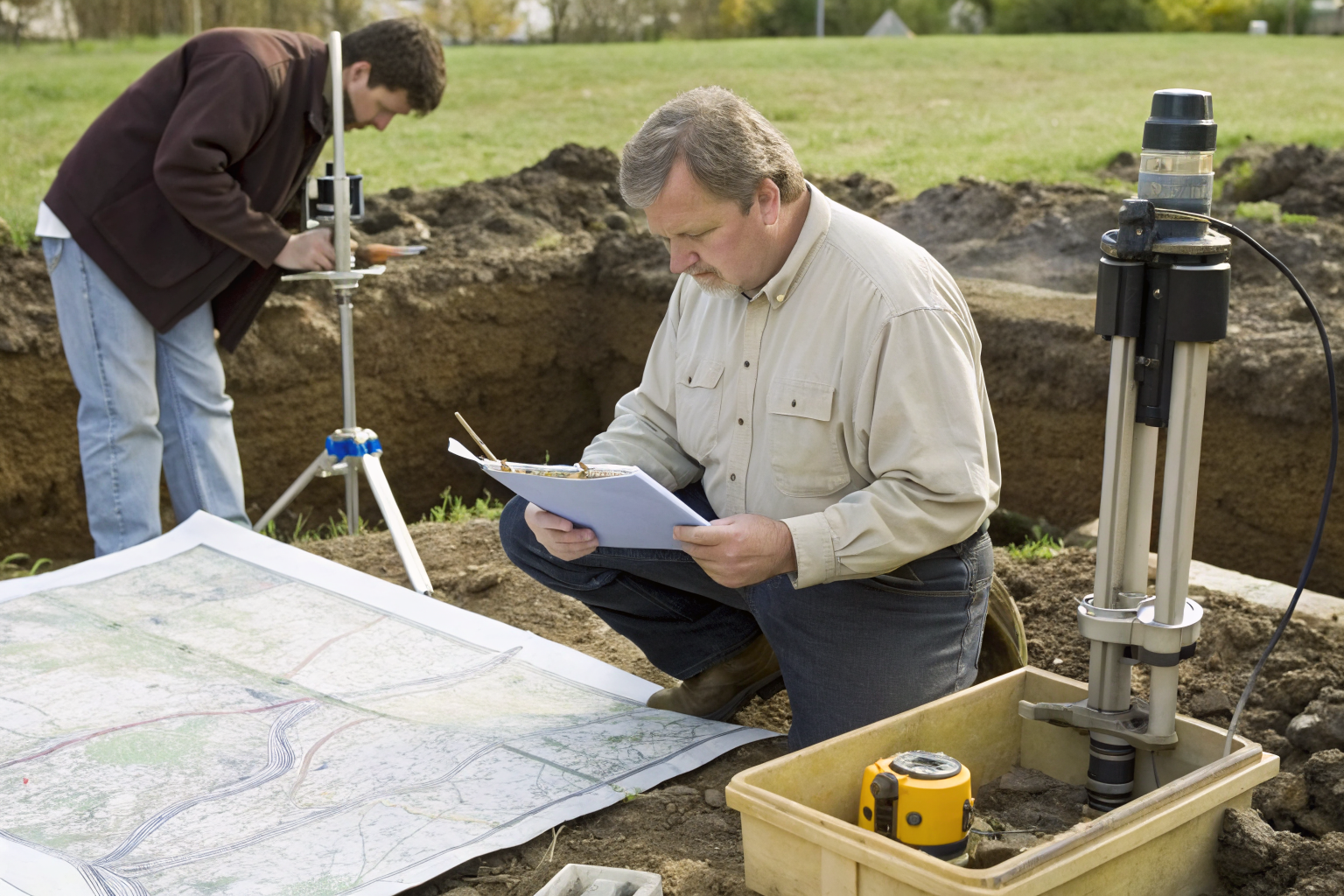
Ohio’s soil testing process determines whether your property can support a septic system and what type you need. Here’s how the evaluation works:
Hire a certified soil scientist or registered sanitarian to conduct the percolation test and soil profile analysis. Only state-certified professionals can perform these evaluations under OAC 3701-29.
Complete seasonal high water table monitoring for 12 consecutive months before system installation. This requirement replaced the old 60-day monitoring period and catches seasonal variations that affect system performance.
Conduct percolation tests at multiple depths within the proposed drainfield area. Tests must occur at 12-inch intervals down to the bottom of the proposed absorption area.
Maintain minimum setback distances of 100 feet from water wells, 50 feet from property lines, and 10 feet from buildings. These distances increase for alternative systems or poor soil conditions.
Document soil layers and textures through test pit excavation. The evaluation must identify restrictive layers, seasonal water tables, and bedrock depth.
Calculate hydraulic loading rates based on soil texture and structure. Sandy soils handle higher loading rates than clay soils under Ohio’s updated standards.
Perc Test results determine your system type. Soils with percolation rates faster than 1 inch per minute or slower than 120 minutes per inch require alternative system designs.
The 12-month monitoring period means you can’t install a system immediately after buying property. Plan for this timeline when purchasing rural Ohio land that needs septic installation.
Failed soil evaluations don’t automatically disqualify your property. Alternative systems like mound systems or aerobic treatment units can work on sites that fail conventional septic requirements.
How Do Ohio’s New Operation and Maintenance Requirements Actually Work?

Operation and maintenance requirements mandate specific homeowner responsibilities that vary by system type. Ohio Sewage Treatment Rules now require professional oversight for many systems that previously operated without regular maintenance.
| System Type | Inspection Frequency | Required Maintenance | Record Keeping | Professional Required |
|---|---|---|---|---|
| Conventional Septic | Every 3 years | Pumping as needed | Service records for 5 years | Licensed pumper only |
| Aerobic Treatment Unit | Annual inspection | Quarterly service visits | Monthly operational logs | Certified technician |
| Mound System | Every 2 years | Annual pump maintenance | Continuous monitoring logs | Licensed installer |
| Constructed Wetlands | Bi-annual inspection | Seasonal vegetation management | Water quality testing | Certified wetland specialist |
| Drip Irrigation | Annual inspection | Filter replacement quarterly | Flow monitoring records | Licensed installer |
Alternative systems require annual inspections compared to 3-year intervals for conventional systems. This creates ongoing costs most homeowners don’t expect when choosing advanced treatment technologies.
You must maintain service records for at least 5 years under OAC 3701-29. These records include pumping receipts, inspection reports, maintenance logs, and repair documentation. Health departments can request these records during compliance investigations.
Professional maintenance requirements mean you can’t perform most system work yourself. Licensed technicians must handle pumping, repairs, and inspections for all alternative systems.
Failure to maintain required records or skip mandatory inspections can result in enforcement action from local health departments. Penalties range from warning letters to system operation permits being revoked.
The operation and maintenance requirements apply only to systems installed after July 1, 2021. Existing systems face these requirements only when undergoing major repairs or replacements.
Which Ohio Counties Actually Require Point-of-Sale Septic Inspections?

Point-of-sale inspection programs vary significantly across Ohio’s 88 counties, creating a patchwork of requirements that confuse buyers and sellers. Transfer Inspection Requirement policies differ in timing, cost, and pass/fail criteria.
• Hamilton County requires septic inspections within 12 months of property sale, with fees ranging from $200-400 depending on system complexity and inspection depth required.
• Cuyahoga County mandates point-of-sale inspections for all properties with on-site wastewater systems, but allows 60 days after closing to complete the inspection and repairs.
• Franklin County requires inspections only for properties that haven’t been inspected within the previous 3 years, creating gaps in coverage for recently sold properties.
• Summit County operates the strictest program, requiring inspections before listing the property and prohibiting closing until systems pass or receive conditional approval with repair agreements.
• Butler County allows sellers to choose between pre-sale inspections or post-sale inspections with escrow arrangements for potential repairs.
• Warren County requires inspections within 30 days of closing but accepts previous inspection reports if completed within 12 months by certified inspectors.
Cost ranges vary from $150 in rural counties to $500 in urban areas with complex inspection requirements. Some counties charge additional fees for re-inspections after failed initial evaluations.
Failed inspections don’t automatically kill property sales. Most counties allow repair periods of 60-90 days or escrow arrangements where buyers and sellers split repair costs.
Counties without point-of-sale programs include many rural areas where septic systems operate under state oversight only. Check with your local health department to verify current requirements, as programs change frequently.
What Septic System Permits Do You Actually Need in Ohio?

Septic System Permit requirements depend on the work being performed and system complexity. The State Health Department delegates permit authority to local health districts, creating variations in fees and approval timelines.
| Permit Type | When Required | Typical Fee Range | Approval Timeline | Inspection Requirements |
|---|---|---|---|---|
| Installation Permit | New system installation | $300-500 | 30-60 days | Soil evaluation required |
| Repair Permit | Drainfield replacement or tank repairs | $150-300 | 14-30 days | As-built drawings required |
| Alteration Permit | System modifications or additions | $200-400 | 21-45 days | Engineering review may be required |
| Operating Permit | Alternative systems only | $100-200 annual | 30 days | Annual inspection required |
Installation permits require completed soil and site evaluations before application submission. The permit application process can’t begin until soil testing meets OAC 3701-29 standards.
Repair permits are required for any work that affects system capacity or design. Replacing a septic tank, adding distribution boxes, or expanding drainfield areas all trigger permit requirements.
Pump-outs, routine maintenance, and minor repairs like replacing effluent filters don’t require permits. However, major component replacements always need permit approval before work begins.
Permit fees range from $150-500 depending on system type and county. Alternative systems face higher fees due to additional engineering review and ongoing oversight requirements.
Approval timelines assume complete applications with all required documentation. Missing soil reports, incomplete site plans, or inadequate system sizing can extend approval periods by months.
Local health districts can impose additional requirements beyond state minimums. Some counties require engineering stamps, additional setbacks, or enhanced treatment for sensitive areas.
How Do Ohio’s Cold Climate Design Standards Compare to Other States?
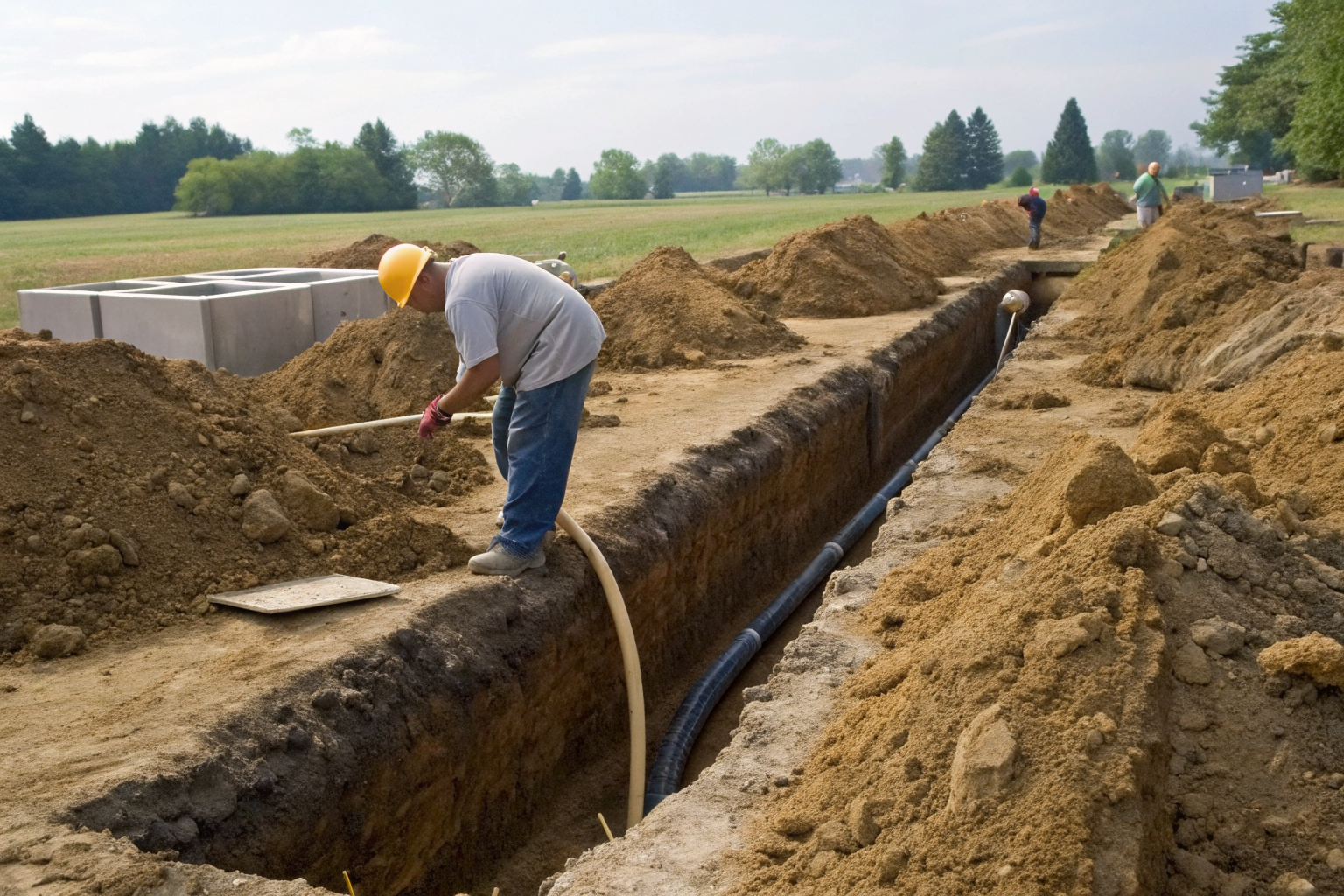
Cold Climate System Design addresses Ohio’s freeze protection requirements through specific burial depths and insulation standards that vary by geographic region. Ohio’s northern counties face stricter requirements than southern areas due to deeper frost penetration.
Ohio requires minimum 42-inch burial depth for distribution lines in northern counties, matching Minnesota SSTS Standards for similar climate zones. Southern Ohio counties can install distribution lines at 36-inch depths where soil conditions permit.
Insulation requirements focus on exposed components rather than buried piping. Pump chambers, control panels, and above-ground components must meet weatherization standards that protect electrical systems from temperature extremes.
Minnesota SSTS Standards require more extensive freeze protection measures, including insulated distribution boxes and sand-lined trenches in severe climate zones. Ohio’s standards are less restrictive but still address the primary failure points in cold weather operation.
System design modifications for northern Ohio counties include larger distribution boxes to prevent ice formation and sloped piping that drains completely between dosing cycles. These modifications add $500-1,000 to typical system installation costs.
Alternative systems face additional cold climate challenges. Aerobic treatment units require heated enclosures or underground installation to prevent freeze damage to mechanical components.
Ohio’s approach balances freeze protection with installation costs more effectively than Minnesota’s comprehensive but expensive requirements. Most Ohio systems operate successfully with basic depth requirements and proper installation techniques.