

Alabama Septic System Requirements: Permits and ADEM Rules
Alabama septic system requirements cover 30,000+ unpermitted straight-pipe discharges that dump raw sewage directly into streams — a problem the state targets through new enforcement and financial assistance programs.
Key Takeaways:
• ADEM Administrative Code Chapter 335-13 requires permits for all new septic systems, with installation permits costing $75-150 depending on system complexity
• Alabama’s straight-pipe elimination program offers 0% loans up to $20,000 for qualifying rural homeowners to replace illegal discharge systems
• County health officers oversee 90% of septic permitting decisions, creating significant variation in soil testing requirements and approval timelines across Alabama’s 67 counties
What Does ADEM Administrative Code Chapter 335-13 Actually Require?
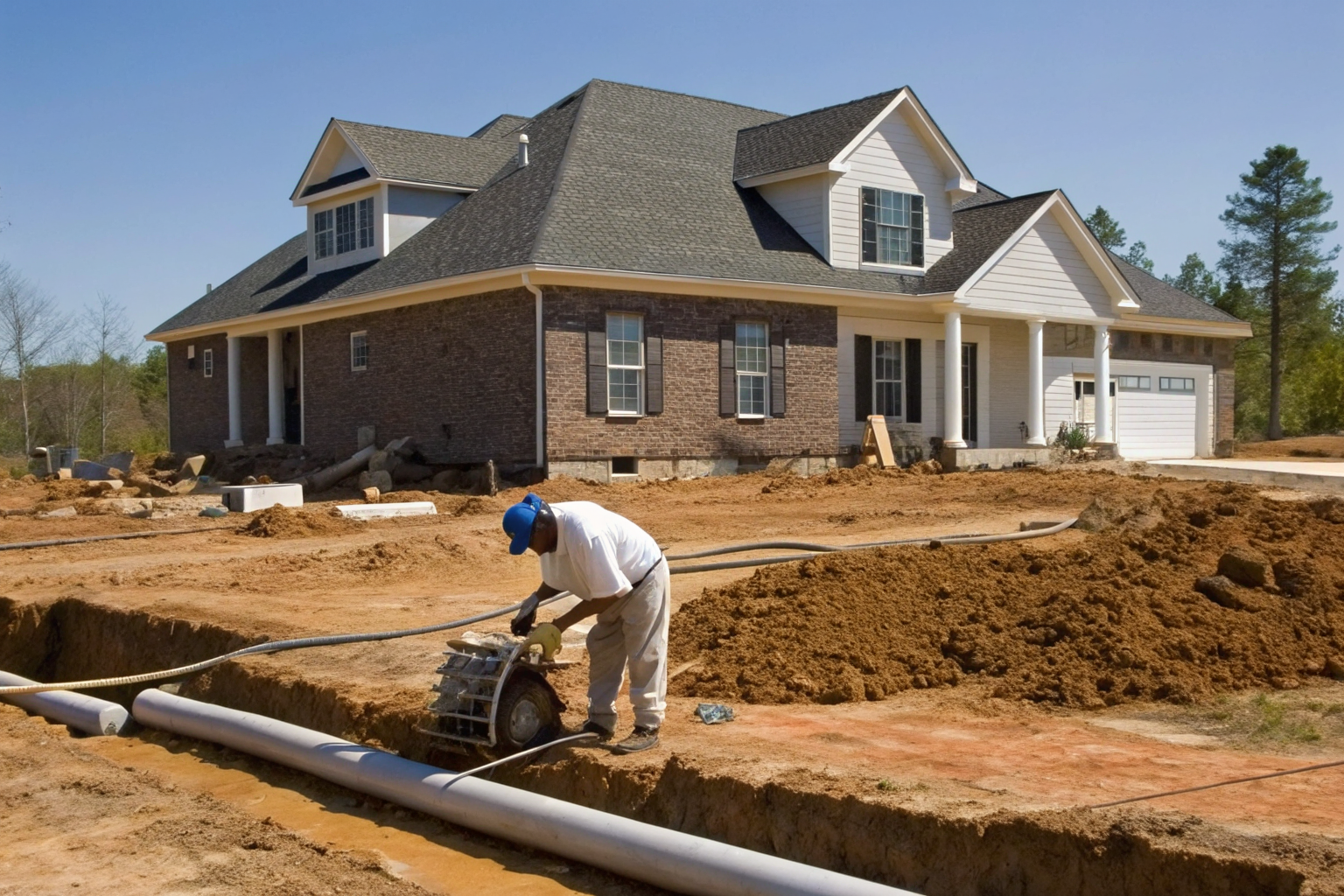
ADEM Administrative Code Chapter 335-13 is Alabama’s primary regulatory framework governing septic system installation, operation, and maintenance. This means every property owner planning to install or modify a septic system must comply with state-mandated permitting, soil testing, and design approval processes before breaking ground.
The Alabama Department of Environmental Management (ADEM) sets the baseline requirements, but delegates most permitting authority to county health officers. You must obtain permits for any new septic system, system replacement, or major modifications like adding bedrooms that increase wastewater flow.
Chapter 335-13 applies to all septic systems serving fewer than 20,000 gallons per day. Systems exceeding this threshold fall under different industrial wastewater regulations. The code requires soil percolation testing, system design approval, and installation inspections for most residential systems.
County health departments handle day-to-day permitting decisions. ADEM steps in only for appeals, enforcement actions, or complex systems requiring engineered solutions. This delegation creates variation in application timelines and specific requirements across Alabama’s 67 counties.
Alabama Septic Permit Costs: What You’ll Actually Pay by County

Alabama septic permit costs range from $75 to $400 depending on county and system type. Installation permits represent the largest fee category, with significant variation based on local administrative overhead and inspection requirements.
| County Type | Installation Permit | Soil Test Review | Inspection Fee | Total Cost Range |
|---|---|---|---|---|
| Rural Counties | $75-100 | $25-50 | $50-75 | $150-225 |
| Mid-Size Counties | $100-150 | $50-75 | $75-100 | $225-325 |
| Jefferson/Mobile | $150-200 | $75-100 | $100-150 | $325-450 |
| Complex Systems | $200-400 | $100-150 | $150-200 | $450-750 |
County health officer oversight creates this fee variation. Smaller rural counties charge lower fees because they process fewer applications and have lower administrative costs. Jefferson County charges premium rates due to higher staff costs and more complex review processes.
Complex systems requiring engineered designs face additional fees. Mound systems, pump systems, and high water table installations trigger engineering review fees of $100-300 on top of standard permit costs. Some counties require licensed installer certification, adding $200-500 to project costs.
Application fees are non-refundable, even if permits are denied. Budget 10-15% above quoted fees for potential re-inspection charges if initial installations fail compliance checks.
How Do Alabama Soil Percolation Requirements Actually Work?
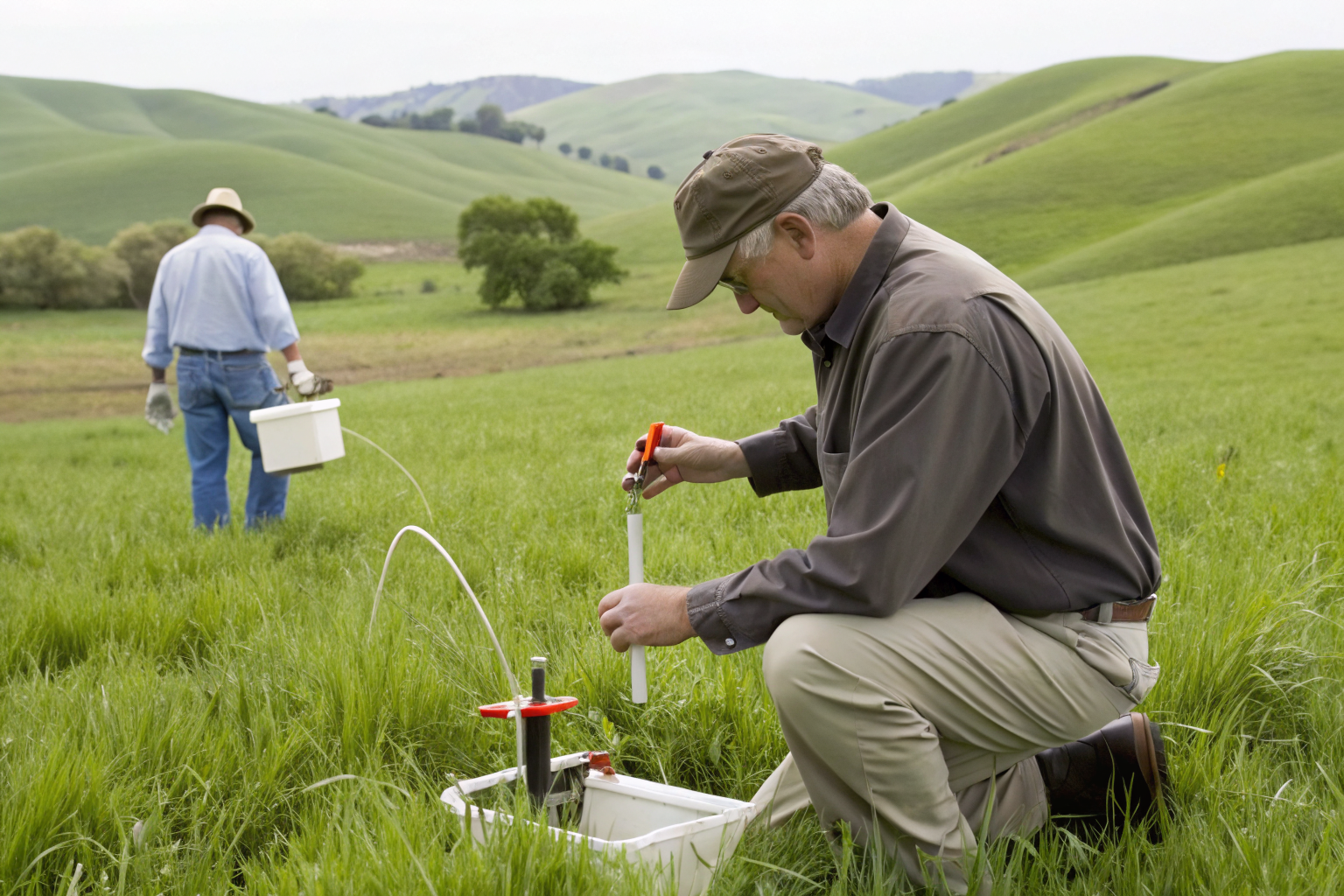
Alabama soil percolation requirements determine septic system design approval through standardized testing procedures that measure soil drainage rates. County health departments require these tests before issuing any septic permits.
Schedule the percolation test during appropriate weather conditions. Alabama prohibits perc testing during frozen soil conditions or within 24 hours of heavy rainfall exceeding one inch.
Dig test holes to the proposed drainfield depth plus 12 inches. Standard residential systems require holes 30-36 inches deep, spaced at least 10 feet apart across the proposed drainfield area.
Pre-soak test holes for 24 hours before conducting the actual percolation measurement. Fill holes with water to simulate saturated soil conditions that represent worst-case drainage scenarios.
Measure water drop rates over 30-minute intervals for 4 hours minimum. Record the time required for water level to drop one inch, with measurements taken every 30 minutes after the first hour.
Calculate the final percolation rate using the last three measurements. Average these readings to determine the official perc rate used for system design calculations.
Alabama requires minimum 60-minute percolation rate for conventional systems, with rates slower than 120 minutes requiring engineered solutions. Soil classifications range from sandy loam (10-30 minute percs) to heavy clay (180+ minute percs). Fast percs under 10 minutes also trigger alternative system requirements to prevent groundwater contamination.
What Authority Do County Health Officers Actually Have Over Your Septic System?
County health officers oversee septic system permitting and enforcement in Alabama through authority delegated from the State Health Department. Each of Alabama’s 67 counties operates semi-independently, creating significant variation in application processes and enforcement approaches.
County health officers can approve or deny permits based on soil conditions, lot size, setback requirements, and system design adequacy. They conduct required inspections, issue violation notices, and order system repairs or replacements when public health risks exist.
Enforcement varies dramatically by county resources and priorities. Rural counties often lack staff for proactive inspections, responding mainly to neighbor complaints or obvious failures. Urban counties like Jefferson and Madison conduct more systematic enforcement, including transfer inspections during property sales.
Only 12 Alabama counties require licensed installers for septic work. Others allow property owners to install their own systems after obtaining permits. This creates quality control issues that county health officers must address through post-installation inspections.
Appeals of county decisions go to ADEM’s Environmental Management Commission. The state reviews technical aspects of permit denials but rarely overturns local soil assessment decisions. Property owners facing permit denials often find success by hiring soil engineers to design alternative systems rather than appealing county decisions.
Alabama’s Straight-Pipe Elimination Programs: Financial Help for System Installation
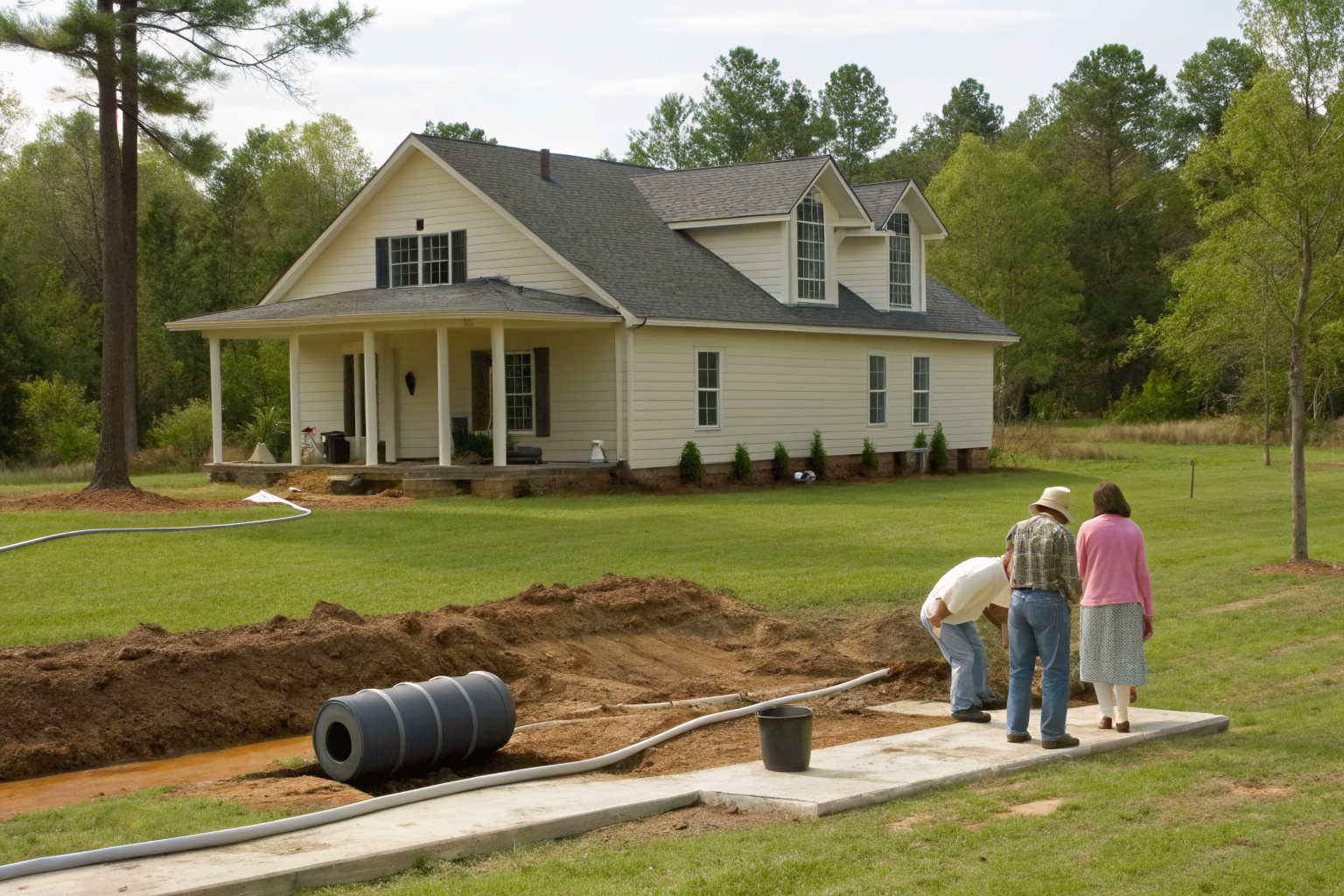
Alabama straight pipe elimination programs provide financial assistance for septic system replacement through federal funding targeting rural areas with illegal discharge systems. The state received $15 million in federal funding for straight-pipe elimination, targeting households earning less than 80% of area median income.
• Zero-percent loans up to $20,000 cover full system installation costs. Loan terms extend up to 20 years with no down payment required, making replacement affordable for low-income rural families.
• Grant funding covers 50-100% of costs for households below poverty guidelines. Families earning less than 50% of area median income qualify for full grant coverage without repayment obligations.
• Priority goes to systems discharging directly into streams or affecting public water supplies. Program administrators target the most environmentally damaging straight-pipe systems first, based on proximity to water sources.
• Technical assistance includes system design and contractor selection. Program staff help qualifying homeowners navigate permitting requirements and select appropriate contractors for installation work.
• Funding requires compliance with ADEM permit requirements and county health department approval. All replacement systems must meet current regulatory standards, including proper soil testing and design approval.
Application deadlines vary by funding cycles, typically running 6-12 month windows when federal dollars become available. Rural Development offices and county health departments maintain waiting lists during unfunded periods. Transfer inspection requirements often identify straight-pipe systems during property sales, triggering mandatory replacement before closing.
When Does Alabama Require High Water Table Septic Systems?
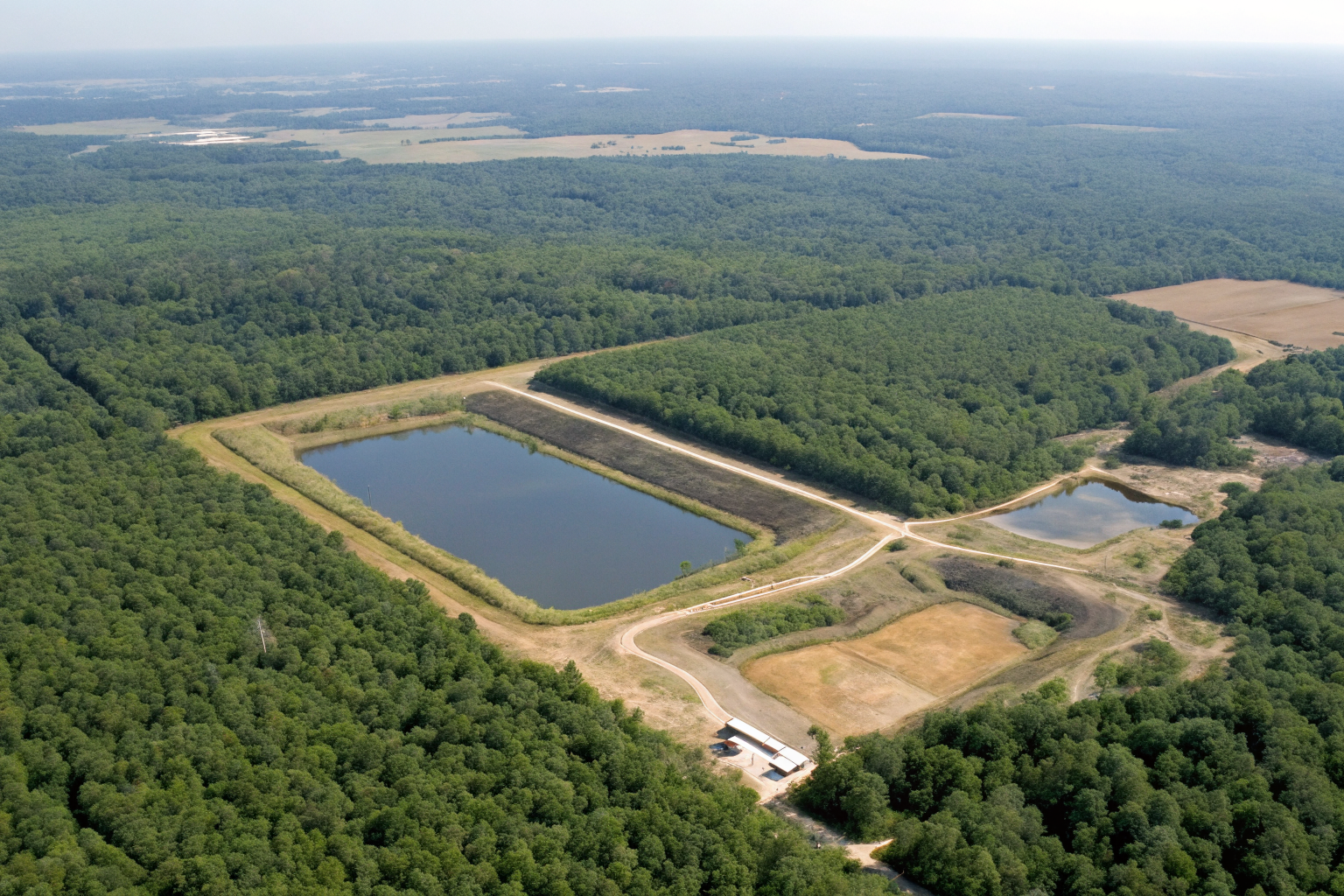
High water table conditions require specialized septic system designs in Alabama when seasonal groundwater levels interfere with conventional drainfield operation. Sites with seasonal high water table within 24 inches of surface require mound or pump systems, adding $3,000-8,000 to installation costs.
| Condition | Conventional System | Mound System | Pump System |
|---|---|---|---|
| High Water Table >24 inches | Allowed | Not Required | Not Required |
| High Water Table 12-24 inches | Prohibited | Required | Alternative Option |
| High Water Table <12 inches | Prohibited | Required | Required |
| Seasonal Flooding | Prohibited | Required | Required |
| Rock/Hardpan <36 inches | Prohibited | Required | Required |
Alabama defines high water table as groundwater within 36 inches of the soil surface during the wettest season of the year. County health officers determine water table levels through soil profile examinations looking for mottling, gleying, or other indicators of seasonal saturation.
Mound systems elevate the drainfield above natural soil grade using imported sand and gravel. These systems cost $8,000-15,000 compared to $3,000-6,000 for conventional systems. Pump systems use pressurized distribution to shallow drainfields, costing $6,000-12,000 but requiring ongoing electrical costs and maintenance.
Septic system design approval for high water table sites requires engineering analysis and specialized soil testing. Standard percolation tests don’t work in saturated soils, so engineers use different evaluation methods to determine soil suitability and system sizing requirements.