

Virginia Septic System Regulations: VDH Rules and Alternative Discharge Permits
Virginia septic system regulations under 12VAC5-613 control septic systems for 1.5 million homes, but Chesapeake Bay Act requirements add nutrient reduction mandates that most homeowners don’t know exist.
Key Takeaways:
• Virginia requires septic permits for all new installations and modifications under 12VAC5-613, with processing times averaging 14-21 days
• Properties in the Chesapeake Bay watershed face additional nutrient reduction requirements that can add $8,000-15,000 to system costs
• Virginia’s voluntary upgrade program provides up to $5,000 in financial assistance for replacing pre-1973 septic systems
What Makes Virginia’s 12VAC5-613 Septic Standards Different?
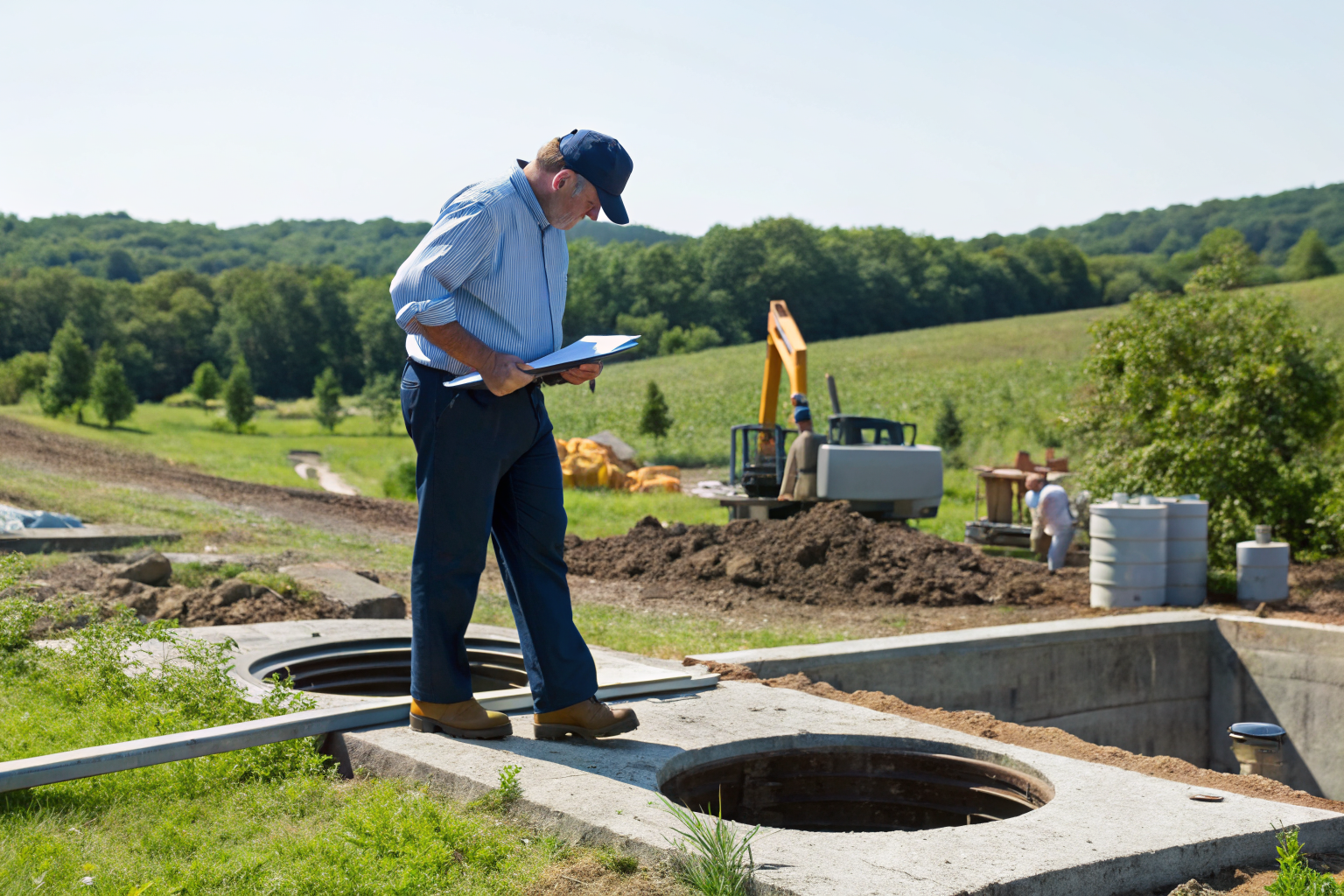
12VAC5-613 standards are Virginia’s comprehensive septic system regulations. This means every septic system in the state must meet these specific construction, operation, and maintenance requirements.
The State Health Department enforces these standards through 35 local health districts statewide. Each district handles permits, inspections, and compliance within their jurisdiction. Unlike states that delegate septic oversight to counties or municipalities, Virginia maintains centralized standards while allowing local implementation.
Virginia’s approach differs from neighboring states in three key areas. First, the state requires professional design for all alternative systems, not just complex installations. Second, Virginia mandates soil evaluations by certified professionals rather than allowing simplified percolation tests. Third, the regulations include specific performance standards for nutrient reduction that exceed federal minimums.
The 12VAC5-613 standards regulate system sizing based on actual wastewater flows rather than bedroom counts alone. You must calculate daily flow using fixture units and occupancy patterns. This method prevents undersized systems that plague other states using bedroom-only calculations.
Virginia also requires ongoing monitoring for alternative systems. Standard gravity systems need inspection every three to five years, but alternative systems face annual or biannual monitoring requirements. The State Health Department tracks compliance through a centralized database that connects all 35 districts.
Virginia Septic System Permit Requirements: What You Actually Need

Septic System Permit requirements vary by installation type and complexity. You’re required to obtain VDH approval before any septic work begins.
| Permit Type | Cost Range | Processing Time | Required Documentation |
|---|---|---|---|
| Construction (new system) | $300-500 | 14-21 days | Soil evaluation, site plan, system design |
| Operation (after installation) | $150-200 | 7-10 days | As-built drawings, installer certification |
| Modification (existing system) | $200-350 | 10-14 days | Current system assessment, modification plans |
| Alternative system | $400-600 | 21-30 days | Professional design, monitoring plan, performance bond |
Construction permits cost $300-500 depending on system type and local health district. Standard gravity systems fall at the lower end, while alternative systems requiring engineered designs cost more. You must submit a complete application including soil evaluation, site plan, and system design before processing begins.
Operation permits follow successful installation and inspection. The installer must provide as-built drawings showing actual pipe locations and depths. Any deviations from the approved construction permit require documentation and approval.
Modification permits apply when you alter existing systems. Adding bedrooms, installing garbage disposals, or changing system components all trigger permit requirements. The health district evaluates whether modifications exceed the original system’s capacity.
Alternative onsite sewage system permits require professional engineering design and ongoing monitoring plans. You must post a performance bond covering potential system failures. These permits take longest to process because they require additional technical review.
How Do Chesapeake Bay Act Requirements Affect Your Septic System?
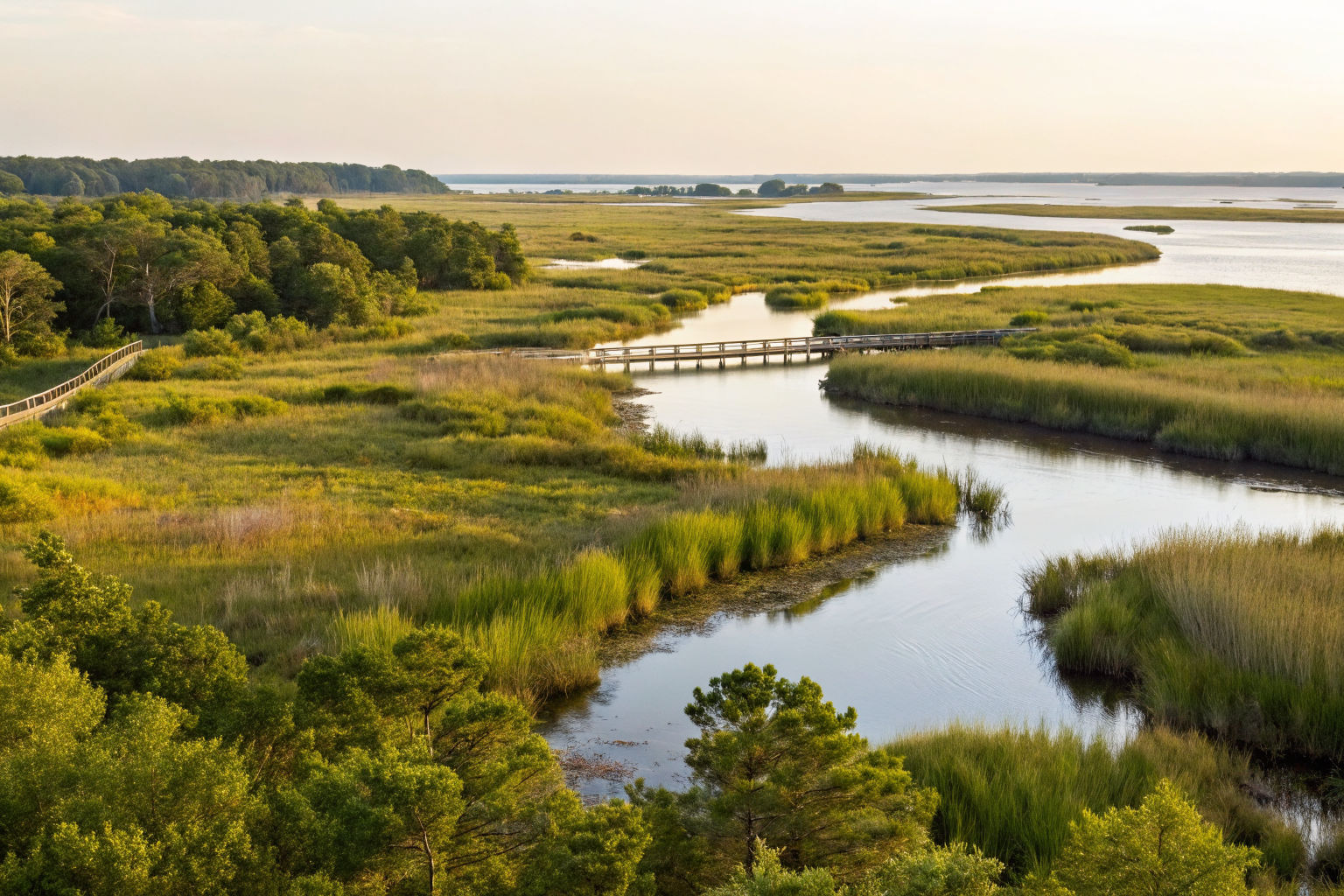
Chesapeake Bay Act requirements mandate nutrient reduction systems for properties in the Bay watershed. These requirements apply to 64% of Virginia land area including all of Northern Virginia.
The Bay Act covers any property where wastewater could eventually reach Chesapeake Bay tributaries. This includes most counties east of the Blue Ridge Mountains and several Shenandoah Valley counties. You can verify coverage using the Virginia Department of Environmental Quality’s online mapping tool.
Nitrogen reduction requirements depend on your system’s age and location. New installations in Bay Act areas must achieve 25% nitrogen reduction compared to conventional systems. Existing systems face upgrade requirements during major renovations or property transfers.
Approved technologies include enhanced denitrification systems, constructed wetlands, and advanced treatment units. Enhanced denitrification costs $8,000-12,000 more than conventional systems. Constructed wetlands require larger lot areas but cost less to operate long-term. Advanced treatment units provide highest reduction rates but need professional maintenance.
Cost implications vary by chosen technology and site conditions. Enhanced denitrification adds $8,000-15,000 to new system costs. Retrofit installations for existing systems cost more due to excavation complexity. The state provides some financial assistance through grant programs, but funding is limited.
Property owners in Bay Act areas must also consider ongoing maintenance costs. Enhanced systems require professional servicing every 6-12 months. Conventional systems need pumping every 3-5 years, but Bay Act systems may need more frequent attention to maintain nitrogen reduction performance.
What Alternative Discharge Permits Allow in Virginia
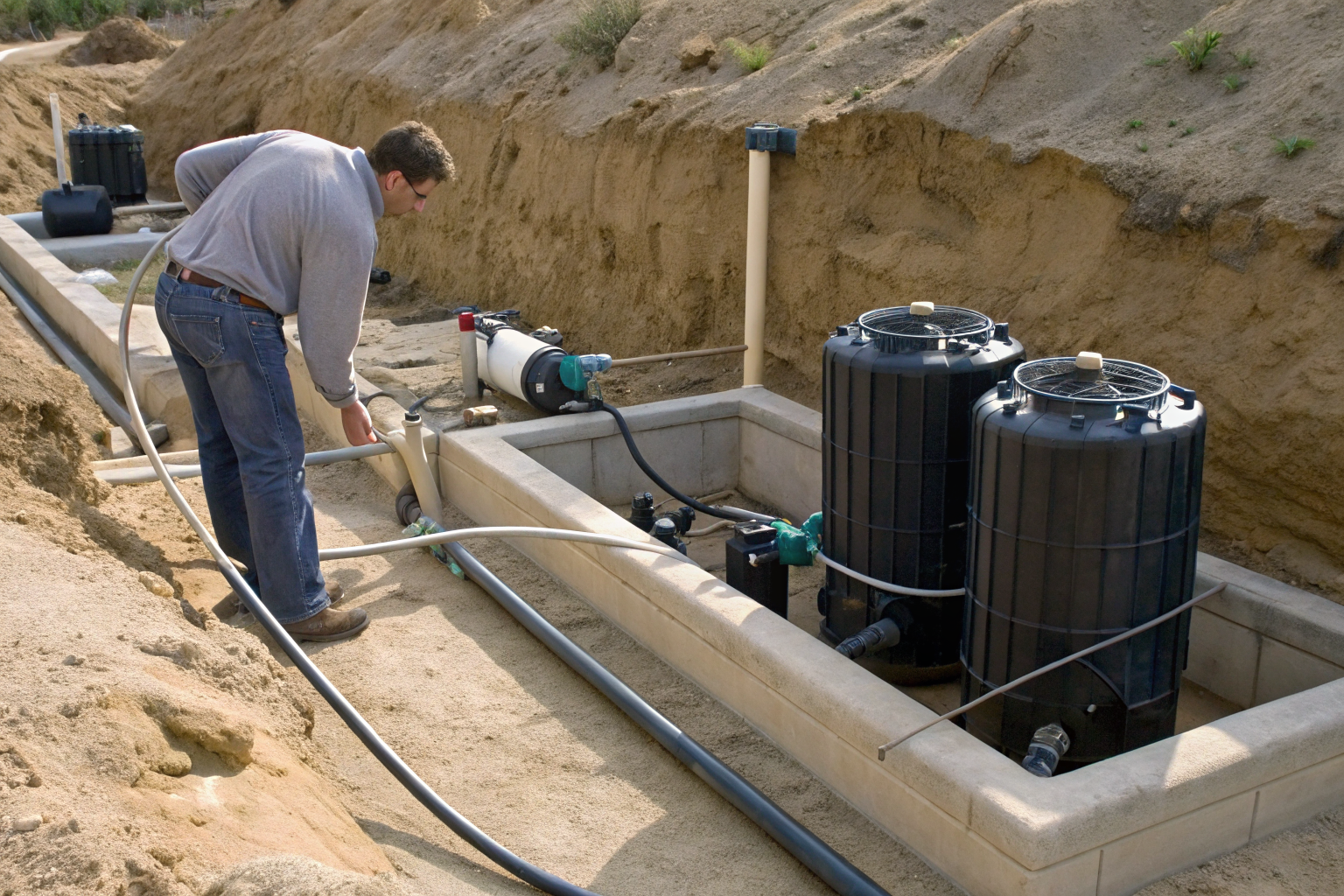
Alternative onsite sewage system permits authorize non-conventional discharge methods when standard systems won’t work. These permits address challenging site conditions that make conventional drainfields impossible.
High Water Table Systems use pump-assisted distribution and elevated sand filters to treat wastewater above seasonal high water tables. You need this permit when groundwater stays within 18 inches of the surface during wet seasons.
Steep Slope Systems employ pressure distribution and retaining structures on slopes exceeding 15% grade. The permit allows modified drainfield designs that prevent surfacing on hillsides.
Rock Outcrop Systems use imported soil and engineered fill when bedrock lies too close to the surface. You must demonstrate adequate soil depth and treatment capacity through specialized testing.
Small Lot Systems compress treatment areas using advanced technology when property size limits conventional drainfield placement. These permits often require enhanced treatment units and reduced hydraulic loading rates.
Repair Systems address failed conventional systems with alternative technologies when replacement drainfields won’t fit existing lot constraints. The permit process evaluates soil conditions and selects appropriate treatment methods.
Alternative systems require professional monitoring every 6 months for the first 2 years. After the initial monitoring period, inspection frequency drops to annual visits unless problems develop. You must maintain monitoring contracts with certified professionals throughout the system’s life.
Permit applications need engineered designs from licensed professionals. The design process includes specialized soil testing, groundwater monitoring, and hydraulic calculations. Processing takes 21-30 days compared to 14-21 days for conventional permits.
Virginia’s Voluntary Upgrade Program: Financial Help for System Replacement

Voluntary upgrade program provides financial assistance for replacing old septic systems with newer, more efficient models. The program targets systems installed before 1973 and provides up to $5,000 per household.
Check eligibility by verifying your system’s installation date through county records or septic pumping history. Systems installed before 1973 automatically qualify, while 1973-1990 systems may qualify based on condition assessment.
Submit application to your local health district with system age documentation, household income verification, and property ownership proof. Applications require soil evaluation and site assessment from certified professionals.
Schedule site evaluation within 30 days of application approval. Health district staff inspect existing systems and evaluate replacement options. The evaluation determines appropriate system types and estimated costs.
Select approved contractor from the health district’s certified installer list. You must use licensed installers familiar with program requirements and reporting procedures. The contractor handles permit applications and inspections.
Complete installation according to approved plans and current regulations. The new system must meet all 12VAC5-613 standards plus any additional Bay Act requirements for your location.
Receive reimbursement after final inspection approval. The program pays contractors directly or reimburses homeowners within 60 days of completion. Funding covers up to $5,000 of total system costs.
Eligibility requirements include household income limits and system age verification. Income limits vary by locality but generally target moderate-income homeowners. You must own and occupy the property as your primary residence.
How Do Virginia Setback Requirements Compare to Other States?
Drainfield Setback Distance requirements determine minimum separation between septic components and wells, buildings, or surface water. Virginia’s setbacks align with neighboring states for most features but exceed others for well protection.
| Feature | Virginia Distance | North Carolina Distance | Maryland Distance | Pennsylvania Distance |
|---|---|---|---|---|
| Private well | 100 feet | 75 feet | 100 feet | 100 feet |
| Public well | 200 feet | 100 feet | 200 feet | 200 feet |
| Property line | 10 feet | 15 feet | 20 feet | 10 feet |
| Dwelling | 20 feet | 25 feet | 25 feet | 20 feet |
| Surface water | 50 feet | 50 feet | 100 feet | 50 feet |
| Basement/crawl space | 20 feet | 25 feet | 25 feet | 20 feet |
Virginia requires 100-foot minimum setback from wells versus 75 feet in North Carolina and Maryland. This extra distance provides additional groundwater protection in areas with shallow aquifers or fractured rock geology.
Property line setbacks vary significantly between states. Virginia allows drainfields within 10 feet of property boundaries, while Maryland requires 20 feet. This difference affects lot development potential on smaller parcels.
Surface water setbacks range from 50-100 feet depending on the state. Maryland requires the largest buffer at 100 feet, while Virginia, North Carolina, and Pennsylvania use 50-foot minimums. Virginia may increase this distance near sensitive waters or public drinking supplies.
Virginia allows local health districts to increase setback requirements based on local conditions. Rocky or sandy soils may require larger setbacks to prevent groundwater contamination. High-density development areas often face stricter property line requirements.
Setback violations prevent permit approval and force system redesign. You can’t obtain variances for well setbacks due to public health concerns. Property line and building setbacks may qualify for minor reductions with engineering justification and neighbor consent.