

How to Choose a Septic Pumping Company: Red Flags and What to Expect
How to choose septic pumping company services correctly protects you from operators who charge $400 to pump your tank without measuring sludge levels. The wrong choice leaves you with the same problem and a lighter wallet.
Key Takeaways:
- Licensed septic pumpers carry $1 million general liability insurance — unlicensed operators offer cheaper rates but zero protection
- Proper pumping visits include sludge measurement, baffles inspection, and written documentation — visits under 45 minutes skip critical steps
- Companies that quote over the phone without tank access or push enzyme additives during service are exhibiting major red flags
What Licensing and Insurance Should Your Septic Pumping Company Actually Have?

Licensed Septic Installer certification comes from your State Health Department. This means contractors passed written exams, demonstrated field competency, and maintain continuing education requirements. Most states require $1 million general liability insurance for septic contractors.
But here’s what catches homeowners off guard. Some states license pumping companies separately from installation companies. Others bundle all septic work under one permit type. You need to verify which applies in your area.
| Credential Type | What to Verify | Where to Check |
|---|---|---|
| State License | Current status, expiration date | State health department website |
| General Liability | $1M minimum coverage | Request certificate from contractor |
| Workers’ Comp | Active policy if employees | Insurance carrier verification |
| Local Permits | Municipality requirements | City/county permit office |
Insurance matters more than most homeowners realize. An uninsured contractor who damages your drainfield pipes during pumping leaves you holding a $8,000 repair bill. Licensed operators carry bonds that cover property damage during service.
Septic System Permit requirements vary by location. Rural counties often accept state-level licensing. Urban areas add municipal permits and inspection requirements. The contractor should know which permits apply to your property without you telling them.
One thing I should mention: license lookup databases update monthly, not daily. A contractor whose license expired last week might still show as active online. Ask to see the physical license card when they arrive.
What Should Actually Happen During a Professional Septic Pumping Visit?
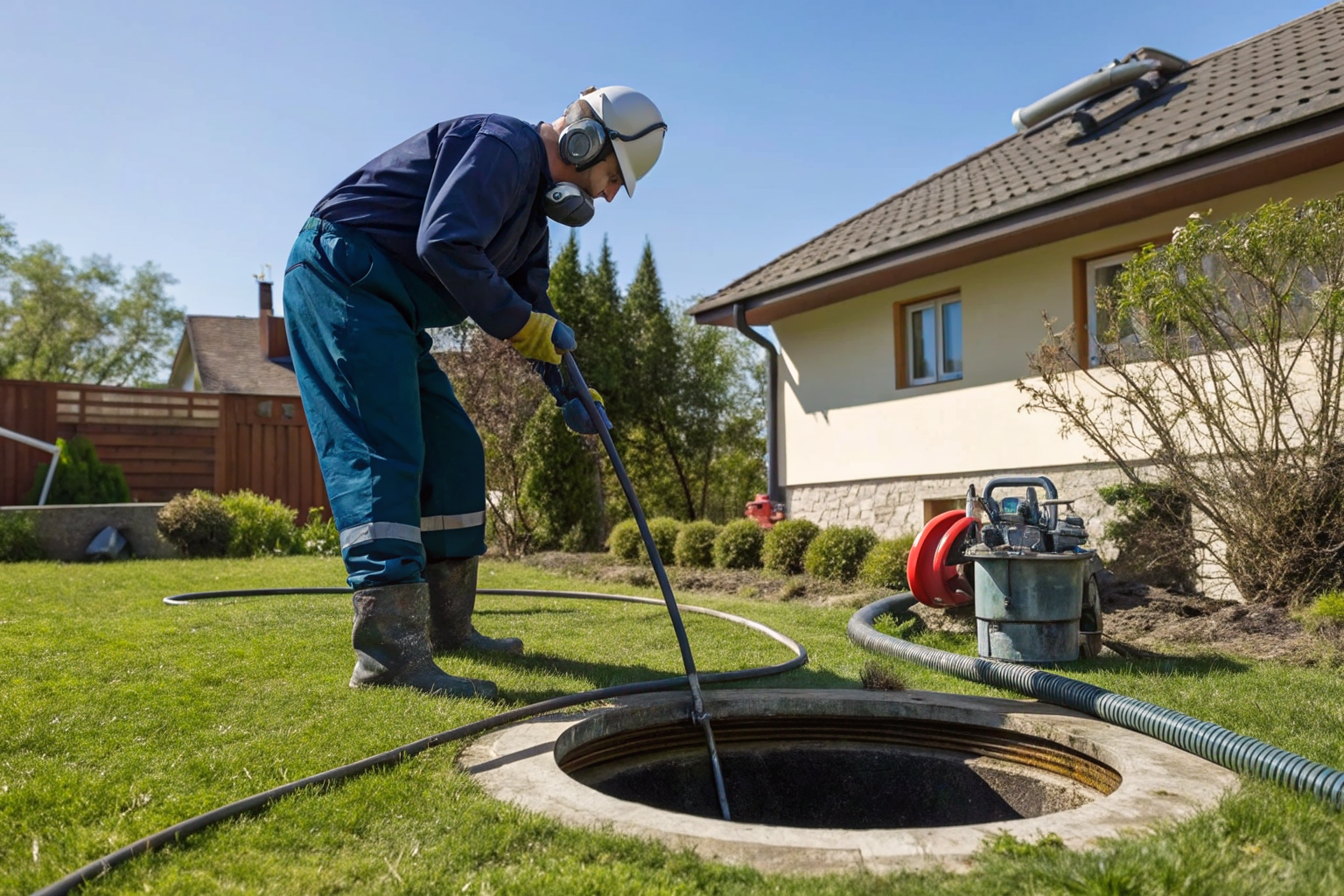
Pumping Company Evaluation includes measuring sludge levels before pumping begins. This determines if your tank actually needs service. Professional pumping visits require 45-90 minutes depending on tank size and access.
Here’s the legitimate pumping process:
- Locate and uncover access ports. The crew should find your tank without asking you where it is.
- Measure sludge and scum levels. They use a specialized measuring device, not visual estimation.
- Document current levels. Professional companies record measurements before pumping starts.
- Pump the tank completely. This includes breaking up bottom sludge with the hose.
- Inspect baffles and outlets. They check for cracks, missing pieces, or blockages.
- Test inlet and outlet flow. Water should move freely through the system.
- Backwash the tank. This removes residual debris from walls and bottom.
- Replace access covers securely. Loose covers create safety hazards and odor problems.
- Provide written documentation. You get a service report within 48 hours.
Septic System Inspector Qualifications matter because the person pumping your tank should spot problems. They’re trained to identify cracked baffles, failed outlets, and structural damage that leads to system failure.
Actually, this depends on your state’s requirements. Some states require inspector certification for all septic work. Others only require it for formal inspections during property transfers. But any contractor who can’t spot obvious problems isn’t worth hiring.
Companies that finish pumping in 20 minutes skipped critical steps. They didn’t measure sludge levels, inspect components, or document findings. You paid for pumping, not cleaning.
How Much Should Septic Pumping Cost and What Pricing Red Flags Should You Watch For?

National average septic pumping costs range from $200-400 for standard residential tanks. But pricing varies significantly based on tank size, access difficulty, and regional labor costs.
| Cost Factor | Price Impact | Example |
|---|---|---|
| Tank Size | $50-150 | 1,500 gallon vs 1,000 gallon |
| Access Difficulty | $75-200 | Digging required vs riser access |
| Distance from Truck | $25-100 | 100+ feet of hose needed |
| Additional Services | $50-300 | Baffle repair, filter cleaning |
Transfer Inspection Requirement pricing gets tricky. Some contractors bundle pumping with inspection services. Others charge separately. Get written quotes that break down each service.
Watch for these pricing red flags:
Companies that quote exact prices over the phone without seeing your tank are guessing. Legitimate contractors need to assess access, measure tank size, and check local permit requirements. These factors affect final costs.
Payment-in-advance demands signal problems. Professional companies bill after service completion. They don’t need your money before proving they can do the work.
Suspiciously low quotes often mean corners get cut. A $150 pumping quote in an area where legitimate companies charge $300 means someone isn’t carrying proper insurance or following regulations.
Hidden fees for “disposal” or “environmental charges” that weren’t mentioned during scheduling indicate poor business practices. Legitimate companies include all costs in their quoted price.
What Are the Biggest Red Flags That Your Septic Company Is Cutting Corners?
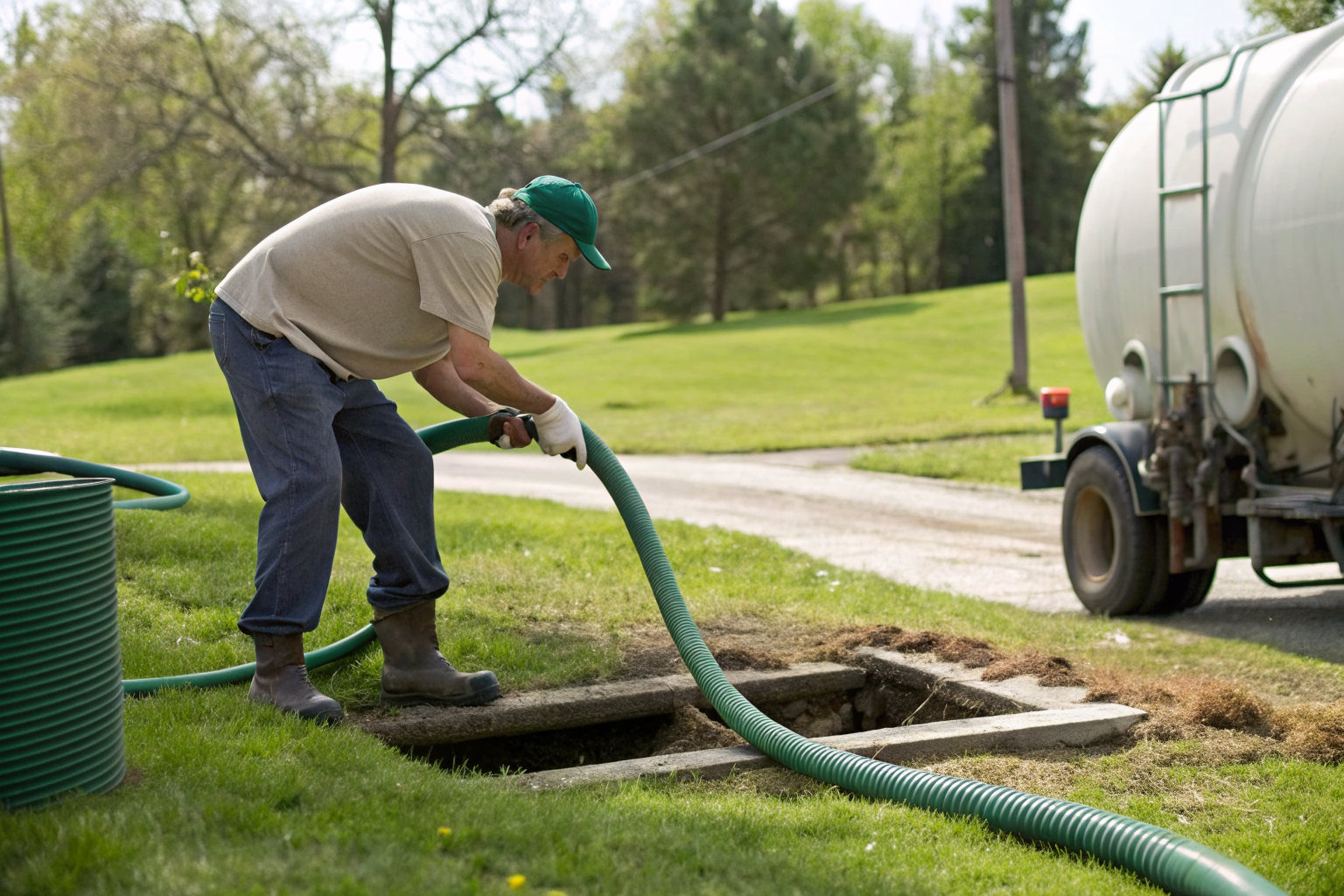
Pumping Company Evaluation identifies warning signs of companies that prioritize speed over quality. Companies that pump without measuring sludge levels miss 40% of tanks that don’t actually need pumping.
Watch for these corner-cutting behaviors:
No sludge measurement before pumping. Legitimate contractors always measure first. Companies that start pumping immediately are either incompetent or deliberately wasteful.
Aggressive additive sales during service. Professional contractors focus on mechanical solutions. Companies pushing enzymes or bacterial additives during pumping visits prioritize profit over proper maintenance.
Emergency-only scheduling availability. Contractors who only work emergency calls charge premium rates and rush through jobs. Quality companies maintain regular service schedules.
No written documentation provided. Professional services include detailed reports. Companies that pump and leave without paperwork can’t prove they completed proper procedures.
Poor vehicle and equipment condition. Legitimate contractors maintain clean, well-marked trucks with functioning equipment. Companies operating rusty trucks with makeshift repairs cut costs everywhere.
Pressure for immediate additional services. Contractors who discover “urgent” repairs during routine pumping often manufacture problems. Quality companies explain issues clearly and provide time for decision-making.
Septic System Inspector Qualifications matter because trained professionals spot actual problems without creating false urgency. They explain what they found, why it matters, and what timeline you’re working with.
One warning I should mention: companies that guarantee specific pumping intervals without knowing your household size or usage patterns are making promises they can’t keep. Pumping frequency depends on factors no contractor can assess during a single visit.
How Do You Verify a Septic Company’s Credentials Before They Arrive?

State Health Department databases maintain current licensing information for Licensed Septic Installer contractors. Most state health departments maintain online contractor license databases updated monthly.
Here’s the verification process:
Search your state’s contractor license database. Enter the company name or license number to verify current status.
Request insurance certificates directly from the contractor. Don’t accept photocopies or screenshots. Call the insurance company to verify active coverage.
Check Better Business Bureau ratings and complaint history. Look for patterns of unresolved customer disputes or recurring service problems.
Ask for recent customer references from your area. Quality contractors provide contact information for customers who had similar work completed.
Search local court records for judgments or liens. Companies with multiple legal disputes often have ongoing service quality issues.
Verify municipal permit requirements with local authorities. Some contractors operate legally at the state level but skip required local permits.
Septic System Permit verification matters because contractors who ignore permit requirements probably ignore other regulations. This creates liability issues if problems develop after their service.
Actually, this gets complicated in areas with multiple jurisdictions. Your property might fall under county regulations while the contractor operates under state licensing. Both agencies need to confirm the contractor can legally work on your property.
Database searches work differently in each state. Some maintain real-time updates. Others update monthly or quarterly. When in doubt, call the licensing agency directly to verify active status.
What Questions Should You Ask Before Hiring a Septic Pumping Company?

Septic Pumping Company Selection requires asking specific qualification questions that separate legitimate contractors from operators cutting corners. Professional septic companies provide written service reports within 48 hours of pumping.
Ask these essential questions:
“What specific steps are included in your pumping service?” Quality contractors explain sludge measurement, baffle inspection, and documentation procedures. Companies that can’t describe their process skip important steps.
“How do you determine if my tank actually needs pumping?” Professional contractors always measure sludge levels first. Companies that pump every tank regardless of need waste your money.
“What written documentation do you provide after service?” Legitimate companies provide detailed reports including measurements, observations, and recommendations. Companies offering no paperwork can’t prove they completed proper service.
“What warranties or guarantees do you offer on your work?” Quality contractors stand behind their service with clear warranty terms. Companies offering no guarantees signal potential quality issues.
“Are you available for emergency service, and what are your response times?” Professional companies maintain emergency availability for system failures. Contractors who only work business hours leave you stranded during urgent problems.
“What additional services might be recommended during pumping?” Experienced contractors know what problems commonly occur. Companies that can’t explain potential additional work lack proper training.
Septic System Inspector Qualifications become important when contractors identify problems during pumping. Ask about their training to assess structural issues, component failures, and code compliance problems.
One thing you should know: contractors who get defensive about these questions probably have something to hide. Quality companies welcome questions because they demonstrate professionalism and build customer confidence.