
Pennsylvania Septic System Regulations: Act 537 and Sewage Permits
Pennsylvania septic system regulations under Act 537 create the only state-level municipal planning requirement for sewage management in the US. Every township must plan for septic failures before they happen.
Key Takeaways:
• Act 537 requires all 2,562 Pennsylvania municipalities to have DEP-approved sewage facilities plans updated every 10 years
• Sewage Enforcement Officers (SEOs) must approve 100% of new septic installations and repairs in Pennsylvania
• 68% of Pennsylvania septic systems use sand mounds due to clay soil conditions, requiring specialized maintenance protocols
What Makes Pennsylvania Act 537 Different From Other State Septic Laws?
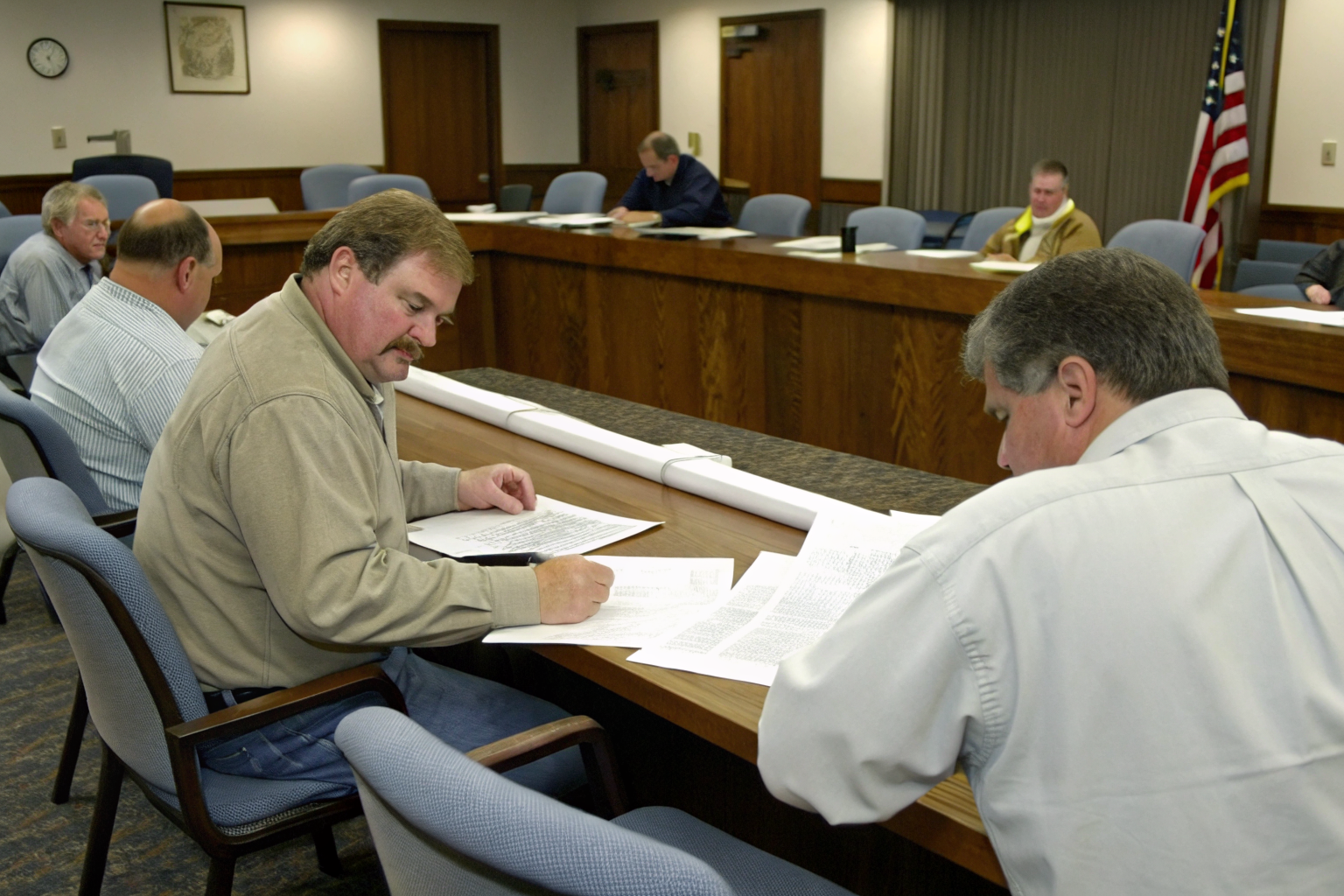
Act 537 is a municipal planning mandate that forces local governments to prepare for sewage failures. This means every township must maintain a DEP-approved plan showing how they’ll handle septic system breakdowns in their area.
Most states regulate septic systems through health departments that react to problems after they occur. Pennsylvania flipped this model in 1966 when Act 537 became law. The state requires proactive planning instead of reactive enforcement.
Act 537 mandates municipal sewage planning across all 2,562 Pennsylvania municipalities. Each township must update their sewage facilities plan every 10 years and submit it to the Department of Environmental Protection for approval. Plans must identify areas where septic systems are likely to fail and specify solutions before problems develop.
The law creates two regulatory layers. State environmental officials review municipal plans for technical adequacy. Local Sewage Enforcement Officers handle individual permits and inspections. This dual system makes Pennsylvania septic regulation more complex than states where a single agency handles everything.
Pennsylvania created this system because rapid suburban development in the 1960s overwhelmed local capacity to handle sewage problems. Act 537 forces municipalities to think ahead instead of scrambling to fix failures after they contaminate groundwater.
Who Actually Enforces Septic System Rules in Your Pennsylvania Township?
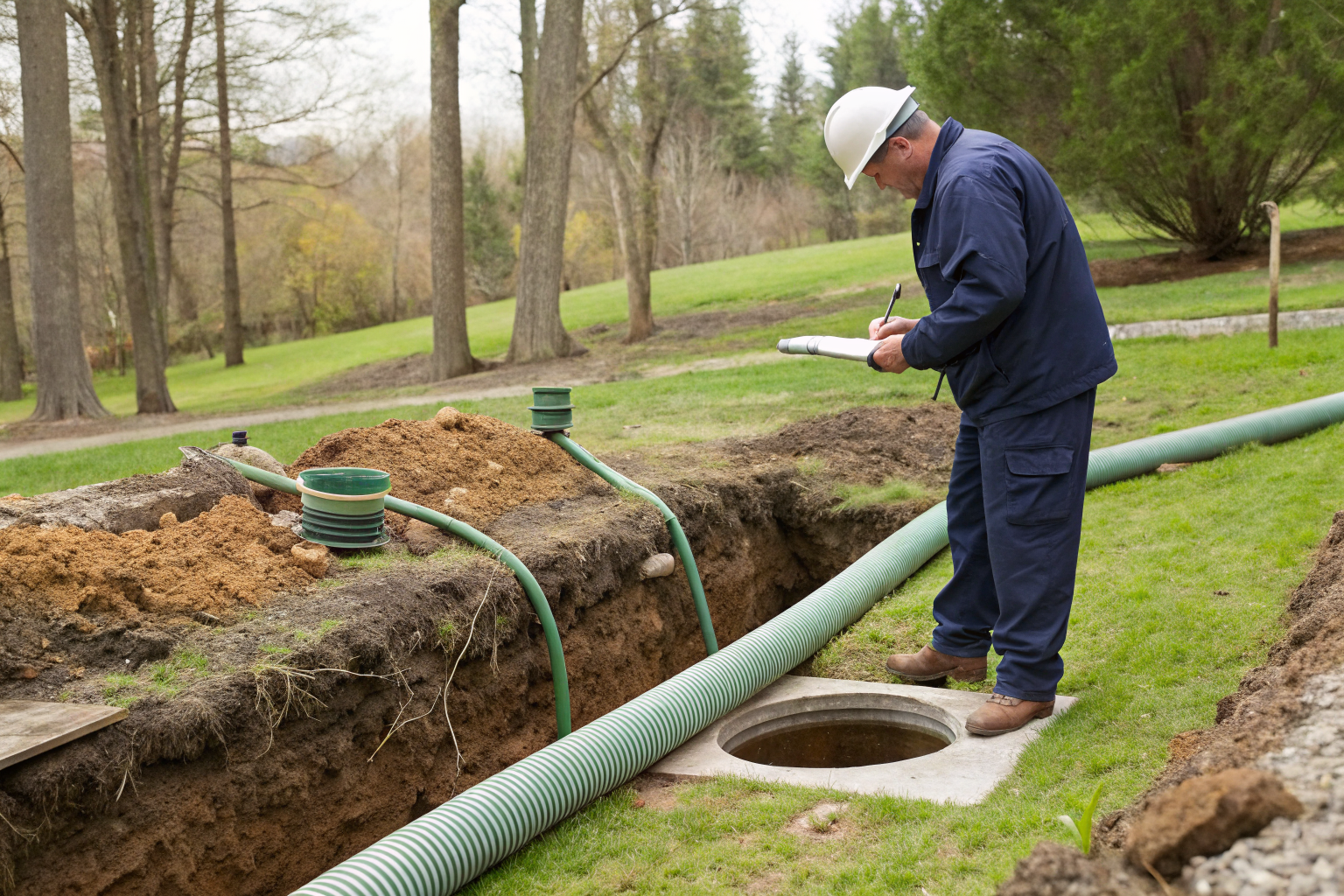
Sewage Enforcement Officers regulate septic permits in your municipality. These local officials inspect installations, approve repairs, and issue violations for code breaches.
SEOs differ from health inspectors because they focus exclusively on sewage systems. They must complete 40 hours of initial training through Penn State and maintain certification with 8 hours of continuing education annually. Most townships hire SEOs part-time or share officers with neighboring communities.
Your SEO has authority to approve or reject septic permits, conduct inspections, and issue enforcement orders. They cannot approve alternate system designs that require DEP experimental permits or handle appeals of their decisions.
The Department of Environmental Protection steps in when SEOs lack authority or expertise. DEP handles alternate system approvals, municipal plan reviews, and appeals of SEO decisions. DEP also takes over enforcement in townships without qualified SEOs.
SEO certification requires passing exams on soil science, hydraulics, and Pennsylvania septic regulations. Officers must understand perc testing procedures, system sizing calculations, and setback requirements. This training level exceeds general health inspector qualifications in most other states.
Pennsylvania Septic Permit Requirements: What You Need and When

Septic System Design Approval requires specific permit types based on your project scope. New installations need construction permits. Repairs need alteration permits. System replacements need both depending on the changes involved.
| Project Type | Permit Required | Typical Fee Range | Timeline | Engineer Required |
|---|---|---|---|---|
| New Installation | Construction Permit | $300-500 | 30-45 days | Yes, if >1,500 gpd |
| Pump Repairs | Alteration Permit | $150-250 | 10-15 days | No |
| Tank Replacement | Construction Permit | $250-400 | 20-30 days | Sometimes |
| Drainfield Repair | Alteration Permit | $200-350 | 15-25 days | For mound systems |
| System Upgrade | Both Permits | $400-650 | 45-60 days | Usually |
Permit fees vary by county because townships set their own rates within DEP guidelines. Rural counties typically charge less than suburban areas. Complex systems requiring engineer review add $100-200 to base fees.
You must submit soil testing results, site plans, and system specifications with every permit application. SEOs review applications for code compliance before issuing permits. Missing information delays approval and may require resubmission.
Construction must start within one year of permit approval or the permit expires. You need inspection approval before covering any underground components. Final inspection occurs after system completion and before occupancy approval.
Why Do 68% of Pennsylvania Homes Need Sand Mound Septic Systems?

Sand mound systems dominate Pennsylvania installations because clay soils prevent conventional drainfields from working properly. Clay soils cover 68% of Pennsylvania, requiring alternative system designs that can handle slow soil infiltration rates.
Pennsylvania sits on glacial deposits that created widespread clay formations. These soils fail standard perc tests because water moves too slowly through clay layers. Conventional systems would back up or create surface sewage flows in clay conditions.
Perc test failure rates reach 70-80% in central and western Pennsylvania counties. When soils perc slower than 60 minutes per inch, conventional systems cannot meet state infiltration requirements. Mound systems solve this by creating artificial soil layers above the clay.
Sand mound construction costs $15,000-25,000 compared to $8,000-12,000 for conventional systems. The price difference reflects specialized excavation, imported sand, and distribution system complexity. Mounds also require larger lot sizes to meet setback requirements.
Drainfield setback distance rules compound mound system challenges. Mounds must sit 100 feet from wells and 50 feet from property lines. These setbacks eliminate mound installation on smaller lots, forcing some homeowners to connect to municipal sewer systems instead.
How Do Pennsylvania’s Alternate Septic System Approvals Actually Work?

Alternate system approvals follow specific DEP protocols for experimental technology review. Here’s the step-by-step process:
Submit experimental permit application to DEP. Include manufacturer specifications, performance data, and proposed installation sites. DEP charges $500 for initial review.
Complete pilot testing requirements. Install test units at approved locations and monitor performance for minimum 12 months. Submit quarterly water quality reports to DEP.
Provide installation training documentation. Manufacturers must certify installers and submit training curricula to DEP. Only certified installers can work on experimental systems.
Pass DEP technical review. Agency engineers evaluate performance data, compare to conventional system standards, and assess long-term reliability predictions.
Receive conditional approval for limited installations. DEP approves systems for specific soil conditions or geographic areas. Approvals include monitoring requirements and performance standards.
Submit annual performance reports. Manufacturers must track installed systems and report failures or maintenance issues to DEP. Poor performance can revoke approvals.
DEP has approved 23 alternative system technologies since 1995. Most approvals target specific problems like high water tables or restricted soil conditions. Popular alternatives include constructed wetlands, drip irrigation systems, and advanced treatment units.
How Do Pennsylvania Rules Compare to Massachusetts Title 5 and Connecticut Standards?

Pennsylvania regulations differ from other state systems through municipal planning requirements that most states lack. This comparison shows key regulatory differences:
| Regulation Aspect | Pennsylvania Act 537 | Massachusetts Title 5 | Connecticut Technical Standards |
|---|---|---|---|
| Planning Requirement | Municipal plans required | State direct regulation | Regional planning optional |
| Transfer Inspections | Not required statewide | Required for all sales | Required for systems >20 years |
| Permit Fees | $150-500 local variation | $100 state standard | $200-400 municipal rates |
| Enforcement Agency | Local SEO + DEP backup | State health department | Municipal health departments |
| System Lifespan Rules | No replacement mandate | 30-year maximum lifespan | Inspection-based replacement |
Title 5 Massachusetts creates the strictest transfer inspection requirement among northeastern states. Every property sale triggers mandatory septic inspection regardless of system age or condition. Pennsylvania has no statewide transfer inspection requirement, though some municipalities adopt local rules.
Connecticut Technical Standards operate through municipal health departments similar to Pennsylvania SEOs. However, Connecticut lacks Act 537’s municipal planning overlay. Towns react to septic problems rather than planning for them.
Pennsylvania’s municipal planning approach prevents the regional sewage crises that hit other states. When septic systems fail in Massachusetts or Connecticut, towns scramble to find solutions. Pennsylvania townships already have DEP-approved plans ready for implementation.
The Transfer Inspection Requirement exists in 23 states but not Pennsylvania. This creates different real estate disclosure obligations. Pennsylvania sellers must provide septic system records but not current inspection reports unless municipal ordinances require them.