

New Jersey Septic System Requirements: NJAC 7:9A and What It Means for You
New Jersey septic system requirements involve three separate environmental protection programs layered on top of baseline rules. Most homeowners don’t know which program controls their property until they need a permit.
Key Takeaways:
• NJAC 7:9A sets baseline septic standards, but 40% of NJ properties fall under enhanced Highlands, Pinelands, or Coastal Zone rules
• Alteration permits cost $150-400 but can take 90+ days in enhanced protection areas vs 30 days elsewhere
• Properties in septic management districts face mandatory pump-out schedules and nitrogen reduction requirements that other areas don’t
What Is NJAC 7:9A and Who Actually Enforces Your Septic System?

NJAC 7:9A is New Jersey’s Administrative Code governing individual subsurface sewage disposal systems. This means every septic system in the state must meet these minimum design, installation, and maintenance standards.
The code contains 47 sections covering everything from soil testing to system abandonment. But here’s where it gets confusing: enforcement splits between the New Jersey Department of Environmental Protection and local health departments.
NJDEP handles permits for new systems and major alterations. Local health departments manage routine inspections, maintenance violations, and system failures. You deal with both agencies depending on what you need.
State rules apply when you’re installing a new system, replacing a failed drainfield, or adding bedrooms that increase flow rates. Local health departments take over for pump-outs, repairs, and compliance monitoring.
The State Health Department maintains oversight authority over local enforcement, but rarely intervenes unless a municipality fails to address contamination issues. Most homeowners only interact with their county or municipal health office.
Which Environmental Protection Zone Controls Your Septic System?
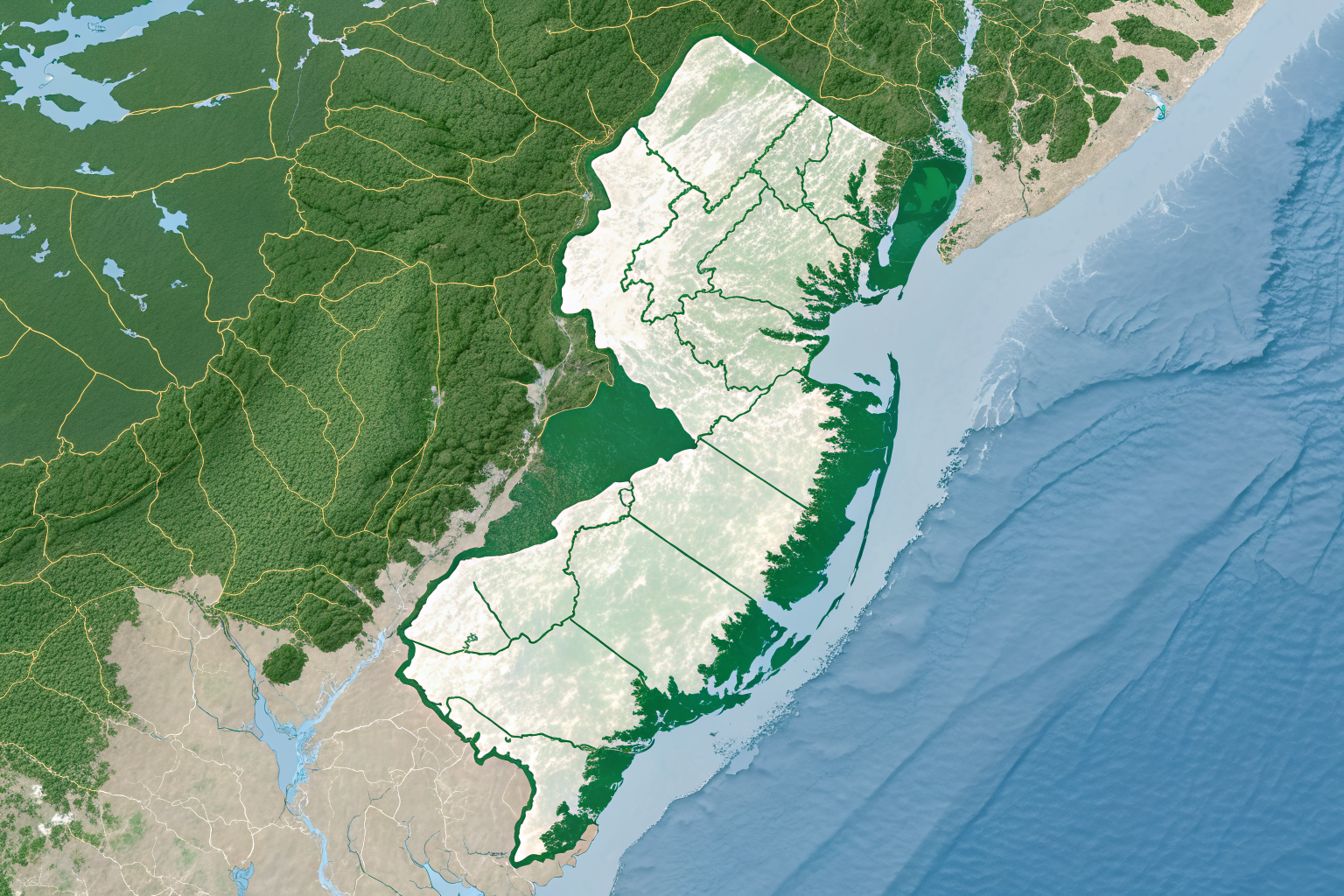
Environmental zones determine which septic requirements apply to your property. New Jersey overlaid three protection programs on top of baseline NJAC 7:9A rules.
The Highlands region covers 1.4 million acres across 88 municipalities in 7 counties. Pinelands protection extends across portions of seven counties in southern New Jersey. Coastal Zone management affects properties within 150 feet of tidal waters.
Each zone adds requirements beyond state minimums:
| Protection Zone | Enhanced Requirements | Drainfield Setback Distance | Permit Timeline |
|---|---|---|---|
| Highlands | 150-foot well setbacks, nitrogen reduction | 200 feet from streams | 90+ days |
| Pinelands | Nitrate dilution areas, cluster restrictions | 300 feet from wetlands | 60-90 days |
| Coastal Zone | Flood-resistant design, saltwater intrusion protection | 100 feet from mean high tide | 45-60 days |
| Baseline NJAC 7:9A | Standard soil testing, conventional design | 100 feet from wells | 30 days |
You can’t choose which rules apply. Your property’s location determines whether enhanced protection requirements control your septic system.
Highlands properties face the strictest nitrogen limits. Pinelands areas restrict system density to protect groundwater. Coastal properties must handle saltwater and flooding concerns.
When Do You Need an Alteration Permit in New Jersey?

Septic alterations require NJDEP permits before you start work. An alteration means any change that affects system capacity, location, or treatment level.
Here’s the permit application process:
Determine if your project qualifies as an alteration. Adding bedrooms, replacing drainfields, or installing advanced treatment units require permits. Simple repairs like pump replacements don’t.
Hire a licensed engineer to prepare permit applications. NJDEP won’t accept homeowner-submitted plans for alterations.
Submit application with soil testing results. You need current percolation tests and soil evaluations even for system replacements.
Pay the permit fee based on system type. Alteration permits cost $150 for individual systems serving one home, $400 for community systems serving 4+ homes.
Wait for NJDEP review and approval. Standard properties get decisions within 30 days. Enhanced protection areas take 60-90 days or longer.
Schedule inspections during construction. You must call for inspections at excavation, installation, and backfill stages.
Skipping the permit process triggers enforcement action. NJDEP can issue stop-work orders and require system removal if you proceed without approval.
What Are New Jersey’s Septic Management District Requirements?
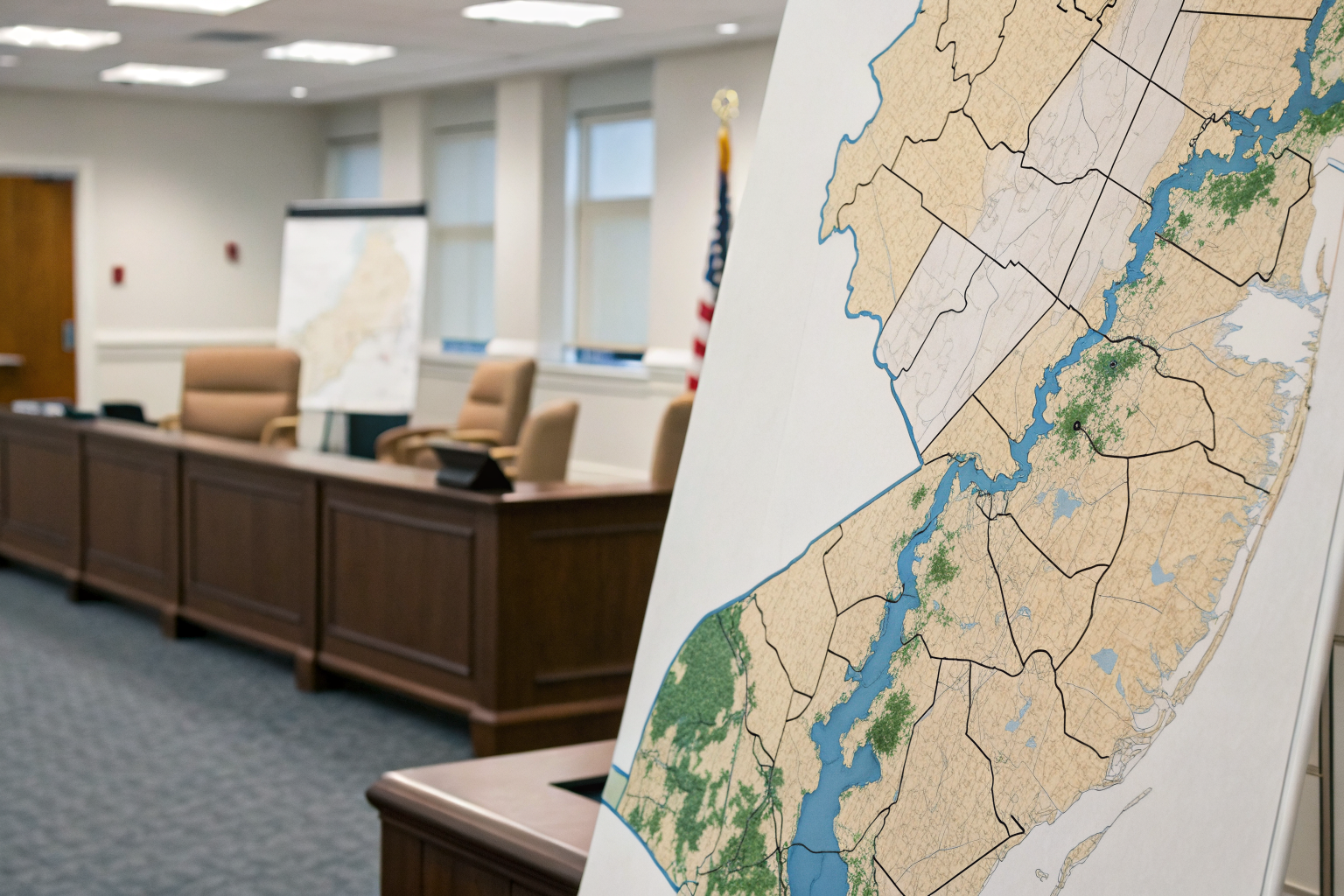
Management districts enforce mandatory maintenance programs beyond standard state requirements. These districts operate in areas with documented groundwater contamination or sensitive environmental features.
Currently active requirements include:
• Mandatory pump-out schedules – Burlington County requires septic pumping every 3 years in designated nitrate dilution areas, compared to the state’s general 3-5 year recommendation
• Nitrogen reduction mandates – Properties in Highlands preservation areas must install denitrification systems when replacing failed septic systems
• Enhanced inspection protocols – Some districts require annual inspections instead of the standard complaint-driven approach
• Transfer inspection requirements – Property sales trigger mandatory septic inspections in designated management areas, with repairs required before closing
Burlington, Ocean, and portions of Morris counties currently operate active management districts. Other counties can establish districts if groundwater monitoring shows contamination trends.
You’re notified by mail if your property falls within a management district. The notice explains specific requirements and compliance deadlines. Ignoring management district rules triggers fines starting at $500 per violation.
How Do New Jersey’s Rules Compare to Neighboring States?

New Jersey requirements differ from neighboring state standards through the environmental overlay approach. Other states use single-tier regulation systems.
Here’s how the states compare:
| State | Regulatory Structure | Permit Authority | Transfer Requirements |
|---|---|---|---|
| New Jersey | Baseline + environmental overlays | Split state/local enforcement | Management district areas only |
| Connecticut Technical Standards | Single-tier state rules | Local health departments | None statewide |
| New York Appendix 75-A | County-by-county variation | County health departments | Individual county discretion |
| Title 5 Massachusetts | Uniform state standards | Local boards of health | Mandatory for all property sales |
Connecticut Technical Standards create consistent rules statewide, but offer fewer environmental protections than New Jersey’s enhanced zones. New York’s Appendix 75-A allows significant county-by-county variation in requirements and enforcement.
Title 5 Massachusetts mandates septic inspections for every property sale, unlike New Jersey’s selective approach through management districts. But Massachusetts lacks New Jersey’s nitrogen reduction requirements in sensitive watersheds.
New Jersey is the only state requiring 150-foot setbacks from public wells in Highlands protection areas. This creates installation challenges but provides stronger groundwater protection than neighboring states offer.