
Septic Tank Backing Up: Emergency Steps and Long-Term Fixes
Septic tank backing up creates an immediate health emergency that demands split-second decisions. Raw sewage in your home spreads dangerous pathogens while every gallon of additional wastewater worsens the contamination.
Key Takeaways:
• Stop all water use within 5 minutes to prevent additional sewage from entering your home
• Emergency septic pumping costs $300-800 but prevents $10,000+ in structural damage and contamination cleanup
• Document everything immediately for insurance claims — 60% of homeowner policies cover sudden sewage backup damage
What Do You Do in the First 15 Minutes of a Septic Backup?

Every second counts when sewage backup occurs. The homeowner stops water usage immediately to prevent catastrophic damage.
Shut off the main water supply. Turn the valve clockwise until tight — this prevents additional sewage from flowing into your house within the critical first 5 minutes.
Evacuate all family members from affected areas. Raw sewage contains deadly bacteria that become airborne, so get everyone to clean areas of the house immediately.
Turn off electricity to flooded areas at the breaker box. Water and electricity kill, and sewage backup often reaches electrical outlets on ground floors.
Call emergency septic pumping services. Tell them “sewage backup emergency” — not “septic pumping” — to get priority response within 2-4 hours instead of next-day service.
Block access to contaminated areas. Use plastic sheeting or towels to seal doorways and prevent sewage odors from spreading through your HVAC system.
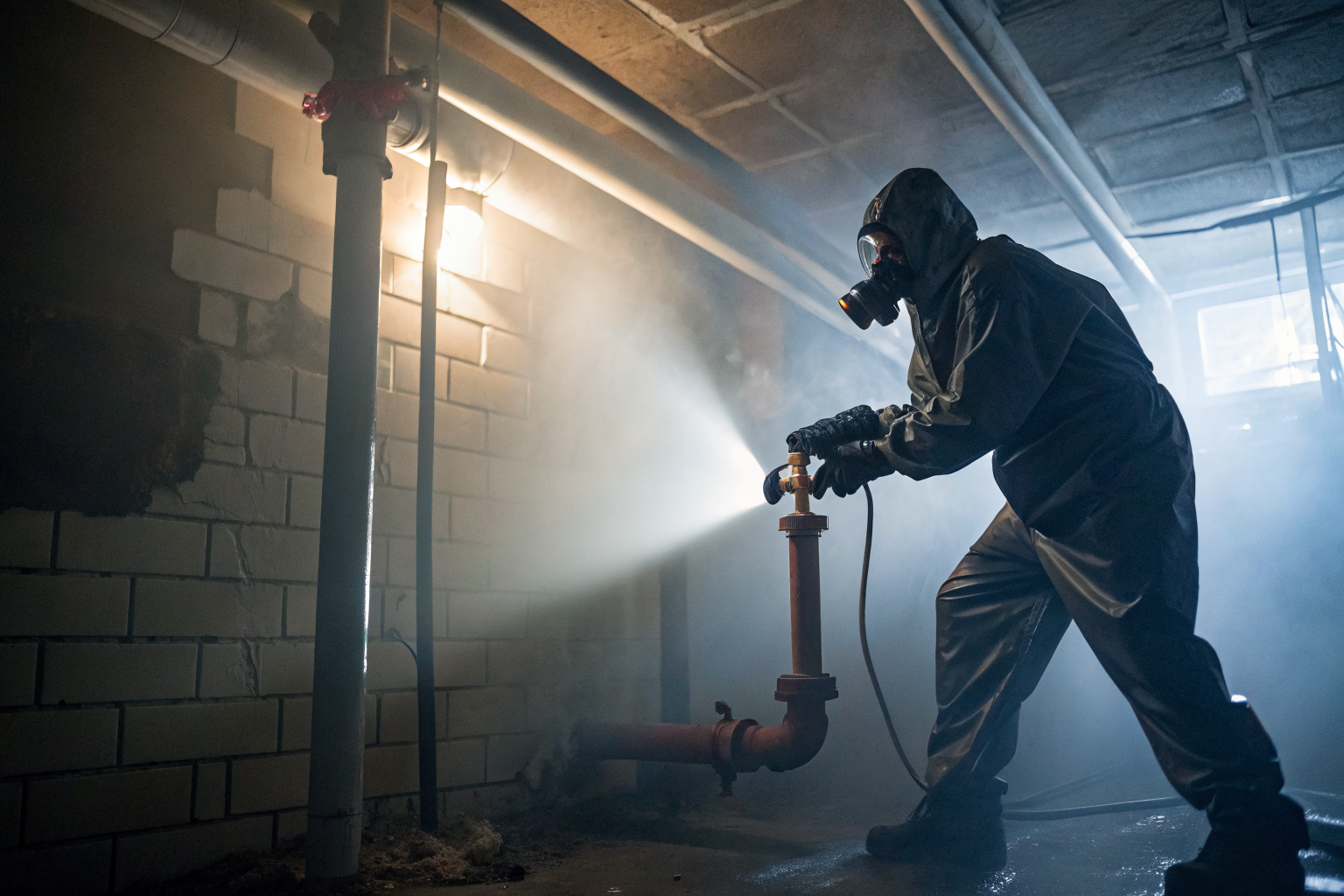
Put on protective gear before entering affected areas. Rubber gloves, boots, and N95 masks prevent direct contact with dangerous pathogens in raw sewage.
The septic tank backing up means your system has failed catastrophically. Don’t try to use toilets, run water, or “flush it through” — you’ll make the backup worse and spread contamination further through your house.
How Do You Protect Your Family From Raw Sewage Health Hazards?

Raw sewage contains dangerous pathogens that cause illness within hours of exposure. Sewage backup creates airborne contamination that spreads beyond the visible mess.
• Immediate evacuation prevents respiratory exposure. Raw sewage contains over 120 different viruses that cause illness within 6-72 hours of exposure, including hepatitis A, E. coli, and salmonella that become airborne through splashing and evaporation.
• Full protective equipment is non-negotiable. Wear rubber boots, waterproof gloves extending to your elbows, eye protection, and N95 or P100 respirator masks — regular dust masks won’t block sewage pathogens.
• Decontamination protocol after any exposure. Shower immediately with antibacterial soap, wash all clothing in hot water with bleach, and disinfect all tools or equipment that contacted sewage with 10% bleach solution.
• Medical attention for direct contact or symptoms. Seek immediate medical care if anyone contacts raw sewage directly or develops nausea, diarrhea, fever, or respiratory symptoms within 72 hours — these indicate potentially serious infection.
• Pet and livestock protection matters too. Keep animals away from contaminated areas and provide clean water sources — pets lap up contaminated water and track sewage throughout the house on their paws.
Septic system odor accompanying the backup indicates hydrogen sulfide and methane gases that displace oxygen in enclosed spaces. Open windows and use fans to ventilate affected areas, but don’t enter without proper respiratory protection.
Emergency Septic Pumping: What Happens and What It Costs
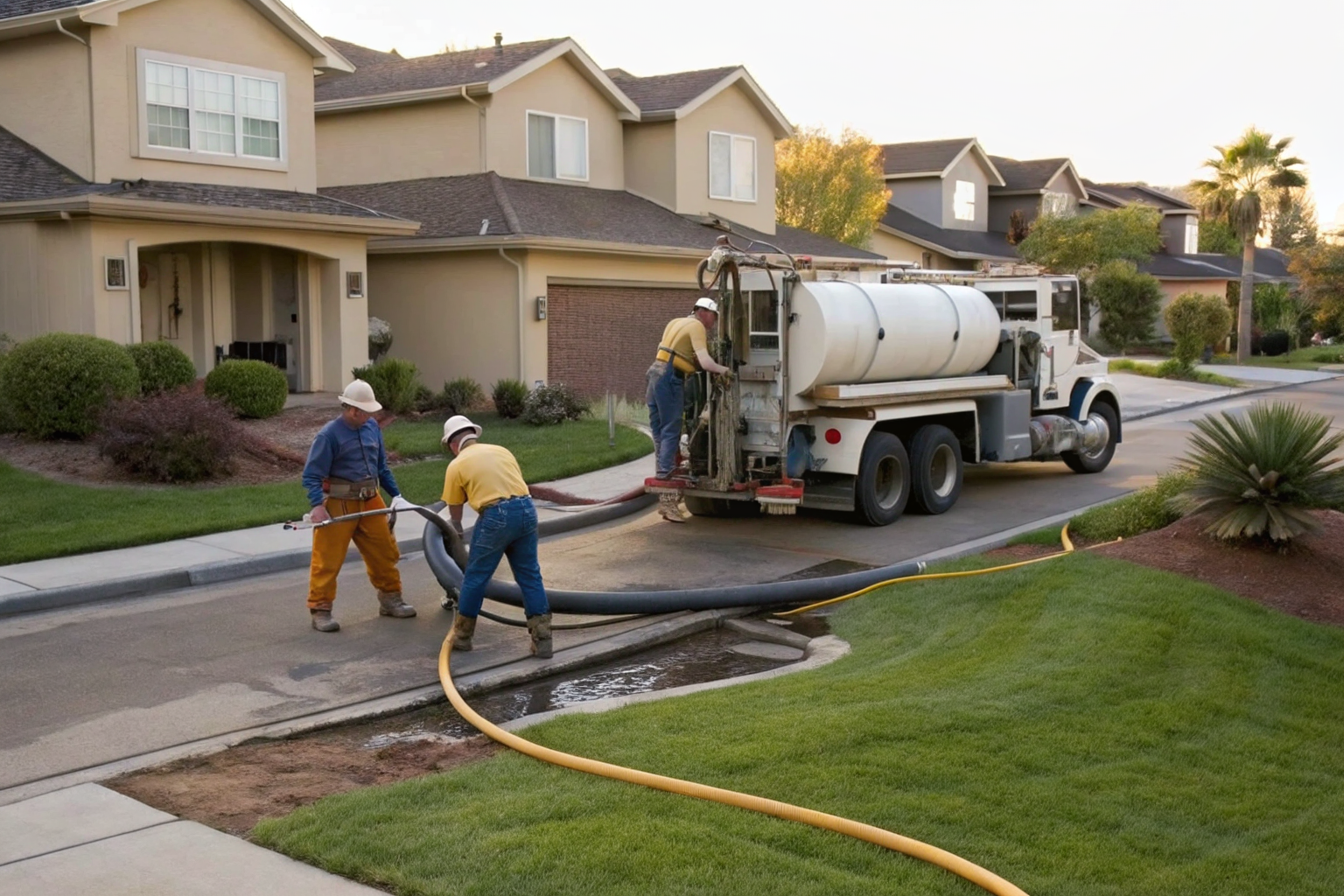
Emergency pumping costs 2-3x regular rates but prevents thousands in cleanup costs. The emergency response differs significantly from routine maintenance pumping.
| Service Type | Cost Range | Response Time | What’s Included |
|---|---|---|---|
| Emergency Pumping (Weekdays) | $400-600 | 2-4 hours | Tank pumping, basic diagnosis, temporary fixes |
| Emergency Pumping (Weekends/Holidays) | $600-800 | 4-8 hours | Tank pumping, basic diagnosis, temporary fixes |
| Regular Pumping | $200-400 | 1-7 days | Tank pumping only |
| Emergency + Diagnosis | $800-1200 | Same day | Pumping, camera inspection, detailed report |
Emergency pumpers bring larger trucks and more powerful vacuum systems than regular maintenance crews. They pump the septic tank completely, then use high-pressure water to break up solids stuck in the inlet and outlet pipes.
The emergency pumping process takes 45-90 minutes depending on tank size and backup severity. Pumpers inspect the tank condition, check baffles for damage, and provide immediate assessment of whether the backup stems from a full tank or drainfield failure.
Most emergency calls reveal tanks that aren’t actually full — the backup indicates drainfield failure or blocked outlet pipes. Emergency pumping provides temporary relief by creating capacity, but if the drainfield has failed, sewage will back up again within days or weeks.
Schedule follow-up pumping in 30-60 days if your drainfield shows signs of failure. Emergency pumping only buys time for permanent repairs, not a permanent fix for failing drainage systems.
How Do You Document Sewage Backup Damage for Insurance Claims?

Homeowner documents damage immediately to support insurance claims worth thousands. Most policies cover sudden sewage backup but exclude gradual system failure.
Photograph everything before cleanup begins. Take wide shots showing affected rooms, close-ups of damage to flooring and walls, and pictures of sewage depth using a ruler or measuring tape for scale.
Create detailed written inventory of damaged items. List every piece of furniture, flooring, drywall, and personal property affected, including estimated replacement costs and purchase dates if available.
File claims within 24-48 hours maximum. Call your insurance company’s emergency claims line immediately — delays beyond 72 hours often result in claim denials due to “failure to mitigate damages.”
Get professional damage assessment before DIY cleanup. Insurance adjusters need to see contamination extent before you start cleaning, and professional remediation companies provide detailed reports that support larger settlements.
Save all receipts for emergency services and temporary housing. Emergency pumping, hotel stays, restaurant meals, and cleaning supplies often qualify for reimbursement under additional living expenses coverage.
Document the septic system failure cause. Get written reports from pumping companies and septic inspectors that clearly state whether the backup resulted from sudden system failure (covered) versus lack of maintenance (excluded).
Insurance companies distinguish between sudden sewage backup and gradual seepage. Sudden backup from system failure typically receives coverage, while damage from poor maintenance gets denied. The key is proving the backup happened quickly rather than building up over time.
What Actually Caused Your Septic Tank to Back Up?

Tank backup indicates specific system failure requiring different repair approaches. Most homeowners assume full tanks cause backups, but drainfield problems create 80% of emergency situations.
| Backup Cause | Frequency | Repair Cost | Identifying Signs |
|---|---|---|---|
| Drainfield Failure | 80% | $8,000-25,000 | Soggy yard, sewage odors outside, backup after pumping |
| Blocked Outlet Pipe | 12% | $200-800 | Backup stops after pumping, no yard symptoms |
| Full Tank | 5% | $200-400 | Backup stops after pumping, system works normally |
| Damaged Baffles | 3% | $300-1,200 | Solids in house drains, tank pumps but problems continue |
Drainfield failure means the soil around your drain pipes has become saturated with wastewater and can’t absorb more liquid. The septic tank fills because treated wastewater has nowhere to go, creating pressure that pushes sewage back through the house plumbing.
You can determine the cause by observing what happens after emergency pumping. If sewage backs up again within days, your drainfield has failed and needs replacement. If the system works normally for months, you had a full tank or temporary blockage.
Septic system inspection after pumping reveals the true problem. Professional inspectors use cameras to check pipe integrity and perform hydraulic load testing to evaluate drainfield absorption capacity. This inspection costs $300-500 but prevents spending thousands on wrong repairs.
The thing that catches people off guard: modern drainfields fail suddenly rather than gradually. Clay soil, heavy rains, or septic tank solids reaching the drainfield can cause complete failure within weeks, even in systems that worked fine for years.
When Does Septic Backup Become a Replace-the-System Emergency?

System failure is permanent loss of wastewater treatment and disposal capacity that requires complete replacement rather than repairs. This means your septic tank and drainfield can no longer process household wastewater at the rate your family produces it.
Systems backing up 3+ times within 12 months typically need full replacement rather than repairs. Multiple backups indicate fundamental problems that individual component repairs won’t solve.
Replacement becomes mandatory when health departments issue violation notices or when repair costs exceed 50% of new system cost. Most replacement decisions happen after the second backup when homeowners realize temporary fixes aren’t working.
Temporary solutions while planning replacement include emergency pumping every 2-4 weeks, extreme water conservation, and portable toilet rental for large families. These measures buy 3-6 months for permitting and installation but cost $500-1,000 monthly.
Financing emergency replacements requires immediate decisions since most systems fail during inconvenient times. Home equity loans, contractor financing, or emergency fund access become necessary when septic backup threatens habitability. Plan for $15,000-35,000 total replacement costs depending on soil conditions and local regulations.
The inspection after drainfield failure reveals whether partial repairs might work or if complete replacement is unavoidable. Systems over 20 years old with drainfield failure almost always need full replacement since modern environmental standards require larger, more sophisticated treatment systems.