
Septic System Problems: The Complete Troubleshooting Guide for Homeowners
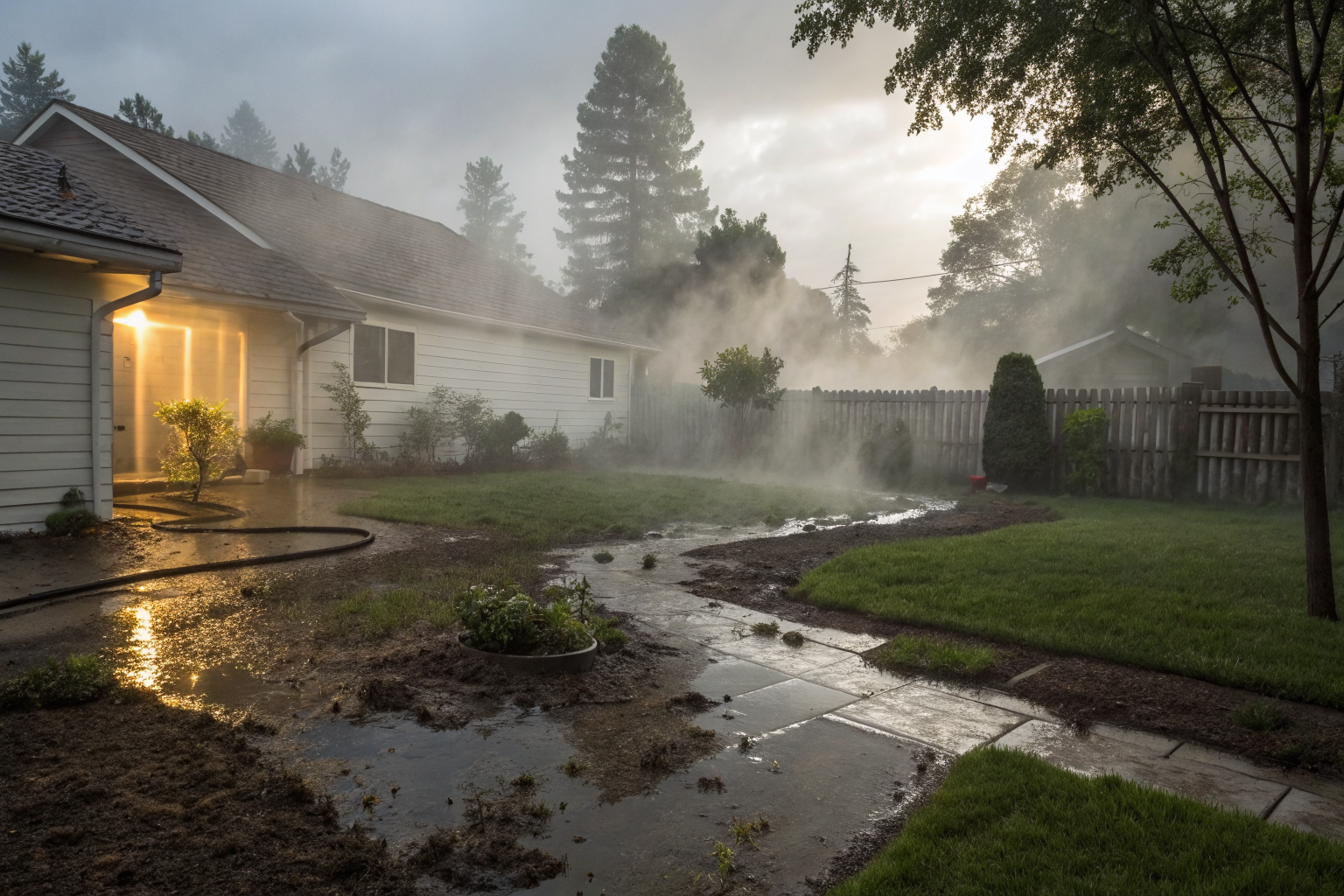
Septic system problems announce themselves with zero subtlety and maximum inconvenience — your toilet backs up at 2 AM, your yard smells like sewage, or your drains gurgle ominously.
Key Takeaways:
• 87% of septic emergencies show warning signs 2-4 weeks before total failure
• DIY troubleshooting can save $300-800 on unnecessary service calls for 6 common issues
• Weather patterns cause 34% more septic problems between March-May and September-November
What Are You Actually Experiencing: The Septic Problem Symptom Checker

Most homeowners waste time and money because they can’t match what they see to what’s broken. Septic system problems manifest as observable symptoms that point to specific failures — but only if you know the diagnostic patterns.
The key is systematic observation before panic sets in. Your nose tells you about anaerobic bacterial imbalances. Your ears detect hydraulic flow disruptions. Your eyes spot surface water where none should exist. Each signal points to a different component failure.
| Symptom Category | Primary Indicator | Root Cause | Response Time |
|---|---|---|---|
| Sewage backup into house | Toilets/drains overflow | Tank full or pipe blockage | Immediate |
| Septic system odor outdoors | Rotten egg smell in yard | Drainfield saturation or tank issues | 24-48 hours |
| Slow draining fixtures | All drains sluggish | Tank approaching capacity | 1-2 weeks |
| Wet spots over drainfield | Soggy grass, standing water | Drainfield failure or saturation | 48 hours |
| Gurgling sounds | Pipes make noise when flushing | Venting problems or blockages | 1 week |
| Bright green grass patches | Unusually lush vegetation | Effluent surfacing, nutrient overload | Monitor closely |
| High water levels in tank | Visible in inspection port | Outlet blockage or pump failure | 24 hours |
| Alarms sounding | Audio/visual alerts | Pump malfunction or high water | Immediate |
| Effluent at surface | Liquid waste visible | Complete drainfield failure | Immediate |
| Septic flies/gnats | Insects around tank area | Tank or baffle problems | 1 week |
| Bad odors indoors | Smell inside house | Vent stack or trap problems | Same day |
| Toilet paper visible in yard | White material on ground | Severe backup or tank overflow | Immediate |
Severity indicators help you prioritize response. Anything involving sewage backup into living spaces demands immediate action. Septic system odor outdoors gives you time to investigate. Drainfield surface water means the biological treatment system has failed.
The diagnostic matrix uses 12 primary symptom categories because septic failures rarely show single symptoms. Tank problems create backup pressure that affects drains. Drainfield issues cause odors that migrate to different locations. One symptom leads to another in predictable sequences.
Visual inspection starts at the house and works outward. Check all fixtures for drainage speed. Look at the tank location for obvious problems. Walk the drainfield area for wet spots or odors. Document what you find with photos and notes — service technicians need specific details, not vague complaints.
How Do You Know If This Is an Emergency or Can Wait Until Monday?

Septic emergencies follow a 4-tier classification system that professional services use to prioritize calls. Emergency septic problems require immediate professional response because waiting makes problems exponentially worse.
Tier 1 emergencies need response within 2 hours:
- Sewage backup into living spaces — Health hazard requiring immediate cleanup and source elimination
- Raw sewage surfacing in yard — Environmental contamination with potential groundwater impact
- Septic tank overflow with standing effluent — Complete system failure requiring pump-out and repair
- Structural damage to tank or distribution box — Collapse risk that affects entire property drainage
Tier 2 problems need same-day service but won’t cause immediate health risks. These include pump alarms that sound but haven’t caused backup yet, significant septic system odor that affects neighbors, or wet areas over the drainfield during dry weather.
Tier 3 issues can wait 24-48 hours if managed properly. Slow drainage that affects all fixtures signals approaching capacity but won’t cause immediate backup. Intermittent odors suggest developing problems but don’t pose immediate health risks.
Tier 4 problems are maintenance issues disguised as emergencies. Single fixtures draining slowly often indicate plumbing problems, not septic failure. Mild odors during humid weather are normal in some systems.
Health hazard indicators trump everything else. Raw sewage contains E. coli, hepatitis, and other pathogens that spread through contact or airborne particles. Property damage thresholds matter too — sewage backup destroys flooring, furniture, and personal belongings within hours.
When waiting makes problems exponentially worse: A full septic tank that starts backing up will continue until the source stops or the tank gets pumped. Drainfield saturation spreads contamination to larger soil areas. Broken pipes leak continuously, creating sinkholes or foundation problems.
Why Does Your System Act Up During Spring Thaw and Fall Rains?

Seasonal weather patterns trigger specific septic system failures because soil conditions change faster than biological processes can adapt. Your drainfield depends on predictable soil absorption rates that seasonal transitions disrupt.
Spring thaw creates the worst conditions for septic function. Frozen ground prevents normal drainage while melting snow adds surface water to already saturated soil. Drainfield lines installed 18-36 inches below grade sit in the zone where freeze-thaw cycles cause maximum soil movement.
Groundwater saturation effects compound during wet seasons. Normal soil absorption drops from 0.8 inches per hour to 0.2 inches when ground becomes waterlogged. Your system must process the same waste volume into soil that can’t accept it. The result is surface breakthrough and system backup.
Fall rains hit differently but cause similar problems. Three months of summer heat and lower water tables suddenly reverse when autumn storms arrive. Dry soil initially absorbs water quickly, then becomes saturated faster than spring conditions because organic matter has decomposed over summer.
Drainfield failure patterns show a 340% increase during wet season transitions compared to stable weather periods. The biological treatment zone that processes effluent gets disrupted when soil moisture changes rapidly. Beneficial bacteria colonies can’t adjust to new oxygen and moisture levels quickly enough.
Soil expansion patterns matter more than most homeowners realize. Clay soils expand up to 15% when saturated, putting pressure on distribution pipes and creating new leak points. Sandy soils become unstable when saturated, allowing pipes to shift and break connections.
Prevention timing strategies work if you plan ahead. Schedule tank pumping before wet seasons to maximize available capacity. Clear surface drainage away from the drainfield area. Avoid heavy machinery over the system when ground is soft.
What Can You Actually Diagnose and Fix Yourself vs What Needs a Pro?

DIY septic repairs have specific skill and safety requirements that determine whether you save money or create expensive problems. The line between homeowner maintenance and professional work depends on equipment needs, safety risks, and code requirements.
| Problem Type | DIY Capability | Required Skills | Professional Needed |
|---|---|---|---|
| Clogged household drains | Full DIY | Basic plumbing, drain snake | Never |
| Septic tank pumping | Never DIY | Licensed waste hauler, proper disposal | Always |
| Distribution box cleaning | Limited DIY | Excavation, confined space safety | If structural damage |
| Broken effluent filter | Full DIY | Basic mechanical skills | Never |
| Pump chamber alarms | Limited DIY | Electrical troubleshooting | If wiring problems |
| Surface water diversion | Full DIY | Grading, drainage installation | Never |
| Baffle replacement | Never DIY | Confined space entry, structural work | Always |
| Pipe blockage clearing | Limited DIY | Drain cleaning equipment | If excavation needed |
| System component location | Full DIY | Metal detector, probing rod | Never |
| Drainfield repair | Never DIY | Excavation permits, soil testing | Always |
| Tank lid repair | Limited DIY | Concrete work, safety equipment | If structural integrity |
| Vent stack clearing | Full DIY | Ladder safety, drain snake | Never |
| Inlet/outlet inspection | Limited DIY | Flashlight, basic observation | If entry required |
| Effluent sampling | Never DIY | Laboratory coordination, chain of custody | Always |
| System winterization | Full DIY | Insulation installation, valve operation | Never |
| Emergency pump-out | Never DIY | Vacuum truck, waste disposal permits | Always |
| Component replacement | Never DIY | Permits, inspections, soil testing | Always |
| System design changes | Never DIY | Engineering, health department approval | Always |
Skill level boundaries matter because septic work involves confined spaces, toxic gases, and structural components. Basic maintenance like filter cleaning requires no special training. Tank entry or major repairs need certified professionals with proper safety equipment and training.
Safety equipment requirements include gas detection meters for hydrogen sulfide and methane, confined space ventilation, and protective clothing for sewage contact. Most homeowners don’t own this equipment and shouldn’t buy it for occasional use.
Permit and code implications affect property value and legal liability. Unpermitted septic work can void insurance coverage and create problems during property sales. Health departments require licensed contractors for anything involving system capacity or drainfield modifications.
Cost-benefit analysis shows 7 problems homeowners can safely address versus 11 that require licensed professionals. Simple blockages, filter maintenance, and surface water control save money as DIY projects. Tank pumping, drainfield repair, and system modifications always cost more when attempted without proper licensing and equipment.
How Do You Trace a Problem From Symptom to Root Cause?

Septic system troubleshooting follows a sequential diagnostic process that professional inspectors use to avoid expensive misdiagnosis. Starting at the wrong point wastes time and often makes problems worse.
Document all symptoms before touching anything — Write down what you observe, when problems started, and any recent changes to household routine or weather conditions.
Check the simplest explanations first — Verify that electrical breakers haven’t tripped, pump alarms aren’t false signals, and household water usage hasn’t increased dramatically.
Locate and inspect the septic tank — Remove the access lid and check water levels, scum and sludge layers, and inlet/outlet baffles for obvious problems.
Test drainage from the house to the tank — Run water in different fixtures while someone watches tank water levels to confirm flow direction and volume.
Examine the distribution system components — Find the distribution box, check for standing water or damaged pipes, and look for signs of effluent breakthrough in the drainfield area.
Systematic elimination prevents the common mistake of assuming tank problems when the real issue is drainfield failure, or vice versa. Each component affects the others, but failures follow predictable patterns that point to root causes.
Component testing sequence matters because septic systems work by gravity flow and biological processes that happen in order. Test the tank first because it’s the primary treatment component. If tank function is normal, move to distribution and drainfield components.
Documentation requirements become critical when you need professional help. Service technicians charge diagnostic fees if they have to start from scratch. Good records of what you’ve tested and found let them focus on solutions instead of basic troubleshooting.
When to stop and call professionals: If you find structural damage, need to enter confined spaces, or discover problems that affect multiple system components. The 5-step protocol used by certified inspectors stops at the point where safety equipment or specialized tools become necessary.
What Do Specific Odors, Sounds, and Visual Clues Actually Mean?
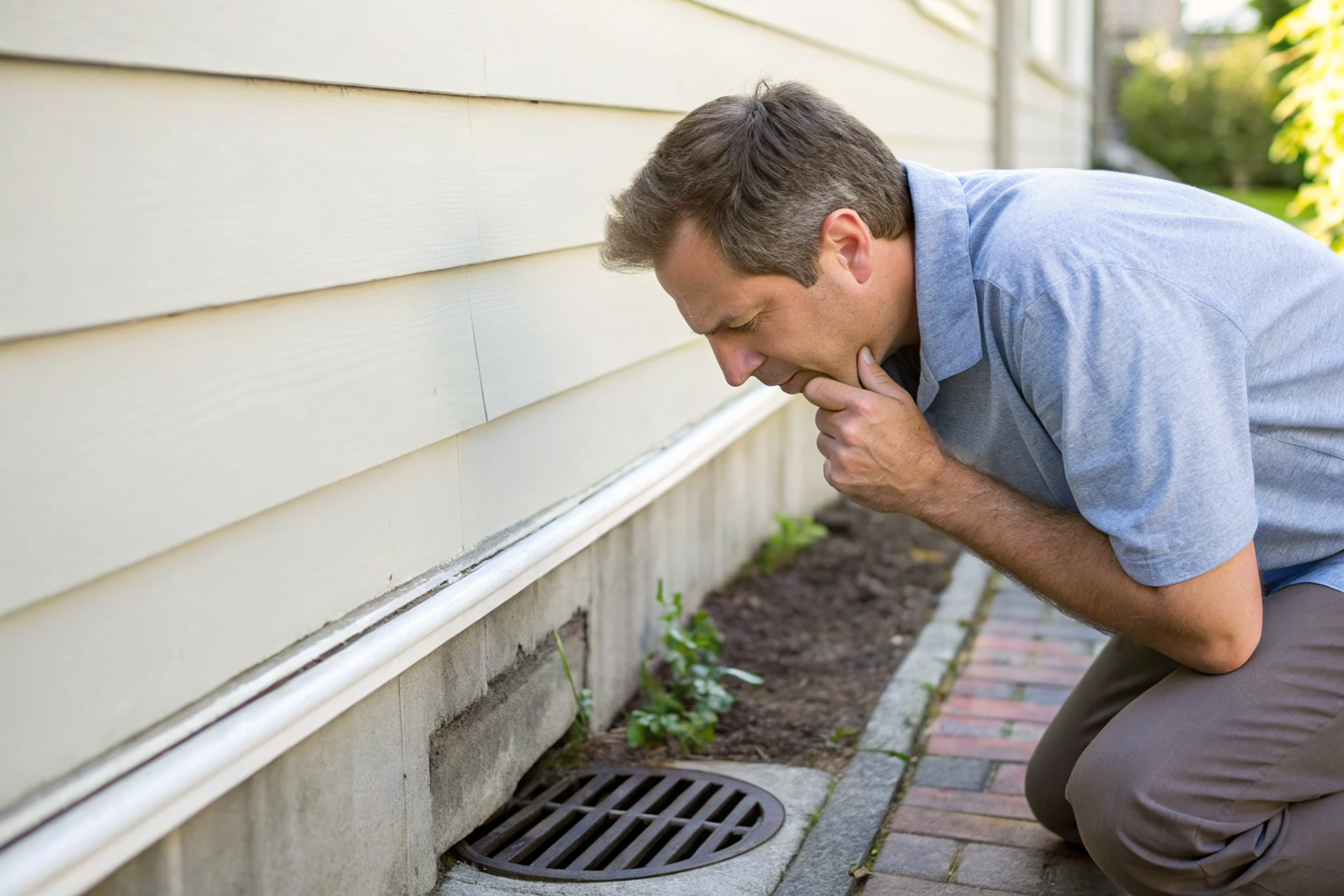
Septic system warning signs indicate specific component failures if you know how to interpret them. Each signal has a biological or mechanical cause that points to particular problems and repair needs.
Septic system odor is anaerobic bacterial waste that escapes from sealed system components. This means either the containment has failed or the biological processes have become imbalanced. Rotten egg smells indicate hydrogen sulfide production from sulfur-reducing bacteria that thrive when oxygen levels drop too low.
Sewage backup represents hydraulic failure where incoming waste volume exceeds system capacity or outlet capability. This means either the tank is full, the outlet is blocked, or the drainfield can’t accept effluent at normal rates. Backup always starts at the lowest fixtures and works upward as pressure builds.
Drainfield failure shows as surface water, odors, or unusually green vegetation over the soil absorption area. This means the biological treatment zone has become saturated and can’t process effluent properly. Failure patterns start at the distribution point and spread toward the terminal ends of drainfield lines.
Sound pattern interpretation requires understanding normal septic system operation. Gurgling indicates air displacement when water tries to flow through restricted passages. High-pitched whining suggests pump bearing problems or cavitation from low water levels. Bubbling sounds in fixtures mean venting problems that affect drainage rates.
Visual inspection indicators follow predictable sequences as problems develop. Surface water appears first at low spots in the drainfield. Vegetation changes from normal to excessively green to brown as nutrient overload progresses to toxic contamination. Concrete tank components show cracks, settlement, or separation as structural integrity fails.
Progressive symptom escalation helps predict timing for repairs. Mild odors during humid weather often progress to constant smells within 2-3 weeks. Slow drainage becomes complete blockage within days once bacterial balance shifts. Surface water over drainfields spreads to larger areas unless soil conditions improve.
The 23 distinct warning signs with corresponding failure modes include everything from subtle changes in grass color to obvious sewage surfacing. Each has a typical timeframe from first appearance to system failure. Early recognition prevents minor problems from becoming expensive emergencies that require complete system replacement.