
Aerobic Septic Systems: How They Work, What They Cost, and What Can Go Wrong
Aerobic septic systems hum all day, need quarterly inspections, and cost three times more to maintain than your neighbor’s — welcome to the world of aerobic treatment units.
Key Takeaways:
• Aerobic septic systems cost $15,000-$25,000 installed versus $3,000-$8,000 for conventional systems
• ATUs require quarterly inspections at $200-$400 each plus $30-$80 monthly electricity costs
• Spray heads clog every 6-18 months and replacement parts cost $150-$300 per incident
How Does an Aerobic Septic System Actually Work?
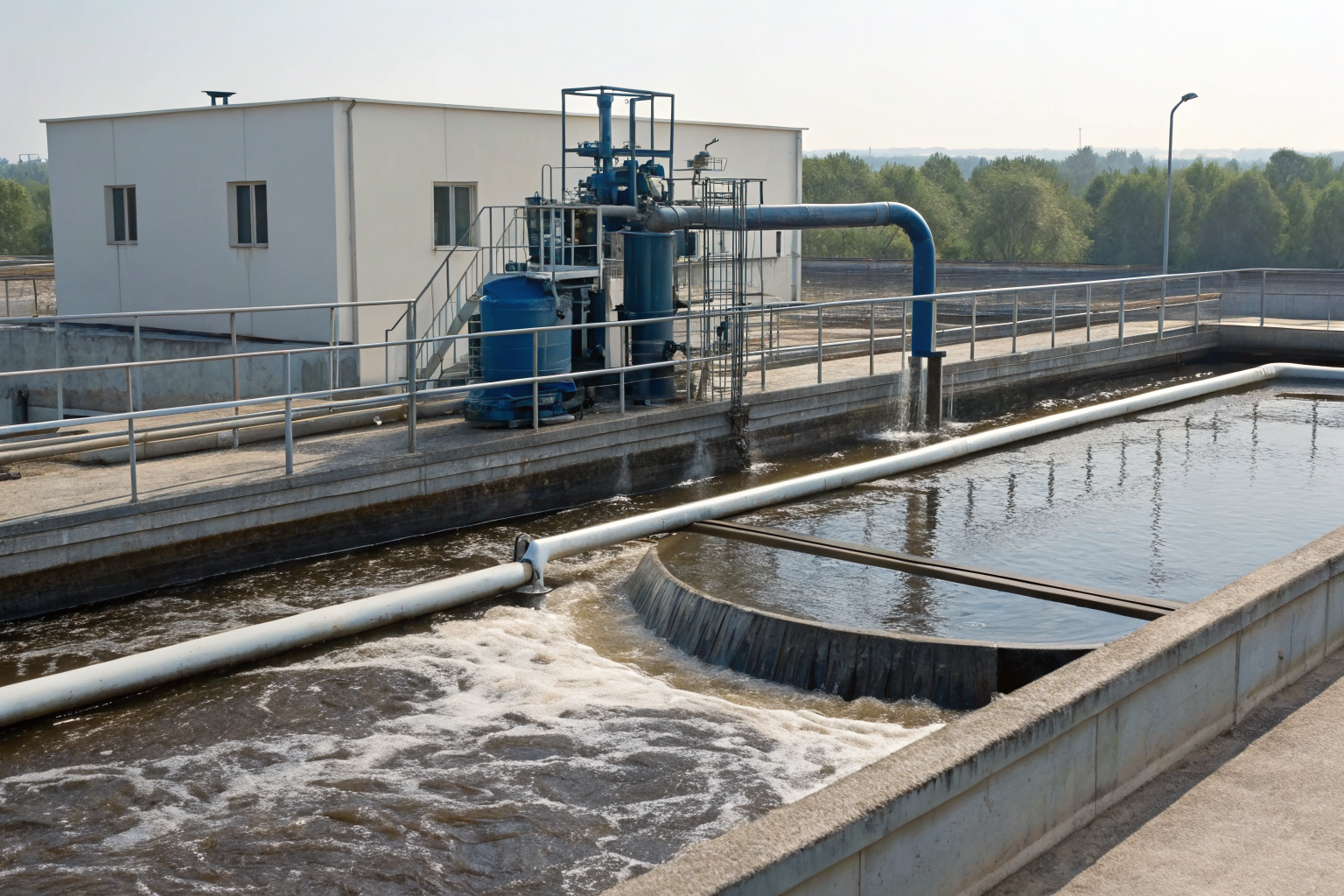
Aerobic Treatment Unit is a mechanical septic system that injects oxygen into wastewater to accelerate bacterial breakdown. This means waste gets processed faster and cleaner than conventional anaerobic systems that rely on bacteria living without oxygen.
The oxygen injection happens through an air pump or blower that forces compressed air into the treatment chambers. Air pumps run 22-24 hours daily consuming 3-7 amps of electricity. Without this constant aeration, the beneficial bacteria die within hours and the system fails.
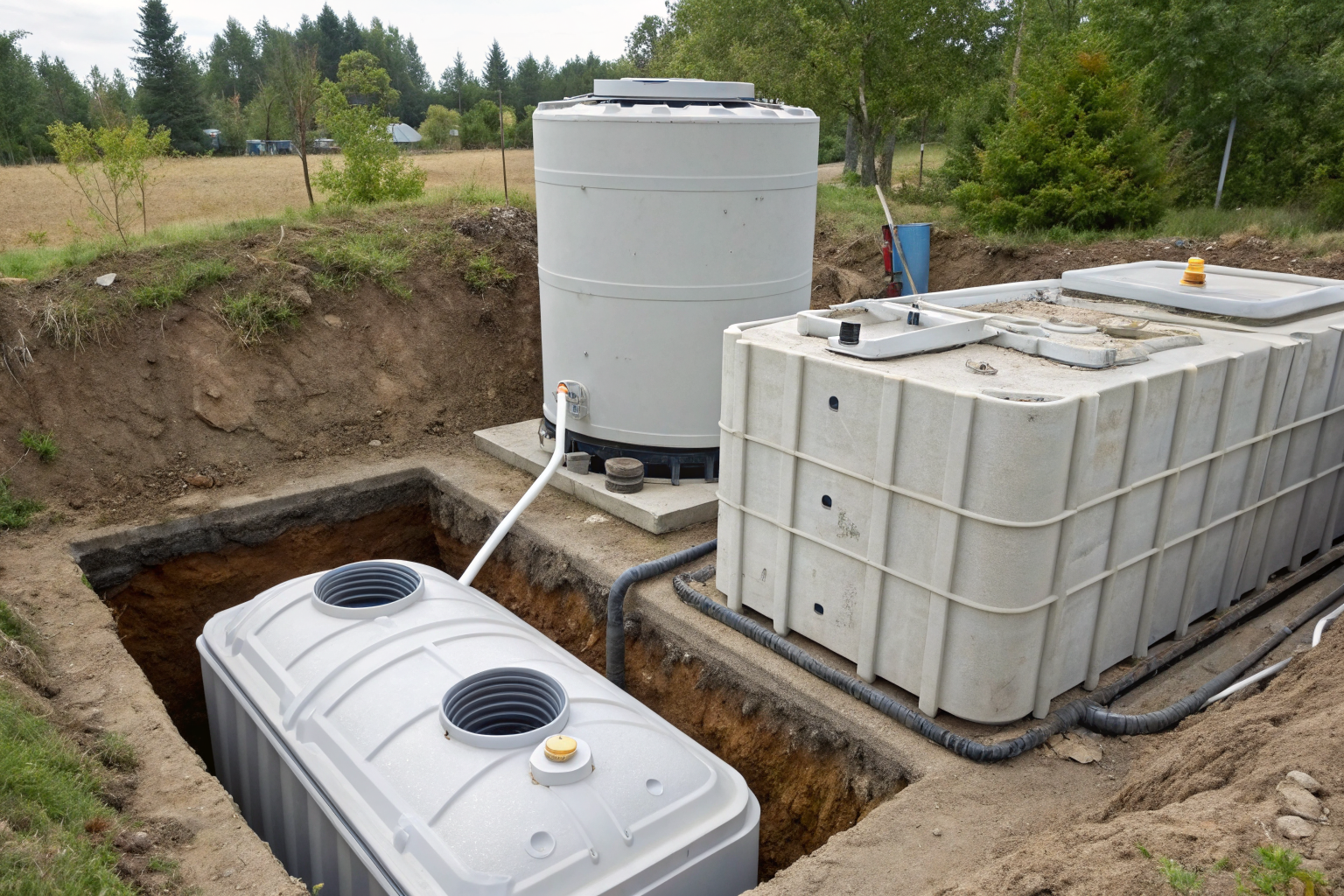
ATUs process waste through three distinct chambers. First, the septic tank collects and settles solids just like conventional systems. Second, the aeration chamber gets continuous oxygen while bacteria consume organic matter. Third, a clarification chamber allows treated water to settle before discharge.
The key difference lies in bacterial activity. Aerobic bacteria consume waste 10-50 times faster than anaerobic bacteria because oxygen supercharges their metabolism. This speed allows ATUs to treat wastewater to near-drinking-water quality in 24-48 hours versus weeks for conventional systems.
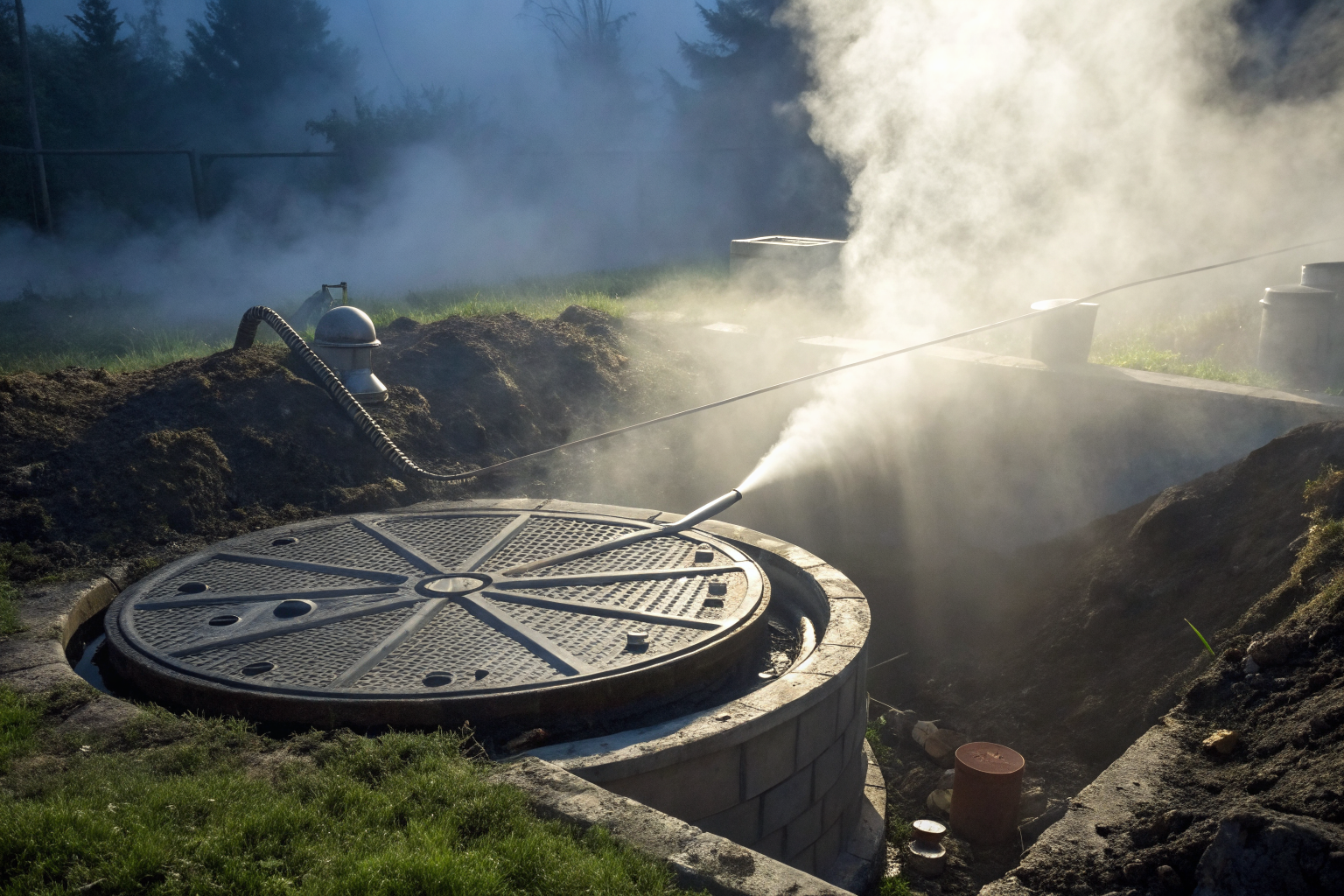
Most ATUs discharge through spray irrigation heads rather than traditional drainfields. The treated effluent gets pumped to surface spray heads that distribute water across your property. This surface application works because the effluent is clean enough for direct ground contact.
Electrical components make ATUs vulnerable. Control panels monitor dissolved oxygen levels, pump cycles, and alarm conditions. When sensors detect problems, red warning lights activate and systems shut down to prevent untreated discharge.
Aerobic vs Conventional Septic: What’s the Real Difference?
| Factor | Aerobic System | Conventional System |
|---|---|---|
| Installation Cost | $15,000-$25,000 | $3,000-$8,000 |
| Annual Maintenance | $1,200-$2,400 | $300-$500 |
| Inspection Frequency | Quarterly (required) | Every 3-5 years |
| Electricity Usage | $30-$80/month | $0 |
| Effluent Quality | 90-95% clean | 50-70% clean |
| Drainfield Size | 50-75% smaller | Full size required |
| Permit Complexity | High (ongoing) | Low (install only) |
Aerobic bacteria process waste faster than anaerobic bacteria because oxygen allows them to consume organic matter at accelerated rates. Conventional systems rely on slow anaerobic decomposition that takes weeks to achieve what ATUs accomplish in days.
Treatment quality drives the cost difference. Aerobic systems produce 90-95% cleaner effluent versus 50-70% for conventional systems. This superior treatment allows surface discharge and smaller drainfields, but mechanical complexity demands constant oversight.
Conventional systems excel in simplicity. No moving parts, no electricity, no quarterly inspections. Gravity and natural bacterial processes handle everything. Problems surface slowly over years, not hours like ATU failures.
Drainfield requirements tell the real story. Poor soil conditions that fail perc tests often mandate ATU installation because clean effluent can handle challenging site conditions. Conventional systems need perfect soil drainage that many properties lack.
Maintenance frequency separates these systems. ATUs need professional attention every 90 days because mechanical failure happens fast. Pumps seize, sensors fail, spray heads clog. Conventional systems run years between service calls.
What Are the Hidden Costs of Owning an ATU System?
ATU maintenance costs $1,200-$2,400 annually compared to conventional systems that average $300-$500. Here’s where your money goes:
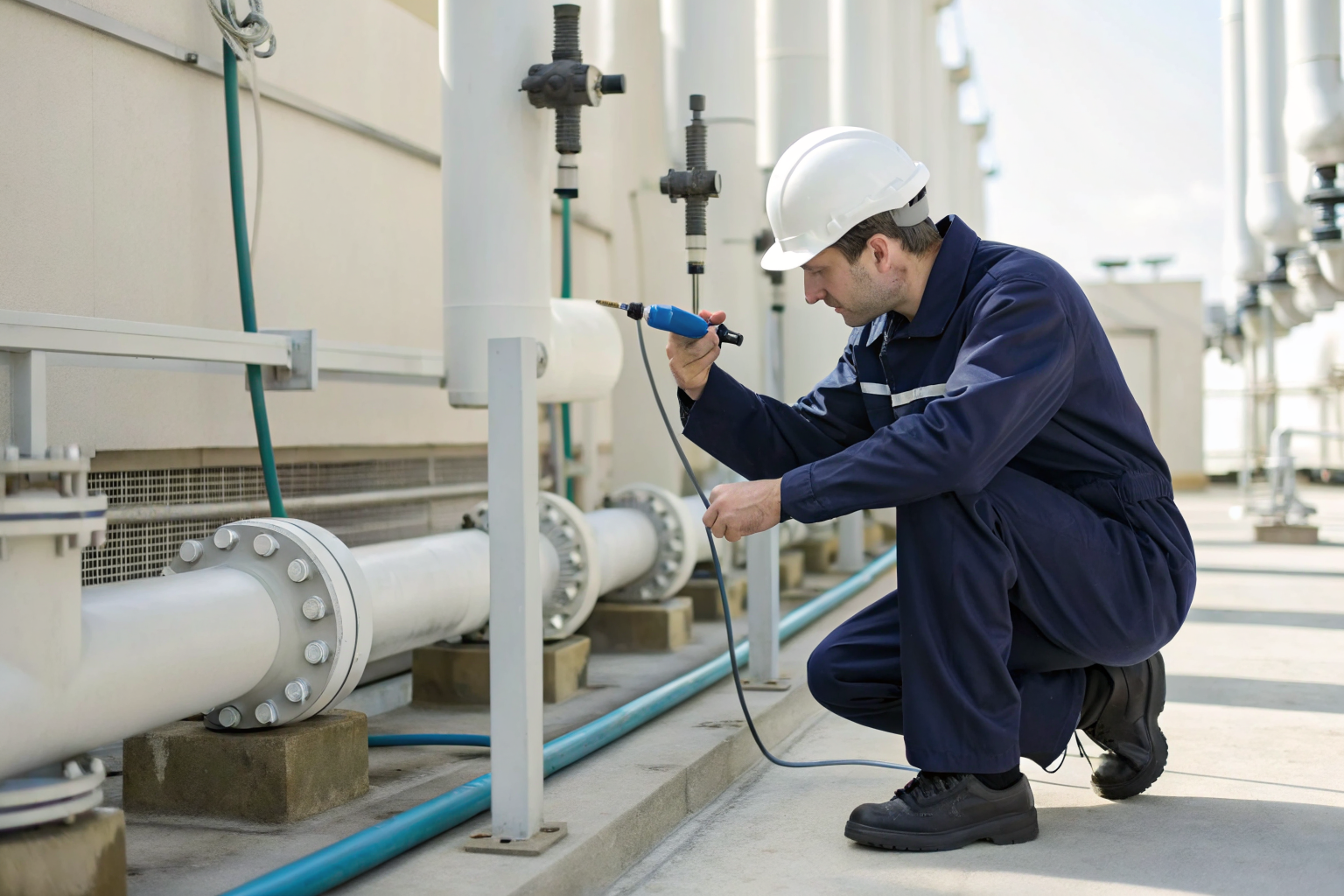
Quarterly inspections run $200-$400 each visit. State regulations mandate these checks. Technicians test dissolved oxygen, inspect pumps, clean spray heads, and document system performance. Skip one inspection and your permit gets suspended.
Electricity bills jump $30-$80 monthly. Air pumps and control panels run 24/7. Older ATU systems with inefficient blowers can hit $100+ monthly. Summer heat makes pumps work harder, winter cold thickens oil and increases amp draw.
Spray head replacements cost $150-$300 per incident. Clogs happen every 6-18 months depending on water quality. Each head costs $25-$50 but labor adds $125-$250. Properties with 8-12 spray heads face multiple failures annually.
Air pump rebuilds or replacements average $400-$800 every 2-3 years. Pumps run constantly in harsh conditions. Moisture, temperature swings, and mechanical stress kill pumps predictably. Rebuild kits save money but still cost $200-$350 plus labor.
Control panel repairs range $300-$600 for sensor failures. Dissolved oxygen probes, float switches, and timer relays fail frequently. Each sensor costs $75-$150 but diagnostic time inflates bills.
Annual permit renewals cost $50-$200 in most counties. Operating permits expire yearly. Late renewals trigger penalty fees. Some areas require engineer inspections that add $300-$500.
Why Do ATU Systems Require So Much More Maintenance?
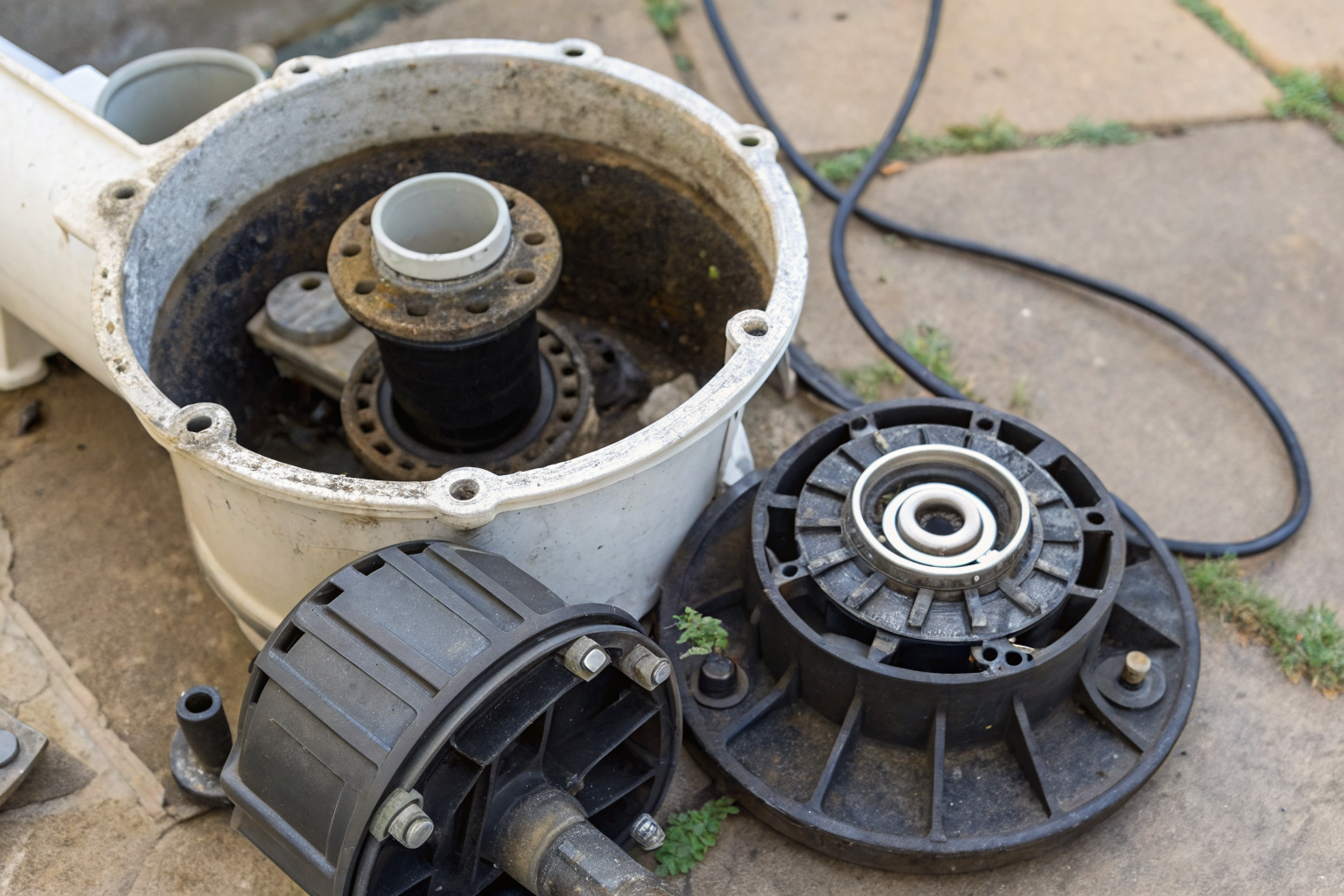
Mechanical components fail more frequently than passive systems because moving parts wear out under constant use. Air pumps contain bearings, diaphragms, and motors that deteriorate from continuous operation. Conventional septic systems have no moving parts to break.
Quarterly inspections are mandatory because ATU failures happen fast. When air pumps stop, beneficial aerobic bacteria die within 4-6 hours. Anaerobic bacteria take over, producing hydrogen sulfide gas and poor-quality effluent. Surface discharge of untreated wastewater creates immediate health hazards.
Electrical systems add failure points. Control panels monitor multiple sensors that drift out of calibration. Lightning strikes kill control boards. Power outages stop aeration and trigger alarms. Moisture infiltration corrodes connections and shorts circuits.
Spray head maintenance drives service calls. Effluent contains small particles that clog tiny orifices. Wind blows debris into spray heads. Freeze-thaw cycles crack plastic components. Each blocked head creates wet spots that health departments flag as violations.
Consequences of skipped maintenance escalate quickly. First, effluent quality drops and odors develop. Second, health departments issue violation notices and fines. Third, untreated discharge contaminates groundwater and creates liability issues. Fourth, complete system replacement becomes necessary.
Air pumps typically last 2-3 years before replacement at $400-$800 each. Factors that shorten pump life include undersizing for system demand, poor ventilation causing overheating, and voltage fluctuations from electrical grid issues.
Common breakdown scenarios follow predictable patterns. Pumps fail during peak usage periods when bacterial oxygen demand exceeds supply. Control panels malfunction during storms when moisture enters enclosures. Spray heads clog during dry seasons when particles concentrate in effluent.
When Do You Need an ATU Instead of a Conventional System?
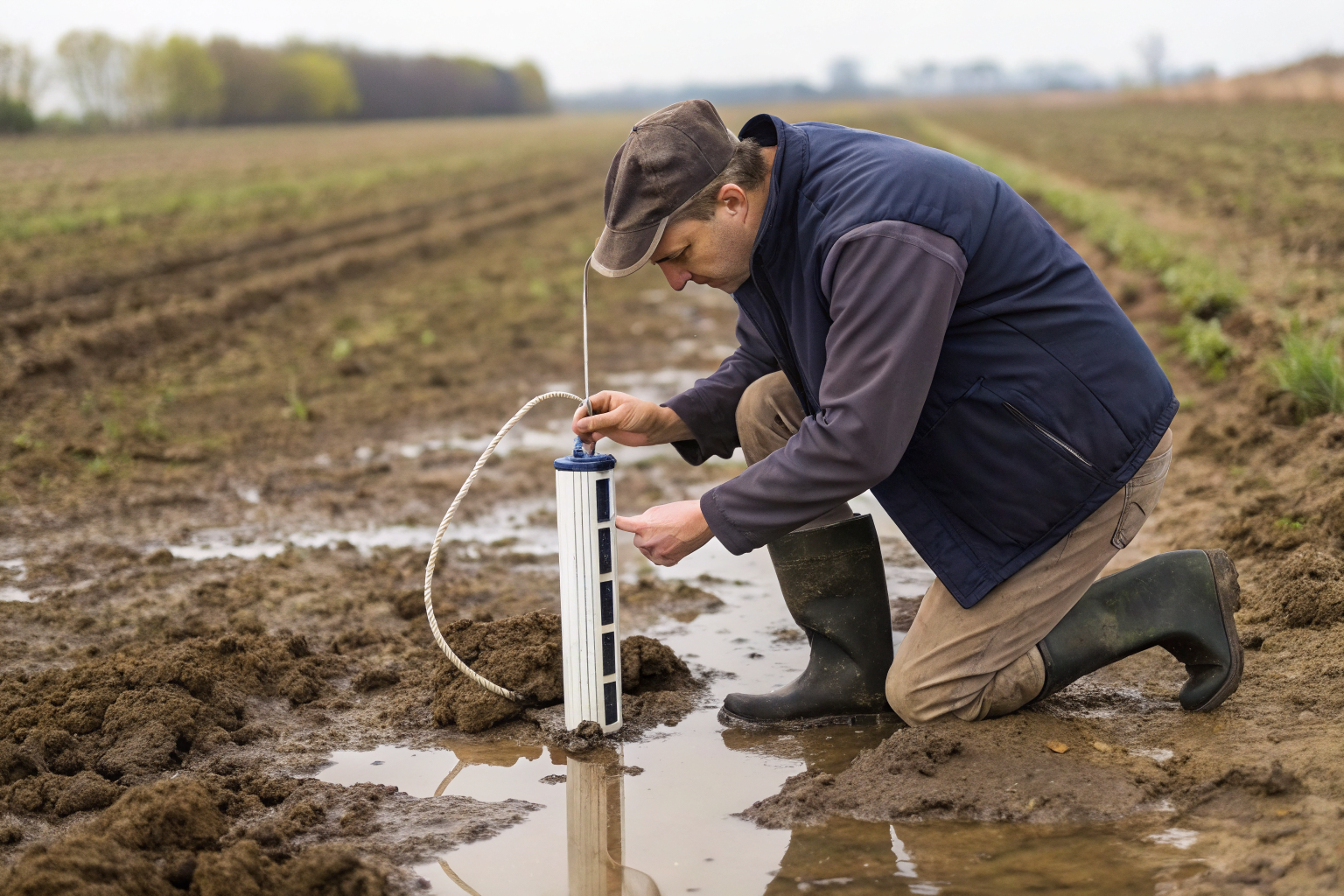
Poor soil conditions require Aerobic Treatment Unit installation when conventional systems cannot meet discharge standards. Here’s the decision process:
Conduct a perc test to measure soil absorption rates. Lots with perc rates slower than 60 minutes per inch typically require ATU systems. Heavy clay, hardpan, or high water tables prevent adequate drainage for conventional drainfields.
Calculate available drainfield area against soil conditions. Mound systems need 2-3 times more space than conventional drainfields. When lot size cannot accommodate required mound dimensions, ATUs allow smaller dispersal areas through superior treatment.
Check setback requirements from wells, property lines, and surface water. ATUs can discharge closer to sensitive areas because effluent quality meets stricter standards. Conventional systems need larger buffer zones that many lots cannot provide.
Review local environmental restrictions and zoning requirements. Watersheds, wetland proximity, and groundwater protection zones often mandate enhanced treatment. Chamber systems alone may not meet regulatory discharge limits.
Evaluate seasonal water table fluctuations and drainage patterns. Spring snowmelt and heavy rains create saturated conditions that flood conventional drainfields. ATUs handle high water tables better through surface discharge methods.
Environmental factors override soil conditions in many cases. Properties near lakes, streams, or drinking water aquifers face enhanced treatment requirements regardless of soil quality. ATUs become the only approved option for these sensitive locations.
Lot topology influences system selection. Steep slopes prevent conventional drainfield installation but work well for ATU spray irrigation. Rocky terrain that prevents excavation favors surface discharge over buried systems.
What Goes Wrong Most Often with ATU Systems?
| Failure Type | Frequency | Average Repair Cost | Prevention Method |
|---|---|---|---|
| Spray Head Clogs | 60% of calls | $200-$400 | Monthly cleaning, debris screens |
| Air Pump Failure | 25% of calls | $500-$900 | Annual rebuilds, voltage protection |
| Control Panel Issues | 10% of calls | $300-$600 | Moisture sealing, surge protection |
| Electrical Problems | 5% of calls | $400-$800 | Professional wiring, GFCI protection |
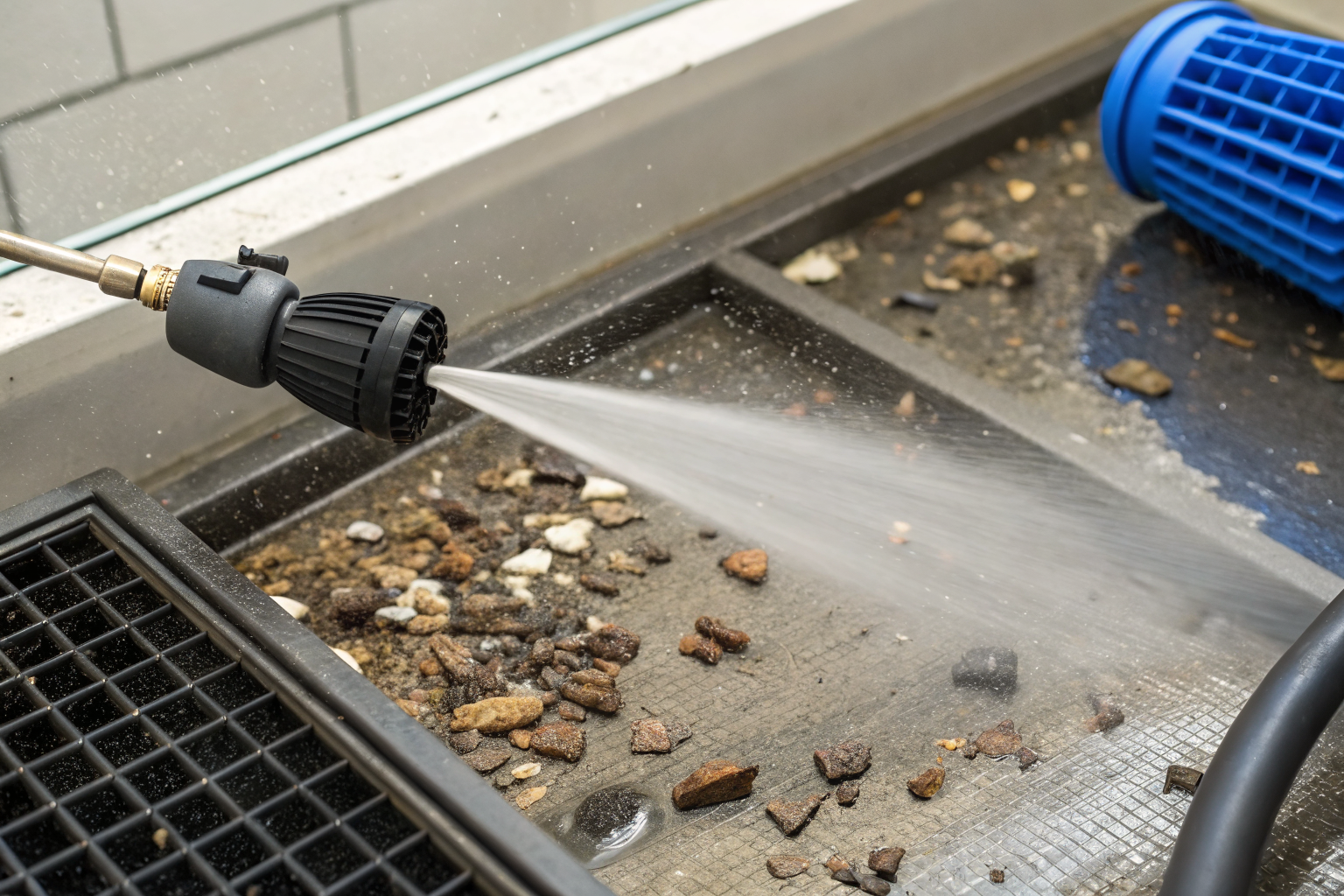
Spray heads clog most frequently causing system failures because small orifices cannot pass particles that make it through treatment. Hair, lint, and organic debris concentrate in final effluent despite three-stage processing. Wind-blown leaves and grass clippings block external spray patterns.
Air pump failures rank second in emergency service calls. Continuous operation wears internal components faster than intermittent-duty equipment. Diaphragm pumps develop tears, piston pumps lose compression, and rotary blowers shed impeller blades. Replacement parts cost $150-$300 per incident.
Control panel problems stem from moisture infiltration and electrical surges. Dissolved oxygen sensors drift out of calibration, triggering false alarms. Timer relays stick in open or closed positions. Float switches corrode and fail to detect liquid levels. Circuit boards short out during storms.
Electrical issues affect entire system operation. Ground faults trip breakers and stop aeration. Loose connections create arcing and component damage. Undersized wiring causes voltage drops that reduce pump performance. Lightning strikes destroy multiple components simultaneously.
Preventive measures reduce failure frequency but cannot eliminate mechanical wear. Monthly spray head cleaning prevents particle buildup. Annual pump rebuilds replace wear items before complete failure. Surge protectors defend against electrical damage. Moisture barriers protect control panels from condensation.
Repair costs escalate during emergency calls. Weekend and holiday service rates double normal labor charges. Rush-ordered parts cost 50-100% more than scheduled deliveries. Multiple component failures compound total repair expenses.