
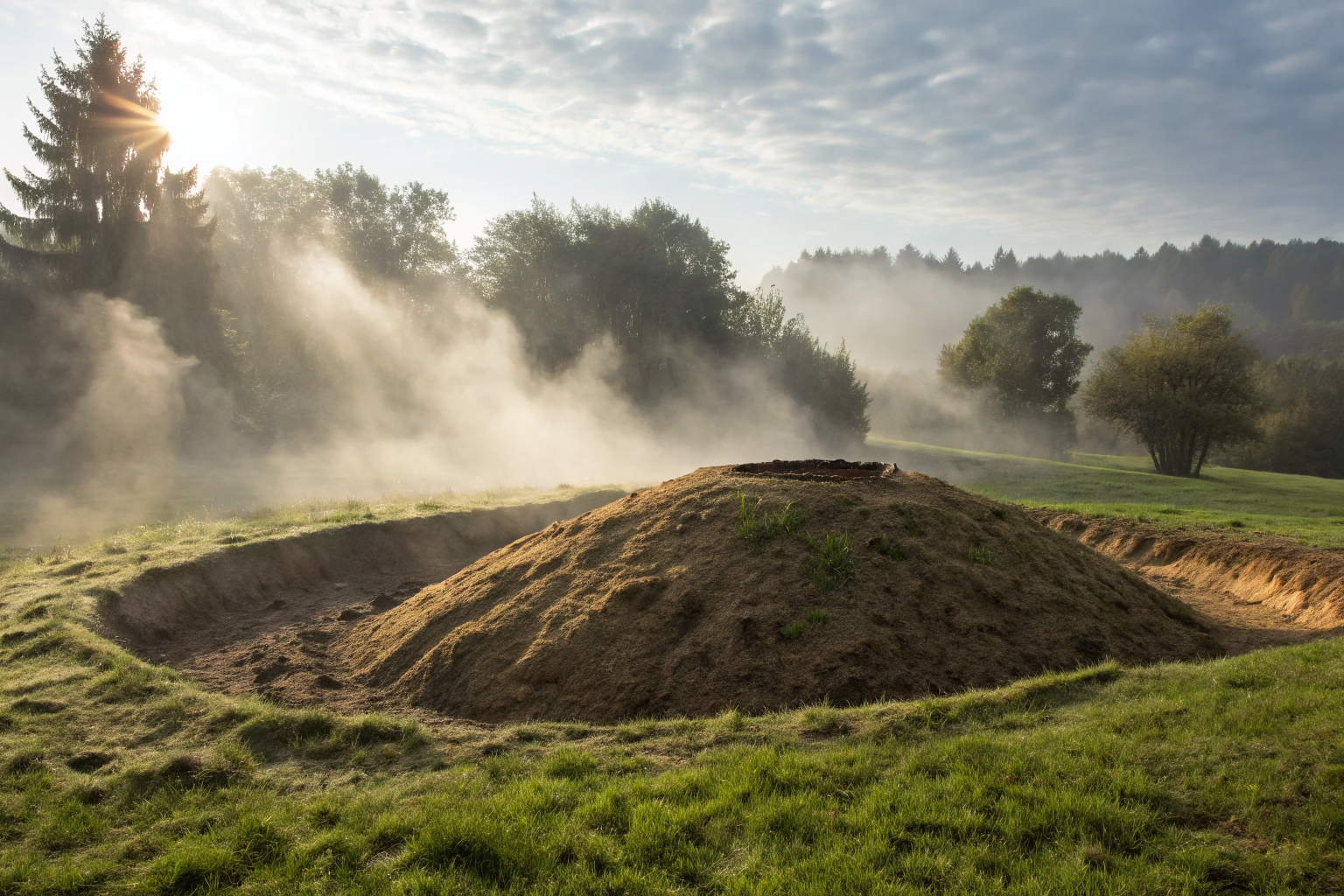
Mound Septic Systems: What They Are and How to Maintain Them
Mound septic systems turn that raised hill in your yard into an engineered septic solution that costs 40% more than conventional systems but handles soil conditions that would kill a standard drainfield.
Key Takeaways:
- Mound septic systems cost $15,000-$25,000 installed, roughly 40% more than conventional gravity systems
- Elevated sand beds require pump dosing every 2-4 hours to prevent system failure and groundwater contamination
- The visible mound restricts landscaping to shallow-rooted plants and prohibits vehicle traffic over the treatment area
What Is a Mound Septic System and Why Would You Need One?
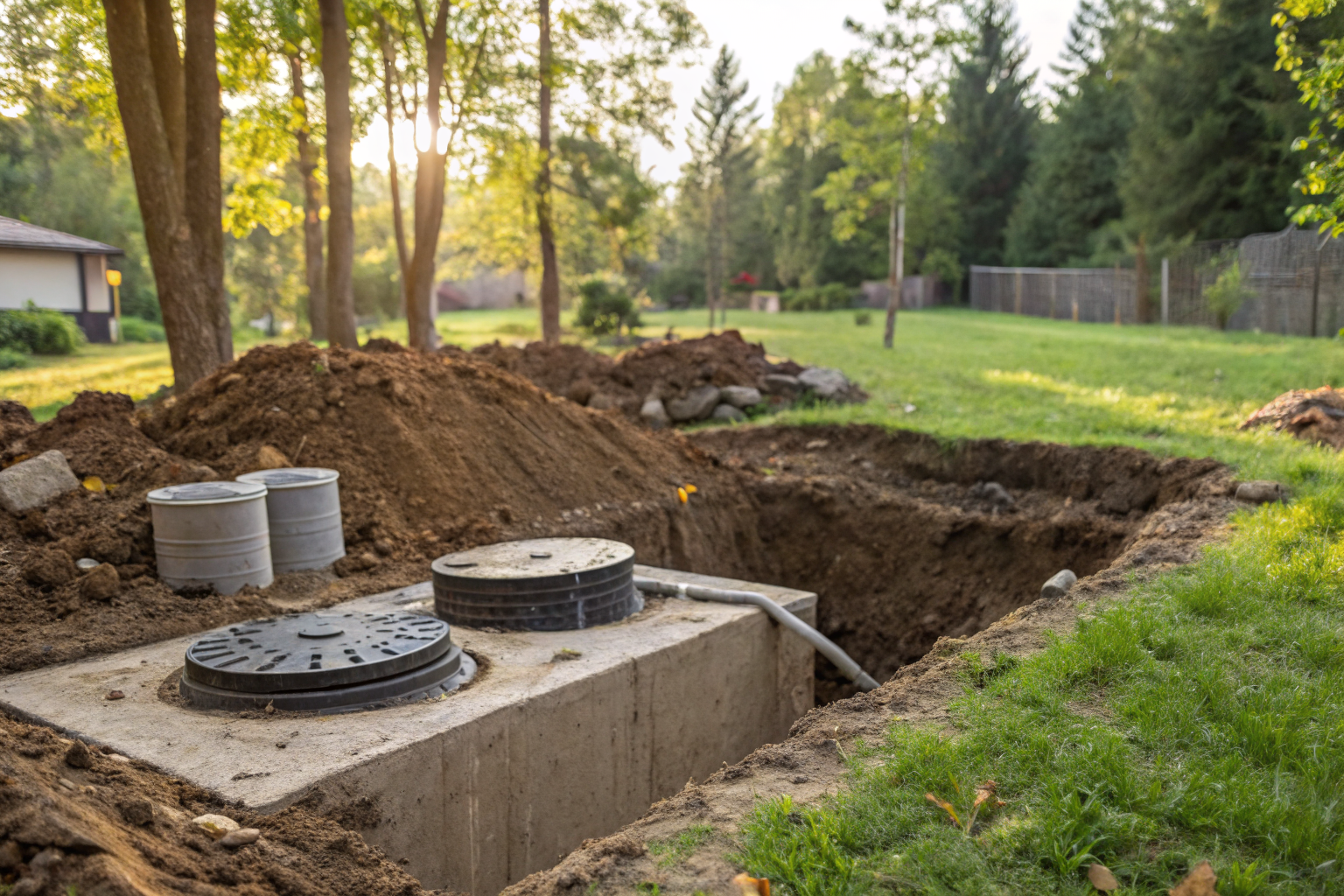
A mound septic system is an elevated sand bed construction that treats wastewater above the natural soil surface. This means your septic system sits on top of the ground rather than buried beneath it.
Mound systems are required when perc rates fall below 1 inch per hour or groundwater sits within 3 feet of the surface. The perc test determines how quickly water moves through your soil. If water moves too slowly or your water table sits too high, a conventional drainfield will fail.
The elevated sand bed provides the treatment zone that your natural soil cannot. The septic tank sends effluent to a pump tank, which doses the mound in measured amounts. The sand filters and treats the wastewater before it reaches the native soil below.
Your local health department requires a mound system when soil conditions fail to meet conventional septic standards. Clay soils, high groundwater, and shallow bedrock all trigger mound requirements. The alternative is hauling your waste to a treatment plant or connecting to municipal sewer.
Mound systems handle the same household wastewater as conventional systems. The difference lies in the treatment location and dosing method. Where gravity systems rely on soil percolation, mound systems create their own treatment environment above ground.
How Does a Mound Septic System Actually Work?
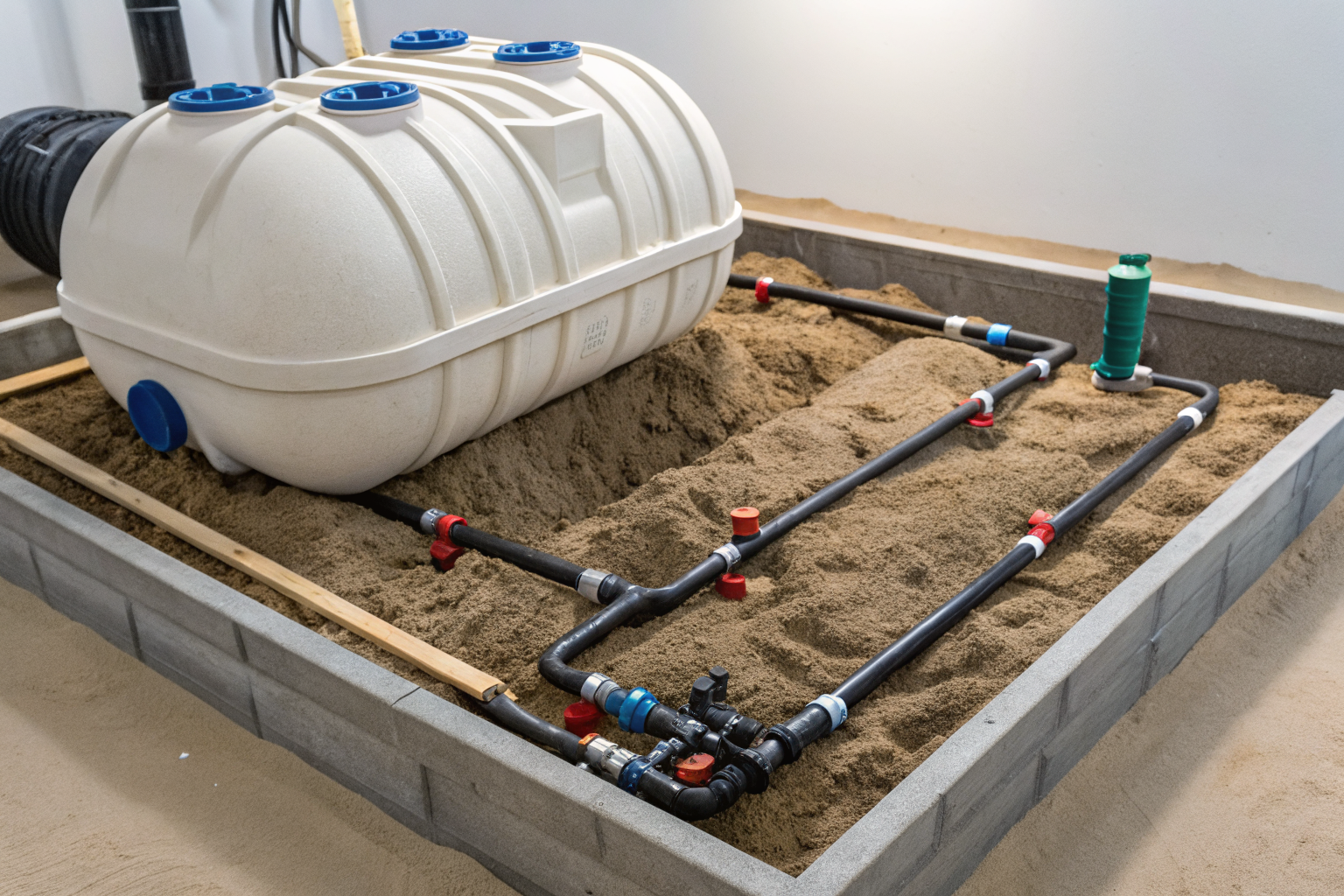
The pump tank doses the elevated sand bed construction through a network of distribution pipes. The process follows these steps:
Septic tank pre-treatment – Wastewater enters the septic tank where solids settle and partial decomposition occurs.
Pump tank collection – Effluent flows to a pump tank equipped with a dosing pump and controls.
Scheduled dosing – The pump sends measured doses to the mound every 2-4 hours based on household water usage patterns.
Distribution network – Effluent spreads through perforated pipes buried in the sand bed.
Sand filtration – The engineered sand bed filters and treats the wastewater as it moves downward.
Soil infiltration – Treated effluent reaches the natural soil below the mound for final absorption.
Groundwater protection – The elevation and treatment process prevent contamination of shallow groundwater.
The chamber system within the mound provides void space for effluent distribution and air circulation. Unlike conventional drainfields that rely on gravity flow, mound systems use pressurized dosing to ensure even distribution across the entire treatment area.
The sand bed depth typically ranges from 2 to 4 feet depending on soil conditions and system size. The engineered sand provides consistent treatment that native soil cannot deliver when perc rates are too slow or groundwater levels too high.
What Does a Mound Septic System Cost vs Conventional Systems?
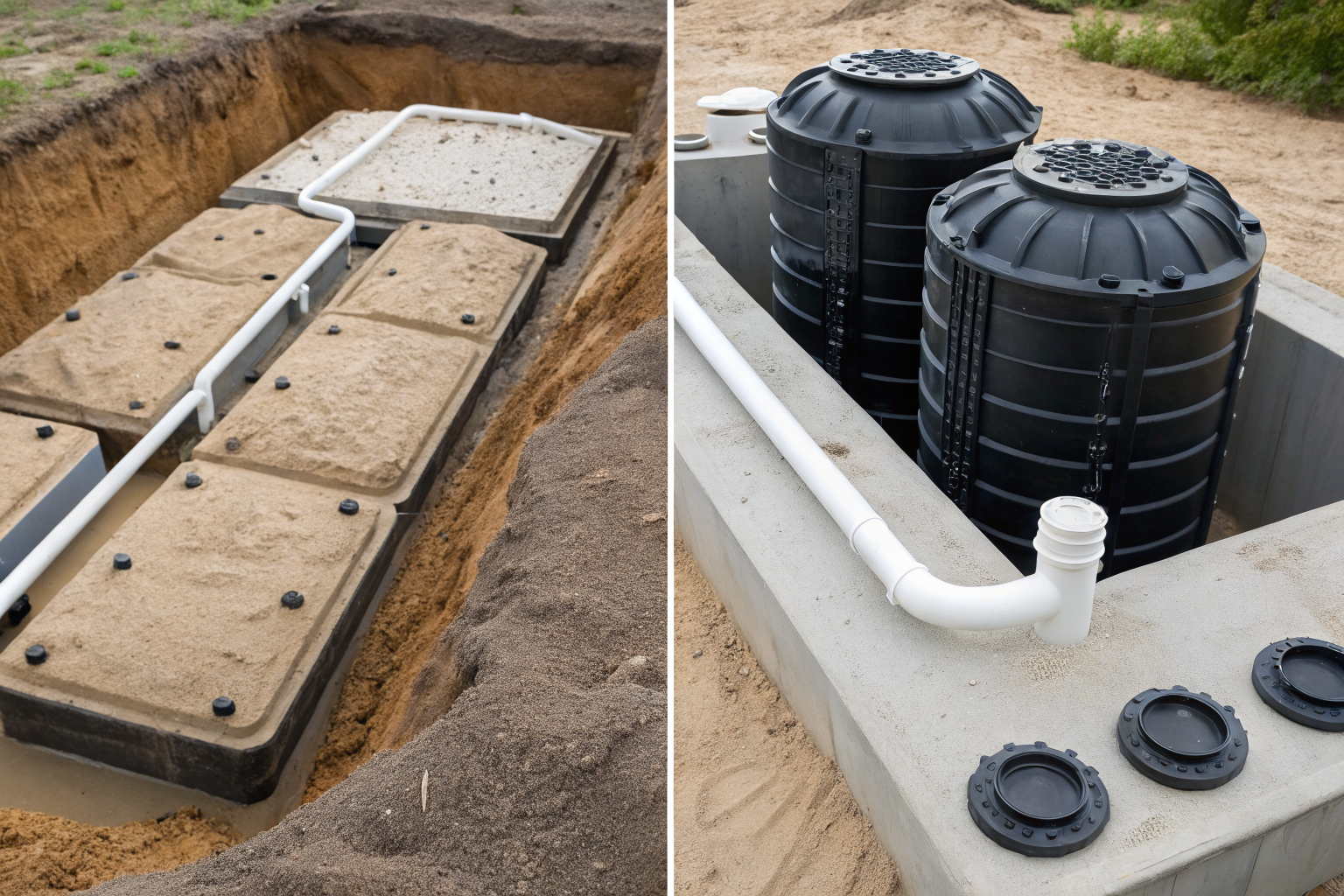
Mound septic systems cost significantly more than conventional gravity systems due to additional components and construction requirements.
| System Component | Conventional System | Mound System |
|---|---|---|
| Initial Installation | $8,000-$15,000 | $15,000-$25,000 |
| Pump Tank | Not required | $2,500-$4,000 |
| Sand Bed Construction | Not required | $4,000-$7,000 |
| Distribution Network | $1,500-$3,000 | $2,500-$4,500 |
| Annual Electricity | $0 | $200-$400 |
| Pump Replacement | Not required | $800-$1,200 every 7-10 years |
The septic tank costs remain similar between both systems. The premium comes from the pump tank addition, engineered sand bed, and pressurized distribution network. Excavation costs increase due to the mound construction and precise grading requirements.
Electrical costs add $200-$400 annually to operate the dosing pump. The pump runs 4-8 times daily depending on household water usage. Power outages require backup pumping or reduced water use until power returns.
Permit fees often cost more for mound systems due to additional engineering requirements and inspection protocols. Some areas require engineered designs and soil scientist involvement, adding $1,500-$3,000 to upfront costs.
Financing options exist for mound systems through septic contractors and local health departments. The higher upfront investment pays off through reliable treatment in challenging soil conditions where conventional systems would fail within years.
What Are the Most Common Mound Septic System Problems?
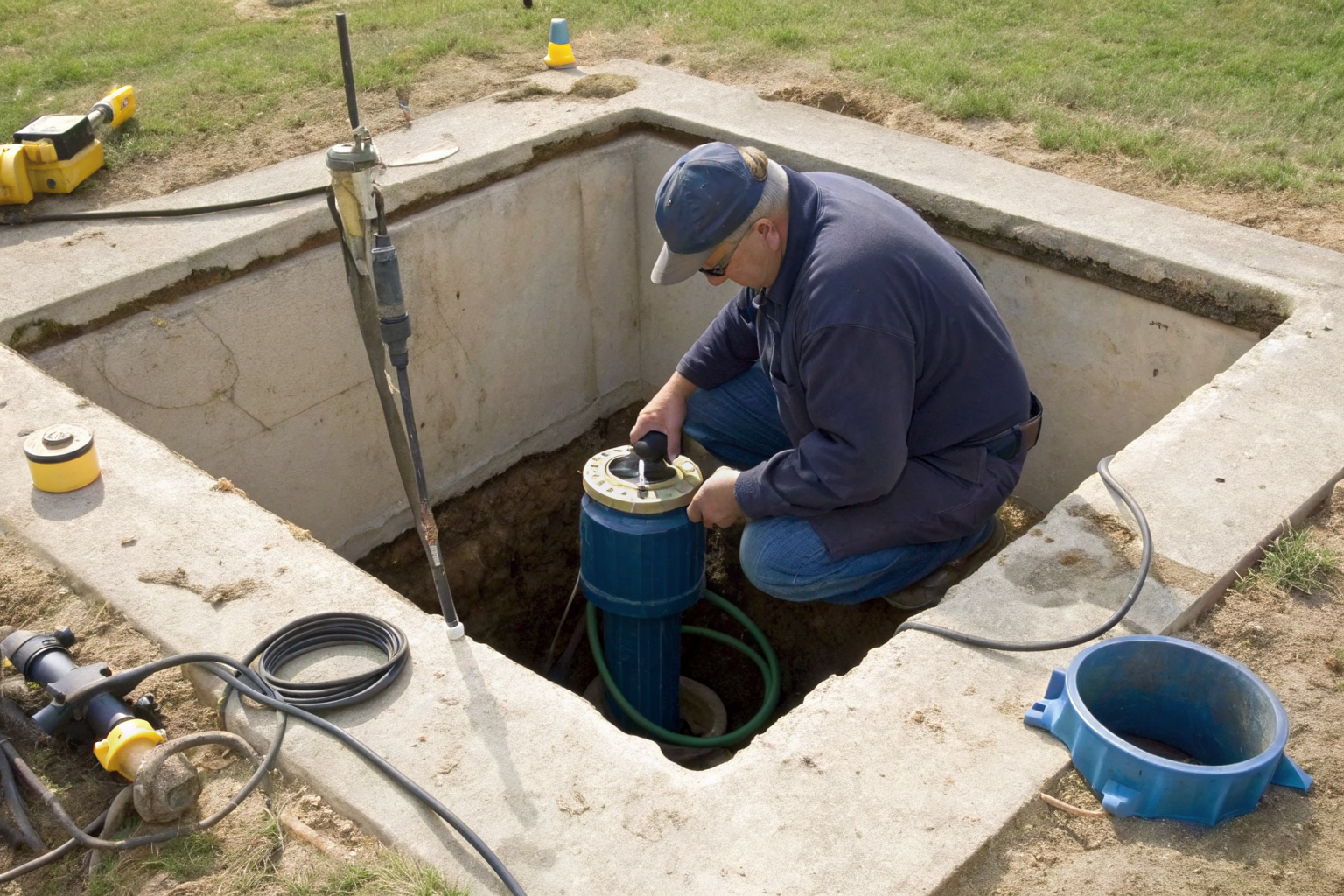
Pump failure causes the majority of mound septic system problems, followed by dosing schedule disruptions and treatment issues.
• Pump mechanical failure – Dosing pumps fail every 7-10 years from normal wear, costing $800-$1,200 to replace including labor.
• Electrical control malfunctions – Timer controls and float switches fail from moisture exposure, causing irregular dosing patterns.
• Sand bed saturation – Overloading from excessive water use saturates the treatment area and reduces filtration efficiency.
• Surface breakouts – Effluent appears on the mound surface when distribution pipes clog or the sand bed becomes saturated.
• Winter freezing problems – Exposed pipes and pump components freeze in cold climates without proper insulation.
• Distribution pipe clogs – Solids from the septic tank can clog the small holes in distribution pipes, creating dead zones.
• Sand bed compaction – Vehicle traffic or heavy equipment compacts the sand, reducing treatment capacity.
• Groundwater infiltration – High groundwater can saturate the mound from below during wet seasons.
The aerobic treatment unit variant adds complexity with additional mechanical components that require more frequent service. Blower failures and control malfunctions increase maintenance costs compared to standard mound systems.
Preventive maintenance catches most problems before system failure. Regular pump tank inspections and dosing schedule monitoring prevent the majority of expensive repairs.
What Can You Plant and Build on Your Mound System?

Landscaping restrictions on mound systems prohibit deep-rooted vegetation and limit construction activities to protect the treatment area.
| Allowed | Prohibited |
|---|---|
| Grass seed and sod | Trees and shrubs |
| Shallow-rooted flowers | Vegetable gardens |
| Ground cover plants | Root crops |
| Walking paths | Vehicle parking |
| Light lawn furniture | Storage buildings |
| Decorative stones | Swimming pools |
| Irrigation systems | Playground equipment |
Root penetration deeper than 18 inches can damage distribution pipes and compromise treatment. Tree roots seek water sources and will infiltrate the mound system, causing expensive repairs.
Vehicle traffic compacts the sand bed and can crush buried pipes. Even riding mowers can cause damage during wet conditions. Walk-behind mowers work fine for grass cutting.
The drainfield setback requirements apply to the entire mound area. Wells must stay 100 feet away, and buildings require 25-foot minimum distances. Property lines need 10-foot clearances.
Visual screening works best with plantings around the mound perimeter rather than on top. Ornamental fencing or strategically placed shrubs can reduce the visual impact without damaging the system.
Slope stabilization may require erosion control fabric or shallow-rooted ground cover to prevent sand washing during heavy rains. The mound shape must remain intact for proper function.
How Do You Maintain a Mound Septic System?
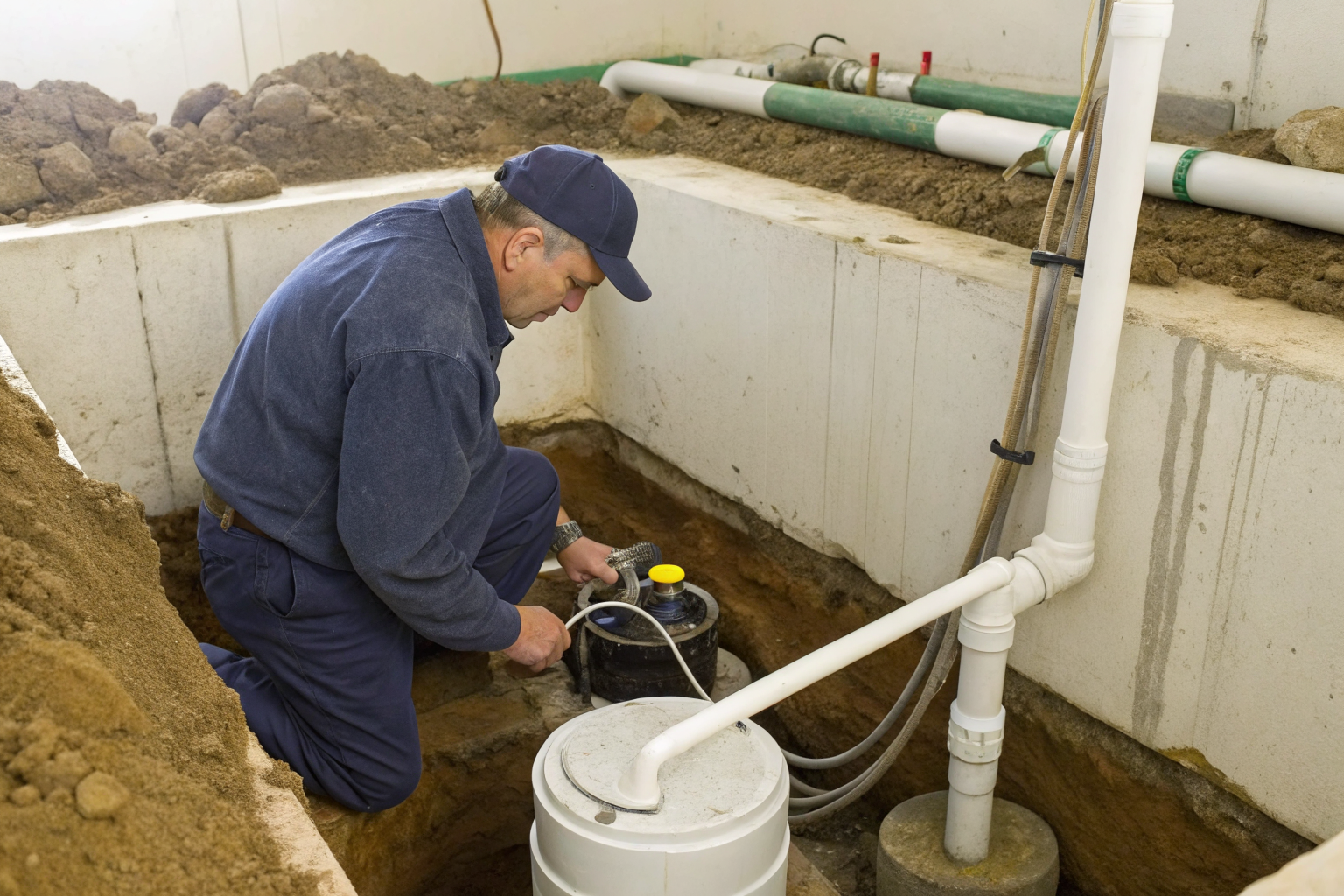
Pump tank dosing schedule maintenance requires regular monitoring to prevent system failure and environmental contamination.
Inspect pump tank quarterly – Check pump operation, float switches, and electrical connections for proper function.
Monitor dosing frequency – Verify the system doses every 2-4 hours during normal use and adjust timers as needed.
Check mound surface monthly – Look for wet spots, odors, or effluent breakouts that indicate distribution problems.
Test pump annually – Run the pump through complete cycles to ensure proper flow rates and pressure.
Service electrical controls – Clean timer boxes and replace batteries in backup systems before winter.
Pump septic tank regularly – Remove accumulated solids every 3-5 years to prevent pump tank contamination.
Winterize exposed components – Insulate pump tanks and distribution boxes in freezing climates.
Document maintenance activities – Keep records of pump runtime, dosing frequency, and any repairs for warranty claims.
Professional inspection is recommended every 2 years versus 3-5 years for conventional systems due to mechanical components. The additional complexity requires expert evaluation of pump performance and electrical systems.
Water conservation extends pump life and reduces electrical costs. Fix leaking faucets and install low-flow fixtures to reduce dosing frequency. Spread laundry loads throughout the week rather than doing multiple loads in one day.
Backup power options include battery systems or portable generators for extended outages. The pump tank can store 1-2 days of normal wastewater flow before overflowing.