
Conventional vs Aerobic Septic Systems: Differences That Affect Your Wallet
Conventional vs aerobic septic system decisions aren’t yours to make. Your soil type already decided which septic system you’ll install — and that choice will cost you either $3,000 or $15,000 over the next decade.
Key Takeaways:
• Aerobic systems cost $8,000-$12,000 more upfront but handle poor soil conditions that fail perc tests
• Conventional systems need $200-$500 annual maintenance while aerobic units require $800-$1,500 yearly service
• Your lot size and perc test results determine system type — homeowners rarely get to choose based on preference
What Actually Determines Whether You Get Conventional or Aerobic Systems?
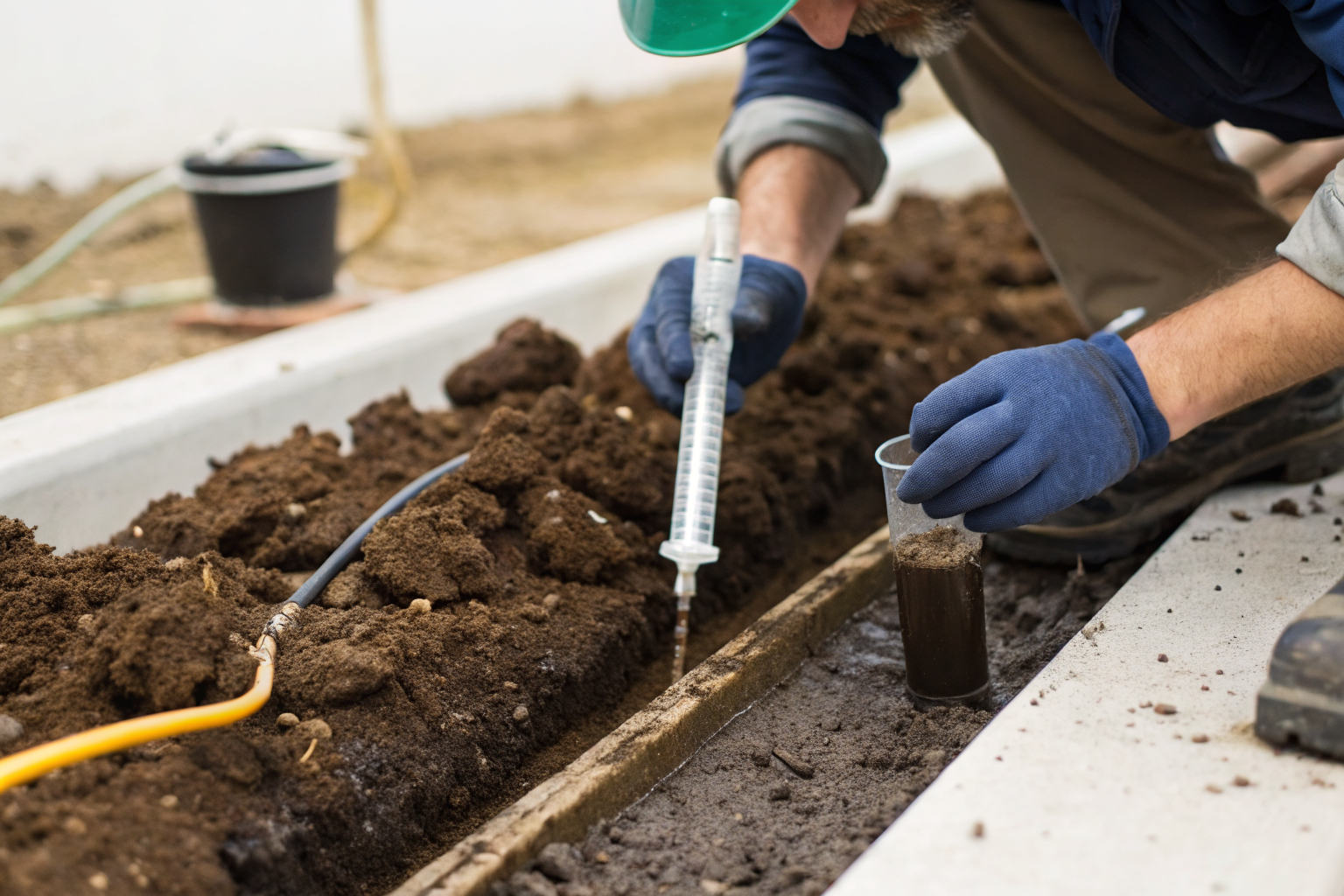
A perc test is a soil percolation test that measures how fast water drains through your soil. This means the rate at which water moves through dirt determines your entire septic system type and budget.
Perc test results eliminate choice from the equation. Soil that drains between 1-30 minutes per inch gets conventional systems. Perc rates below 1 inch per hour typically require aerobic systems. The septic tank size stays similar, but the drainfield requirements change everything.
Clay soils, high groundwater tables, and small lots force aerobic installations. Your local health department reviews perc test data alongside lot surveys before approving system types. They don’t care about your budget preferences.
Lot size creates the second constraint. Properties under one acre with marginal soil conditions get pushed toward aerobic systems with surface discharge permits. The drainfield footprint shrinks but the complexity multiplies.
Groundwater levels measured during wet seasons determine final system selection. Seasonal high water tables within three feet of surface mandate advanced treatment before discharge. Conventional systems can’t handle these conditions.
Side-by-Side Cost Comparison: Installation Through 20 Years
| Cost Category | Conventional System | Aerobic System |
|---|---|---|
| Installation | $8,000-$15,000 | $18,000-$25,000 |
| Annual Maintenance | $200-$500 | $800-$1,500 |
| Major Repairs (10 years) | $1,500-$3,000 | $3,500-$6,000 |
| Component Replacement | $800-$1,200 | $2,500-$4,000 |
| 20-Year Total | $12,000-$18,000 | $25,000-$35,000 |
Installation cost varies between system types based on component complexity. Aerobic treatment units require blowers, control panels, and monitoring systems that conventional septic tanks don’t need.
Permit fees add $1,500-$3,000 to aerobic installations versus $500-$800 for conventional systems. The paperwork burden reflects system complexity.
Chamber system installations within conventional setups cost $2,000-$4,000 less than traditional stone and pipe drainfields. Pre-formed plastic chambers install faster and handle marginal soils better.
Maintenance contracts become mandatory for aerobic systems in most jurisdictions. These service agreements cost $600-$1,200 annually and include quarterly inspections, blower maintenance, and water quality testing.
Total 20-year ownership costs favor conventional systems by $13,000-$17,000 on average. However, this comparison only applies when both system types can handle your soil conditions.
How Do Treatment Quality Differences Affect Your Property Value?
| Treatment Metric | Conventional | Aerobic |
|---|---|---|
| BOD Removal | 65-75% | 85-95% |
| TSS Removal | 70-80% | 90-98% |
| Drainfield Size | 1,500-3,000 sq ft | 500-1,200 sq ft |
| Surface Discharge | Not permitted | Allowed with permits |
| Usable Yard Space | Limited by drainfield | More flexible placement |
Aerobic systems achieve 85-95% BOD removal versus 65-75% for conventional systems. This treatment quality difference unlocks surface discharge options that conventional systems can’t access.
Treatment quality affects property requirements through reduced drainfield size mandates. Aerobic treatment units produce cleaner effluent that needs smaller disposal areas. Your usable yard space increases.
Surface discharge capabilities let aerobic systems work on lots where conventional drainfields would fail. Properties near water bodies or with shallow bedrock get development approval through aerobic treatment.
Resale considerations favor properties with working septic systems regardless of type. However, buyers often balk at aerobic system maintenance costs and complexity. Full disclosure includes annual service contract requirements.
Property value impacts depend more on lot usability than system type. Aerobic systems that unlock otherwise unbuildable lots add significant value. The same systems installed where conventional options would work may not increase resale prices.
Which System Types Handle Specific Soil and Site Problems?
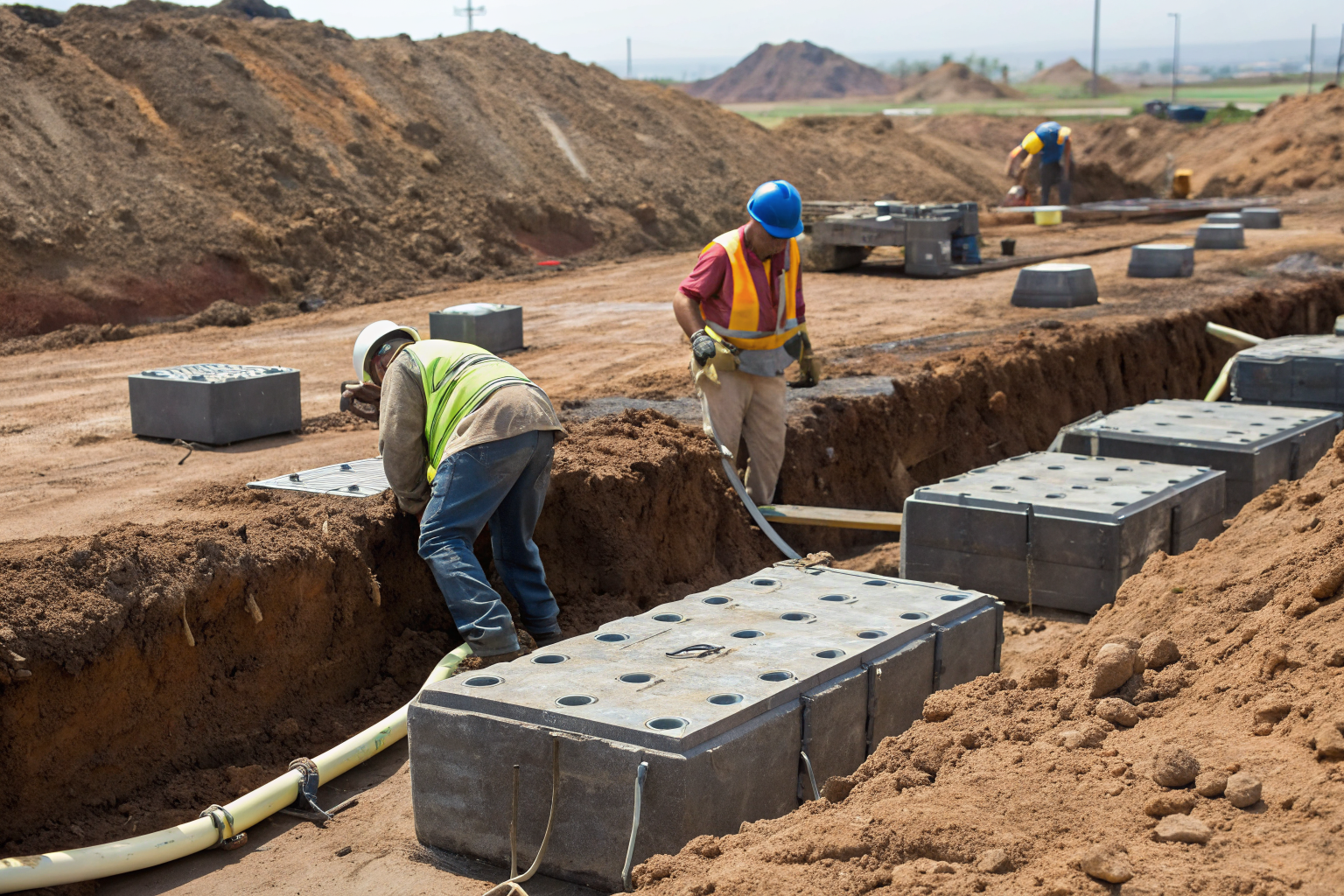
Site conditions dictate system selection through these common problem scenarios:
Clay soils with slow percolation rates require mound systems or aerobic units with surface discharge. Conventional drainfields fail in clay because effluent can’t infiltrate fast enough.
High groundwater tables force elevated system installations through mound system construction or aerobic treatment with controlled discharge timing.
Small lots under 0.5 acres with failed perc tests typically require aerobic systems with surface discharge permits since conventional drainfield sizing won’t fit available space.
Steep slopes exceeding 30% grade need chamber system installations or aerobic units with uphill discharge capabilities that conventional gravity systems can’t achieve.
Bedrock within 4 feet of surface mandates either mound system construction or aerobic treatment because conventional drainfields need minimum soil depth for proper filtration.
Seasonal water table fluctuations require aerobic systems with holding tank capabilities that time effluent discharge during appropriate groundwater conditions.
Properties near surface water bodies get aerobic system requirements through environmental protection regulations that demand higher treatment levels before discharge.
Lots under 0.5 acres with failed perc tests typically require aerobic systems with surface discharge because conventional drainfield sizing requirements exceed available land area.
What Actually Breaks First and Costs Most to Fix?
| Failure Type | Conventional Timeline | Aerobic Timeline | Repair Cost |
|---|---|---|---|
| Septic Tank Baffles | 15-20 years | 15-20 years | $800-$1,500 |
| Drainfield Failure | 20-30 years | 25-35 years | $8,000-$15,000 |
| Blower Motor | N/A | 2-3 years | $800-$1,200 |
| Control Panel | N/A | 8-12 years | $1,500-$2,500 |
| Aerobic Chamber | N/A | 15-25 years | $3,000-$5,000 |
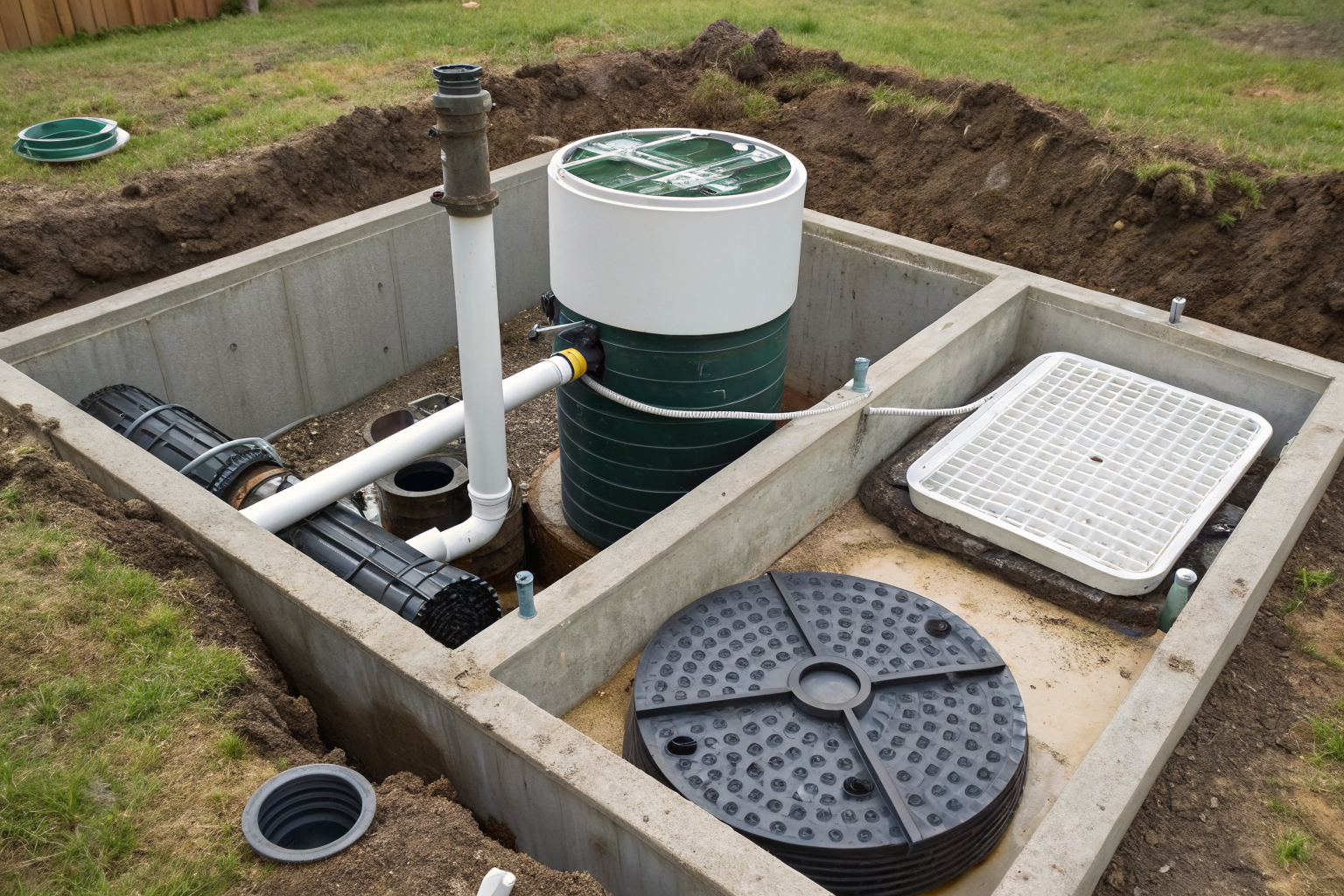
Aerobic blowers fail every 2-3 years at $800-$1,200 replacement cost versus conventional systems with no moving parts. This single component difference drives most maintenance cost variations.
System components fail at different rates based on mechanical complexity. Aerobic treatment units contain pumps, blowers, timers, and electrical systems that conventional septic tanks avoid entirely.
Failure patterns show conventional systems lasting longer between major repairs but requiring complete drainfield replacement more often. Aerobic systems need frequent component maintenance but extend drainfield life through superior effluent quality.
Septic tank longevity remains similar between system types at 25-40 years with proper maintenance. The aerobic treatment unit adds complexity but doesn’t affect basic tank durability.
Warranty coverage varies significantly between manufacturers. Conventional system warranties typically cover tanks for 20-25 years but exclude drainfield components. Aerobic system warranties include mechanical components for 2-5 years with extended coverage available.
Drainfield replacement represents the highest single repair cost for both system types. However, aerobic systems postpone this expense through better effluent treatment that prevents biomat formation and soil clogging.