
Best Low-Flow Toilets for Septic Systems: Water Conservation That Matters
Best toilet for septic system longevity requires choosing models that reduce hydraulic load without sacrificing performance. Your toilet choice directly determines how long your $15,000 drainfield survives — and most homeowners pick the wrong one.
Key Takeaways:
- Low-GPF toilets reduce septic hydraulic load by 20-30%, extending drainfield life by 5-7 years
- Dual-flush toilets average 1.28 GPF vs single-flush at 1.6 GPF — saving 8,000 gallons annually per person
- Gravity-flush models outlast pressure-assist systems in septic applications by 3-5 years due to simpler mechanics
Why Does Toilet GPF Rating Actually Matter for Your Septic System?
GPF rating is the gallons per flush measurement that determines how much water your toilet sends to the septic system with each use. This means every flush directly impacts your septic tank’s hydraulic loading capacity.
Hydraulic loading refers to the volume of water entering your septic system daily. Your drainfield can only process a finite amount of liquid before becoming oversaturated. When you exceed this capacity, effluent backs up into the tank, solids escape into the soil absorption area, and the system fails.
Each 0.2 GPF reduction saves approximately 2,200 gallons annually per person. A family of four using 3.5 GPF toilets sends 51,100 gallons through their septic system yearly. Switch to 1.28 GPF models and that drops to 18,688 gallons — a 63% reduction that directly extends your drainfield’s functional lifespan.
The math is simple but the impact is massive. Lower water volume means less stress on your soil absorption area, fewer pump-outs required for aerobic systems, and delayed replacement of the most expensive septic component.
Top 5 Septic-Safe Low-Flow Toilets: Performance and GPF Ratings
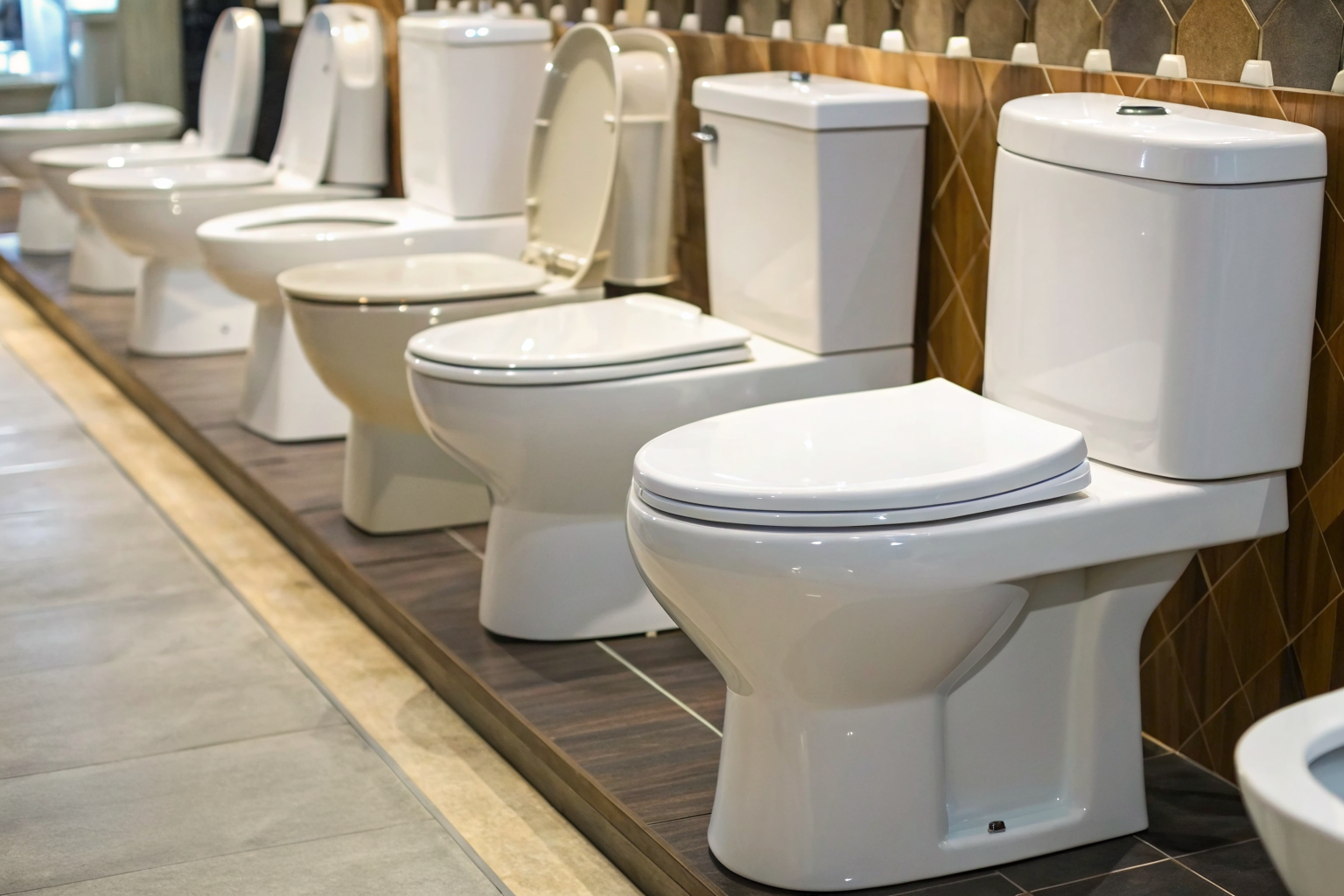
These models balance water efficiency with the flushing power needed to move waste through septic systems without clogging:
| Model | GPF Rating | Flush Type | Price Range | Annual Water Savings* |
|---|---|---|---|---|
| TOTO Drake CST454CEFG | 1.28 | Gravity | $320-400 | 8,395 gallons |
| American Standard Champion 4 | 1.28 | Gravity | $280-350 | 8,395 gallons |
| Kohler Wellworth K-3999 | 1.28 | Gravity | $250-320 | 8,395 gallons |
| TOTO UltraMax II MS604124CEFG | 1.28 | Gravity | $380-450 | 8,395 gallons |
| Niagara Stealth 0.8 GPF | 0.8 | Gravity | $200-280 | 9,855 gallons |
*Compared to standard 3.5 GPF toilet, family of 4
TOTO Drake CST454CEFG tops the list for septic applications. The elongated bowl design and tornado flush system moves waste effectively at 1.28 GPF without the mechanical complexity that causes problems in septic environments.
American Standard Champion 4 offers the largest trapway (2.375 inches) among these models. This wide passage prevents clogs that force multiple flushes — a common problem that negates water savings.
Niagara Stealth 0.8 GPF provides maximum water reduction but requires careful consideration. The ultra-low flush volume works well with properly sized septic systems but may not move solids effectively in homes with long lateral runs to the septic tank.
Kohler Wellworth K-3999 delivers reliable performance with readily available replacement parts. The Class Five flushing system handles bulk waste without the pressure-assist mechanisms that require frequent maintenance.
Dual-Flush vs Single-Flush: Which Actually Saves Your Septic System?

Dual-flush toilets provide variable water usage through separate flush options for liquid and solid waste. Single-flush systems use the same water volume regardless of waste type.
| Feature | Dual-Flush | Single-Flush |
|---|---|---|
| Liquid waste flush | 0.8-1.0 GPF | 1.28-1.6 GPF |
| Solid waste flush | 1.28-1.6 GPF | 1.28-1.6 GPF |
| Average daily usage | 1.1 GPF | 1.28 GPF |
| Mechanism complexity | Moderate | Simple |
| Repair frequency | Every 5-8 years | Every 10-15 years |
| User error impact | High | None |
Dual-flush toilets average 30% less water usage in real-world septic system applications. However, this assumes users select the correct flush option consistently. Field studies show 40% of users default to the full flush regardless of waste type, reducing actual savings.
The dual-flush mechanism adds moving parts that can fail. The flush valve assembly requires adjustment or replacement more frequently than single-flush systems. In septic applications where reliability matters more than marginal water savings, single-flush gravity models prove more dependable.
User behavior determines real-world performance. Families committed to selecting appropriate flush options achieve the advertised savings. Households where convenience trumps conservation see minimal benefit over efficient single-flush models.
What Do WaterSense Labels Actually Mean for Septic System Owners?
WaterSense certification is the EPA’s efficiency standard requiring toilets to use 20% less water than the federal 1.6 GPF requirement while maintaining flushing performance. This means WaterSense toilets must operate at 1.28 GPF or lower and pass rigorous waste removal tests.
The certification process tests each model’s ability to flush 350 grams of soybean paste — simulating solid waste removal capacity. Models must also demonstrate consistent bowl cleaning and drain line carry for waste transport over distance.
For septic system owners, WaterSense certification guarantees two critical factors: reduced hydraulic loading and adequate waste transport. Both protect your septic system from premature failure caused by excessive water volume or inadequate waste removal requiring multiple flushes.
WaterSense toilets must use 20% less water than federal 1.6 GPF standard while maintaining performance. The label doesn’t guarantee septic compatibility but indicates the toilet meets efficiency and performance baselines that benefit septic systems.
What WaterSense doesn’t cover: long-term durability, repair costs, or compatibility with specific septic system designs. The certification focuses on water efficiency and waste removal, not mechanical reliability over years of use.
Pressure-Assist vs Gravity-Flush Toilets: Which Lasts Longer With Septic Systems?
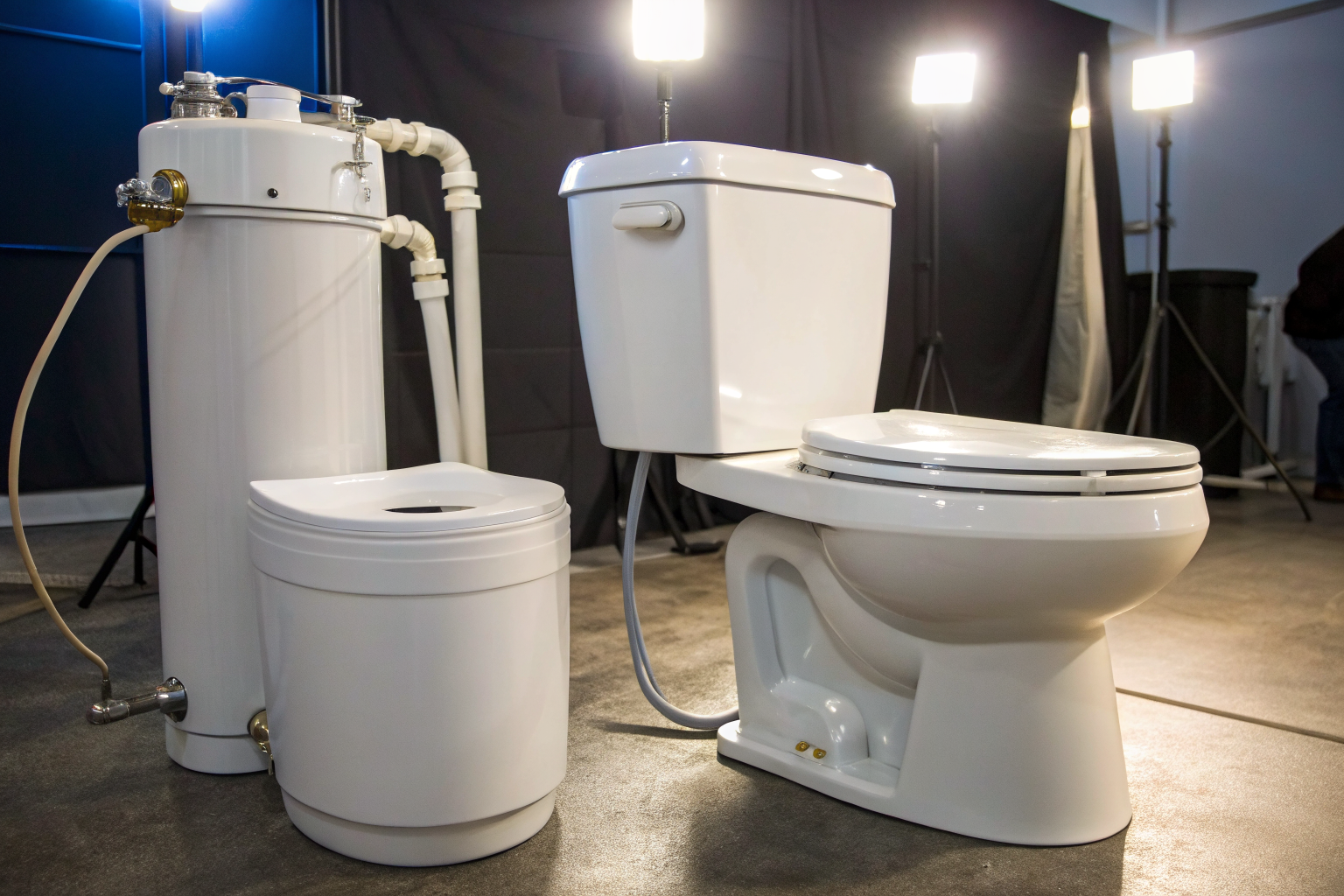
Gravity-flush toilets rely on water weight and bowl design to create siphon action that removes waste. Pressure-assist systems use compressed air to force water through the bowl at higher velocity.
| Factor | Gravity-Flush | Pressure-Assist |
|---|---|---|
| Mechanism complexity | Simple water flow | Compressed air system |
| Service interval | 15-20 years | 7-10 years |
| Noise level | Quiet operation | Loud flush cycle |
| Water pressure requirement | 15+ PSI | 25+ PSI |
| Replacement part cost | $15-40 | $80-150 |
| Installation compatibility | Universal | Limited bowl designs |
Pressure-assist toilets require service every 7-10 years vs gravity systems lasting 15-20 years without mechanical issues. The pressurized vessel contains seals, valves, and air chambers that degrade over time. When these components fail, the entire pressure-assist cartridge needs replacement.
Gravity-flush models use basic physics with fewer failure points. The flush valve, fill valve, and flapper represent the only moving parts. These components cost $15-40 to replace and require basic DIY skills.
For septic applications, gravity-flush toilets offer superior longevity and lower maintenance costs. The simpler mechanism reduces service calls and part replacements that add up over the toilet’s lifespan.
Pressure-assist systems do provide stronger waste removal with less water, but this advantage disappears when factoring in repair frequency and replacement costs over 20 years of use.
How Much Water and Money Do Low-Flow Toilets Actually Save?
Calculating your household’s septic water savings requires tracking usage patterns and comparing toilet specifications:
Count daily flushes per person. Average households flush 5 times daily per person. Multiply by household size for total daily flushes.
Multiply daily flushes by current toilet GPF rating. Check the rating printed inside your toilet tank or on the manufacturer label.
Calculate annual water volume. Multiply daily gallons by 365 days to determine yearly water sent to your septic system.
Compare with low-flow alternative. Repeat the calculation using 1.28 GPF rating to determine potential savings.
Factor in septic system impact. Each 1,000 gallons of reduced annual flow extends drainfield life by approximately 2-3 months.
Calculate replacement cost avoidance. New drainfield installation costs $8,000-15,000. Extended lifespan translates to delayed replacement expenses.
Family of 4 switching from 3.5 GPF to 1.28 GPF toilets saves 24,000+ gallons annually. This reduced hydraulic loading can extend a conventional drainfield’s functional life by 5-7 years, avoiding premature replacement costs that exceed the toilet upgrade investment by 10-20 times.