

Water Testing Kits for Well and Septic Homeowners: What to Test and When
Every homeowner with water testing kit septic well needs regular contamination monitoring. Your well water sits 15 feet from a septic drainfield that processes 300 gallons of waste daily — and most homeowners never test for contamination until someone gets sick.
Key Takeaways:
- Coliform bacteria from septic systems contaminate wells within 100 feet in 23% of tested properties
- Nitrate levels above 10 ppm indicate septic system contamination and require immediate action
- DIY test kits detect bacterial contamination with 89% accuracy compared to EPA-certified labs
What Water Contamination Risks Do Septic Systems Actually Create?

Septic system contamination is the migration of untreated wastewater from failing septic components into groundwater sources. This means bacteria, viruses, nitrates, and phosphorus from human waste can reach your drinking water supply through soil infiltration or surface runoff.
Three contamination pathways connect septic systems to well water. Drainfield failure allows raw sewage to pool on the surface or create shallow groundwater plumes. Tank overflow from blocked outlets pushes effluent toward the surface. Cracked distribution boxes channel untreated waste directly into soil layers that feed water tables.
System age drives contamination risk. EPA data shows 10-15% of septic systems fail annually, with failure rates jumping to 40% for systems over 30 years old. Concrete tanks develop cracks. Steel components corrode. Drainfield soil becomes saturated and loses filtration capacity.
Proximity matters because contamination follows groundwater flow patterns. Wells within 50 feet of septic systems face the highest risk. Wells 50-100 feet away still show contamination in sandy soils or areas with high water tables. Wells beyond 100 feet typically remain unaffected unless geological conditions create direct flow paths.
Bacterial contamination appears first. Nitrate contamination follows as organic matter breaks down. Both indicate septic system failure, but nitrates persist longer in groundwater and travel further from the source.
How to Test Well Water Near Septic Systems: Which Tests Matter Most

Coliform testing detects bacterial contamination from septic systems. Coliform bacteria live in human intestines and indicate the presence of disease-causing organisms. E. coli testing provides specific confirmation of fecal contamination.
Nitrate testing reveals chemical contamination from decomposing waste. Nitrates form when organic nitrogen breaks down in soil. Levels above 10 ppm exceed EPA drinking water standards and indicate septic system impact on groundwater.
| Test Type | What It Detects | Normal Range | Contamination Indicator | Testing Cost |
|---|---|---|---|---|
| Total Coliform | Bacterial contamination | 0 CFU/100ml | Any positive result | $25-50 |
| E. Coli | Fecal contamination | 0 CFU/100ml | Any positive result | $30-60 |
| Nitrates | Chemical contamination | 0-10 ppm | Above 10 ppm | $15-30 |
| pH | Water acidity | 6.5-8.5 | Below 6.5 or above 8.5 | $10-20 |
| Iron/Manganese | Mineral content | Varies | Taste/odor changes | $20-40 |
Test coliform annually, nitrates every 3 years, pH every 5 years for wells within 100 feet of septic systems. Wells within 50 feet need coliform testing twice yearly. New installations require baseline testing before first use.
Optional tests include total dissolved solids, sulfates, and chlorides. These detect general water quality changes but don’t specifically indicate septic contamination. Focus your budget on coliform and nitrate testing for septic-related issues.
Seasonal timing affects results. Test during wet seasons when groundwater flows increase contamination transport. Avoid testing immediately after heavy rainfall, which can dilute contamination levels and produce false negatives.
Best Water Testing Kits for Well Water: DIY vs Lab Accuracy Comparison
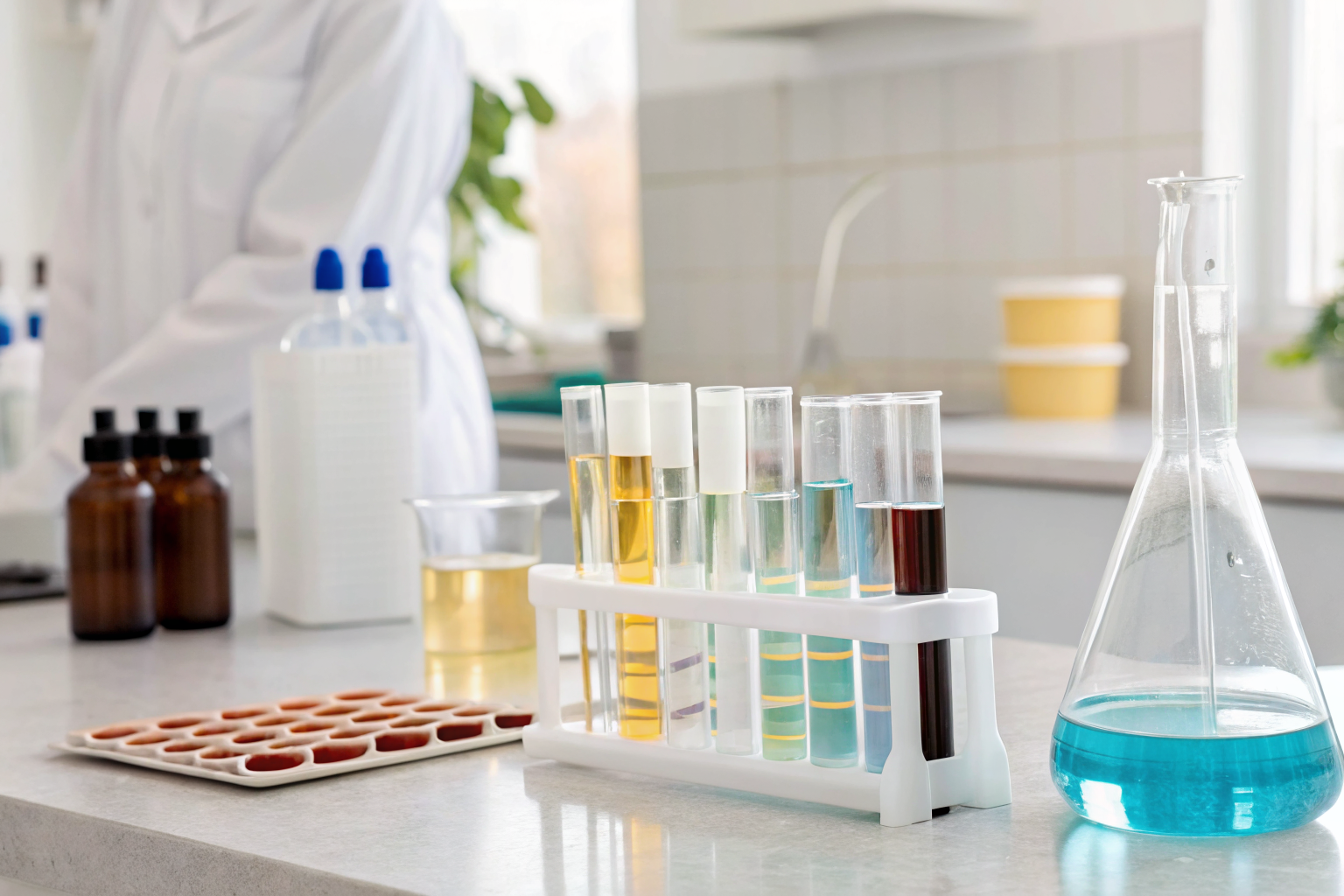
DIY test kits provide 89% accuracy for bacterial detection compared to EPA-certified laboratories. This accuracy level works for routine monitoring but certified lab results are required for health department compliance and real estate transactions.
Coliform test strips detect bacteria presence within 24-48 hours. Nitrate test strips show results in 60 seconds. pH strips provide immediate readings. These kits cost $20-50 and work for monthly or quarterly monitoring.
| Testing Method | Coliform Accuracy | Nitrate Accuracy | Turnaround Time | Cost Range | Best Use Case |
|---|---|---|---|---|---|
| DIY Test Strips | 89% | 92% | 24-48 hours | $20-50 | Routine monitoring |
| Mail-in Lab Kits | 98% | 99% | 5-7 days | $75-150 | Annual testing |
| Certified Lab | 99%+ | 99%+ | 3-5 days | $150-300 | Compliance testing |
| Professional Collection | 99%+ | 99%+ | 2-4 days | $200-400 | Transfer inspections |
Well-Check coliform test kits detect bacteria in 48 hours with 89% accuracy for $35. Pro-Lab nitrate strips show results in 60 seconds with 92% accuracy for $25. These DIY options work for regular monitoring between professional tests.
Certified lab testing becomes necessary when DIY results show contamination. State Health Department requirements mandate certified results for Septic System Permit renewals and Transfer Inspection Requirements. Insurance claims also require certified lab documentation.
Professional sample collection eliminates contamination from improper sampling technique. Technicians use sterile bottles, proper flushing procedures, and chain-of-custody documentation. This service costs $50-100 above lab fees but ensures accurate results.
What Do Your Water Test Results Actually Mean?

Check coliform results first. Zero coliform colonies per 100ml indicates safe bacterial levels. Any positive coliform result means immediate action and retesting within 24 hours.
Interpret nitrate levels against EPA standards. Levels below 10 ppm meet drinking water standards. Levels 10-20 ppm indicate possible septic contamination. Levels above 20 ppm confirm septic system failure.
Compare pH readings to normal ranges. pH between 6.5-8.5 indicates normal water chemistry. pH below 6.5 suggests acid contamination from failing septic systems. pH above 8.5 indicates mineral contamination.
Look for contamination patterns. Rising nitrate levels over time indicate progressing septic system failure. Seasonal spikes in bacterial contamination suggest surface water infiltration during wet periods.
Distinguish septic contamination from other sources. High nitrates with positive coliform tests indicate septic system problems. High nitrates with negative coliform tests suggest agricultural fertilizer contamination. Positive coliform tests with normal nitrates indicate surface contamination or well casing problems.
Nitrate levels indicate septic system drainfield failure when combined with other contamination markers. Effluent Filter Brands and Septic Tank Alarm Systems can prevent contamination from reaching groundwater when properly maintained.
When Should You Test Your Well Water if You Have a Septic System?
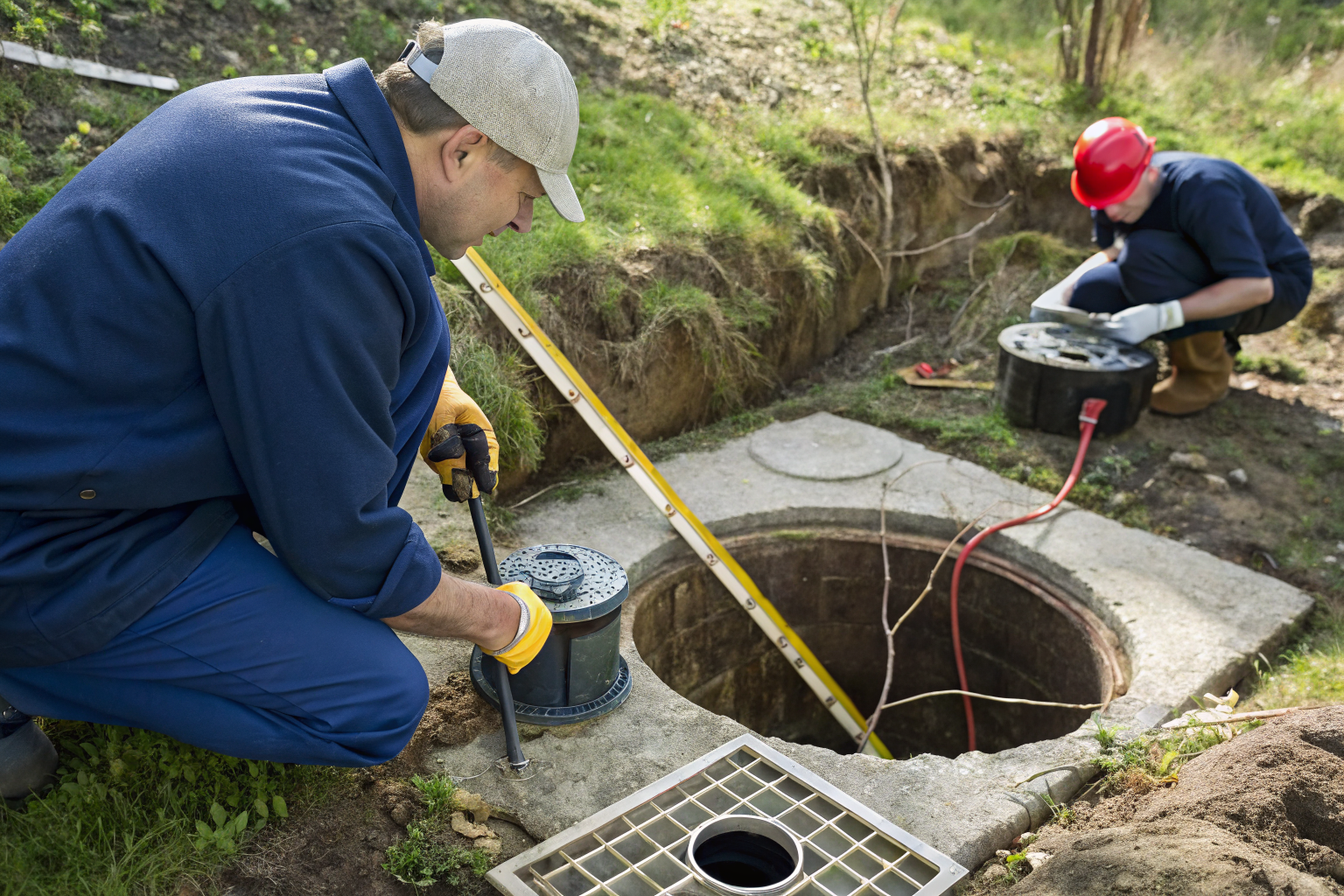
Testing frequency depends on septic system age and distance from your well. Systems over 20 years old require testing every 6 months within 50 feet of wells.
• Annual coliform testing for all wells within 100 feet of septic systems, regardless of system age or apparent condition
• Bi-annual testing for wells within 50 feet of septic systems over 15 years old or showing signs of stress
• Quarterly testing during wet seasons for wells within 25 feet of older systems or in areas with high water tables
• Immediate testing after septic system pumping, repairs, or any surface sewage appearance
State Health Department requirements vary by location but typically mandate annual testing for wells within 100 feet of septic systems. Some states require testing before Septic System Permit renewals or property transfers.
Seasonal considerations affect testing schedules. Spring testing after snowmelt captures contamination from winter system stress. Fall testing before freeze conditions helps identify problems before cold weather makes repairs difficult.
Trigger events require immediate water testing. Surface sewage appearance, septic odors near the well, or sudden changes in water taste or color indicate possible contamination. System backups or pump failures also trigger immediate testing requirements.
What Happens When Your Well Water Tests Positive for Septic Contamination?

Stop drinking the water immediately. Switch to bottled water for drinking, cooking, and ice making until contamination clears and retesting confirms safety.
Schedule septic system inspection within 48 hours. Professional inspection identifies the contamination source and required repairs. Document findings for insurance and health department reporting.
Disinfect the well using chlorine shock treatment. Chlorine shock disinfection requires 50-100 ppm concentration for 8-24 hours to kill bacteria. Flush the system completely before retesting.
Retest water 72 hours after disinfection. Use certified lab testing to confirm contamination elimination. Continue bottled water use until negative test results confirm safety.
Install temporary filtration if repairs take weeks. Whole-house carbon filtration removes chlorine taste. UV sterilization kills bacteria but doesn’t remove nitrates. Reverse osmosis systems remove both bacteria and nitrates.
Report contamination to local health authorities. Many jurisdictions require contamination reporting within 24 hours. Documentation helps protect property values and establishes timeline for insurance claims.
Positive contamination tests require immediate septic system inspection to identify the failure source. Septic-Safe Certification Labels on repair materials ensure compatibility with existing system components.