

Septic System for a Vacation Home: What to Know About Part-Time Use
Your septic system vacation home faces a brutal cycle that destroys most systems within 15 years: months of bacterial starvation followed by sudden overload when the family arrives.
Key Takeaways:
- Septic bacteria die within 30-45 days without water flow, requiring 2-4 weeks to rebuild treatment capacity
- Vacant vacation homes face 3x higher freeze damage risk to septic pipes and tanks than occupied properties
- Peak occupancy periods can overload systems by 300-400% of design capacity when multiple families visit
Can Your Septic System Sit Unused for Months?
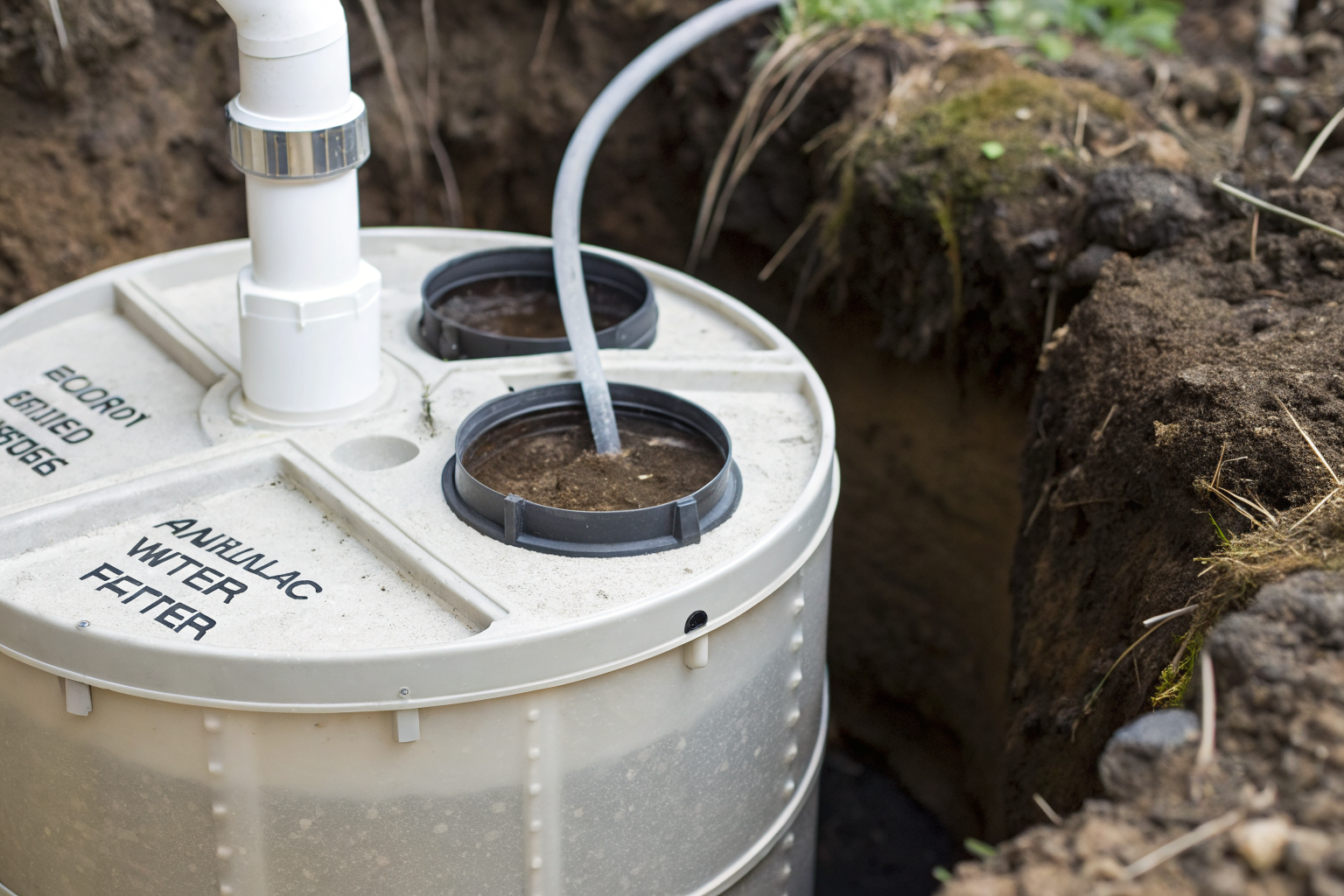
Bacterial populations in vacation property septic systems face a biological reality that most owners ignore. Septic bacteria are anaerobic organisms that process waste through constant feeding cycles. This means they require regular water flow and organic matter to survive.
The bacterial die-off starts within two weeks of vacancy. After 30-45 days without water flow, the bacterial population crashes to 10-15% of active levels. The surviving bacteria cluster around the tank’s sludge layer, essentially hibernating until water flow resumes.
This bacterial crash has immediate consequences. Your septic system vacation home loses its primary treatment mechanism during extended vacancy. Raw sewage passes through the tank with minimal processing, heading straight to your drainfield. The soil absorption system becomes your only treatment barrier.
Most vacation homes sit vacant for 3-8 months annually. During this period, the anaerobic bacteria that break down solid waste and convert harmful compounds die from starvation. The process isn’t gradual — it’s a population collapse that happens faster than most owners realize.
The bacterial ecosystem in your septic tank includes multiple species. Primary bacteria break down proteins and fats. Secondary bacteria convert ammonia to less harmful compounds. Both populations need consistent feeding to maintain colony strength. Without regular waste input, these beneficial bacteria populations crash within 6-8 weeks of vacancy.
What Happens to Your Septic System During Extended Vacancy?
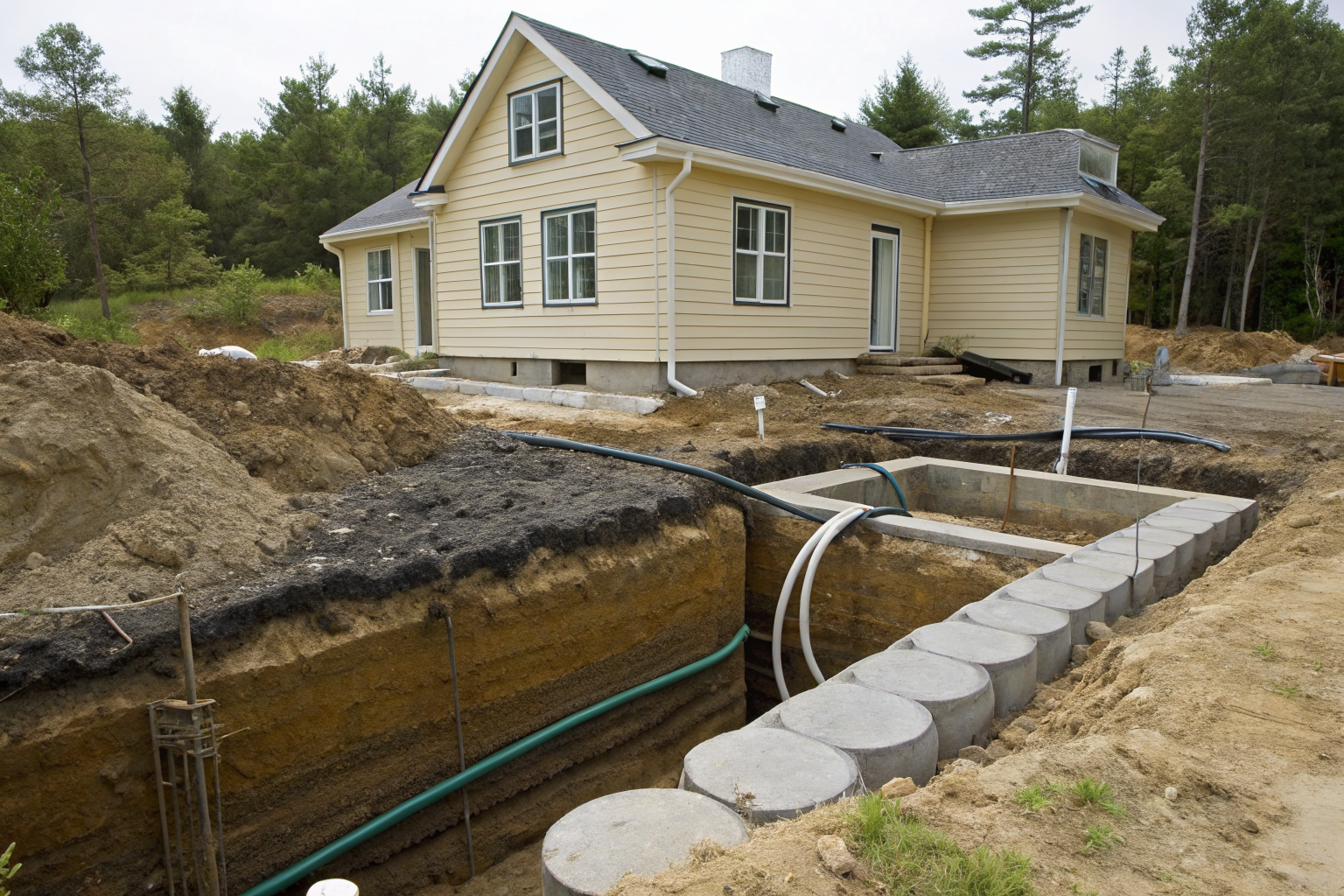
Extended vacancy causes multiple system stress factors that compound over time. Your septic system vacation home experiences conditions that never occur in permanently occupied properties.
| Vacancy Duration | Bacterial Population | Water Seal Status | Temperature Protection | Sludge Layer |
|---|---|---|---|---|
| 0-4 weeks | 90-70% active | Intact | House heat active | Normal distribution |
| 2-3 months | 40-15% active | Evaporated | No heat source | Beginning to compact |
| 6+ months | 5-10% active | Completely dry | Ambient only | Hard-packed layer |
| 12+ months | Near-dormant | Dry with odor escape | Full temperature swings | Concrete-like crust |
Water seal evaporation happens within 6-8 weeks of no water usage. The P-traps in your vacation home dry out, allowing sewer gases to enter the house through drains. More critically, the lack of water flow means no hydraulic pressure to push effluent through the drainfield distribution system.
Temperature fluctuations become extreme without heated water flowing through the system. Occupied septic systems benefit from warm water from showers, laundry, and dishwashing. This heated water prevents freeze damage and maintains bacterial activity during cold periods. Vacant systems experience full ambient temperature swings.
Settling patterns change dramatically during extended vacancy. Normal septic tanks maintain three distinct layers: scum on top, liquid in the middle, sludge on the bottom. Without water flow to maintain mixing and bacterial activity, these layers compact and solidify. The sludge layer becomes increasingly difficult to pump after 8-12 months of vacancy.
Pipe and fitting joints experience stress from temperature cycling without the moderating effect of regular water flow. Rubber seals dry out and crack. Metal components corrode faster without the protective bacterial biofilm that active systems maintain.
How Do You Restart Your Septic System After Extended Vacancy?
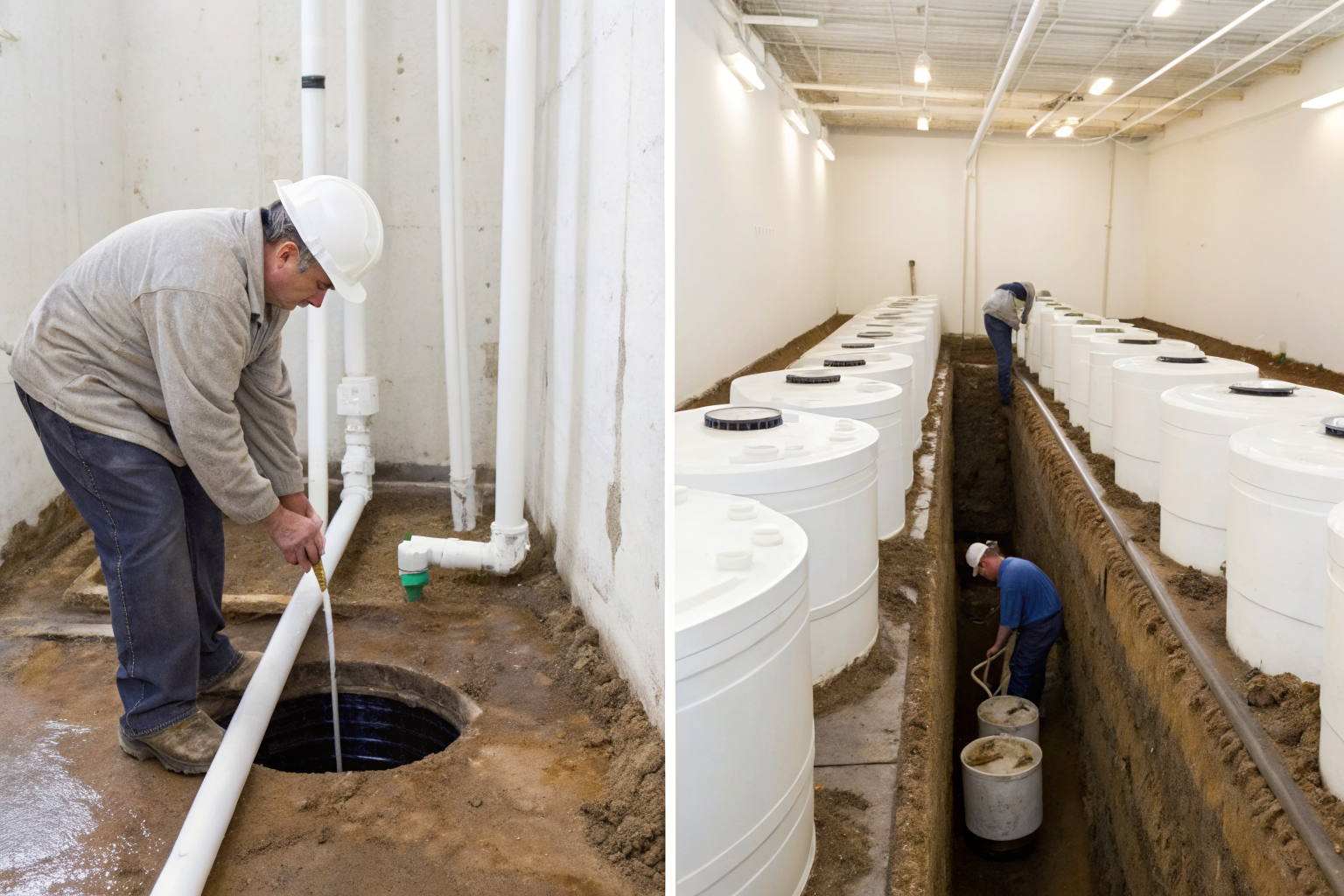
Septic system reactivation requires gradual water flow restoration to avoid shocking the dormant bacterial populations and overwhelming the compromised treatment capacity.
Start water flow gradually over 48-72 hours. Begin with 10-15 gallons on day one — enough to refill P-traps and reestablish water seals. Increase daily water usage by 20-30 gallons each day until you reach normal household consumption levels.
Run all faucets and flush all toilets once daily for the first week. This prevents air pockets in the distribution system and ensures even water flow throughout the septic tank. Focus on spreading water usage throughout the day rather than large volume dumps.
Limit occupancy to 2-3 people maximum for the first 2-3 weeks. Your bacterial population needs time to rebuild before handling normal waste loads. Peak occupancy during bacterial recovery destroys treatment capacity faster than the bacteria can reproduce.
Avoid antibacterial products, bleach, and harsh chemicals for 30 days minimum. The recovering bacterial population remains fragile for 4-6 weeks. Standard household cleaners can crash the rebuilding colonies before they establish stable population levels.
Monitor for surface water or odors around the drainfield area. Compromised bacterial treatment means more organic material reaches your drainfield. Watch for wet spots, unusual grass growth, or sewage odors that indicate system overload during the recovery period.
Schedule bacterial recovery supplements if vacancy exceeded 6 months. Commercial bacterial additives can jumpstart population recovery, but only specific strains work. Avoid generic “septic tank treatments” — they contain wrong bacteria types for anaerobic environments.
The bacterial recovery timeline runs 2-4 weeks depending on vacancy duration and system age. Older systems with established biofilms recover faster than newer installations. Water temperature also affects recovery — cold water slows bacterial reproduction significantly.
Why Do Vacation Home Septic Systems Freeze More Often?
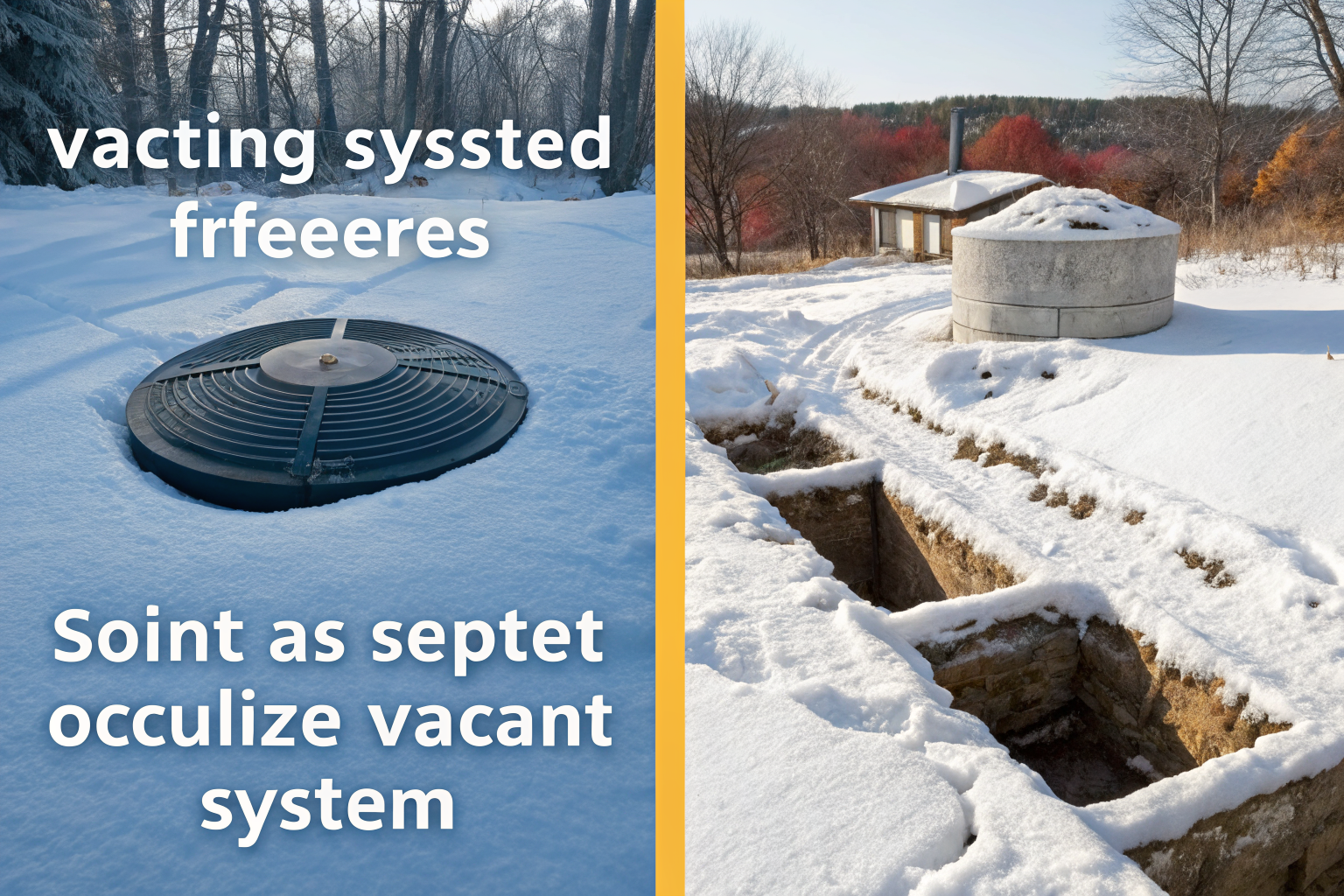
Vacant septic systems freeze at higher temperatures than occupied systems due to the absence of heat sources that keep active systems above freezing temperatures.
• No heated water input to maintain ground temperature. Occupied homes send 120-140°F water through the septic system daily via showers, dishwashing, and laundry. This heated water keeps the immediate soil around pipes and tanks above freezing even when air temperatures drop to 10-15°F.
• Loss of house heat transfer to septic components. Most septic tanks sit within 15-25 feet of the house foundation. Occupied homes transfer heat through the ground via basement warmth, heated crawl spaces, and foundation heat loss. Vacant homes provide no ground heating.
• Elimination of bacterial heat generation. Active bacterial populations generate heat through metabolic processes. A healthy septic tank runs 5-8°F warmer than ambient ground temperature due to bacterial activity. Dormant systems lose this internal heat source.
• Increased exposure to wind and surface cooling. Without regular water flow, septic tanks experience full temperature cycling with outdoor conditions. The thermal mass of moving water moderates temperature swings in active systems.
• Dry pipes conduct cold faster than water-filled pipes. Air-filled pipes transfer cold temperatures much faster than water-filled systems. Vacant septic systems often have partially or completely dry distribution lines that freeze solid at 28-30°F instead of the 20-22°F freezing point for water-filled pipes.
Freeze damage patterns differ between vacant and occupied systems. Vacant systems typically freeze at pipe joints and pump connections first. Occupied systems freeze at exposed pipe runs and inadequately insulated components. The repair costs run 40-60% higher for vacant system freeze damage because multiple components fail simultaneously.
How Much Water Usage Can Your Vacation Home Septic Handle During Peak Visits?
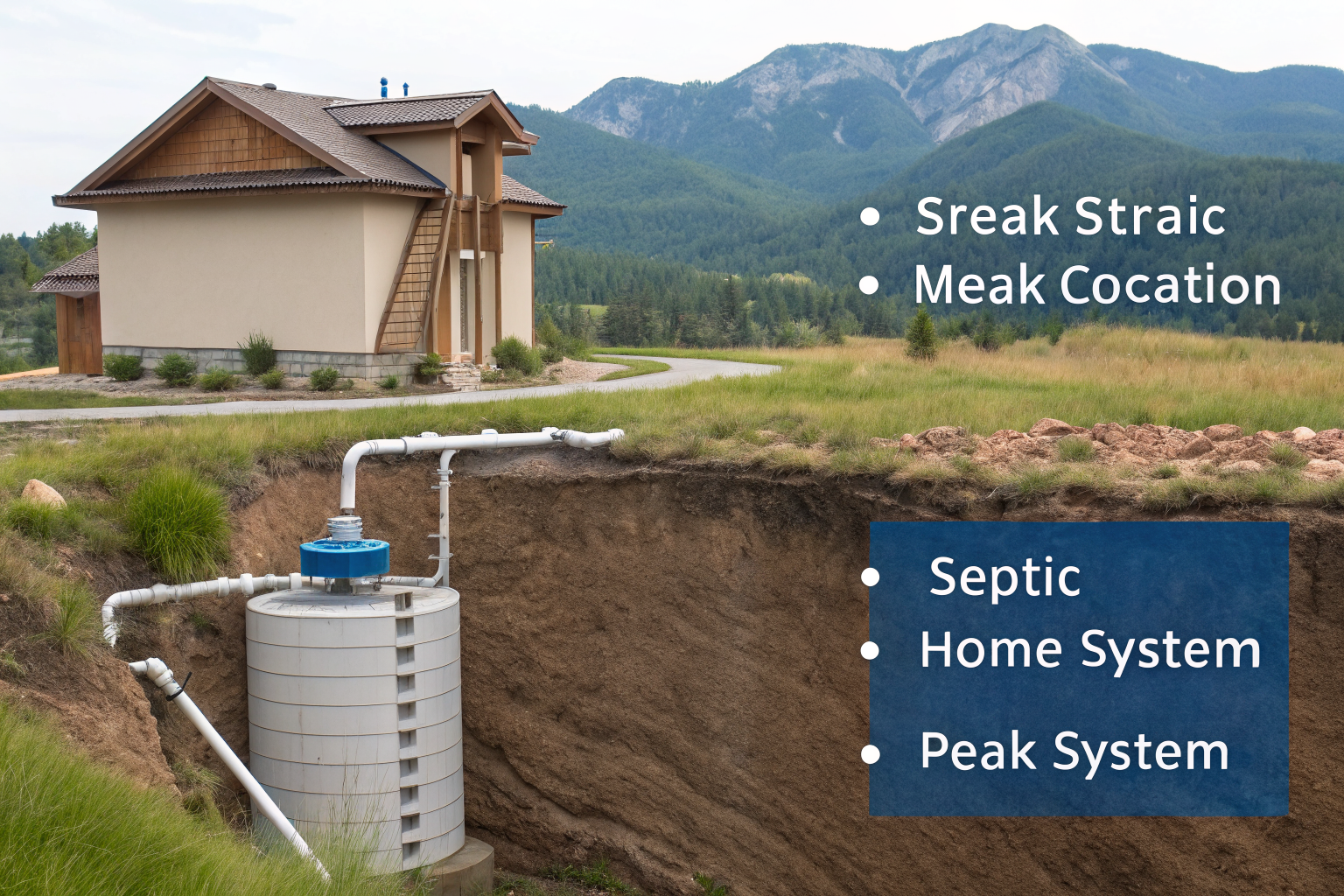
Peak occupancy can exceed septic system design capacity by 300-400% when multiple families converge on vacation properties during holidays and summer periods.
| Occupancy Level | Daily Water Usage | Septic Tank Load | Drainfield Stress | Bacterial Capacity |
|---|---|---|---|---|
| 2 people (normal) | 100-120 gallons | Design capacity | Normal absorption | Adequate treatment |
| 4 people (small group) | 200-250 gallons | 180% of design | Moderate stress | Borderline adequate |
| 8 people (large family) | 400-500 gallons | 350% of design | Severe overload | Treatment failure |
| 12+ people (reunion) | 600-800 gallons | 500%+ of design | System failure | Complete bypass |
Most vacation home septic systems were sized for 2-4 person occupancy based on the primary residence model. Peak vacation occupancy typically runs 8-12 people for extended weekends or week-long stays. This creates a water volume crisis that overwhelms both the septic tank and drainfield components.
The drainfield suffers the most severe damage during peak occupancy periods. Soil absorption systems need 24-48 hours between large water inputs to properly filter and absorb effluent. Peak occupancy creates continuous water flow that saturates the soil and eliminates treatment capacity.
Bacterial treatment capacity becomes the limiting factor during high-occupancy periods. Even if your septic tank physically holds the extra volume, the bacterial population cannot process 400-500% of normal waste loads. Untreated sewage passes directly to your drainfield, causing rapid system failure.
Water usage timing matters as much as total volume. Spreading 400 gallons across 16-18 hours allows some bacterial processing and soil recovery. Dumping 400 gallons in 4-6 hours through morning showers and evening cleanup overwhelms system capacity completely.
Temporary overload becomes permanent damage when peak occupancy occurs during bacterial recovery periods or on systems with compromised drainfield capacity. The combination of weak bacterial populations and excessive water volume creates system failures that require professional repair.
What Permits and Assessments Do You Need for Vacation Property Septic?
Vacation property septic permits differ from primary residence requirements because seasonal use patterns create unique regulatory considerations that most state health departments address through modified inspection schedules.
| Property Status | Initial Permit Required | Inspection Frequency | Age Assessment Trigger | New Construction Septic Requirements |
|---|---|---|---|---|
| New vacation home | Full septic system permit | Every 3-5 years | N/A – new system | Enhanced soil testing, seasonal flow calculations |
| Existing under 15 years | Transfer permit only | Every 5 years | Age 10+ or sale | Standard perc test, visual inspection |
| Existing over 15 years | Full evaluation | Every 2-3 years | Immediate assessment | Complete system replacement evaluation |
| Converted primary residence | Reclassification permit | Every 3 years | Age-based assessment | Usage pattern documentation |
Septic system age assessment becomes critical for vacation properties because extended vacancy periods accelerate component deterioration. Systems over 15 years old require professional evaluation before seasonal use patterns begin. The assessment covers bacterial capacity, drainfield absorption rates, and structural integrity of tanks and distribution systems.
State health department requirements vary significantly for seasonal properties. Some states treat vacation homes identically to primary residences. Others require enhanced permitting that accounts for peak occupancy loads and extended vacancy periods. Maine and New Hampshire have specific seasonal property regulations that differ from year-round residence rules.
New construction septic systems on vacation properties often require upgraded sizing calculations that account for peak occupancy rather than average use patterns. The standard 2-3 bedroom house calculation doesn’t apply when 8-12 people regularly use the property during peak seasons.
Permit renewal timelines run shorter for vacation properties in most jurisdictions. The combination of vacancy stress and peak occupancy creates higher failure rates that require more frequent professional inspection. Budget for septic system permits every 3-5 years instead of the 10-year cycle common for primary residences.