

New construction septic system planning starts with a perc test that determines your home’s footprint. Schedule it wrong, and you’ll face expensive design changes mid-build.
Key Takeaways:
- Perc test timing affects your home’s footprint — schedule it 3-6 months before breaking ground to avoid costly design changes
- System sizing is calculated by bedroom count, not bathrooms — a 4-bedroom home requires a 1,200-gallon minimum tank regardless of bathroom quantity
- Reserve drainfield area requirement doubles your usable lot space — you need 100% backup area that stays permanently undeveloped
When Should You Schedule Your Perc Test in the Building Timeline?

Perc test timing determines septic system design approval and prevents expensive mid-construction surprises. Get it wrong, and you’ll redesign your house around soil conditions you could have known months earlier.
Here’s the correct sequence:
-
Schedule the perc test 3-6 months before construction begins. This allows time for permit processing and design modifications if soil conditions require alternative systems.
-
Complete soil testing before finalizing your home’s footprint. The State Health Department uses perc test results to approve your septic system design, which affects where your house can sit on the lot.
-
Process permits during home design phase, not after. Most states require 60-90 days for septic system design approval, and you can’t break ground without it.
-
Coordinate with excavation seasons in your area. Spring and fall offer better soil conditions for accurate perc testing than frozen winter ground or saturated spring soil.
-
Schedule foundation work only after septic system design approval. Changes to your septic design can require moving your house foundation, which costs exponentially more after excavation begins.
Perc tests should be completed 3-6 months before construction begins to allow permit processing time. I’ve seen builders skip this timeline and end up with a $40,000 foundation that had to be moved 15 feet because the drainfield wouldn’t fit in the originally planned location.
One warning: Don’t schedule perc tests during wet seasons. Saturated soil will fail tests that might pass during dry conditions, leading to expensive alternative system requirements you don’t need.
How Do You Size a Septic System for New Construction?
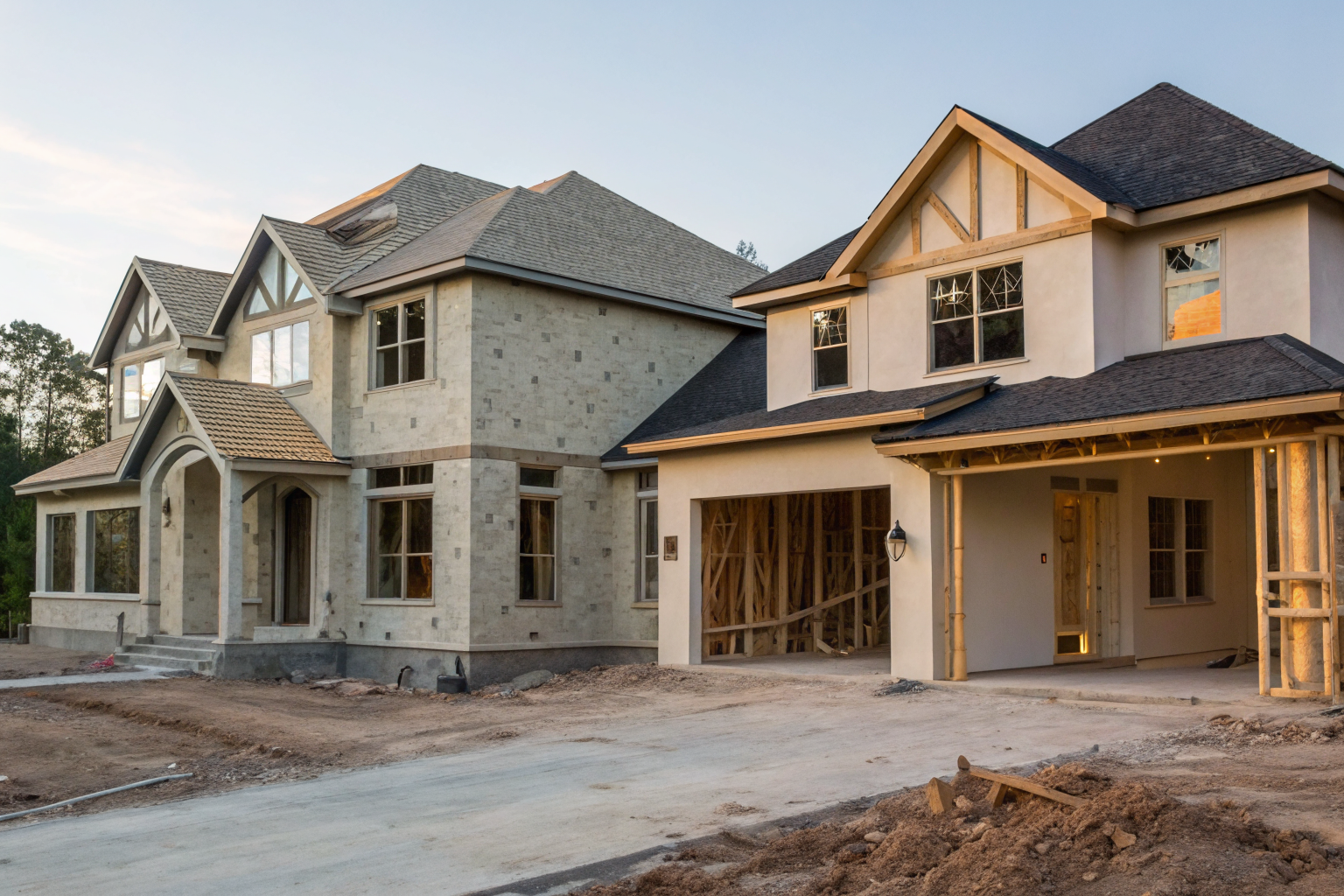
Bedroom count determines septic system sizing requirements, not bathroom count. A 2-bedroom house with 3 bathrooms needs a smaller system than a 4-bedroom house with 1 bathroom because bedrooms indicate occupancy, bathrooms don’t.
Standard sizing requires 150 gallons per bedroom minimum with a 1,000-gallon tank floor for any home. Here’s how it breaks down:
| Bedrooms | Minimum Tank Size | Daily Flow Rate | Drainfield Size |
|---|---|---|---|
| 1-2 | 1,000 gallons | 300 gallons/day | 300 sq ft |
| 3 | 1,000 gallons | 450 gallons/day | 450 sq ft |
| 4 | 1,200 gallons | 600 gallons/day | 600 sq ft |
| 5 | 1,250 gallons | 750 gallons/day | 750 sq ft |
| 6+ | 1,500+ gallons | 900+ gallons/day | 900+ sq ft |
The State Health Department uses these calculations for septic system design approval. Flow calculations drive drainfield design because soil can only absorb a specific volume per day based on perc test results.
Why bathroom count doesn’t matter: A master bathroom with jetted tub and separate shower still serves one bedroom. The occupancy calculation stays the same whether that bedroom has an attached bathroom or shares a hall bathroom with three other bedrooms.
Actually, there’s one exception. If you’re building a home office or guest suite that could function as a bedroom, many health departments count it as a bedroom for sizing purposes even if you call it something else. They look at floor plans, not your room labels.
Warning: Don’t try to game the system by calling bedrooms “offices” or “dens.” Inspectors know what a bedroom looks like, and undersizing your system leads to premature failure and expensive repairs.
What Permits Do You Actually Need for New Construction Septic Systems?
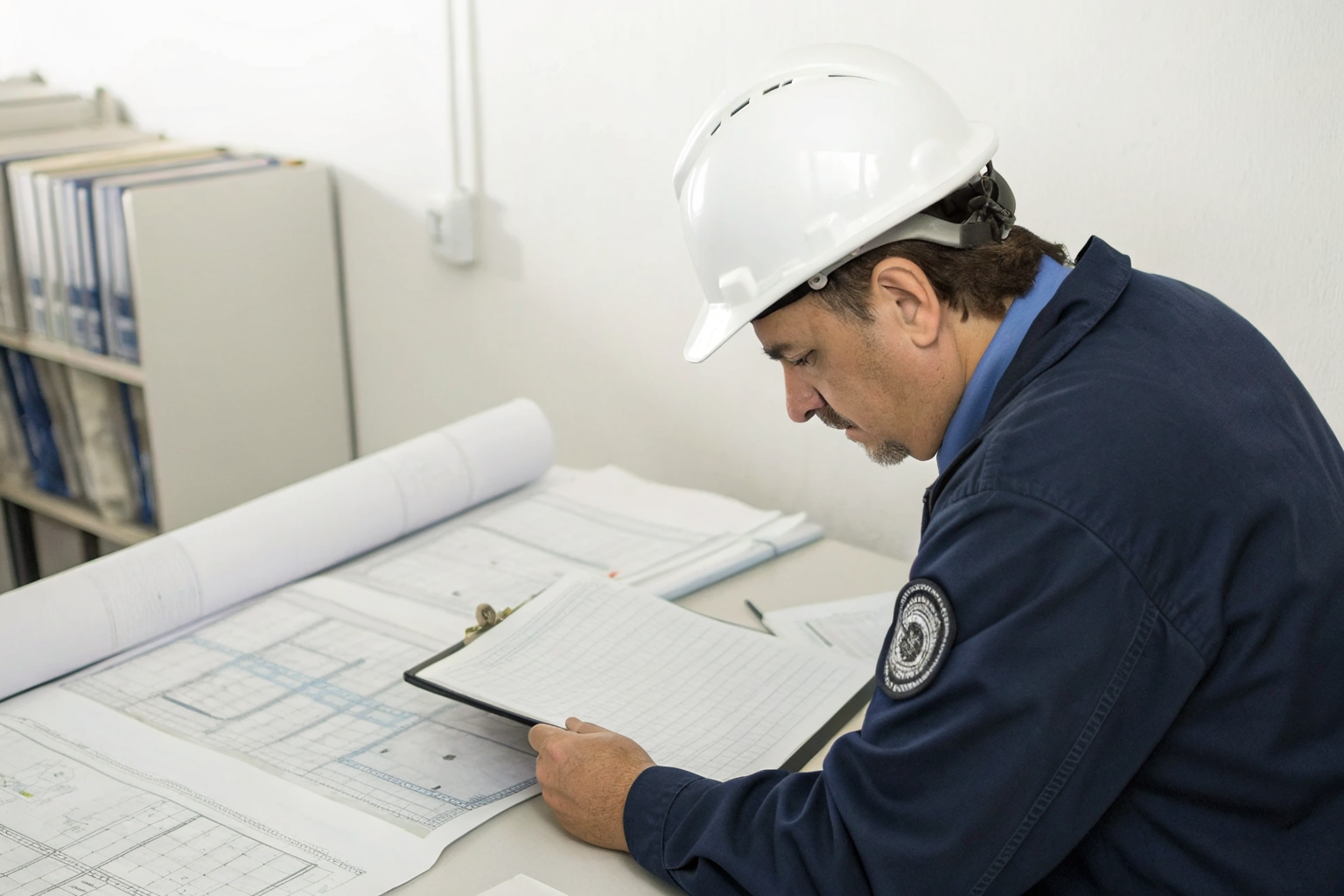
State Health Department issues septic system permits through a multi-step process that requires different approvals at different construction phases. You can’t get all permits at once.
Here’s what you need:
• Septic system design permit — Required before any construction begins. Based on perc test results, home plans, and lot survey. Processing takes 30-60 days.
• Construction/installation permit — Authorizes actual septic system installation. Requires approved design permit first. Must be obtained by licensed installer, not homeowner.
• Final inspection and operation permit — System must pass inspection before you can occupy the house. Inspector checks tank installation, pipe connections, and drainfield construction.
• Building department coordination — Most areas require septic permits before issuing building permits. Your contractor can’t break ground until both are approved.
Most states require separate construction and operation permits with 60-90 day processing times. The construction permit authorizes installation work, but the operation permit is what allows you to use the system.
One detail that trips up builders: Inspector requirements during installation mean you can’t cover the system until it passes inspection. Schedule your inspector before backfilling, or you’ll excavate the entire system again.
Warning: Permit fees vary wildly by state, from $200 in rural counties to $2,000+ in environmental protection zones. Budget accordingly.
How Much Space Does Your Drainfield Reserve Area Actually Require?
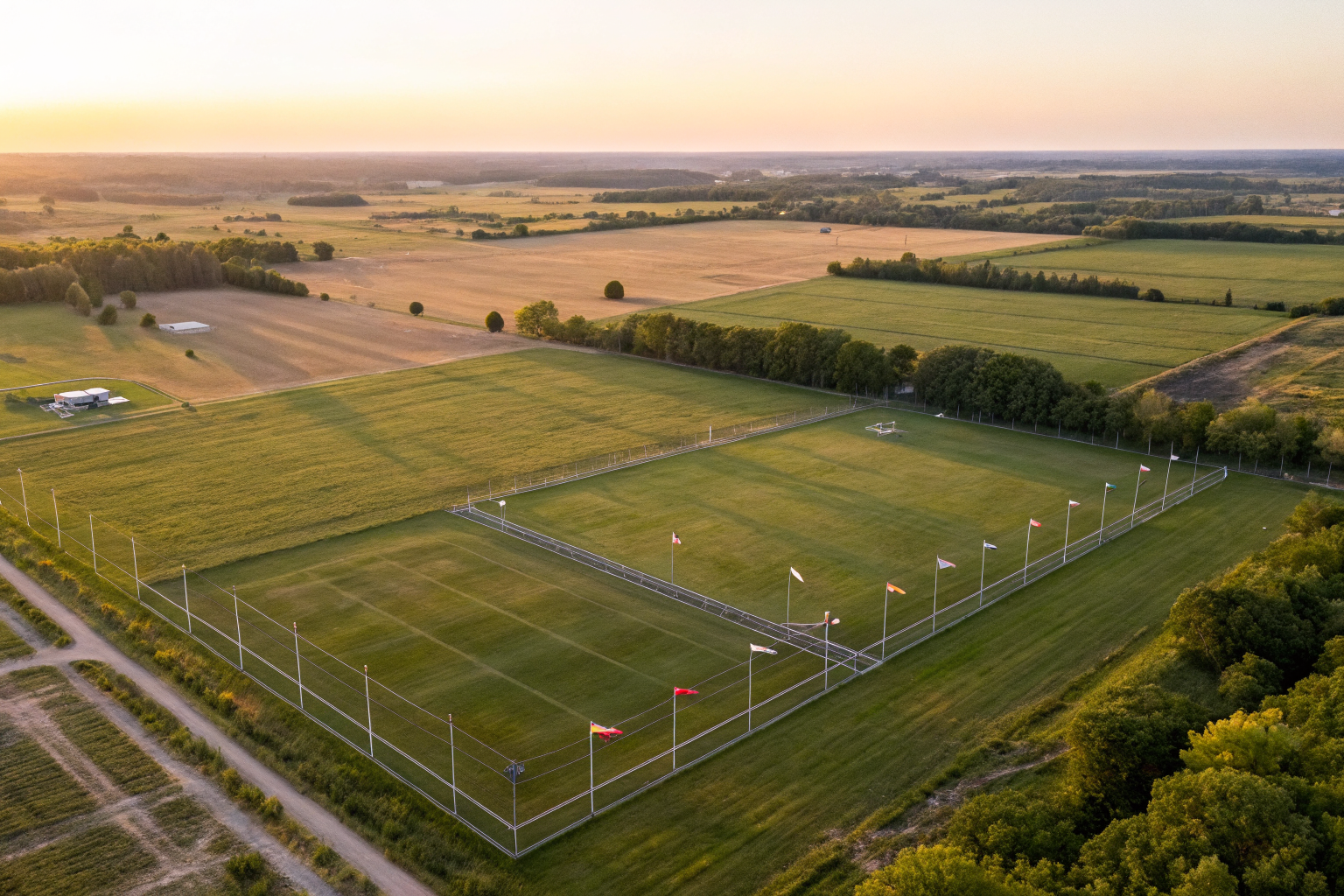
Reserve drainfield area is a mandatory backup zone that must equal 100% of your primary drainfield size and remain permanently undeveloped. This means if your primary drainfield occupies 600 square feet, you need an additional 600 square feet of suitable soil that stays empty forever.
This doubles your septic system’s land consumption. A 4-bedroom home needs 600 square feet for the primary drainfield plus 600 square feet of reserve area, totaling 1,200 square feet of your lot dedicated solely to septic functions.
Reserve drainfield area must equal 100% of your primary drainfield size and remain permanently undeveloped. You can’t build sheds, pools, driveways, or even plant trees with deep roots over the reserve area.
What you can put over reserve areas: Grass, shallow-rooted shrubs, and temporary structures like swing sets that don’t require foundations. What you can’t: Decks, outbuildings, concrete pads, swimming pools, or anything that involves digging deeper than 12 inches.
This requirement exists because drainfields fail. When yours does, you’ll need that reserve area for a replacement system. Without it, you’re looking at expensive alternative systems or off-site disposal.
Actually, some states allow you to use reserve area for other purposes if you agree to install alternative systems when your primary drainfield fails. These agreements typically require engineered systems costing 3-5 times more than conventional drainfields.
Warning: Reserve area requirements can make small lots unbuildable. A typical suburban lot needs at least 1.5 acres to accommodate a house, septic system, and required setbacks comfortably.
What Are the Setback Distance Requirements for New Septic Systems?
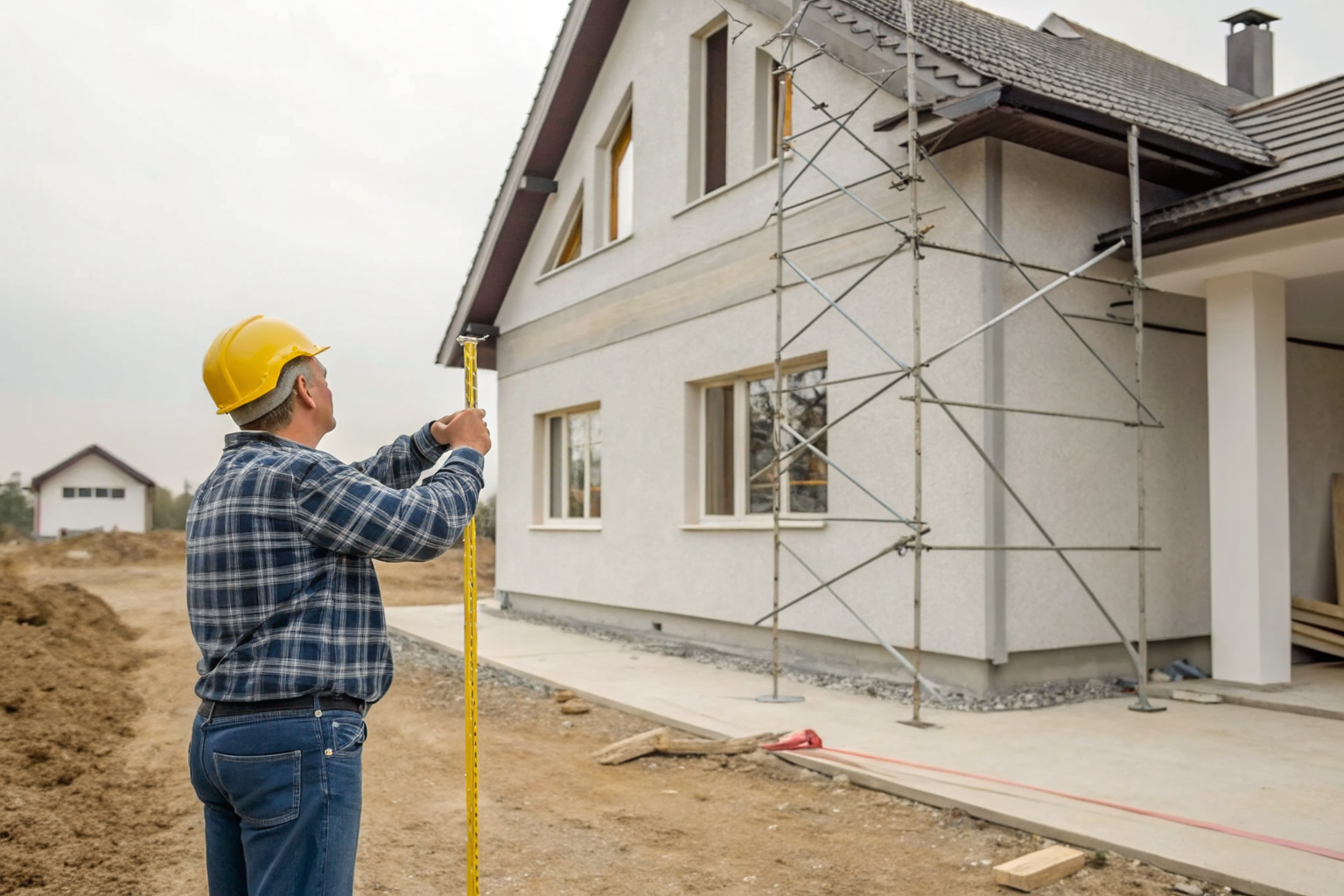
Drainfield setback distance varies by structure type and state regulations, but the pattern is consistent: the more sensitive the feature, the greater the required distance. These aren’t suggestions — they’re legal requirements enforced during permitting.
| Structure/Feature | Minimum Setback | Maximum Setback |
|---|---|---|
| Private well | 75-100 feet | 200 feet |
| Public well | 200-400 feet | 1,000 feet |
| Property lines | 10-15 feet | 25 feet |
| House foundation | 10-20 feet | 50 feet |
| Surface water | 50-100 feet | 300 feet |
| Utility lines | 10 feet | 25 feet |
Standard setbacks range from 10 feet to 100 feet depending on the structure type and local regulations. The State Health Department enforces these during septic system design approval, and violations will kill your permit application.
Wells get the strictest setbacks because contaminated groundwater affects drinking water. Surface water setbacks protect streams and lakes from nutrient pollution. Foundation setbacks prevent structural damage from saturated soil.
Property line setbacks protect your neighbors and prevent systems from being installed partially off your property. Utility setbacks prevent damage during repairs and maintenance.
One complication: Setback distances compound. Your drainfield might be 100 feet from your well, 50 feet from the creek, and 15 feet from your property line simultaneously. This creates a complex geometry problem that can make some lots unbuildable.
Warning: These are minimum distances. Many health departments require greater setbacks in environmentally sensitive areas or near high-capacity wells. Check local regulations before buying property for building.
How Do Septic System Requirements Affect Vacation Property Development?
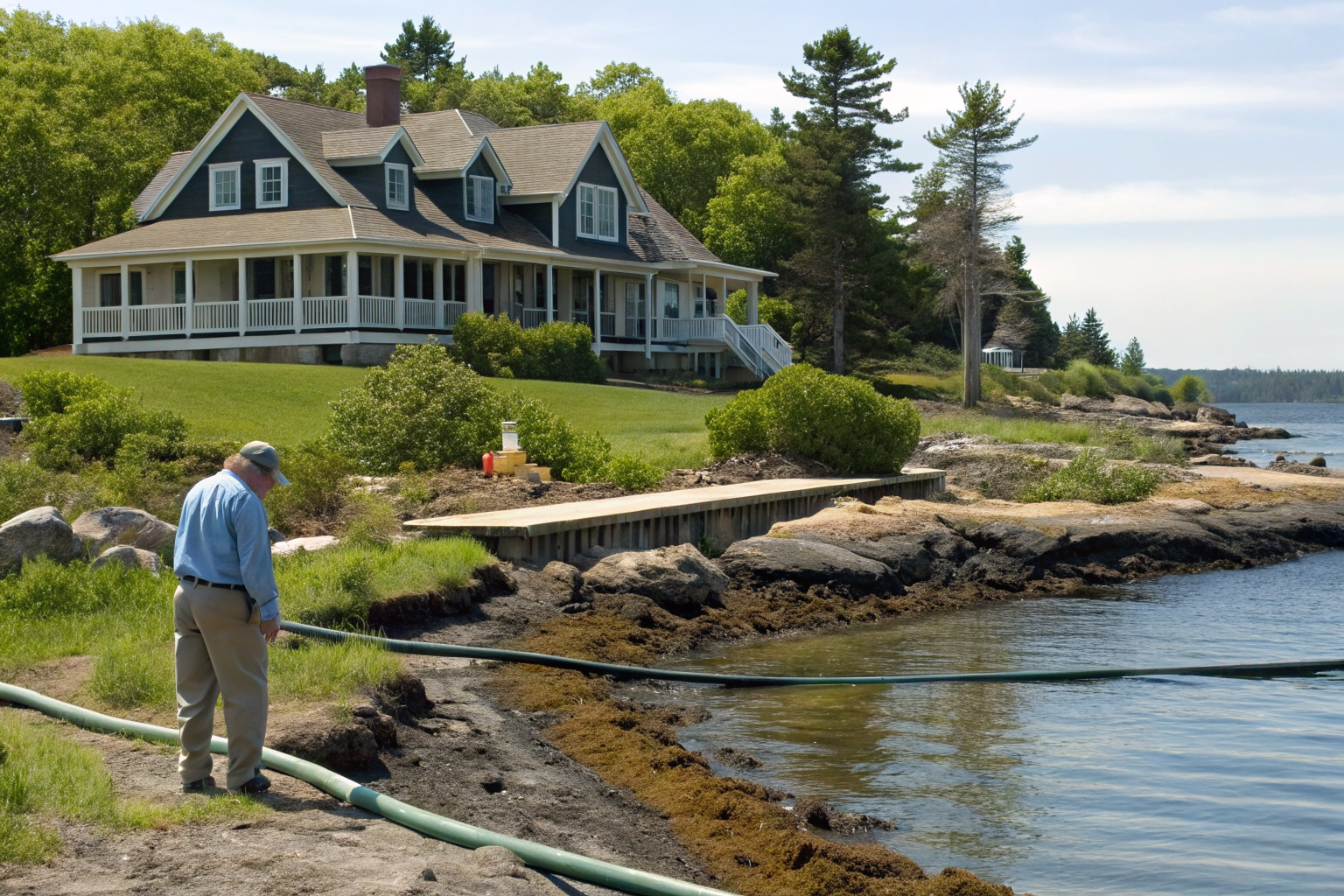
Vacation Property Septic faces stricter environmental regulations because seasonal properties are often located near water bodies that require enhanced protection from nutrient pollution. The State Health Department typically requires alternative systems in these locations.
Seasonal occupancy calculations don’t reduce your system size requirements. Most health departments calculate septic systems based on maximum occupancy capacity, not average use. Your vacation home sleeps 8 people? You size the system for 8 people, even if it’s only used 12 weekends per year.
Environmental zone restrictions add complexity and cost. Waterfront properties, steep slopes, and areas with high groundwater tables often require engineered systems instead of conventional drainfields. These restrictions exist in most lake and coastal communities.
Waterfront vacation properties typically require enhanced nitrogen-reducing systems costing 40-60% more than conventional systems. Advanced treatment units, sand filters, or constructed wetlands replace simple drainfield systems.
Alternative system requirements for challenging sites include:
- Pump systems for uphill discharge on sloped lots
- Sand filter systems for poor soil conditions
- Aerobic treatment units for nitrogen reduction
- Constructed wetlands for phosphorus removal
Actually, vacation property septic systems often perform better than year-round residential systems because intermittent use allows better soil recovery between occupancy periods. The biological processes get more rest time.
Warning: Many vacation property areas have stricter setback requirements from water bodies — sometimes 200-300 feet instead of the standard 50-100 feet. This can make waterfront lots too small for septic systems, requiring connection to municipal systems or off-site treatment.