
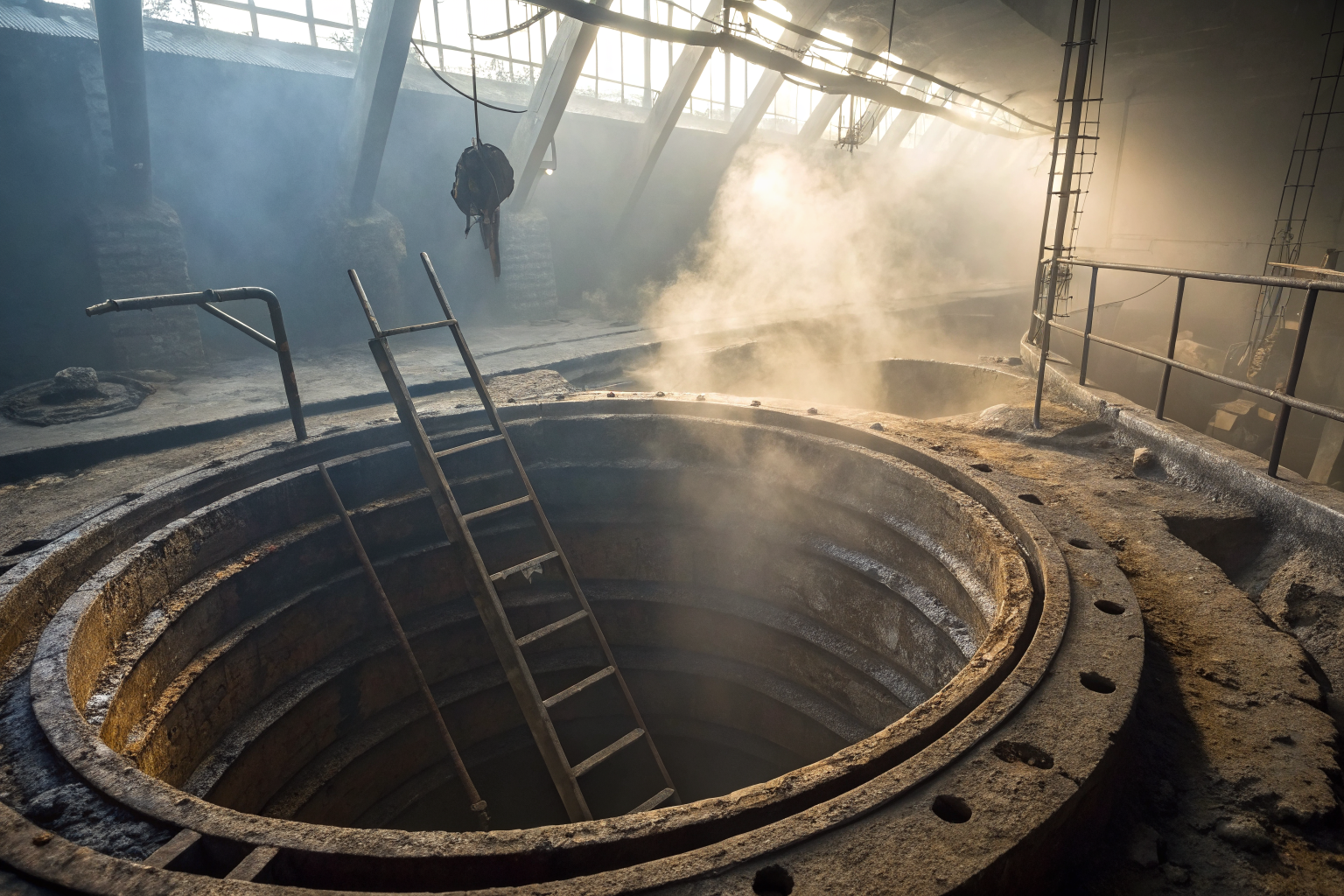
How a Septic System Works: What Every Homeowner Needs to Know
How does a septic system work? Your toilet flush begins a complex biological process that most homeowners never see but need to understand.
Key Takeaways:
- Your septic tank creates three distinct layers within 24 hours of wastewater entering the system
- Anaerobic bacteria digest up to 85% of organic matter in the sludge layer through oxygen-free decomposition
- Effluent spends 1-3 days in your tank before traveling 50-100 feet through your drainfield for final soil filtration
What Happens to Your Waste the Second You Flush?
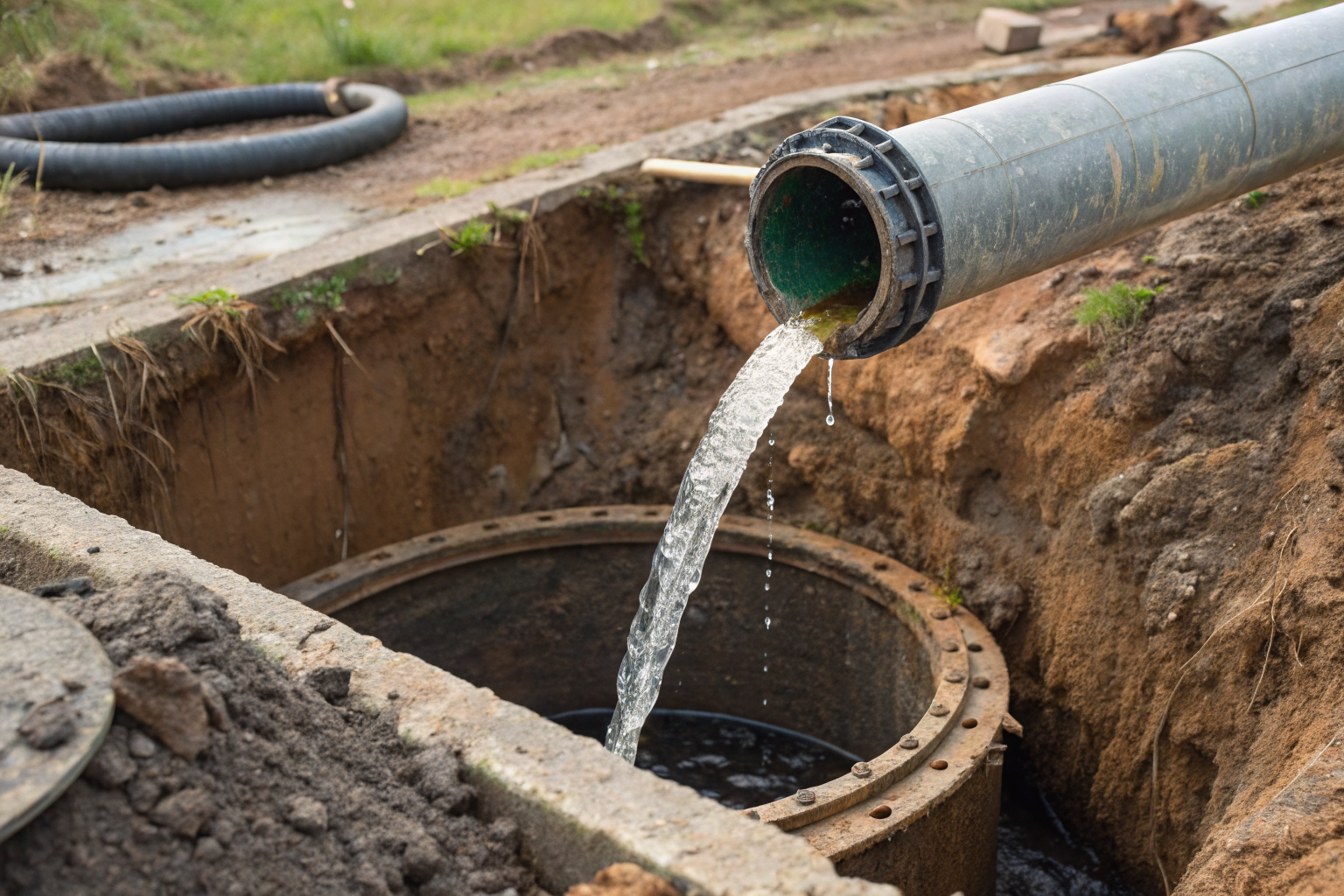
Wastewater enters your septic tank through the inlet pipe within seconds of flushing. The typical household generates 70 gallons of wastewater per person daily, creating a constant flow your system must process.
Here’s the step-by-step journey from toilet to tank:
Wastewater enters the inlet pipe carrying toilet waste, shower water, kitchen sink discharge, and laundry water into your septic tank’s main chamber.
Flow hits the baffle system which slows water velocity and prevents the incoming stream from disturbing settled layers already forming in your tank.
Density separation begins immediately as heavier solids sink toward the bottom while lighter materials like grease and soap scum rise to create distinct zones.
Effluent occupies the middle zone between the floating scum layer above and the settling sludge layer below, creating the three-layer system that defines septic function.
Bacterial activity starts within hours as naturally occurring microorganisms begin breaking down organic matter in the oxygen-free environment your sealed tank provides.
The entire entry process takes less than 15 minutes, but this marks the beginning of a 1-3 day treatment cycle. Your septic tank acts as a holding and processing facility, not just a storage container. The inlet baffle prevents short-circuiting where new wastewater might bypass the treatment zones and flow directly to the outlet.
Tank size matters here. A 1,000-gallon tank serves a typical 3-bedroom home, providing enough volume for proper retention time and layer formation. Undersized tanks create problems because wastewater moves through too quickly, preventing proper separation and bacterial digestion.
The chemistry starts changing immediately. Fresh wastewater contains dissolved oxygen, but your sealed tank environment consumes this oxygen within 24 hours. This oxygen depletion creates the anaerobic conditions necessary for the specialized bacteria that will handle the next phase of treatment.
The Three-Layer Mystery: How Your Tank Separates Everything
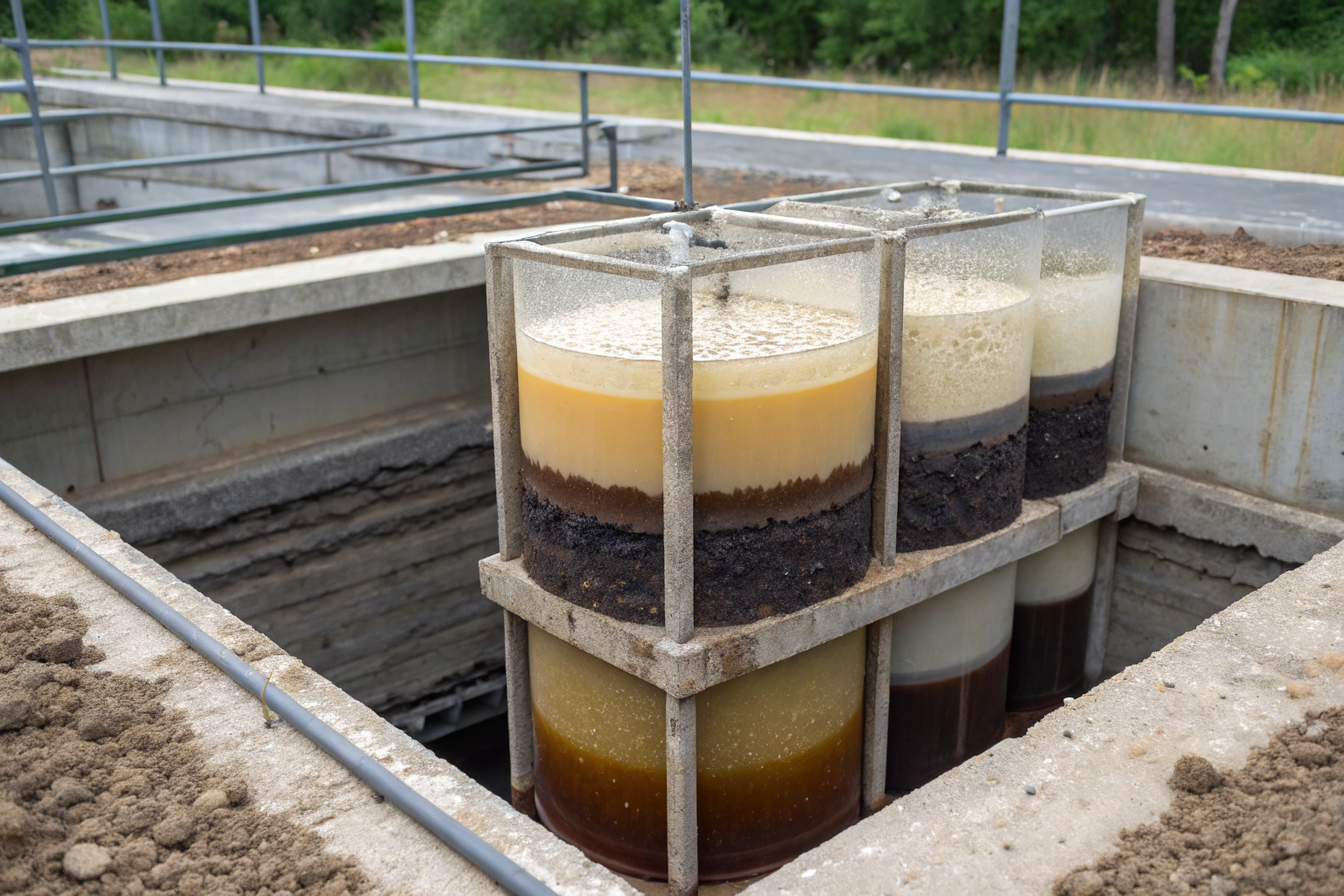
Septic tank is a biological reactor that creates three distinct layers through density separation. This means heavier materials sink, lighter materials float, and the middle layer becomes your partially treated effluent ready for soil filtration.
The scum layer forms at the surface within 4-6 hours. Grease, cooking oils, soap residue, and anything lighter than water accumulates here. This layer typically measures 6-12 inches thick in a healthy system. The scum acts as a natural insulator, helping maintain consistent temperatures for bacterial activity below.
Effluent occupies the middle zone, making up 60-70% of your tank volume. This is partially treated wastewater that looks clearer than what entered but still contains dissolved nutrients and some suspended particles. Effluent has a neutral buoyancy – not light enough to float with the scum, not heavy enough to sink with the sludge.
The sludge layer settles at the bottom through gravity. Heavy solids like human waste, food particles, and inorganic matter accumulate here. Sludge layer should occupy no more than 30% of tank volume before pumping becomes necessary. This layer grows continuously as new solids enter, but bacterial digestion prevents unlimited accumulation.
What most guides miss: layer thickness varies with household habits. Homes using garbage disposals build sludge faster. Houses with water softeners create thicker scum layers due to increased soap and detergent discharge. Your layers tell the story of your water usage patterns.
Temperature affects separation speed. Cold weather slows the process – layers take 48-72 hours to fully establish instead of the usual 24 hours. Ground temperature below 50°F can halt bacterial activity, causing incomplete separation and poor treatment quality.
The tank design includes inlet and outlet baffles positioned to maintain these layers. The inlet baffle directs incoming wastewater toward the bottom, preventing disturbance of the scum layer. The outlet baffle sits below the scum layer but above the sludge layer, ensuring only middle-zone effluent exits the tank.
Bacterial populations differ in each layer. Acid-producing bacteria dominate the sludge layer, breaking down complex materials into simpler compounds. Methane-producing bacteria work throughout the tank, converting organic acids into methane gas and carbon dioxide. The scum layer hosts different bacteria specialized in processing fats and oils.
How Do Anaerobic Bacteria Actually Digest Your Waste?
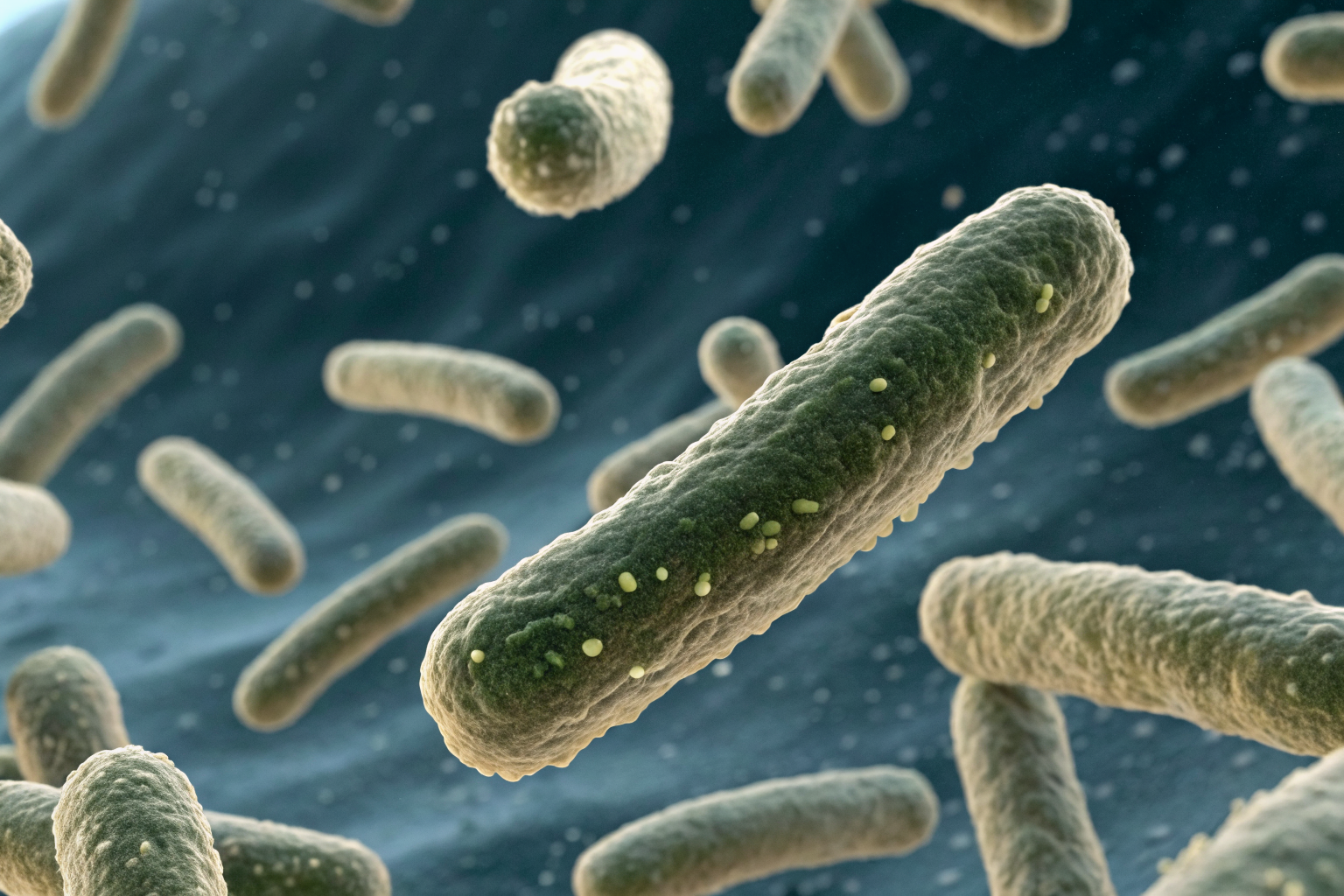
Anaerobic bacteria break down organic matter in your sludge layer through oxygen-free decomposition. These specialized microorganisms thrive in the sealed environment your septic tank provides, where dissolved oxygen drops to zero within 24 hours of wastewater entry.
The bacterial process happens in two stages. Acid-forming bacteria attack complex materials first, breaking proteins into amino acids, carbohydrates into simple sugars, and fats into fatty acids. These bacteria work fast but create acidic conditions that would kill them if left unchecked.
Methane-forming bacteria complete the cycle by consuming the acids produced in stage one. They convert organic acids into methane gas and carbon dioxide, which escape through your home’s plumbing vent system. This second bacterial group needs the alkaline conditions created by the first group’s acid consumption.
Bacterial digestion reduces solid waste volume by 40-60% annually, preventing your tank from filling up as quickly as it would with just settling alone. Without this bacterial activity, you’d need tank pumping every 6-8 months instead of every 3-5 years.
Temperature controls bacterial efficiency. Peak activity occurs between 77-95°F. Ground temperatures below 60°F slow digestion rates by 50%. This explains why northern climates often experience septic problems during winter months when bacterial activity drops.
The bacteria need specific nutrients to survive. Carbon provides energy, while nitrogen and phosphorus support bacterial growth. Human waste supplies these nutrients naturally, but household chemicals can disrupt the bacterial balance. Antibacterial soaps, bleach, and antimicrobial cleaners kill the bacteria you need for proper digestion.
What survives bacterial digestion becomes permanent sludge requiring pump-out. Inorganic matter like sand, dirt, and non-biodegradable items accumulate because bacteria cannot break them down. Excessive use of garbage disposals overwhelms bacterial capacity with food waste, leading to incomplete digestion and faster sludge accumulation.
The bacterial population self-regulates based on available food supply. More organic waste entering your system increases bacterial numbers naturally. However, sudden changes in waste type or chemical exposure can crash bacterial populations, requiring weeks or months for recovery.
Where Does Your Treated Water Go After the Tank?
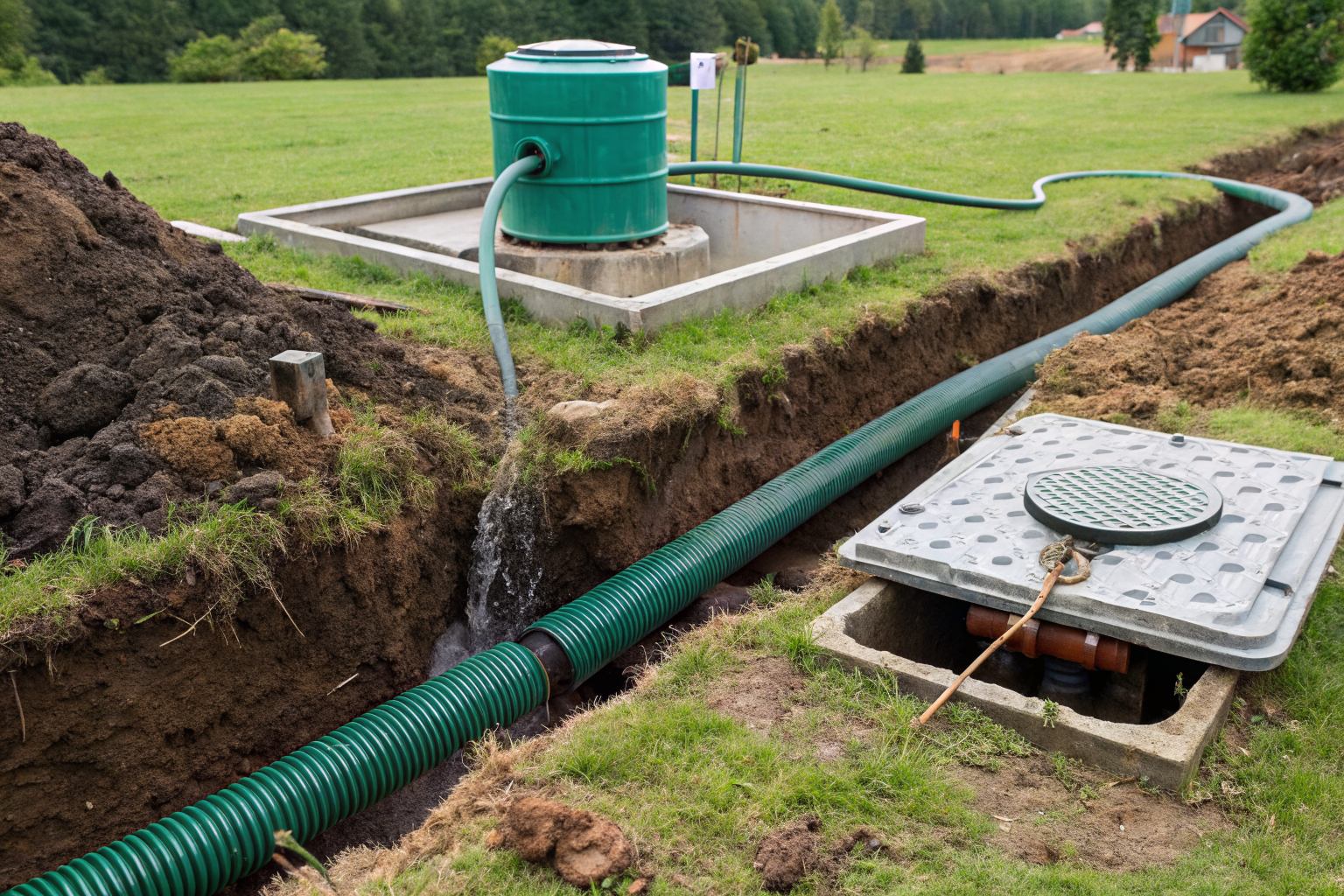
Effluent flows from your septic tank to the drainfield through a distribution box that ensures equal distribution across all disposal lines. This treated wastewater still contains dissolved nutrients and some suspended particles requiring final soil filtration.
The exit process follows these steps:
Effluent exits through the outlet baffle positioned 12-18 inches below your tank’s scum layer, ensuring only middle-zone water leaves the tank while solids remain behind.
Distribution box receives the flow and splits effluent equally among 3-6 perforated pipes, preventing any single area from becoming oversaturated with wastewater.
Perforated pipes distribute effluent along trenches filled with gravel, allowing treated water to seep slowly into surrounding soil rather than pooling on the surface.
Soil filtration removes final contaminants as effluent percolates downward through sand, clay, and organic matter that trap bacteria, viruses, and excess nutrients.
Groundwater integration occurs 4-6 feet below your drainfield where clean water joins the local water table after complete soil treatment.
Properly functioning drainfield removes 99% of harmful bacteria through soil filtration, making this the most critical treatment phase. Soil acts as a biological filter where beneficial bacteria consume remaining organic matter and clay particles trap phosphorus and other nutrients.
The drainfield size depends on soil type and household size. Sandy soils drain quickly, requiring larger drainfields to provide adequate contact time. Clay soils drain slowly, needing smaller areas but better distribution to prevent surface ponding.
Gravity drives the entire process in conventional systems. Your septic tank sits higher than your drainfield, creating the pressure differential that moves effluent through distribution pipes. Slope calculations matter – too steep causes channeling, too flat creates uneven distribution.
Soil depth below your drainfield determines treatment quality. You need minimum 24 inches of unsaturated soil between drainfield pipes and groundwater or bedrock. This soil zone provides the biological and physical filtration that produces clean water safe for groundwater recharge.
How Long Does Everything Stay in Your System?
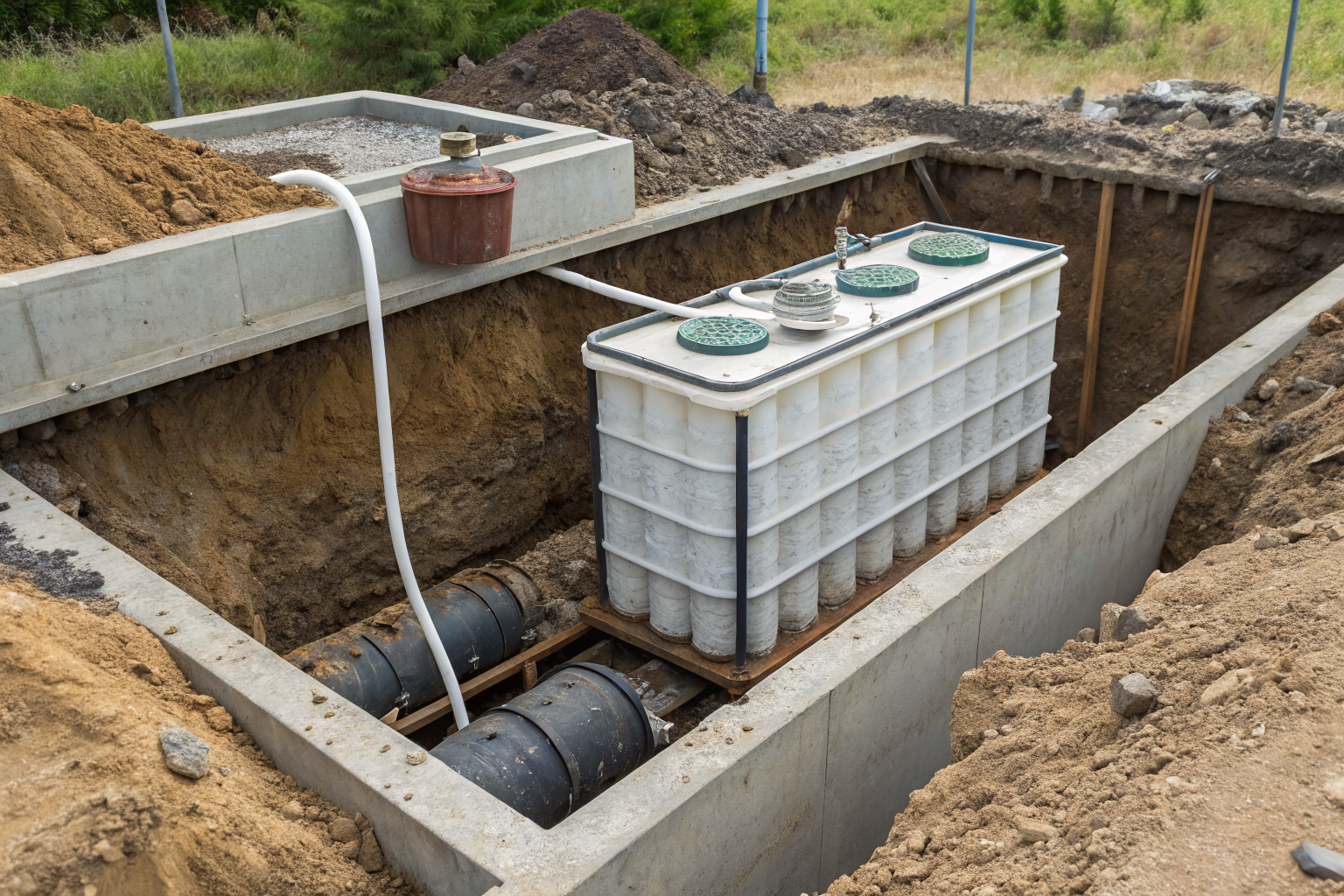
Retention time determines treatment effectiveness in your septic system, with different materials spending varying amounts of time based on their density and biodegradability. EPA requires minimum 24-hour retention time for residential septic tanks to ensure proper treatment.
| Material Type | Tank Retention Time | Drainfield Time | Total Processing |
|---|---|---|---|
| Liquid effluent | 24-72 hours | 2-4 weeks | 15-30 days |
| Floating scum | 6 months to 2 years | Does not exit tank | Permanent until pumped |
| Biodegradable solids | 1-3 years | N/A | Digested in tank |
| Sludge layer | 3-5 years | N/A | Permanent until pumped |
| Grease and oils | 1-2 years | N/A | Slow bacterial breakdown |
| Inorganic matter | Permanent | N/A | Never breaks down |
Tank sizing affects retention time directly. A 1,000-gallon tank serving four people provides roughly 36-hour retention under normal water usage. Higher water usage reduces retention time, potentially allowing partially treated effluent to enter your drainfield.
The sludge layer accumulates at predictable rates. Normal households add 0.25-0.5 inches of permanent sludge annually. Homes with garbage disposals can double this rate, requiring more frequent pumping to maintain proper retention times.
Soil conditions control drainfield retention. Sandy soils allow effluent to percolate quickly, providing 1-2 weeks of soil contact. Clay soils slow percolation, extending soil contact to 4-6 weeks but risking surface backup if overloaded.
Water usage patterns impact retention quality. Spreading laundry and dishwashing throughout the week provides consistent retention times. Doing all laundry in one day can flush partially treated effluent from your tank before bacterial digestion completes.
Seasonal changes affect retention times. Winter ground temperatures slow bacterial activity and soil percolation, extending retention but reducing treatment quality. Spring snowmelt and heavy rains can saturate soil, backing up the drainfield and forcing longer tank retention.
What Signals Tell You Your System Is Actually Working?
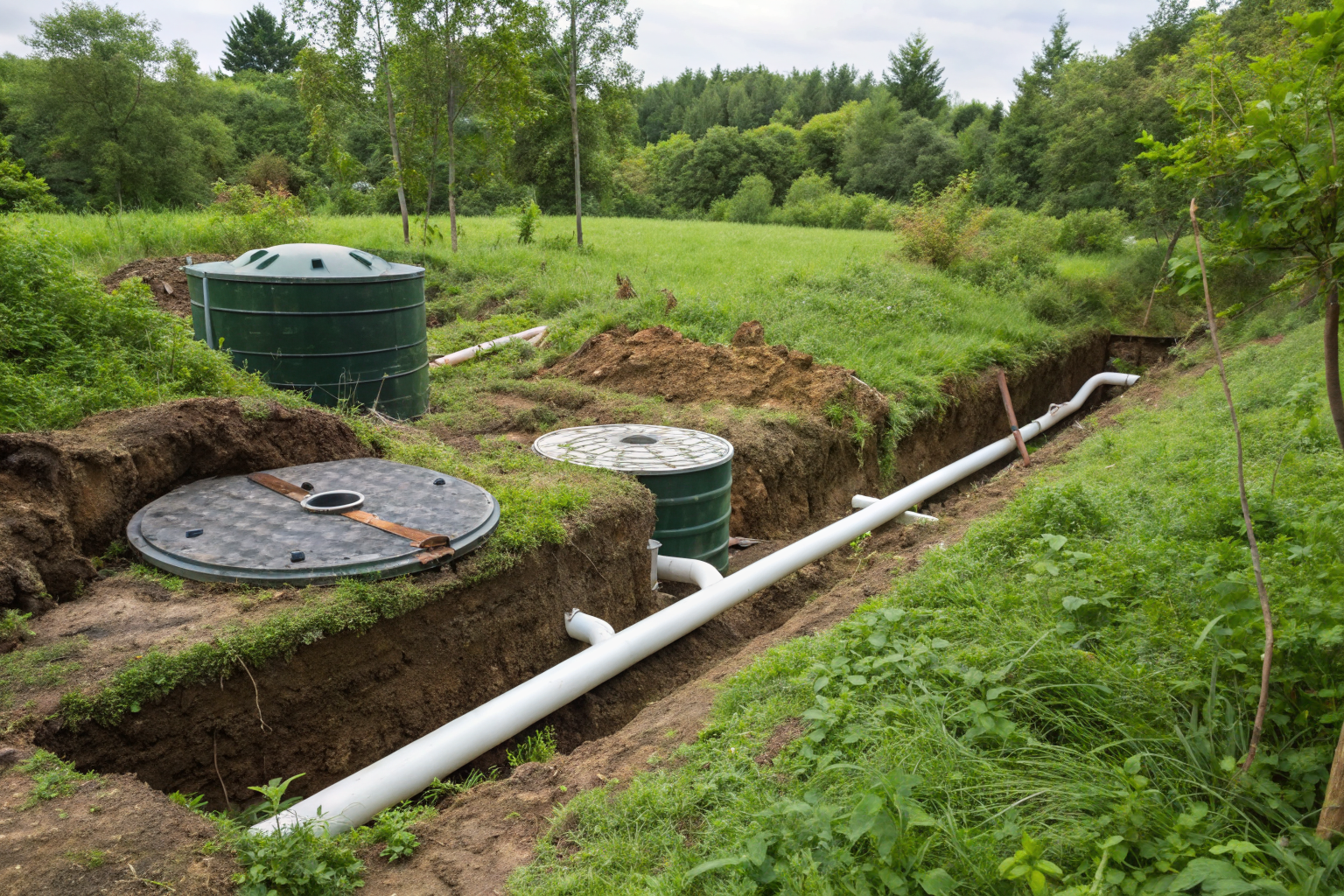
Proper septic function produces specific observable indicators that tell you your biological treatment process is working correctly. EPA septic system guidelines emphasize monitoring these signs to catch problems before they become expensive repairs.
Healthy system indicators include:
• Drainfield grass appears slightly greener than surrounding areas due to nutrient uptake, but never soggy, overgrown, or showing surface water pooling
• No sewage odors around tank or drainfield during normal weather conditions, indicating proper bacterial activity and adequate soil absorption
• Toilets and drains empty normally without slow drainage, gurgling sounds, or backup issues that signal distribution problems
• Tank liquid levels stay consistent between the inlet and outlet pipes when checked during routine pumping, showing proper flow rates
• Effluent appears grayish and relatively clear when observed at the distribution box, not black, foamy, or containing visible solids
• Ground surface stays firm around drainfield areas with no soft spots, depression, or saturated soil indicating system failure
Warning signs demand immediate attention. Surface water or sewage odors around your drainfield mean soil absorption has failed and untreated wastewater is reaching the surface. This creates health hazards and typically requires drainfield replacement.
Tank problems show different symptoms. Slow drains throughout your house often indicate sludge layer buildup restricting tank capacity. Gurgling sounds from drains suggest distribution box clogs preventing proper effluent flow to the drainfield.
Healthy drainfield grass should be slightly greener but not soggy or overgrown, indicating proper nutrient distribution without oversaturation. Dead vegetation over drainfield lines can signal chemical damage from household cleaners killing soil bacteria.
Seasonal variations are normal. Wet springs may cause temporary surface moisture that disappears as soil dries. Winter bacterial slowdowns can create minor odors that resolve when ground temperatures rise above 50°F.
The thing most guides miss: your system’s bacterial health directly correlates with household chemical usage. Switching to septic-safe cleaning products often resolves mysterious performance issues within 2-3 months as bacterial populations recover.