
North Carolina Septic System Regulations: Permits, Soil Testing, and Repairs
North Carolina septic system regulations govern 2.4 million systems through 15A NCAC 18A standards that got stricter in 2024. The state requires soil scientist evaluation for all new systems, adding significant costs but protecting groundwater quality.
Key Takeaways:
- NC requires soil scientist evaluation for all new systems — adding $800-1,200 to your permit costs
- 15A NCAC 18A standards mandate high water table systems when seasonal water is within 24 inches of surface
- Repair permits cost $300-500 and require authorized evaluator approval within 90 days of application
What Makes North Carolina’s 15A NCAC 18A Standards Different From Other States?

15A NCAC 18A standards are North Carolina’s comprehensive septic system regulations. This means every septic installation, repair, or modification in the state must meet these technical requirements.
The North Carolina DHHS Regulations operate under a state-county partnership model. The state sets baseline standards through 15A NCAC 18A, but counties can add stricter requirements. Wake County requires additional soil testing. Coastal counties have tighter water table restrictions.
NC updated 15A NCAC 18A in January 2024 with new high water table provisions. The changes require soil scientist involvement for all new systems — not just problem sites. This differs from states like Virginia or South Carolina, where property owners can use general contractors for standard installations.
Septic System Design Approval now requires professional soil evaluation in every case. You can’t skip this step even for simple tank replacements if you’re adding capacity. The soil scientist must document seasonal water levels, soil permeability, and site constraints before the health department issues any permit.
What makes NC unique is the mandatory soil scientist requirement. Texas allows qualified installers to do site evaluations. Florida uses a tiered system where simple sites don’t need professional evaluation. North Carolina eliminated that flexibility in 2024.
The state also requires 4-season water table monitoring for any site with suspected drainage issues. Most states only require wet-season testing. This catches seasonal flooding that occurs during dry permit application periods.
NC Septic System Permit Types: Operation vs Improvement Permits Explained
Septic System Permit categories divide into two types based on project scope. The State Health Department issues both through county environmental health departments.
Operation permits cover new septic installations and complete system replacements. You need one when building a new home or replacing a failed system. These permits require soil scientist site evaluation, engineered system design, and health department plan review.
Improvement permits handle major repairs and modifications. Tank repairs, drainfield extensions, and pump replacements fall under this category. You still need authorized evaluator approval, but the process moves faster.
| Permit Type | Cost Range | Timeline | Requirements |
|---|---|---|---|
| Operation Permit | $200-400 | 45-90 days | Soil scientist evaluation, engineered plans, site inspection |
| Improvement Permit | $300-500 | 30-60 days | Authorized evaluator assessment, repair plans, county approval |
| Emergency Repair | $100-200 | 5-10 days | Health hazard documentation, temporary system approval |
North Carolina DHHS Regulations require different documentation for each permit type. Operation permits need complete soil analysis, percolation testing, and water table monitoring. Improvement permits only need evaluation of the specific repair area.
The cost difference reflects complexity. Operation permits cost $200-400 statewide, but soil scientist fees add $800-1,200. Improvement permits cost $300-500 including evaluator fees.
Emergency permits exist for health hazards. Sewage backup or surface discharge qualifies. You get 30 days to complete permanent repairs after emergency permit approval.
How Does North Carolina’s Soil Scientist Site Evaluation Actually Work?
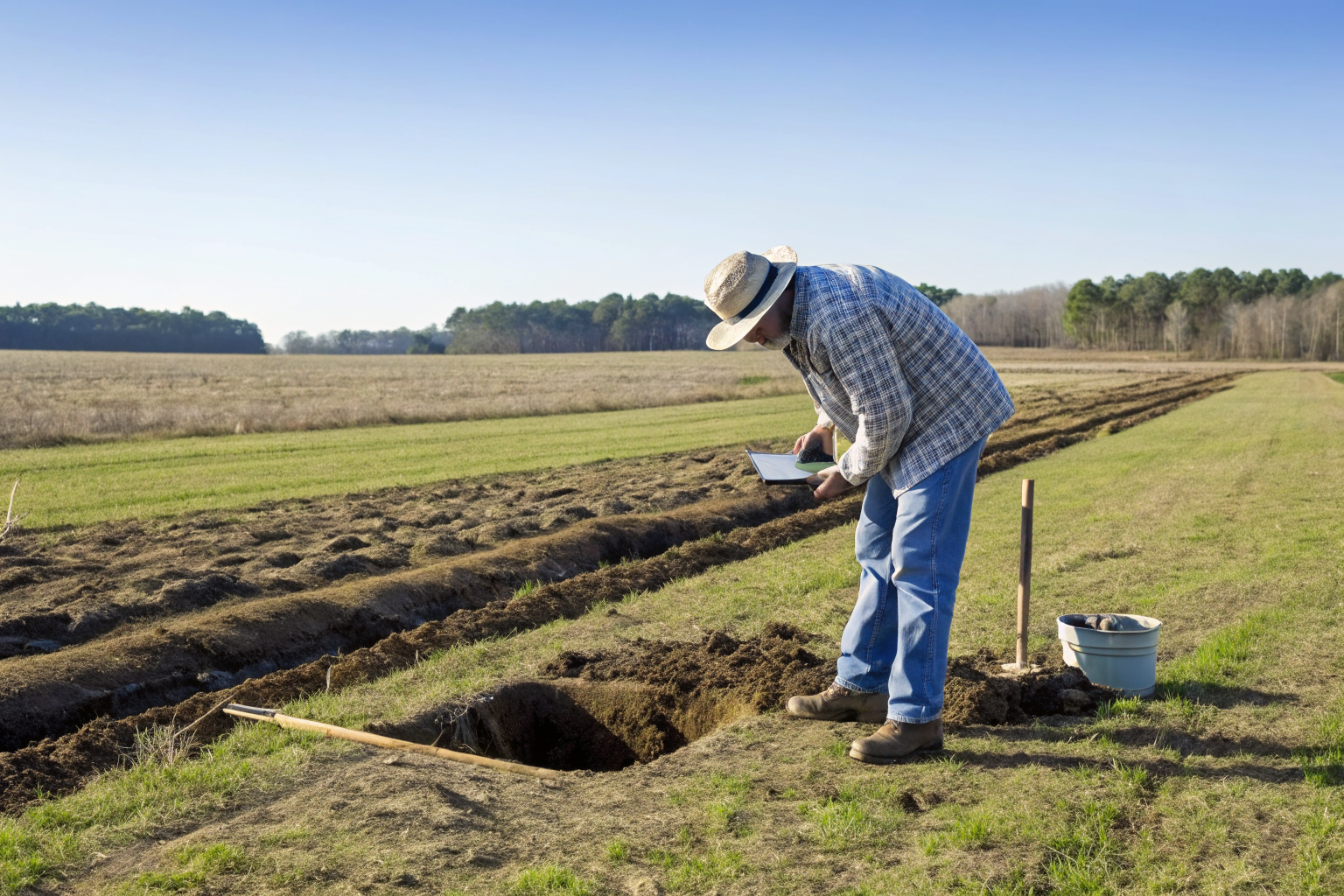
Soil scientist site evaluation determines septic system design approval through systematic soil and water testing. Here’s the step-by-step process:
Initial site visit and soil boring. The soil scientist digs test holes to 6 feet deep across your drainfield area. They document soil layers, texture, and color changes that indicate drainage patterns.
Percolation testing at multiple depths. Water gets poured into test holes to measure absorption rates. Testing occurs at 18 inches, 36 inches, and 48 inches below surface to find the best absorption zone.
Seasonal water table monitoring. The scientist installs monitoring wells and checks water levels monthly. North Carolina requires documentation at 4 different times during wet season to catch peak water table elevation.
Soil classification and system sizing. Based on soil type and water table data, the scientist calculates required drainfield size and recommends system type. Clay soils need larger drainfields. High water tables require alternative systems.
Final report and recommendations. The evaluation report goes to the county health department with specific system recommendations. This becomes the basis for your septic permit and installation requirements.
Follow-up inspection during installation. The soil scientist returns during construction to verify the contractor installed the system according to approved plans.
Soil scientists must document water table depth at 4 different times during wet season. This catches seasonal flooding that standard one-time evaluations miss. Sites with water within 24 inches of surface require High Water Table Systems.
The process takes 3-6 months because of seasonal monitoring requirements. Rush evaluations skip seasonal testing and often result in system failures during first wet season.
When Does North Carolina Require High Water Table Systems?
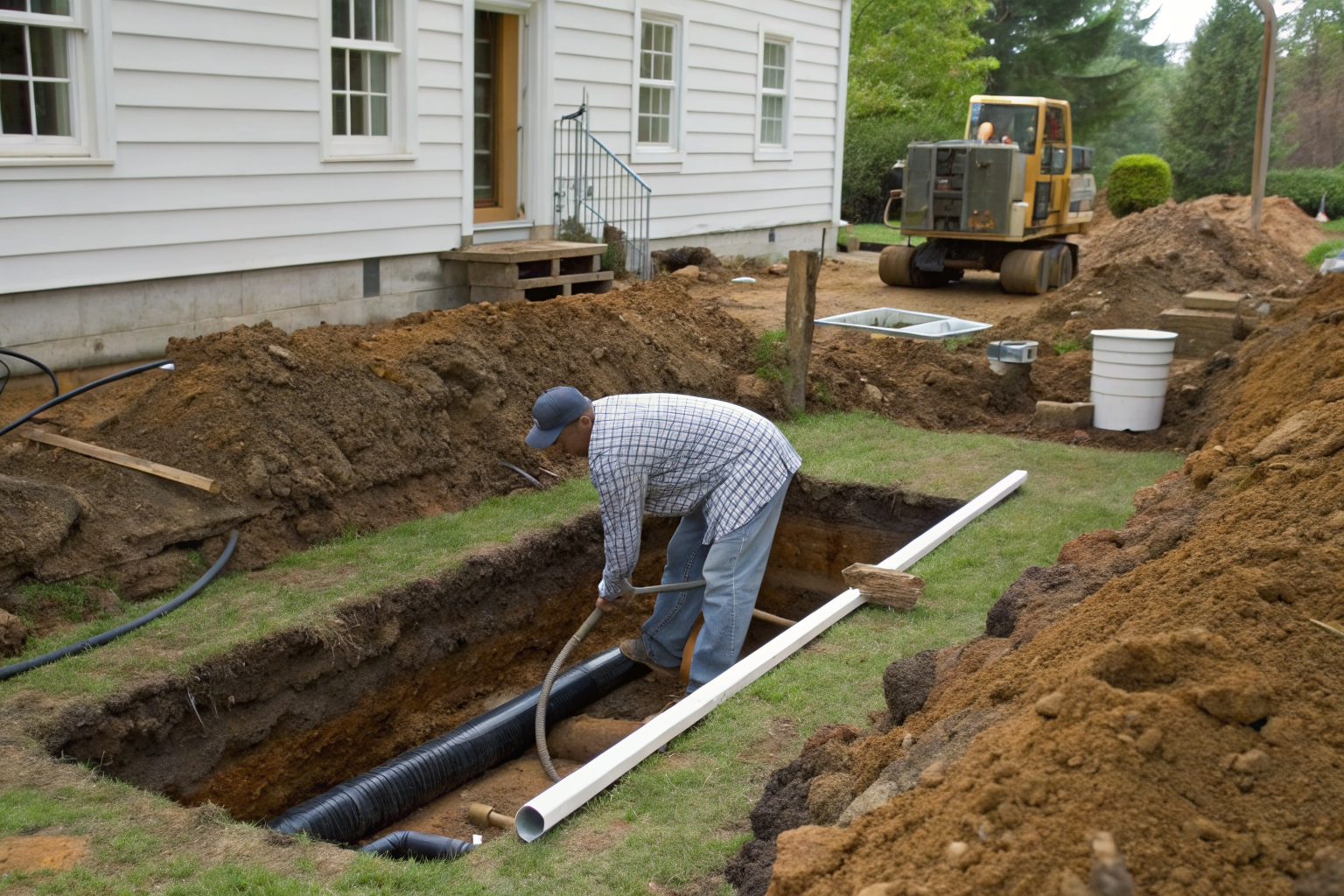
High Water Table Systems are required when seasonal water table reaches within 24 inches of the soil surface. This triggers alternative septic system requirements under 15A NCAC 18A standards.
The 24-inch rule applies to peak seasonal water levels, not year-round conditions. Your property might have good drainage in summer but flood during spring rains. Soil scientist site evaluation must document the highest water table elevation over 12 months.
68% of coastal NC counties require high water table systems due to seasonal flooding. Counties like Brunswick, New Hanover, and Carteret see water tables rise 3-5 feet during hurricane season. Standard septic systems fail when drainfields flood.
Alternative systems cost $8,000-15,000 compared to $3,000-6,000 for conventional systems. Mound systems, sand filter systems, and aerobic treatment units handle high water conditions. You’re looking at double the installation cost plus higher maintenance requirements.
Regional variations affect water table requirements. Mountain counties rarely see seasonal flooding. Piedmont areas have moderate water table fluctuations. Coastal plain counties deal with year-round drainage challenges.
Soil scientists use monitoring wells to track seasonal patterns. They install 4-foot deep wells and check monthly for one full year. Sites with water within 24 inches during any monitoring period trigger alternative system requirements.
The cost difference covers specialized equipment and ongoing maintenance. Mound systems need pumps to lift effluent. Sand filters require regular media replacement. Aerobic systems have motors and control panels that need professional service.
What’s the NC Authorized On-Site Evaluator Program and Do You Need One?
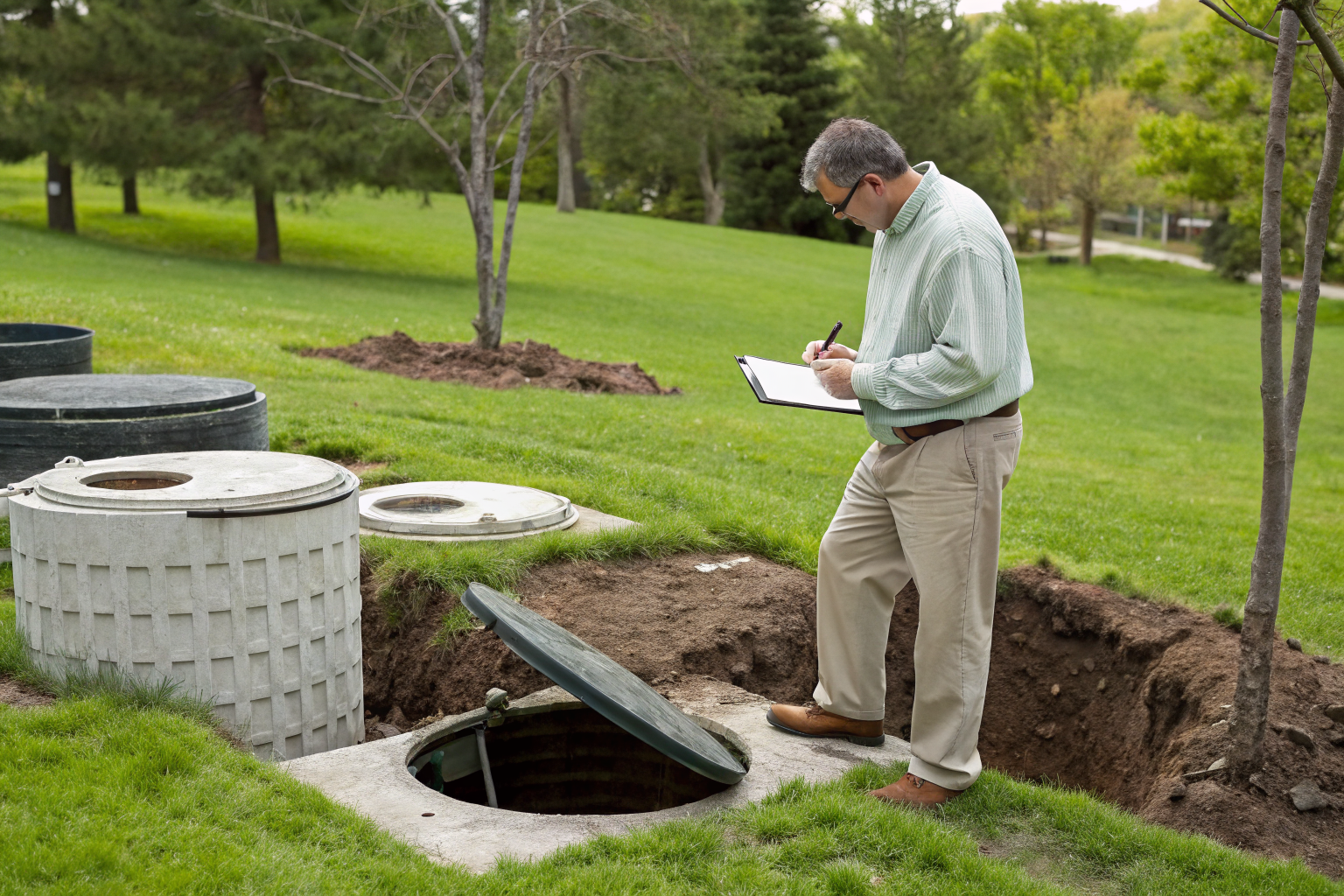
Authorized on-site evaluator program certifies septic system professionals who can approve repair permits without full soil scientist involvement. The State Health Department maintains this certification program for experienced installers and engineers.
You need an authorized evaluator for improvement permits — not new installations. Repair projects like tank replacement, pump installation, or drainfield modifications require evaluator approval. New systems still need soil scientists regardless of site complexity.
Certified evaluators cost $300-800 compared to $800-1,200 for soil scientists. The savings comes from focused evaluation scope. Evaluators only assess the specific repair area, not the entire property. They can approve standard repairs within existing system footprints.
NC has 347 authorized on-site evaluators across 100 counties as of 2024. Rural counties might have only 2-3 evaluators, creating scheduling bottlenecks. Urban counties have 15-20 evaluators with faster turnaround times.
Qualification requirements include 5 years septic installation experience, completion of state training program, and passing written examination. Evaluators must recertify every 3 years through continuing education.
You find certified professionals through the NC Division of Environmental Health website. County health departments maintain local evaluator lists. Some evaluators specialize in specific system types or geographic areas.
The repair permit process moves faster with evaluators. Soil scientists might take 30-60 days for site evaluation. Evaluators typically complete assessments within 5-10 business days for straightforward repairs.
Evaluators can’t approve major modifications or system expansions. Adding bedrooms, increasing home capacity, or relocating drainfields requires full soil scientist evaluation even for existing systems.
Does North Carolina Require Transfer Inspections When You Sell Your Home?

Transfer Inspection Requirement varies by county jurisdiction across North Carolina’s 100 counties. The State Health Department sets no statewide mandate, leaving inspection requirements to local health departments.
22 of NC’s 100 counties require transfer inspections for all septic system home sales. These inspections verify system functionality and code compliance before property ownership changes hands.
| County Type | Inspection Required | Cost Range | Timeline |
|---|---|---|---|
| Transfer Required Counties (22 counties) | Yes, for all sales | $150-400 | 10-15 days |
| Voluntary Inspection Counties (45 counties) | Optional | $200-350 | 5-10 days |
| No Inspection Counties (33 counties) | None required | N/A | N/A |
North Carolina DHHS Regulations allow counties to set transfer requirements. Wake County requires inspections for all sales. Guilford County makes them optional. Rural counties often have no requirements.
Inspections cover tank condition, pump functionality, and drainfield performance. Inspectors check for sewage backup, surface discharge, and structural damage. Failed inspections require repairs before closing.
Counties with transfer requirements include Wake, Mecklenburg, Guilford, Forsyth, Durham, Cumberland, Buncombe, New Hanover, Gaston, Union, Cabarrus, Iredell, Rowan, Alamance, Davidson, Randolph, Moore, Lee, Chatham, Orange, Person, and Caswell.
The timeline for inspections affects real estate closings. Required inspection counties need 10-15 days for scheduling and report completion. Buyers should request inspections immediately after contract acceptance.
Failed inspections cost sellers $2,000-8,000 for required repairs. Common problems include cracked tanks, failed pumps, and saturated drainfields. Some repairs can’t be completed quickly enough for scheduled closings.
Voluntary inspection counties let buyers choose whether to inspect. Smart buyers get inspections regardless of requirements. Septic repairs after closing become the new owner’s financial responsibility.