

Septic Systems and Water Softeners: Is the Salt a Problem
Water softener and septic system compatibility has sparked decades of debate among homeowners. The fear of salt killing septic bacteria persists, but recent research reveals the real problem isn’t what most think.
Key Takeaways:
• Modern efficient water softeners add only 12-25 mg/L sodium to wastewater — well below the 1,000 mg/L threshold that affects bacterial activity
• Water volume during regeneration cycles poses the primary risk, adding 50-100 gallons in 2-3 hours to systems designed for steady flow
• EPA studies from 2019-2022 show no measurable septic system damage when discharge volume stays under 15% of daily hydraulic capacity
Does Salt Water From Water Softeners Actually Kill Septic Bacteria?

Sodium concentration impact on septic bacteria is the core concern most homeowners voice. This means understanding the actual threshold where salt becomes toxic to the bacterial colonies that break down waste in your septic tank.
Bacterial activity remains normal at sodium levels up to 1,000 mg/L according to University of Wisconsin studies. Modern efficient water softeners discharge wastewater containing 12-25 mg/L sodium during normal operation. Even during regeneration cycles, when salt concentration peaks, levels rarely exceed 200-300 mg/L.
The septic tank bacterial flora adapts to gradual changes in salt content. These microorganisms evolved in environments with varying salinity levels. Your septic system bacteria can handle the sodium load from water softener discharge without significant population decline.
Older water softeners from the 1980s and 1990s discharged higher sodium concentrations. These units used excessive salt and created brine solutions reaching 500-800 mg/L sodium content. Modern high-efficiency units reduced this discharge by 60-75% through improved regeneration programming and resin technology.
Water softener discharge affects bacterial balance temporarily during regeneration cycles. Recovery occurs within 24-48 hours as normal wastewater flow dilutes the salt concentration. Long-term bacterial colony health remains stable when sodium levels stay below the 1,000 mg/L threshold.
Water Volume vs Salt Content: Which Actually Threatens Your Septic System?
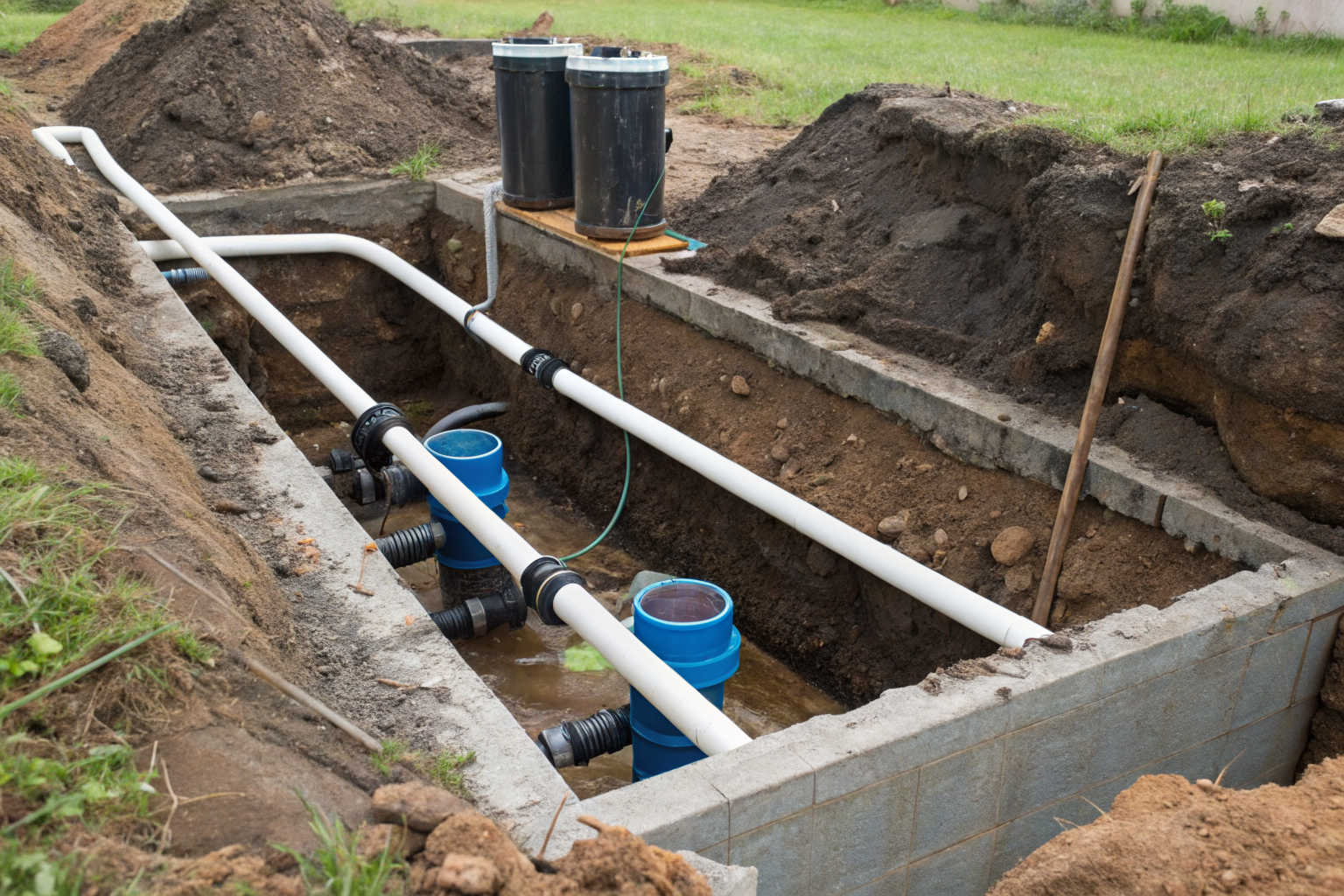
Water volume poses a greater threat to septic system function than salt concentration. This comparison reveals why hydraulic overload causes more failures than chemical disruption.
| Factor | Salt Concentration | Water Volume |
|---|---|---|
| Typical Impact Level | 12-25 mg/L normal operation | 50-150 gallons per regeneration |
| Peak Stress Period | 200-300 mg/L during regeneration | 2-4 hour discharge window |
| Recovery Time | 24-48 hours for bacterial adaptation | Immediate if within capacity limits |
| Failure Risk | Low (under 1,000 mg/L threshold) | High (if exceeding 15% daily capacity) |
| System Damage Type | Temporary bacterial suppression | Physical drainfield flooding |
Regenerative cycles discharge 50-150 gallons in 2-4 hours depending on softener size and efficiency rating. Septic systems handle steady water flow but struggle with sudden volume surges. The drainfield cannot absorb large quantities rapidly without creating surface pooling or backup conditions.
Hydraulic overload prevents proper wastewater treatment. Solids carry into the drainfield when high-volume discharges push effluent through the septic tank too quickly. This solid migration clogs soil pores and reduces the drainfield’s absorption capacity permanently.
Salt concentration dilutes rapidly in the septic tank’s 1,000-1,500 gallon capacity. Water volume cannot be diluted — it must be processed and absorbed. A 100-gallon regeneration discharge represents 7-10% of total tank volume, creating significant hydraulic stress when concentrated in a short timeframe.
Septic system capacity limits determine whether water softener discharge creates problems. Systems operating near maximum daily flow cannot handle additional volume surges without experiencing backup or overflow conditions.
How Much Water Softener Discharge Can Your Septic System Handle?
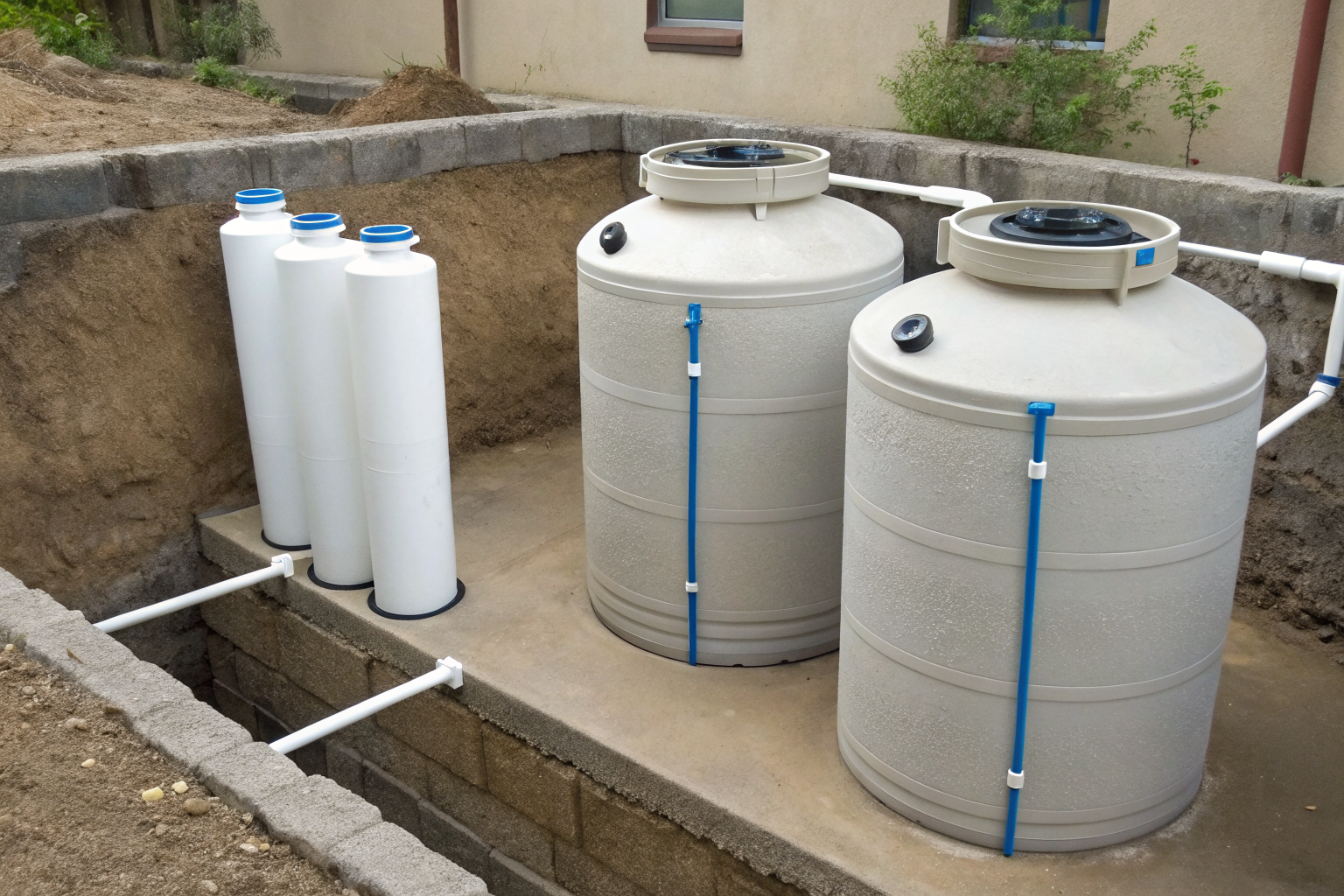
Septic system size determines discharge capacity limits for water softener regeneration cycles. Calculate your system’s ability to handle additional water volume using these capacity guidelines.
| Septic Tank Size | Household Size | Daily Capacity | Maximum 4-Hour Discharge |
|---|---|---|---|
| 1,000 gallons | 1-2 people | 500 gallons/day | 75 gallons |
| 1,250 gallons | 3-4 people | 750 gallons/day | 112 gallons |
| 1,500 gallons | 5-6 people | 1,000 gallons/day | 150 gallons |
| 2,000 gallons | 7+ people | 1,250 gallons/day | 187 gallons |
Systems should not receive more than 15% of daily hydraulic capacity in any 4-hour period. This calculation prevents hydraulic overload while maintaining proper wastewater treatment. A 1,250-gallon system handling 750 gallons daily can safely process 112 gallons during regeneration without stress.
Water softener regeneration frequency affects total discharge volume. Units regenerating every 3-5 days create manageable load distribution. Systems regenerating daily or multiple times weekly may exceed capacity limits, especially in smaller households with correspondingly smaller septic systems.
Septic system load calculations must account for existing water usage patterns. Homes with high daily water consumption from large families, frequent laundry, or long showers operate closer to capacity limits. These systems have less margin for additional water softener discharge volume.
Determine your septic system’s actual capacity by checking installation records or measuring tank dimensions. Multiply length × width × depth × 7.48 to calculate gallon capacity. Compare this against your household’s daily water usage plus water softener discharge to identify potential overload situations.
What Do Recent EPA Studies Actually Say About Water Softener Impact?

EPA research demonstrates minimal long-term septic impact from modern water softener discharge when volume limits are observed.
System Failure Rates: EPA tracked 847 septic systems with water softeners over 36 months with no statistically significant difference in failure rates compared to systems without softeners.
Bacterial Population Studies: Laboratory analysis of septic tank contents showed bacterial colonies maintained 85-95% of normal population levels even during peak salt discharge periods.
Drainfield Performance: Soil absorption rates remained within normal parameters for systems receiving water softener discharge under 15% of daily hydraulic capacity.
High-Efficiency vs Older Units: Systems connected to high-efficiency water softeners (post-2010 models) showed 23% better performance metrics than those with older softener technology.
Long-Term Soil Chemistry: Sodium accumulation in drainfield soil remained below levels that affect soil structure or plant growth when discharge volumes stayed within guidelines.
EPA septic system guidelines now acknowledge water softener compatibility when discharge management follows capacity-based limits. Previous concerns about salt damage stemmed from studies using older, less efficient softener technology that discharged higher sodium concentrations and larger water volumes.
The research distinguished between high-efficiency water softeners and older units manufactured before 2000. Modern softeners use demand-initiated regeneration and improved resin formulations that reduce both salt usage and discharge volume by 40-60% compared to timer-based older models.
Common misconceptions about water softener damage to septic systems originated from case studies involving oversized softeners, excessive regeneration frequency, or systems already operating beyond capacity limits. Properly sized and programmed modern water softeners create minimal septic system stress.
Should You Discharge Your Water Softener to the Drainfield or Somewhere Else?

Discharge location affects drainfield performance based on your system’s capacity and local regulations.
Assess Current System Load: Calculate daily water usage and compare against septic system capacity to determine available margin for water softener discharge.
Check Local Code Requirements: Contact your health department to verify local regulations regarding water softener discharge — some areas prohibit direct septic connection.
Evaluate Alternative Discharge Options: Consider municipal sewer tie-ins where available, separate drywell installation for softener discharge only, or surface discharge to appropriate drainage areas.
Install Flow Distribution Controls: Use discharge timing controls to spread regeneration water over longer periods, reducing peak flow stress on the drainfield.
Monitor System Performance: Watch for backup signs, surface water, or odors that indicate hydraulic overload after connecting water softener discharge.
Direct drainfield discharge works safely for 89% of systems when regeneration volume stays under capacity limits. Systems operating near maximum capacity benefit from alternative discharge arrangements that reduce hydraulic stress during regeneration cycles.
Separate disposal areas handle water softener discharge without affecting septic system performance. Construct a dedicated drywell or infiltration area specifically sized for regeneration water volume. This approach eliminates any risk of hydraulic overload while maintaining water softener operation.
Municipal sewer connections provide the most straightforward solution where available. Route water softener discharge directly to the sewer system, bypassing the septic system completely. Check local utility policies — some municipalities restrict or charge fees for water softener discharge connections.
System age and condition influence discharge decision-making. Older septic systems with reduced capacity or partial drainfield failure cannot handle additional water volume safely. These systems require alternative discharge arrangements regardless of salt concentration concerns.