

Septic System and Hot Tub: Can You Drain a Hot Tub Into Your Septic
Don’t drain hot tub into septic system — 400 gallons of chlorinated water destroys the bacterial balance that keeps your drainfield functioning. This mistake causes expensive repairs and system failure.
Key Takeaways:
• A standard hot tub holds 300-500 gallons — 3x the daily water volume your septic system processes
• Chlorine and bromine sanitizers kill 90% of beneficial bacteria in your septic tank within 24 hours
• Volume shock from hot tub drainage saturates your drainfield and can cause permanent hydraulic failure
Can You Legally Drain a Hot Tub Into Your Septic System?

Hot tub discharge into septic systems violates EPA septic system guidelines. The EPA defines hydraulic overload as any sudden water volume that exceeds your system’s daily processing capacity by more than 50%. This means dumping your hot tub water breaks federal wastewater treatment standards.
Septic System Capacity Limits exist for good reason. The EPA recommends maximum daily flow of 150 gallons per bedroom for septic sizing. A three-bedroom home’s septic system handles 450 gallons per day under normal conditions. Your 400-gallon hot tub nearly doubles that load in minutes.
Most local codes mirror EPA Septic System Guidelines. Counties across the US prohibit direct discharge of pool or spa water into septic systems. Violations carry fines ranging from $500 to $5,000 per incident. Some jurisdictions classify improper discharge as environmental contamination, triggering cleanup costs and legal liability.
The prohibition exists because septic systems process waste through biological action, not dilution. Adding massive water volumes doesn’t help — it hurts. Your system needs consistent, manageable flows to maintain the bacterial colonies that break down waste.
How Does Hot Tub Volume Shock Your Drainfield?
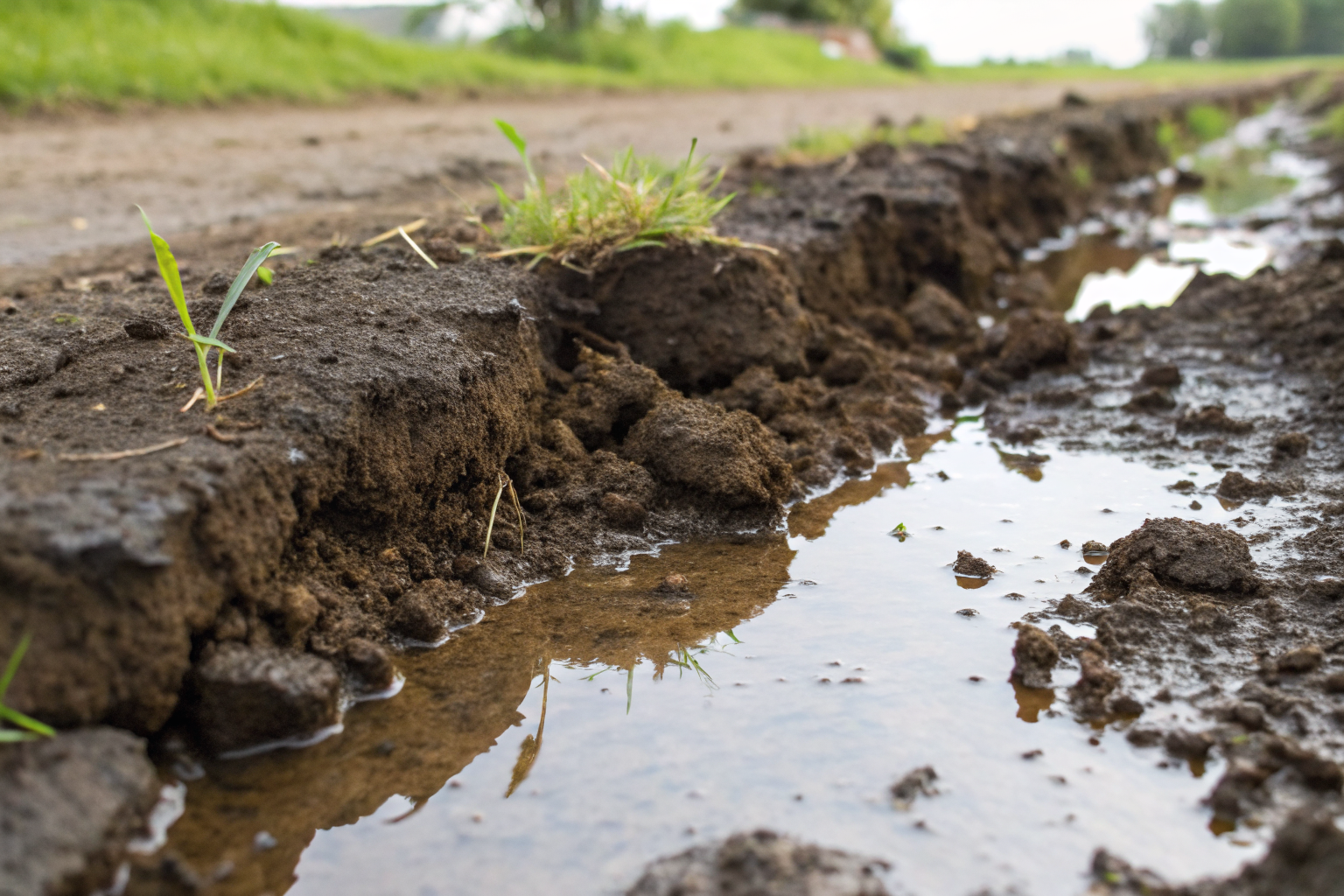
Volume shock saturates your drainfield beyond its absorption capacity. Standard drainfield processes 1-2 inches of water per day maximum absorption rate. Hot tub drainage delivers that volume in under an hour, overwhelming the soil’s natural filtration.
Drainfields work through slow percolation. Water moves through biomat layers where bacteria remove contaminants before reaching groundwater. This process requires time — typically 24-48 hours for complete treatment. Sudden volume pushes untreated water past these biological filters.
Septic System Load Calculations show why this matters. Your drainfield size correlates to daily wastewater production, not peak loads. Engineers design systems assuming steady flow distribution throughout 24-hour periods. Hot tub discharge creates hydraulic shock equivalent to three days of normal use delivered instantly.
Saturated soil loses its treatment capacity. Once water fills all soil pore spaces, additional liquid either surfaces as sewage backup or flows laterally toward neighboring properties. Recovery takes weeks if soil conditions allow proper drainage. Clay soils may never fully recover, requiring drainfield replacement.
The damage compounds over time. Multiple volume shocks compress soil structure, reducing permeability permanently. What starts as temporary saturation becomes chronic system failure requiring expensive remediation.
What Do Chlorine and Bromine Do to Your Septic Tank Bacteria?

Chlorine and bromine kill septic tank bacteria that process your household waste. Hot tub chlorine levels of 1-3 ppm are 10-30x higher than septic-safe concentrations. These sanitizers destroy both aerobic and anaerobic bacteria colonies essential for waste breakdown.
| Chemical | Hot Tub Level | Septic Safe Level | Bacteria Kill Rate |
|---|---|---|---|
| Chlorine | 1-3 ppm | 0.1 ppm max | 90% in 24 hours |
| Bromine | 2-4 ppm | 0.05 ppm max | 85% in 48 hours |
| pH Shock | 7.2-7.8 | 6.5-7.5 optimal | 70% if extreme |
Anaerobic bacteria in your septic tank break down solids into sludge and gases. These organisms evolved in oxygen-free environments and cannot survive chemical sanitizer exposure. When you dump chlorinated water, you’re essentially sterilizing the biological treatment system your septic tank depends on.
Recovery time varies by chemical concentration and system size. Mildly shocked systems may restore bacterial balance in 2-3 months. Severely damaged colonies can take 6-12 months to rebuild, during which your septic system operates at reduced efficiency.
Treatment process breakdown shows up as system backup, slow drains, and sewage odors. Without active bacteria, waste accumulates faster than the system can process it. You’ll need more frequent pumping and risk drainfield contamination from poorly treated effluent.
Where Should You Actually Drain Your Hot Tub Water?
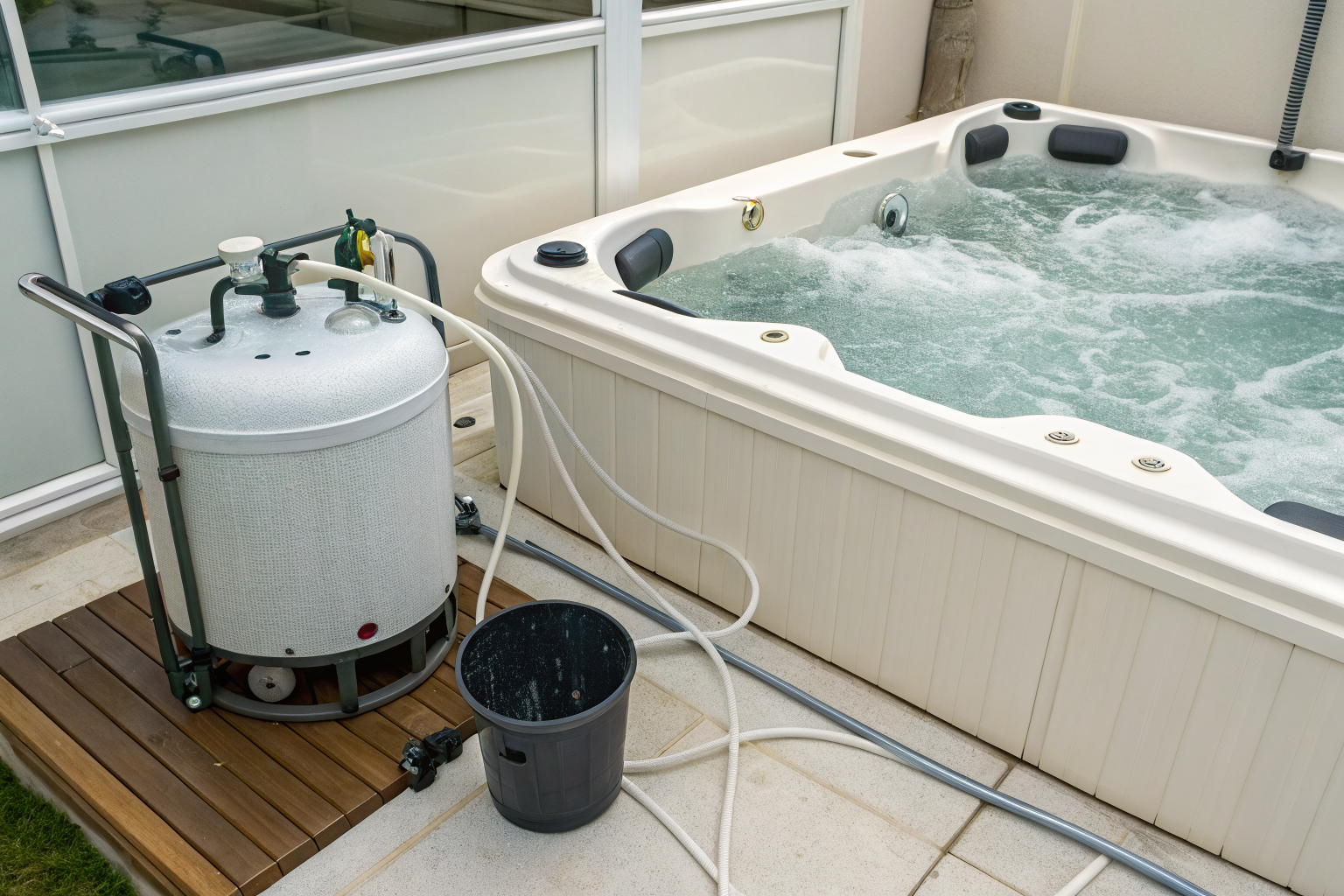
Safe hot tub drainage requires proper chemical neutralization and controlled discharge. Water Softener Discharge methods work well — slow release over time prevents volume shock while allowing chemical dissipation.
Dechlorination requires 24-48 hours of sitting time or sodium thiosulfate treatment. Here’s the proper drainage process:
- Stop adding chemicals 3-5 days before draining to allow sanitizer levels to drop naturally.
- Test chlorine/bromine levels with strips — aim for 0.5 ppm or lower before discharge.
- Add sodium thiosulfate (pool dechlorinator) if chemical levels remain high after waiting period.
- Drain slowly onto lawn areas away from wells, septic components, and neighboring properties.
- Distribute water across multiple zones to prevent soil saturation in any single area.
- Check local permits — some areas require discharge permits for volumes over 300 gallons.
- Document the process with photos and chemical test results if your area requires compliance records.
Lawn irrigation works best for volumes under 400 gallons. Grass and soil naturally filter chemicals while benefiting from the water. Avoid draining onto slopes where runoff could reach storm drains or waterways.
Dry wells provide another option where soil conditions allow proper percolation. These systems handle larger volumes but require permits in most jurisdictions and professional installation to prevent groundwater contamination.
What Are Your Local Code Requirements for Hot Tub Drainage?

Local codes regulate hot tub discharge methods beyond EPA guidelines. Most jurisdictions follow these general requirements:
• Permit requirements: Volumes over 500 gallons need discharge permits in 60% of US counties
• Chemical neutralization: Chlorine must test below 0.1 ppm before discharge in most areas
• Setback distances: Maintain 100+ feet from wells, 50+ feet from septic system components
• Storm drain prohibitions: Direct discharge to storm systems banned in all EPA regions
• HOA restrictions: Community covenants often impose stricter limits than county codes
• Environmental zones: Properties near wetlands or waterways face additional restrictions
Violations can result in fines of $500-$5,000 per incident in most jurisdictions. Repeat offenses trigger escalated penalties and potential legal action from environmental agencies. Some areas classify improper discharge as groundwater contamination, creating liability for cleanup costs.
State variations affect enforcement. California and Florida maintain strict hot tub discharge rules due to water scarcity and environmental sensitivity. Rural areas often rely on county health departments for oversight, while urban zones may involve multiple agencies.
Check with your county health department before draining. Many provide free guidance on proper disposal methods and permit requirements. Getting approval upfront prevents violations and protects both your septic system and local water quality.