
What Is a Perc Test: Why It Matters for Your Septic System
What is a perc test? The difference between building your dream home and watching it get rejected often comes down to 24 holes in the dirt and how fast water disappears.
Key Takeaways:
• Perc tests measure soil absorption rates in minutes per inch — anything over 60 minutes fails in most states
• Test costs range from $150-$1,500 depending on site complexity and local requirements for backup testing locations
• Failed perc tests don’t kill projects — mound systems, ATUs, and sand filters provide alternatives in 90% of challenging soil conditions
What Is a Perc Test and Why Does Your Septic System Need One?

A perc test is a soil evaluation that measures how quickly water absorbs into the ground where your drainfield will be installed. This means the test determines whether your soil can handle the daily flow of effluent from your septic tank without creating surface pooling or groundwater contamination.
The percolation test measures soil absorption rate in minutes per inch. Fast-draining sandy soils might absorb water in 5-10 minutes per inch. Clay soils can take 2-3 hours per inch or fail completely. This rate directly controls your drainfield design and size.
Your septic system depends on soil to provide the final treatment of effluent. Anaerobic bacteria in your septic tank break down solids, but the soil must filter and purify the liquid waste. Without proper soil absorption, untreated effluent backs up into your home or contaminates groundwater.
EPA septic system guidelines require perc tests because soil acts as a natural filter. The standard test hole depth ranges from 6-24 inches depending on your local jurisdiction. Most health departments won’t issue septic permits without passing perc test results.
Drainfield failure costs $10,000-$30,000 to repair. The $200-$800 you spend on proper perc testing prevents these expensive mistakes by ensuring your soil can handle the load before you build.
How Much Does a Perc Test Cost and Who Performs It?
Perc test costs vary dramatically based on site complexity and local requirements. Here’s the breakdown by testing scope:
| Test Type | Cost Range | When Required |
|---|---|---|
| Basic single site | $150-$400 | Standard residential lots |
| Multiple test sites | $400-$800 | Backup locations required |
| Complex terrain | $800-$1,500 | Rocky, steep, or wetland sites |
| Re-test after failure | $100-$300 | Modified site conditions |
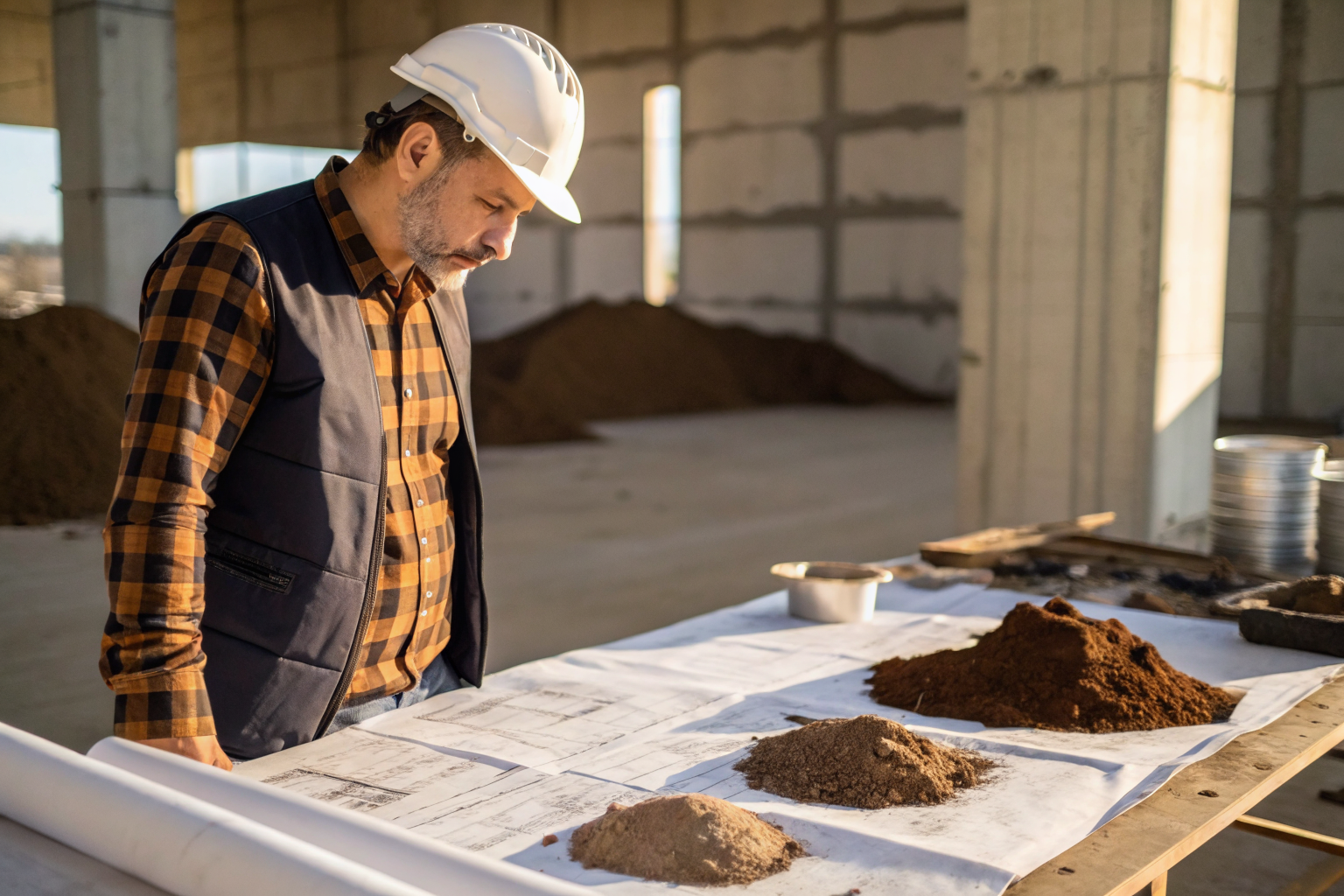
Only licensed soil scientists or certified septic contractors can perform perc tests in most states. Your local health department maintains a list of approved testers. Some counties require the health department to witness the test.
Multiple test sites become necessary when your primary location fails or local codes require backup drainfield areas. Rural properties often need 2-3 test locations to secure permits. Each additional site adds $100-$200 to your total cost.
Timing affects cost too. Peak construction season (spring and summer) drives prices up 20-30%. Winter testing in cold climates requires modified procedures and costs more.
What Actually Happens During a Perc Test Procedure?

The perc test procedure follows strict protocols to ensure accurate soil absorption measurements:
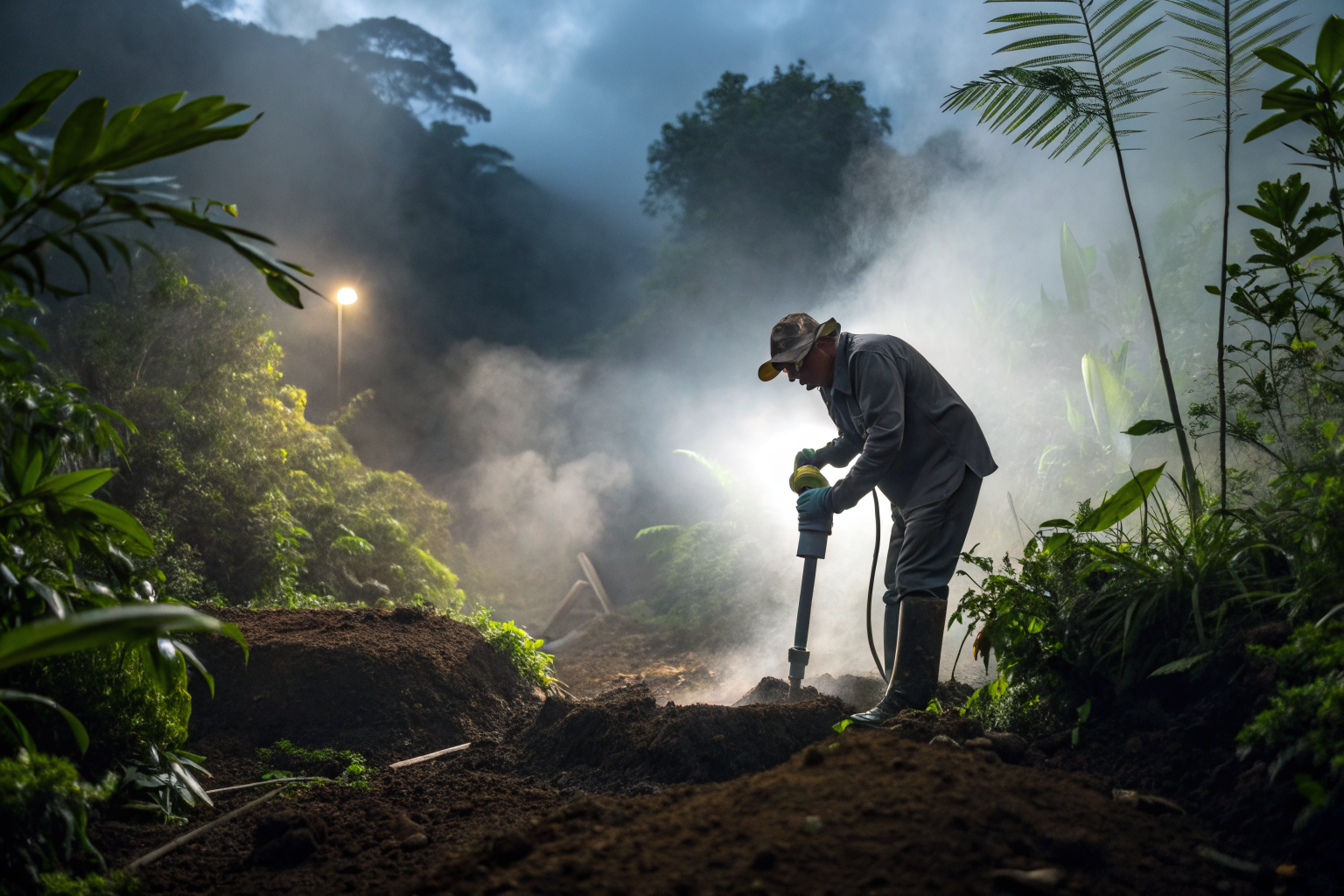
Dig test holes – Contractors excavate 6-12 holes using a post-hole digger or auger, typically 6-8 inches wide and extending to the planned drainfield depth.
Pre-soak the soil – Fill each hole with water and maintain the water level for 24 hours to saturate the surrounding soil and simulate actual operating conditions.
Refill and measure – After pre-soaking, refill holes with water to a standard depth (usually 6 inches above the bottom) and begin timing how long water takes to drop each inch.
Record hourly readings – Take measurements every hour for 6 consecutive hours, noting how much water level drops during each interval.
Calculate absorption rate – Use the final hourly reading (when the rate stabilizes) to determine minutes per inch of water absorption.
Document soil conditions – Record soil type, groundwater level, and any unusual conditions that might affect drainfield performance.
The 24-hour pre-soaking period is critical. Dry soil initially absorbs water much faster than saturated soil, giving false results. The pre-soak simulates how soil behaves after months of septic system operation.
Test holes must be placed in the exact drainfield area. Moving holes even 20-30 feet can dramatically change soil conditions and invalidate results.
What Perc Test Results Mean: Pass vs Fail Criteria

Perc test results determine your drainfield design and whether conventional septic systems will work on your property:
| Absorption Rate | Classification | Drainfield Options | Design Impact |
|---|---|---|---|
| 0-5 minutes/inch | Too fast | Special designs only | Lined systems required |
| 5-30 minutes/inch | Excellent | Standard drainfield | Minimum sizing |
| 30-60 minutes/inch | Acceptable | Standard drainfield | Larger sizing required |
| 60-120 minutes/inch | Poor | Alternative systems | Mound or ATU needed |
| Over 120 minutes/inch | Failed | No conventional system | Engineered solutions only |
EPA septic system guidelines consider 1-60 minutes per inch as acceptable for conventional drainfields. Rates below 1 minute per inch drain too fast, allowing untreated effluent to reach groundwater. Rates above 60 minutes indicate clay or compacted soils that won’t handle daily wastewater loads.
Borderline results between 45-65 minutes per inch often trigger additional testing. Some jurisdictions average multiple test holes, while others use the worst-performing hole as the design standard.
Seasonal variations affect results. Spring testing in wet conditions often shows slower absorption than summer testing in dry soil. Most health departments account for seasonal groundwater fluctuations in their evaluation.
What Happens When Your Perc Test Fails?

Failed perc tests don’t end your septic system project. Alternative technologies handle challenging soil conditions:
• Mound systems elevate the drainfield above natural soil, using imported sand to create proper drainage — these handle absorption rates of 60-120 minutes per inch and add $8,000-$15,000 to system cost
• Advanced Treatment Units (ATUs) pre-treat effluent to higher standards before soil dispersal, allowing smaller drainfields in marginal soils with ongoing maintenance costs of $200-$500 annually
• Sand filter systems route effluent through engineered sand beds before final soil disposal, working in soils with absorption rates up to 180 minutes per inch
• Drip irrigation systems distribute small amounts of treated effluent across large areas through buried tubing, perfect for slopes and thin soils over bedrock
Mound systems represent 80% of alternative installations. The mound contains 2-4 feet of imported sand that provides treatment before reaching natural soil. Proper mound design requires detailed soil evaluation and costs significantly more than conventional drainfields.
Some failed sites can be improved through soil modification. Breaking up hardpan layers or adding sand amendments sometimes creates acceptable conditions. However, most health departments prohibit soil modification after initial testing.
Engineered systems require ongoing maintenance that conventional drainfields don’t need. ATUs need annual inspections and periodic part replacement. This ongoing cost often surprises homeowners who only consider initial installation expenses.
How Perc Test Results Determine Your Drainfield Size and Design

Soil absorption rate directly calculates your required drainfield square footage through soil loading rates. Faster-absorbing soils handle more effluent per square foot, reducing the total drainfield area needed.
Soil loading rates range from 0.2 gallons per square foot per day for very fast soils to 1.2 gallons per square foot per day for slow soils. A typical 3-bedroom home generating 450 gallons daily needs 375 square feet of drainfield in excellent soil (450 ÷ 1.2 = 375) but requires 2,250 square feet in marginal soil (450 ÷ 0.2 = 2,250).
Drainfield design changes dramatically based on perc results. Fast soils under 15 minutes per inch often require pressure distribution systems to spread effluent evenly and prevent channeling. Slow soils over 30 minutes per inch need larger pipe networks with closer spacing to handle the reduced infiltration rate.
Septic tank sizing also connects to soil conditions. Slower soils require more consistent effluent quality, often necessitating larger tanks or additional treatment components. The sludge layer in poorly-draining soil sites needs more frequent pumping to prevent solids from reaching the drainfield.
Effluent distribution methods vary by soil type. Gravity-fed systems work fine in moderate soils, but pressure distribution becomes necessary in clay conditions to ensure even loading across the entire drainfield area.