

Can You Add a Bathroom to a House With a Septic System
Adding bathroom to house with septic depends more on bedroom count than bathroom count — a fact that catches most homeowners off guard.
Key Takeaways:
- Septic systems are sized by bedroom count, not bathroom count — adding a bedroom triggers capacity limits while adding a bathroom to an existing bedroom doesn’t
- Most jurisdictions require permits when adding plumbing fixtures, with processing times ranging from 2-8 weeks depending on local requirements
- System capacity assessments cost $300-800 but prevent the $15,000-45,000 surprise of full system replacement after construction begins
Does Your Septic System Size by Bedrooms or Bathrooms?
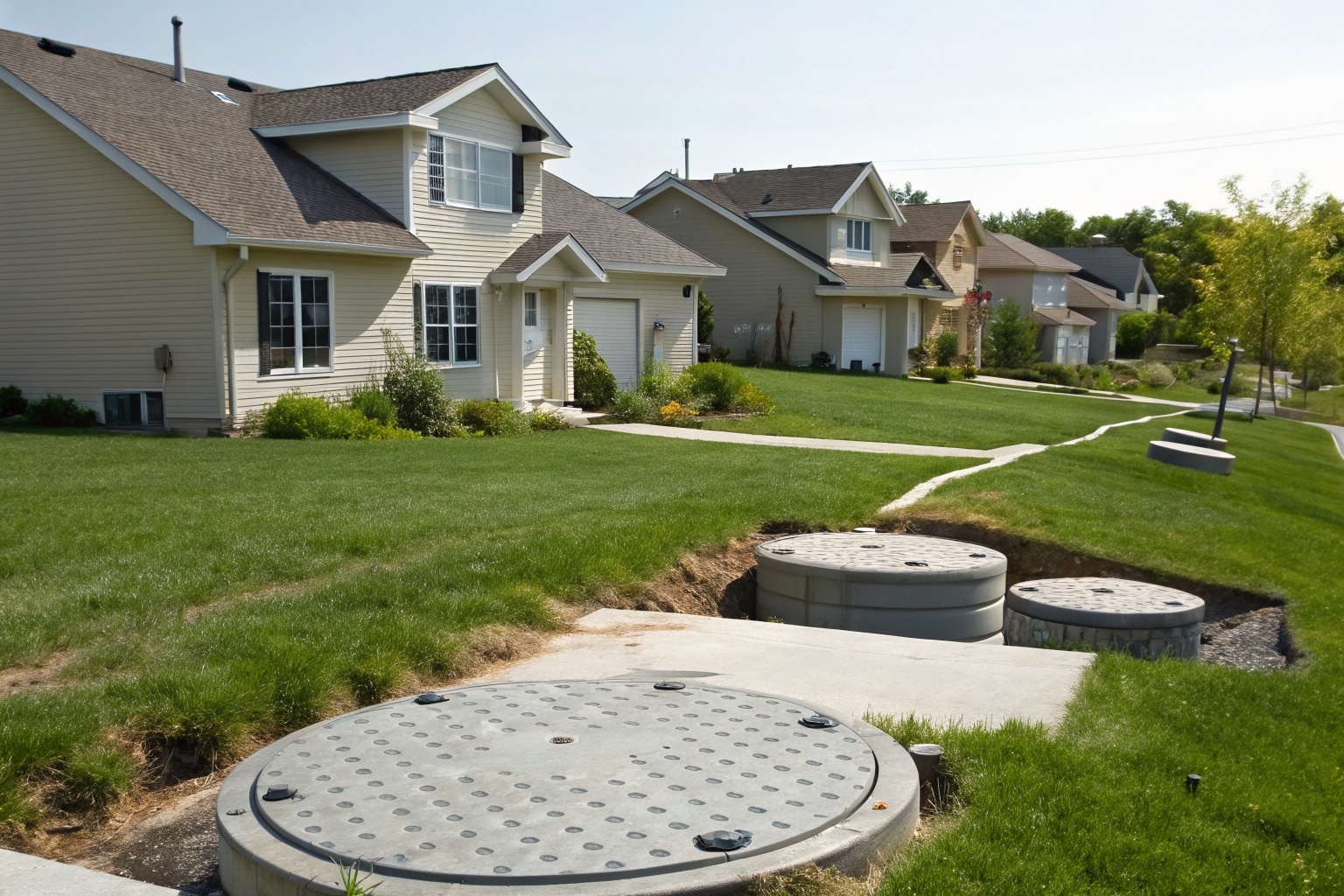
Septic System Capacity Limits are based on bedroom count, not fixture count. This means your septic system was designed to handle wastewater from a specific number of people — and regulatory agencies assume each bedroom houses one person generating 150-200 gallons per day.
Here’s what trips up most homeowners: adding a half-bath to your existing master bedroom won’t trigger capacity concerns, but converting your den into a bedroom will. The EPA Septic System Guidelines set these standards because bedrooms predict long-term occupancy patterns better than bathroom counts.
A three-bedroom house gets sized for 450-600 gallons daily capacity. Install five bathrooms if you want — the system design stays the same as long as bedroom count remains unchanged. But add one bedroom and you’ve just increased your design capacity requirement by 33%.
This bedroom-based approach makes sense when you consider seasonal usage. Guests use bathrooms during visits, but bedrooms indicate permanent residents who generate consistent daily loads. Your septic tank and drainfield were sized with this distinction in mind.
How Do You Calculate if Your System Can Handle Another Bathroom?
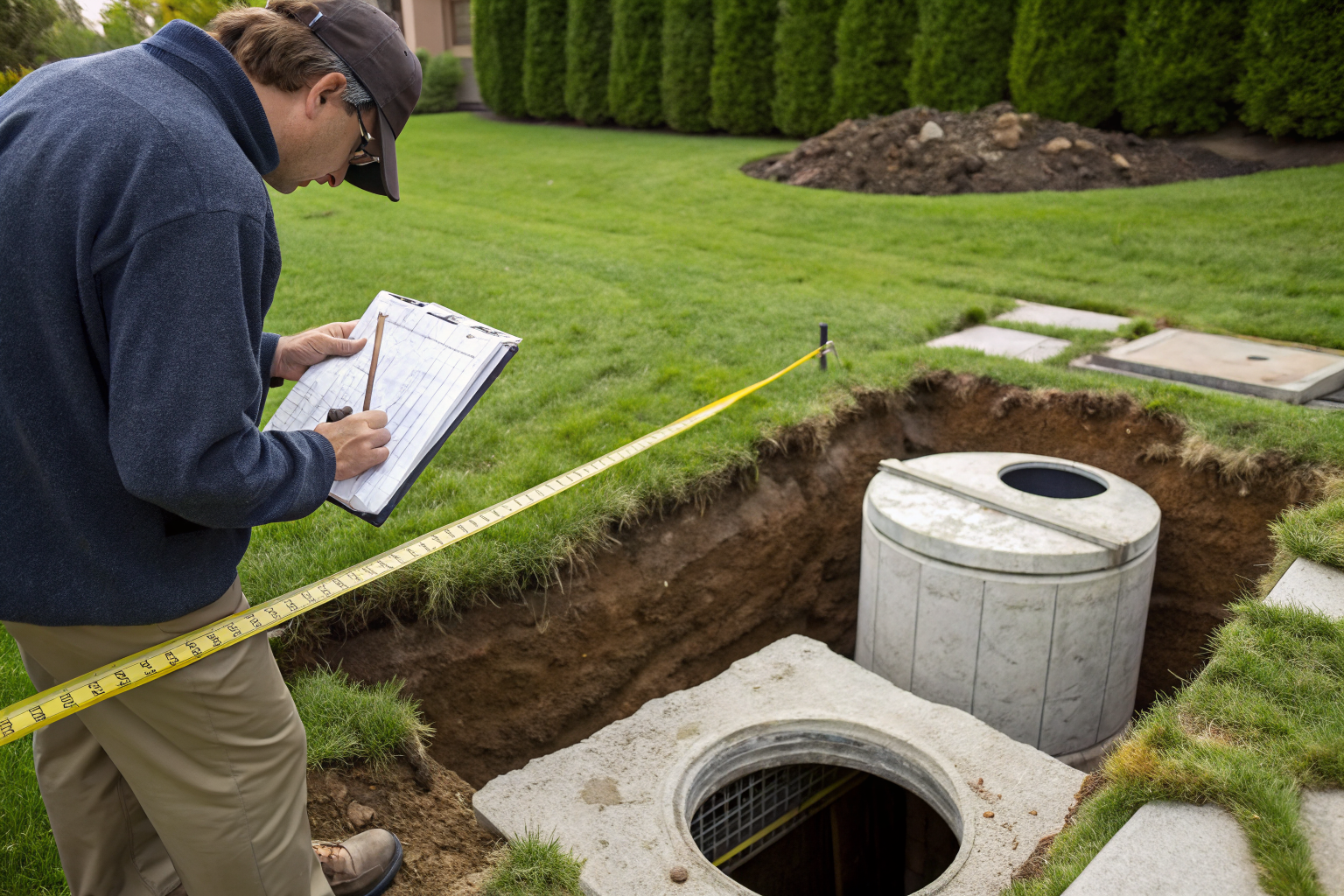
Find your current system capacity by checking permit records or measuring tank dimensions — standard residential tanks range from 750 gallons (2 bedrooms) to 1,500 gallons (5+ bedrooms).
Calculate your household’s current load using 150 gallons per bedroom per day as the baseline, then add high-water activities like frequent laundry or long showers.
Assess remaining capacity by comparing current load to system design limits — most systems include 20-30% buffer capacity for peak usage days.
Factor in fixture-specific demands where each toilet adds 25-30 gallons daily, showers contribute 15-20 gallons per use, and bathroom sinks generate 5-10 gallons per person daily.
Account for aging system efficiency since Septic Tank performance degrades over time — systems over 15 years old operate at 80-90% of original capacity.
Septic System Load Calculations get complex when you factor in water softener discharge, garbage disposal usage, and household size fluctuations. The math works differently for conventional gravity systems versus aerobic treatment units, where biological processes affect capacity differently than simple storage and infiltration.
Most health departments require professional capacity assessments for bathroom additions, even when bedroom count stays constant. These assessments cost $300-500 but identify problems before construction begins.
What Permits Do You Need for Adding Bathroom to Septic Home?

Jurisdictions require permits for plumbing additions because bathroom fixtures affect system loading patterns. Even minor additions trigger regulatory oversight in most areas.
| Jurisdiction Type | Permit Required | Processing Time | Inspection Stages |
|---|---|---|---|
| County Health Dept | Construction + Septic | 4-8 weeks | Pre-construction, rough-in, final |
| Municipal Code Dept | Building only | 2-4 weeks | Rough plumbing, final occupancy |
| State DEQ Areas | Environmental + Building | 6-12 weeks | Soil evaluation, system assessment, completion |
| Rural/Unincorporated | Varies by district | 1-6 weeks | Depends on staffing levels |
EPA Septic System Guidelines require capacity verification for any fixture additions in most states. This means submitting scaled drawings, current system specifications, and load calculations even for simple powder room additions.
Permit applications need existing system documentation — tank size, drainfield specifications, and installation date. Missing records trigger field inspections that add 2-3 weeks to processing time.
Some jurisdictions waive permits for bathroom additions that don’t increase bedroom count, but most require at minimum a plumbing permit. Call your local health department before assuming exemptions apply.
When Does Adding a Bathroom Require System Upgrade vs Replacement?
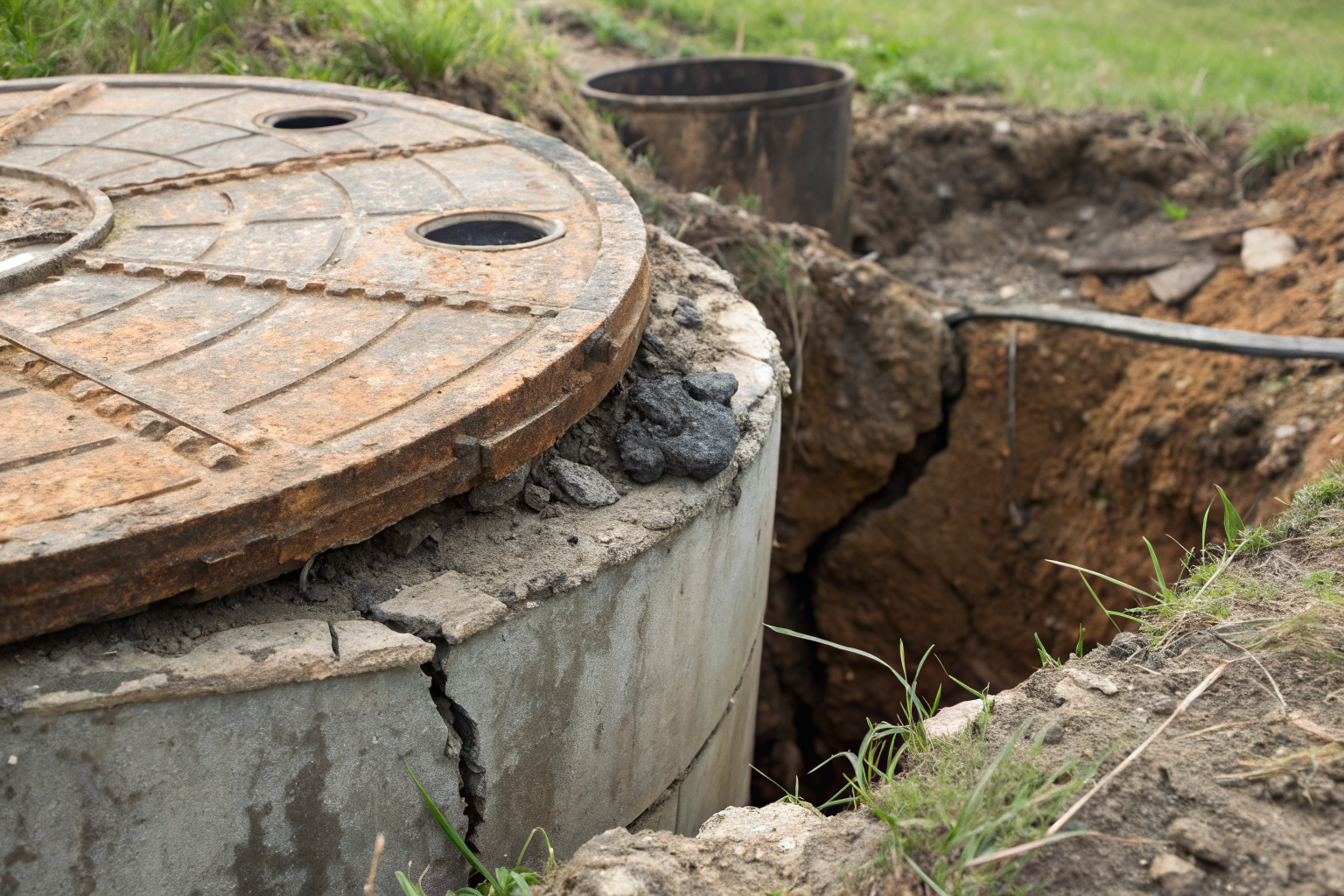
System age determines upgrade feasibility more than current condition. Older systems face structural limitations that make upgrades impractical or impossible.
| System Component | Upgrade Scenario | Replacement Scenario |
|---|---|---|
| Septic Tank (0-20 years) | Add compartment or second tank | Replace if undersized for new load |
| Septic Tank (20+ years) | Structural assessment required | 60% require full replacement |
| Drainfield (good percolation) | Extend existing field | Replace if saturated or failing |
| Drainfield (poor drainage) | Not viable | Complete soil remediation needed |
| Distribution system | Upgrade pump or gravity flow | Replace if pipes deteriorated |
Perc Test results dictate whether existing drainfield areas can handle additional loading. Good percolation rates (under 30 minutes per inch) support capacity increases through field extensions. Poor rates require complete system replacement.
Drainfield capacity gets tricky because soil conditions change over time. Clay accumulation, root intrusion, and biomat development reduce infiltration rates even in systems that initially passed percolation testing.
Systems over 20 years old face 60% higher likelihood of requiring full replacement versus upgrade when adding bathroom capacity. The math changes when existing components show signs of failure — cracked tanks, saturated soil, or backing up fixtures indicate replacement regardless of age.
Upgrade costs run $5,000-12,000 for tank additions or field extensions. Complete replacement starts at $15,000 and reaches $45,000 for complex soil conditions or aerobic systems.
What Actually Affects Your Septic System’s Bathroom Addition Capacity?

Water usage patterns determine system capacity requirements beyond simple fixture counts. These factors matter more than most homeowners realize:
• Water Softener Discharge adds 50-100 gallons daily of high-sodium backwash that can damage soil structure and reduce drainfield infiltration rates over time
• Household size changes affect loading regardless of bedroom count — teenage children use 40-60% more water than design calculations assume
• Laundry frequency patterns where families washing 8-12 loads weekly exceed standard residential assumptions of 5-6 loads built into capacity calculations
• Seasonal usage fluctuations from guests, home offices, or extended family visits create peak loading periods that stress system components
• High-efficiency fixture adoption can reduce daily loads by 20-30%, creating capacity headroom for additions without system modifications
Septic System Load Calculations often miss these real-world variables. Standard engineering assumes consistent daily usage, but actual households show wide variation in water consumption patterns.
Water Softener Discharge poses particular problems for bathroom additions because the sodium content alters soil chemistry in drainfields. Systems already stressed by high sodium levels can’t handle additional bathroom loading without soil remediation.
Garbage disposals, hot tubs, and basement dehumidifiers add hidden loads that affect bathroom addition feasibility. Each contributes wastewater that wasn’t included in original system sizing calculations.