
South Carolina Septic System Rules: DHEC Regulations and Permits
South Carolina septic system rules through DHEC Regulation 61-56 address coastal geography challenges with specific permit requirements you won’t find in other states. High water tables and sandy soils create installation complexities that state regulations handle differently than inland areas.
Key Takeaways:
• DHEC requires construction permits for all septic installations, with coastal zone properties facing additional groundwater protection rules under Section 61-56.6
• Site evaluation costs range from $350-$750 in SC, with high water table areas requiring engineered system designs that add $2,000-$5,000 to installation costs
• South Carolina does not mandate septic inspections for home sales statewide, but Charleston, Beaufort, and Georgetown counties require transfer inspections
What Does DHEC Regulation 61-56 Actually Control in Your Septic System?
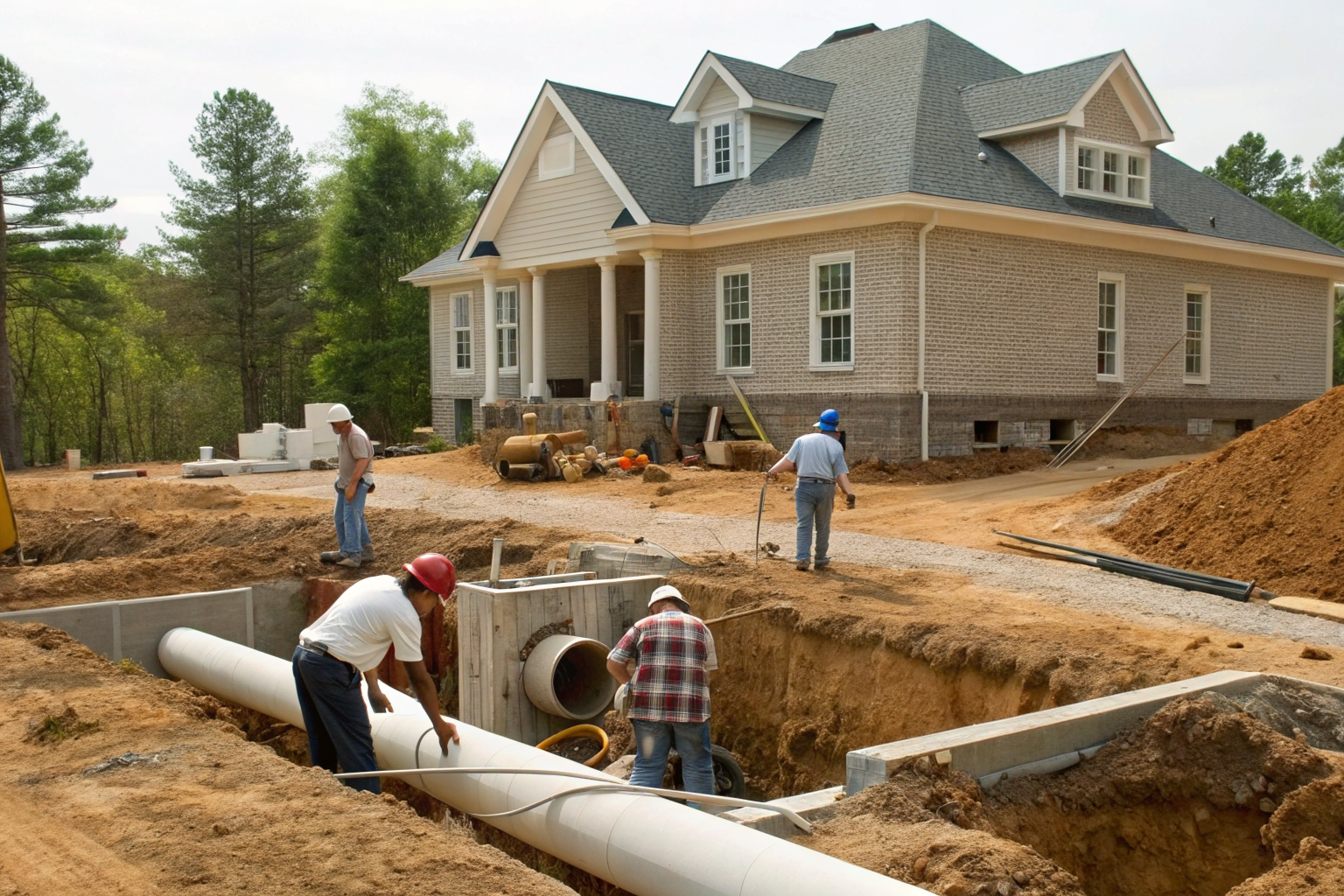
DHEC Regulation 61-56 is South Carolina’s comprehensive septic system construction standard that governs design, installation, and repair requirements statewide. This means every septic system installed in South Carolina must meet these baseline requirements before local counties can add their own restrictions.
The State Health Department delegates enforcement authority to county health departments, but DHEC retains oversight of the 15 specific construction standards. You must get state approval for your system design before any county can issue a local permit.
Regulation 61-56 covers soil evaluation procedures, minimum setback distances from wells and property lines, tank sizing requirements based on bedroom count, and drainfield design specifications. The regulation also establishes who can perform site evaluations and install systems.
State rules create the foundation. County rules add restrictions on top. You need both approvals to install a legal septic system in South Carolina. DHEC handles the technical standards while counties manage permitting logistics and local zoning compliance.
The regulation distinguishes between new installations, major repairs, and routine maintenance. Major repairs that affect system capacity or location trigger the same approval process as new installations.
Which South Carolina Counties Require Septic Inspections for Home Sales?
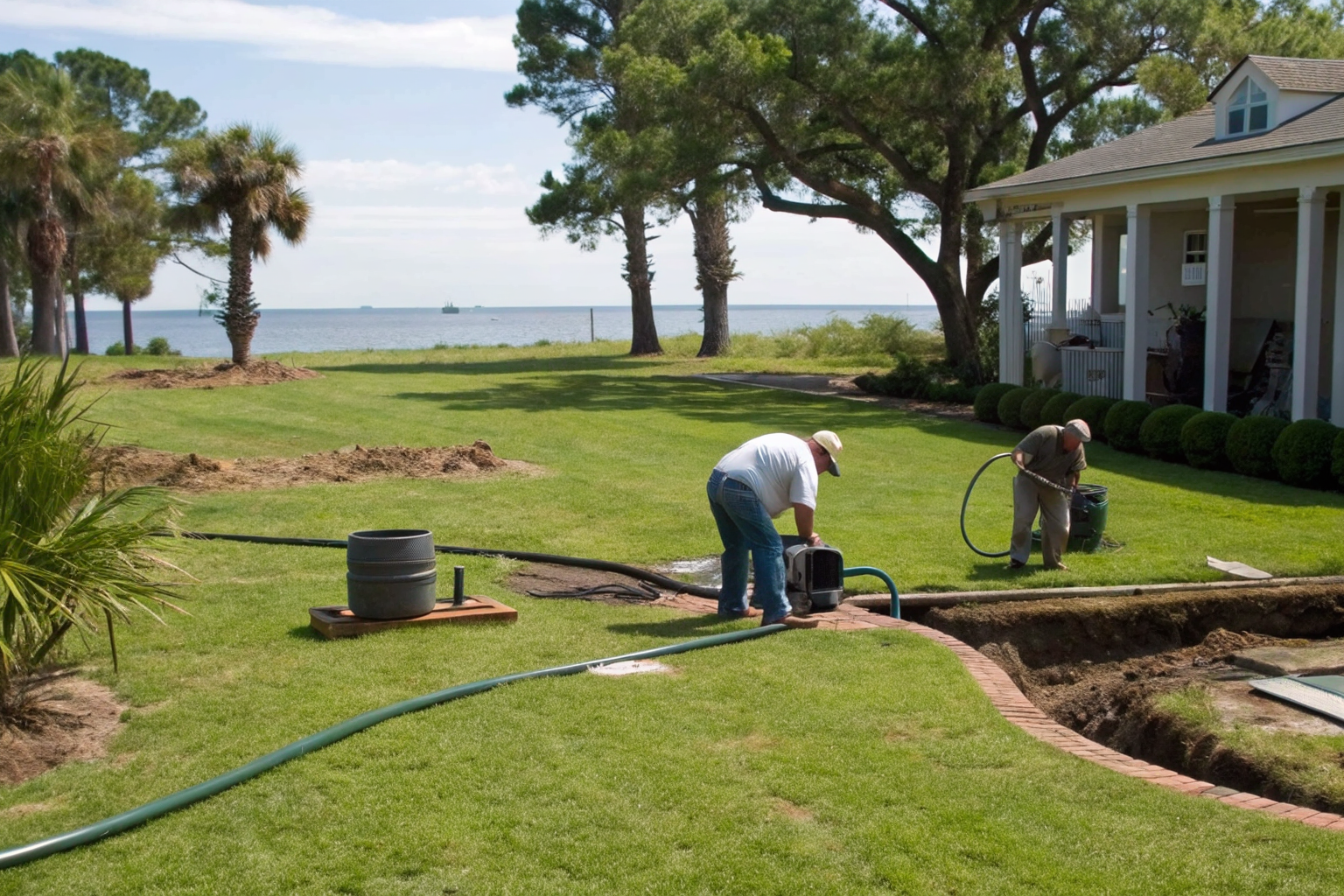
Transfer Inspection Requirement varies by county jurisdiction across South Carolina’s 46 counties. Most counties do not mandate septic inspections during home sales, but several coastal and suburban counties have implemented these requirements to protect buyers.
| County | Transfer Inspection Required | Cost Range | Timeline |
|---|---|---|---|
| Charleston | Yes | $200-$350 | 30 days before closing |
| Beaufort | Yes | $175-$300 | 45 days before closing |
| Georgetown | Yes | $150-$275 | 30 days before closing |
| Horry | No | N/A | N/A |
| Berkeley | No | N/A | N/A |
| Dorchester | No | N/A | N/A |
| York | No | N/A | N/A |
| Greenville | No | N/A | N/A |
Coastal counties implemented transfer inspections because of groundwater protection concerns and higher system failure rates in sandy soils. The inspections check for proper tank pumping, drainfield functionality, and compliance with current setback requirements.
Counties without transfer requirements still allow voluntary inspections. Smart buyers request septic inspections regardless of local requirements, especially for homes over 15 years old or properties with known drainage issues.
Some counties require inspections only for specific system types or properties within designated environmental zones. Check with your county health department before listing or buying any property with a septic system.
How Does South Carolina’s Site Evaluation Process Actually Work?
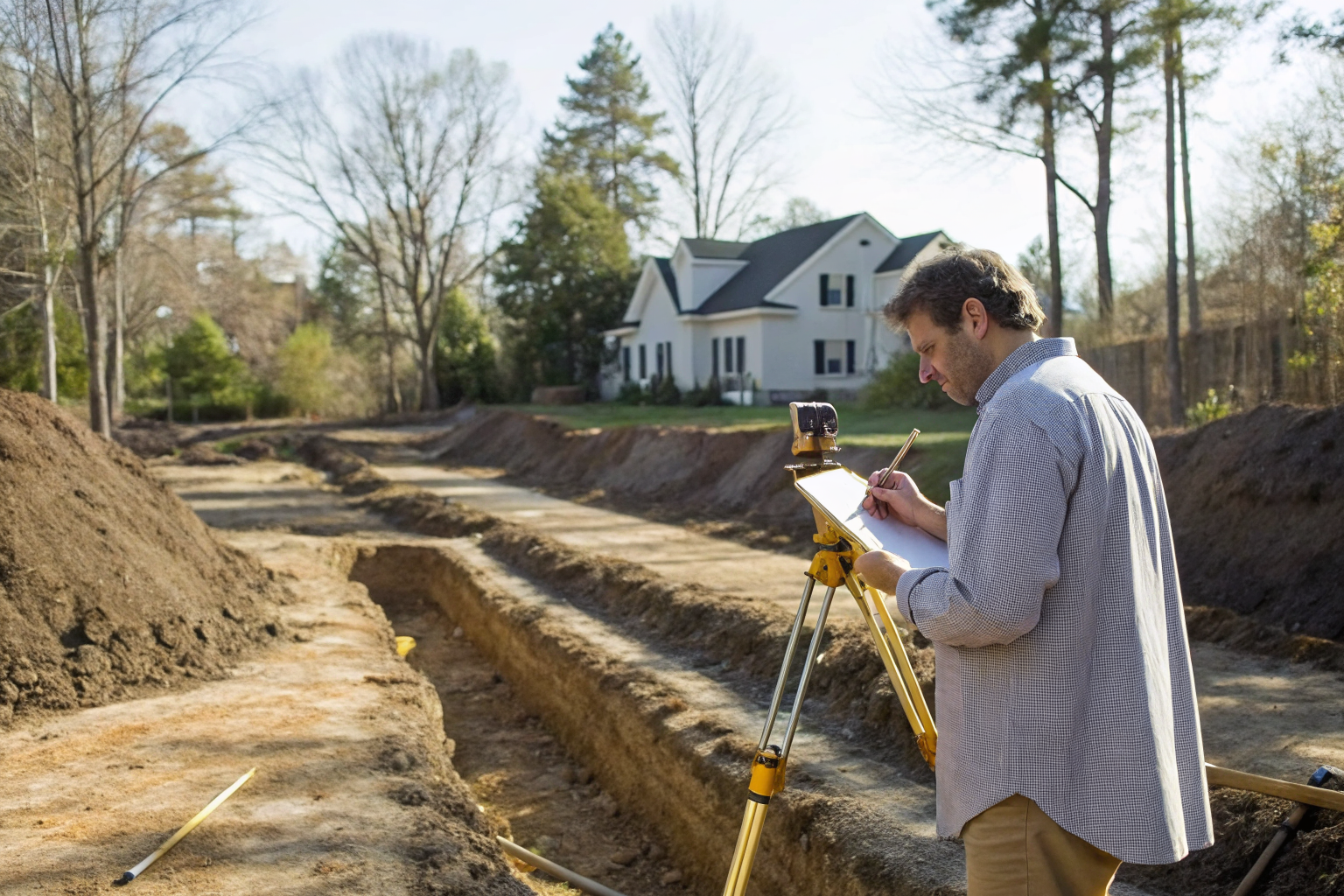
Site evaluation process determines septic system design approval through a systematic soil and site analysis that DHEC requires before any installation permit. Here’s the exact procedure:
Licensed evaluator performs initial site visit to assess topography, existing structures, and utility locations within 100 feet of proposed system location.
Soil boring tests occur at multiple locations across the proposed drainfield area using mechanical auger equipment to depths of 6-8 feet below planned installation.
Percolation testing measures soil absorption rates by digging standardized test holes, pre-soaking for 24 hours, then timing water infiltration rates over 4-hour periods.
Groundwater depth measurements confirm seasonal high water table location through observation of soil color changes, mottling patterns, and standing water evidence.
Setback distances get verified from wells, property lines, surface water bodies and structures according to Table 1 in Regulation 61-56.
System sizing calculations determine required drainfield square footage based on bedroom count, soil percolation rates, and daily wastewater flow estimates.
Final site evaluation report gets submitted to county health department with recommended system type, sizing specifications, and exact placement coordinates.
The entire process takes 5-10 business days depending on weather conditions and soil characteristics. Evaluators must hold current certification from DHEC and carry professional liability insurance.
What Makes High Water Table Systems Different in South Carolina’s Lowcountry?
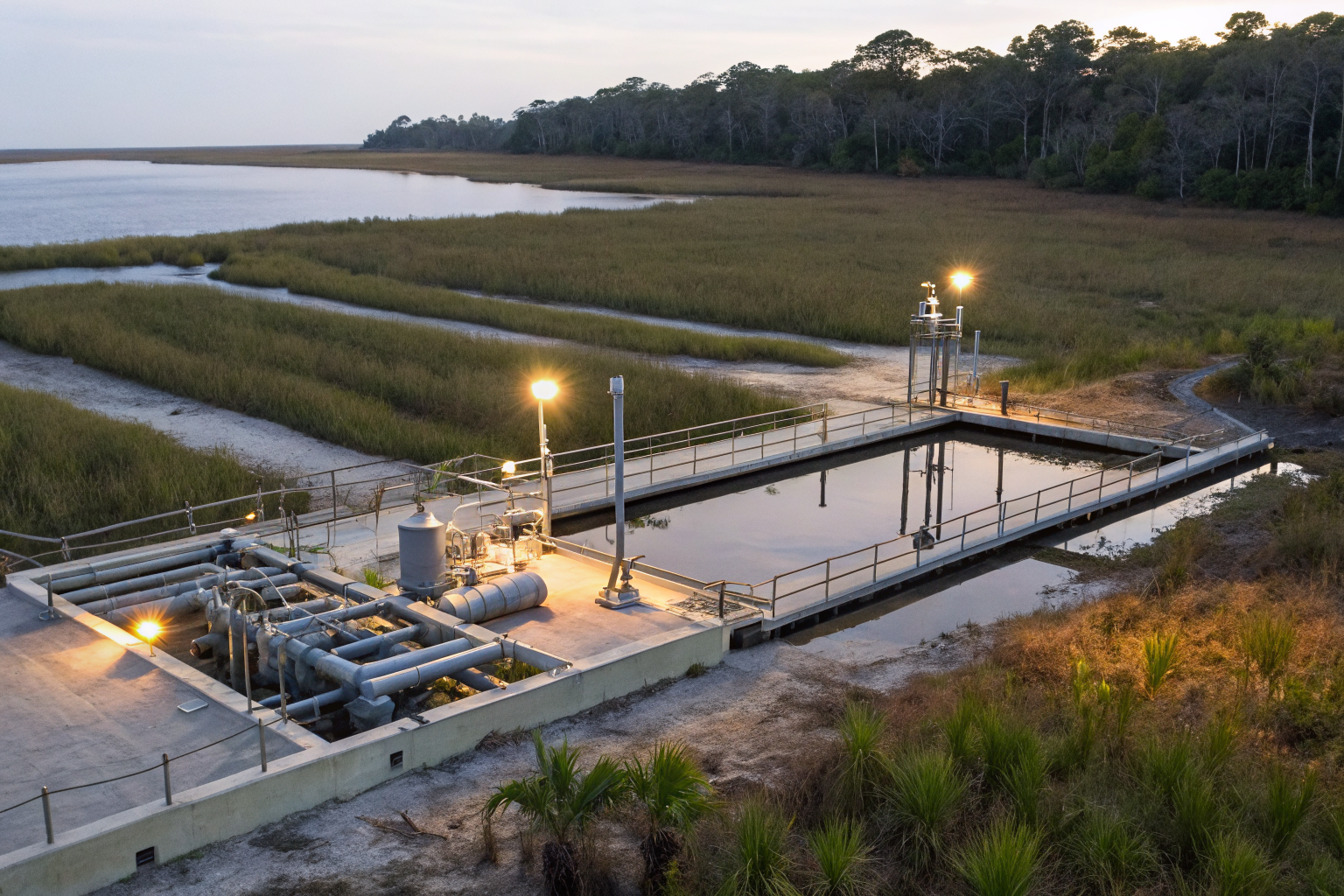
High Water Table Systems require specialized design standards when groundwater sits within 18 inches of the soil surface during seasonal peaks. Coastal zone additional rules under Section 61-56.6 mandate engineered solutions that conventional systems can’t handle.
| System Component | Standard System | High Water Table System |
|---|---|---|
| Drainfield Depth | 18-24 inches | 12 inches maximum |
| Soil Requirements | Natural soil absorption | Imported sand/gravel media |
| Pump Requirements | Gravity flow acceptable | Pump station mandatory |
| Monitoring Wells | Not required | Required every 50 feet |
| Design Approval | Health department | Licensed engineer + DHEC |
| Installation Cost | $3,000-$6,000 | $8,000-$15,000 |
Lowcountry areas from Charleston to Hilton Head face groundwater challenges that standard drainfield designs can’t overcome. You need raised bed systems, sand mounds, or aerobic treatment units with drip irrigation.
Engineered systems require professional design by licensed engineers, not just county health department approval. The engineer must certify that the system won’t contaminate groundwater or create surface ponding during heavy rainfall periods.
Pump stations become mandatory because gravity flow can’t function when groundwater pushes back against effluent discharge. Backup power systems prevent sewage backups during power outages.
Monitoring wells allow ongoing verification that groundwater contamination isn’t occurring. Some coastal counties require annual water quality testing for engineered systems.
What Septic Permits Do You Actually Need in South Carolina?

Septic System Permit requirements depend on the type of work you’re planning and whether you’re installing, repairing, or modifying an existing system. Here are the 5 different permit types with their specific applications:
• Construction Permit ($250-$450) – Required for all new septic system installations, covers site evaluation approval, system design review, and installation oversight
• Repair Permit ($125-$200) – Needed for drainfield replacement, tank replacement, or any work affecting system capacity or location
• Alteration Permit ($150-$300) – Required when adding bedrooms, installing garbage disposals, or modifying system components
• Operating Permit ($75-$150) – Annual requirement for aerobic treatment units, lagoon systems, and other mechanical treatment systems
• Abandonment Permit ($50-$100) – Mandatory when decommissioning old systems during new installations or connecting to municipal sewer
You must get permits before starting any work. Retroactive permits cost double the standard fee plus potential fines up to $1,000 per violation.
Permit applications require site plans, soil evaluation reports, and system specifications. Processing takes 10-15 business days for standard applications, longer for engineered systems requiring DHEC review.
Contractors must hold current state licenses and pull permits in their names. Homeowner installations are legal but require the same permits and inspections as professional work.
How Do South Carolina’s Septic Rules Compare to Neighboring States?
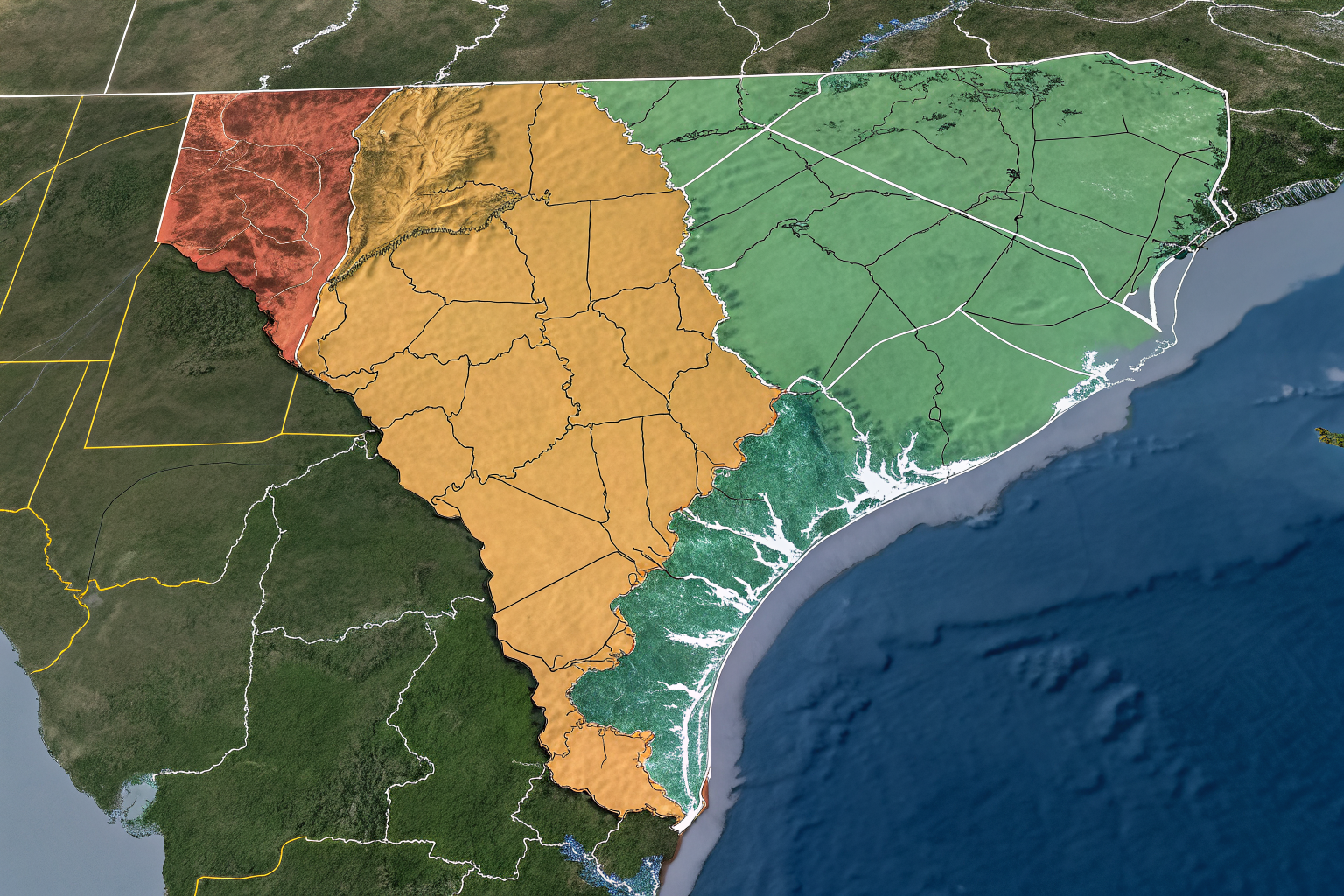
North Carolina DHHS Regulations differ from South Carolina requirements in several key areas, particularly around inspection mandates and permit processes. Here’s how the four southeastern states handle septic regulation:
| Requirement | South Carolina | North Carolina | Georgia | Florida |
|---|---|---|---|---|
| Statewide Transfer Inspections | No | Yes | No | Yes |
| Site Evaluation Required | Yes | Yes | Yes | Yes |
| Professional Installation Required | No | Yes | No | Yes |
| Permit Fees | $125-$450 | $200-$600 | $100-$300 | $150-$500 |
| Engineered System Threshold | 18″ groundwater | 12″ groundwater | 24″ groundwater | 18″ groundwater |
| Annual Operating Permits | Aerobic only | All systems | Aerobic only | Advanced systems |
Florida DOH Septic Rules require professional installation for all systems, while South Carolina allows homeowner installations with proper permits. North Carolina mandates statewide transfer inspections, creating more buyer protection but higher transaction costs.
Georgia uses the most relaxed standards for groundwater protection, allowing conventional systems in conditions where other states require engineered solutions. This creates cost advantages but potential environmental risks.
South Carolina falls in the middle for regulatory strictness. You get reasonable permit costs and installation flexibility while maintaining adequate environmental protection through county-level enforcement variations.
The biggest difference involves ongoing compliance. Florida and North Carolina track system maintenance through mandatory inspections, while South Carolina relies on complaint-driven enforcement except in specific coastal counties.