
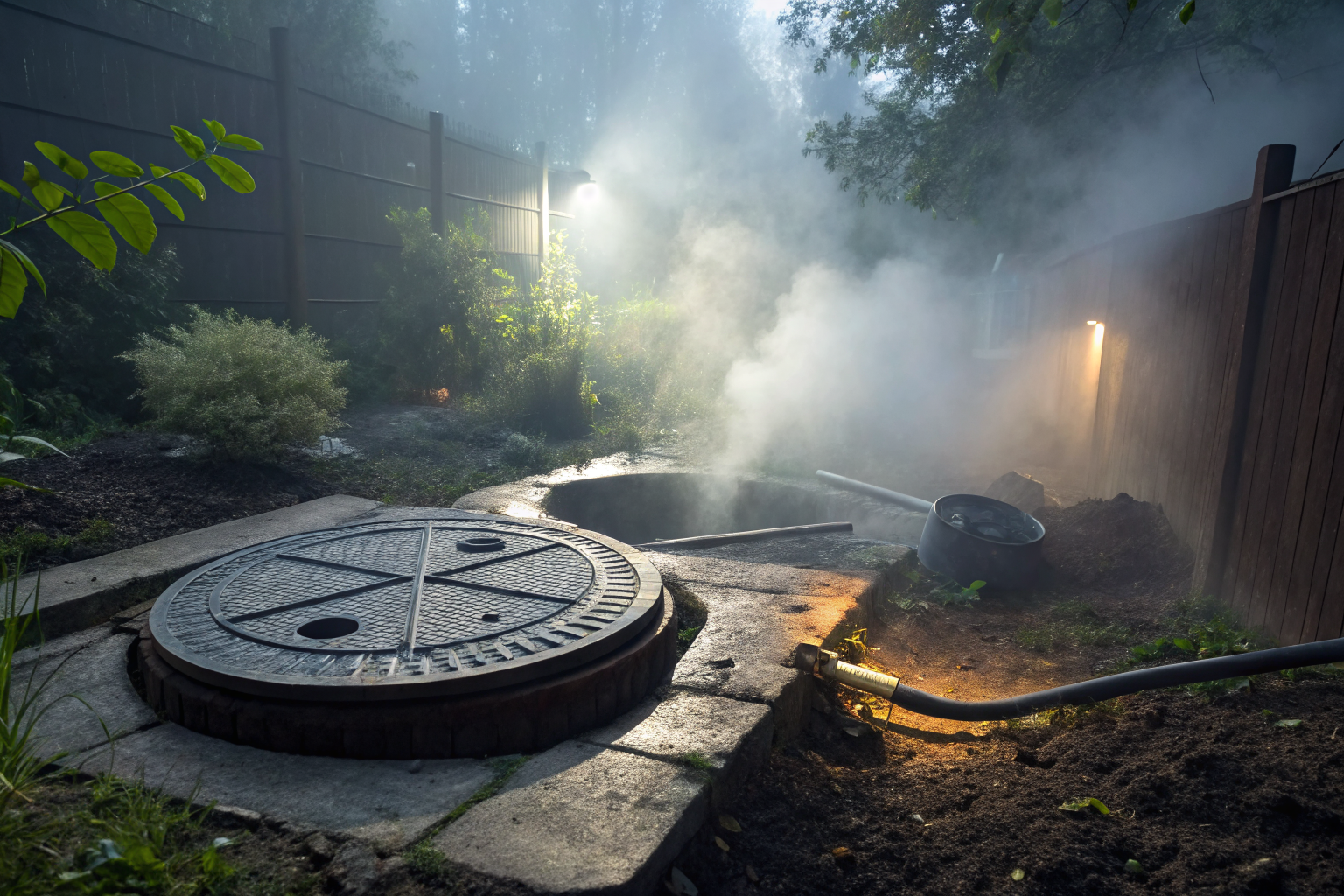
How Often to Pump a Septic Tank: The Real Answer by Household Size
How often to pump septic tank depends on your household size and tank capacity, not the generic advice most contractors give. Most homeowners get told ‘3 to 5 years’ for septic pumping, but that advice costs you money and risks system failure.
Key Takeaways:
- EPA data shows a 2-person household with a 1000-gallon tank needs pumping every 5.9 years, not the generic ‘3-5 years’ most contractors quote
- Garbage disposal use can cut your pumping interval by 50% — from 5 years to 2.5 years for the same household size
- Waiting until you see symptoms means you’ve damaged your drainfield, which costs $3,000-$10,000 to replace versus $300-$500 to pump
The EPA Tank Size to Household Chart: Exact Pumping Intervals
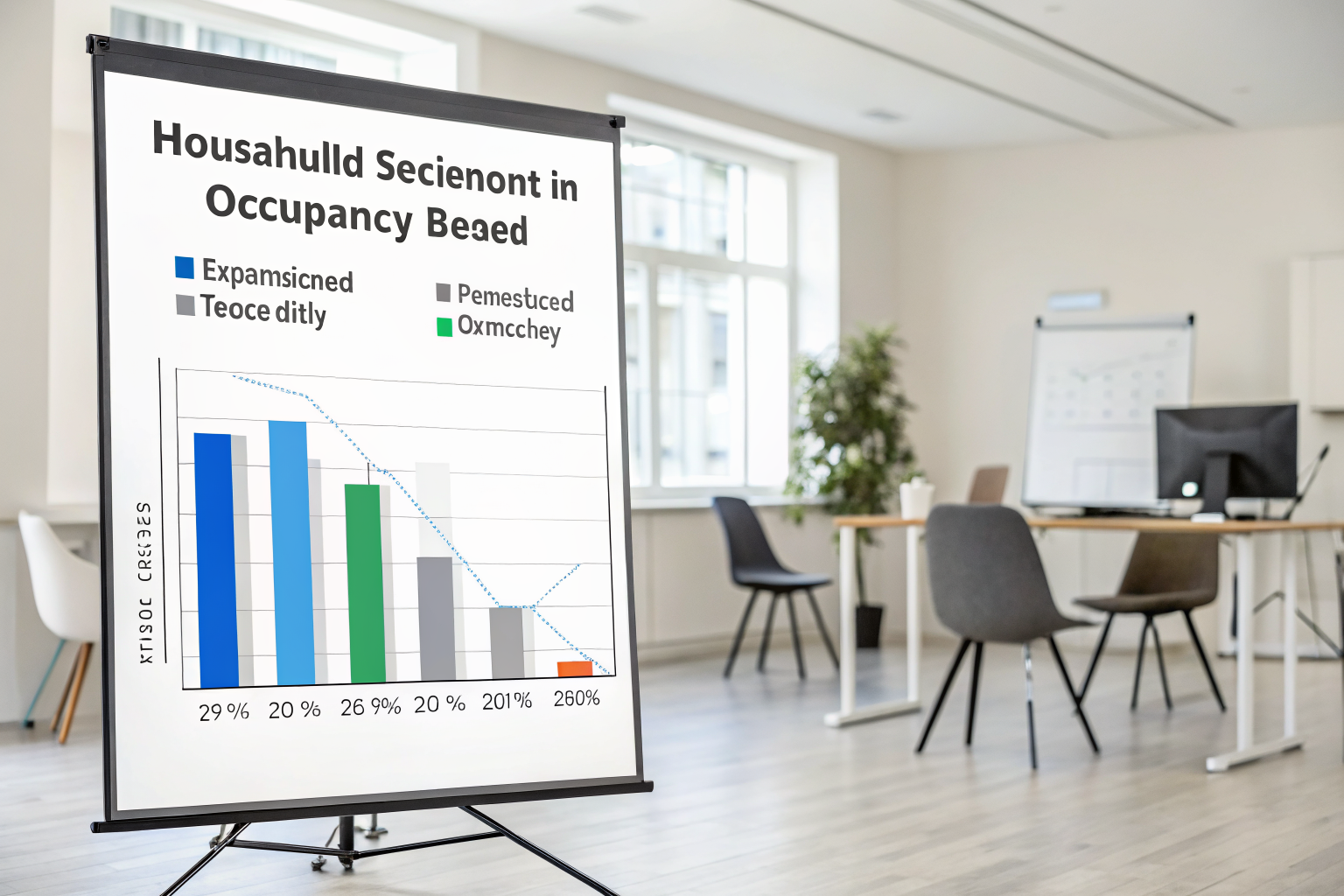
EPA septic system guidelines specify pumping frequencies based on tank size and household occupancy. The Environmental Protection Agency developed these intervals after studying septic system performance across different usage patterns. This data replaces the vague “3-5 years” recommendation with precise timing.
| Tank Size (Gallons) | 1 Person | 2 People | 3 People | 4 People | 5 People | 6 People |
|---|---|---|---|---|---|---|
| 750 | 5.8 years | 2.6 years | 1.5 years | 1.0 years | 0.7 years | 0.4 years |
| 1000 | 12.4 years | 5.9 years | 3.3 years | 2.6 years | 2.0 years | 1.5 years |
| 1250 | 18.9 years | 8.7 years | 5.6 years | 4.2 years | 3.3 years | 2.6 years |
| 1500 | 25.4 years | 11.6 years | 7.5 years | 5.6 years | 4.5 years | 3.7 years |
The table shows pumping frequency drops fast as occupancy increases. A 4-person household with a 1000-gallon tank needs pumping every 2.6 years. Add one more person and you’re down to 2 years between pumpings. Tank capacity matters, but household size drives the schedule.
Most septic contractors quote “3-5 years” because it’s easier than explaining the variables. But using EPA data saves money for smaller households and prevents disasters for larger ones. A retired couple in a 1500-gallon system can wait over 11 years. A family of six in the same tank needs annual attention.
What Factors Cut Your Pumping Schedule in Half?
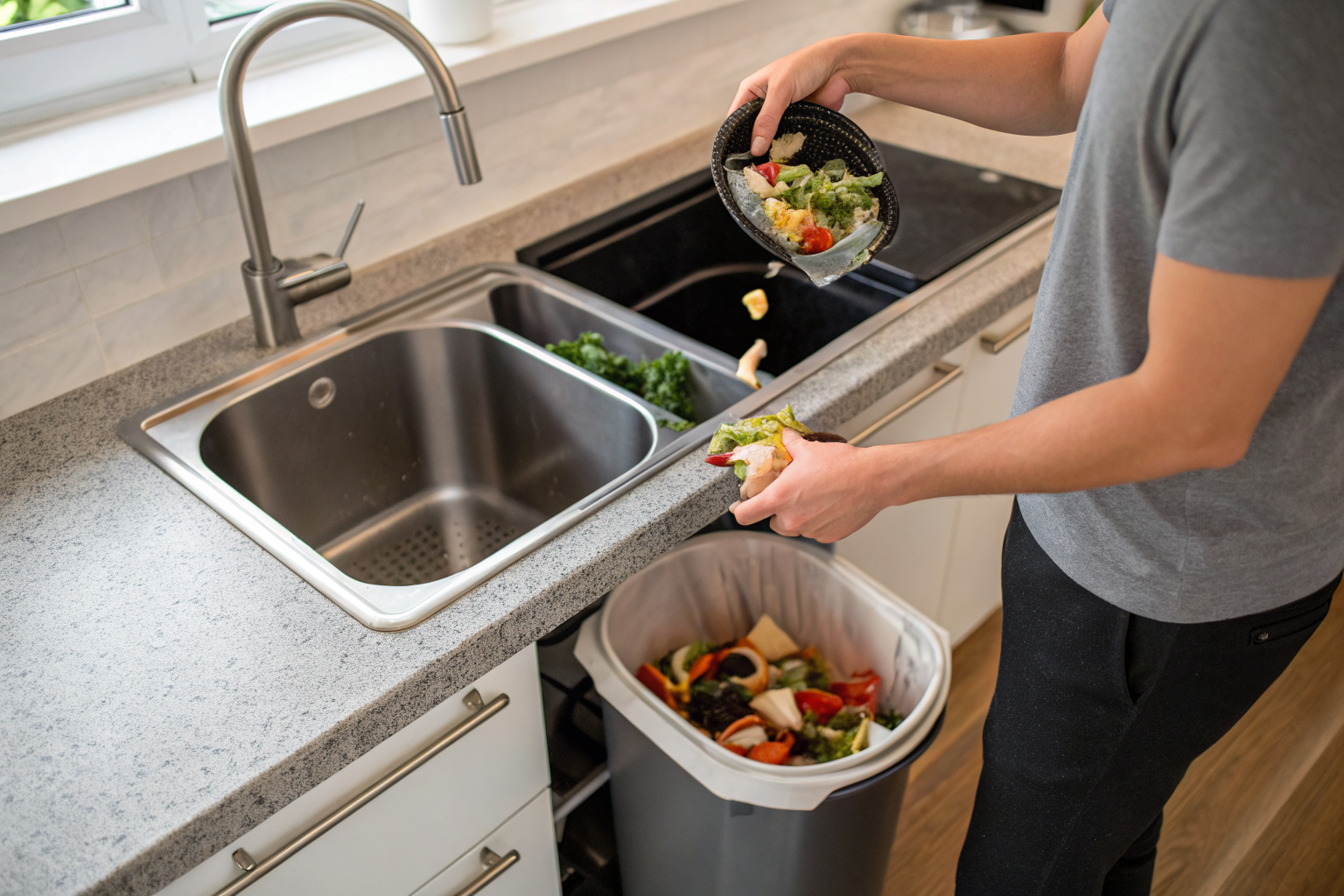
Usage factors accelerate sludge and scum buildup rates beyond the EPA baseline assumptions. These lifestyle choices increase solid waste entering your tank, forcing more frequent pumping.
Garbage disposal use — Food scraps bypass normal decomposition and add 50% more solid waste to your tank. This cuts pumping intervals from 5 years to 2.5 years for the same household size.
Water softener discharge — Salt brine kills beneficial bacteria that break down waste. Without these bacteria, solids accumulate faster and require pumping 25% more often.
Excessive toilet paper consumption — Ultra-soft, thick papers don’t break down completely. Families using premium toilet paper see 30% faster sludge buildup compared to standard single-ply users.
Antibiotics and antimicrobial products — These medications pass through your body and kill septic bacteria. One family member on long-term antibiotics can reduce bacterial activity enough to require annual pumping instead of biennial.
Chemical drain cleaners — Bleach and acid-based cleaners sterilize your tank. Regular use destroys the bacterial balance needed for waste breakdown.
Scum and sludge levels rise when bacteria can’t keep pace with incoming waste. Each factor compounds the others. A household with garbage disposal, water softener, and frequent antibiotic use might need pumping twice as often as EPA guidelines suggest.
How Do You Know When Your Tank Actually Needs Pumping?
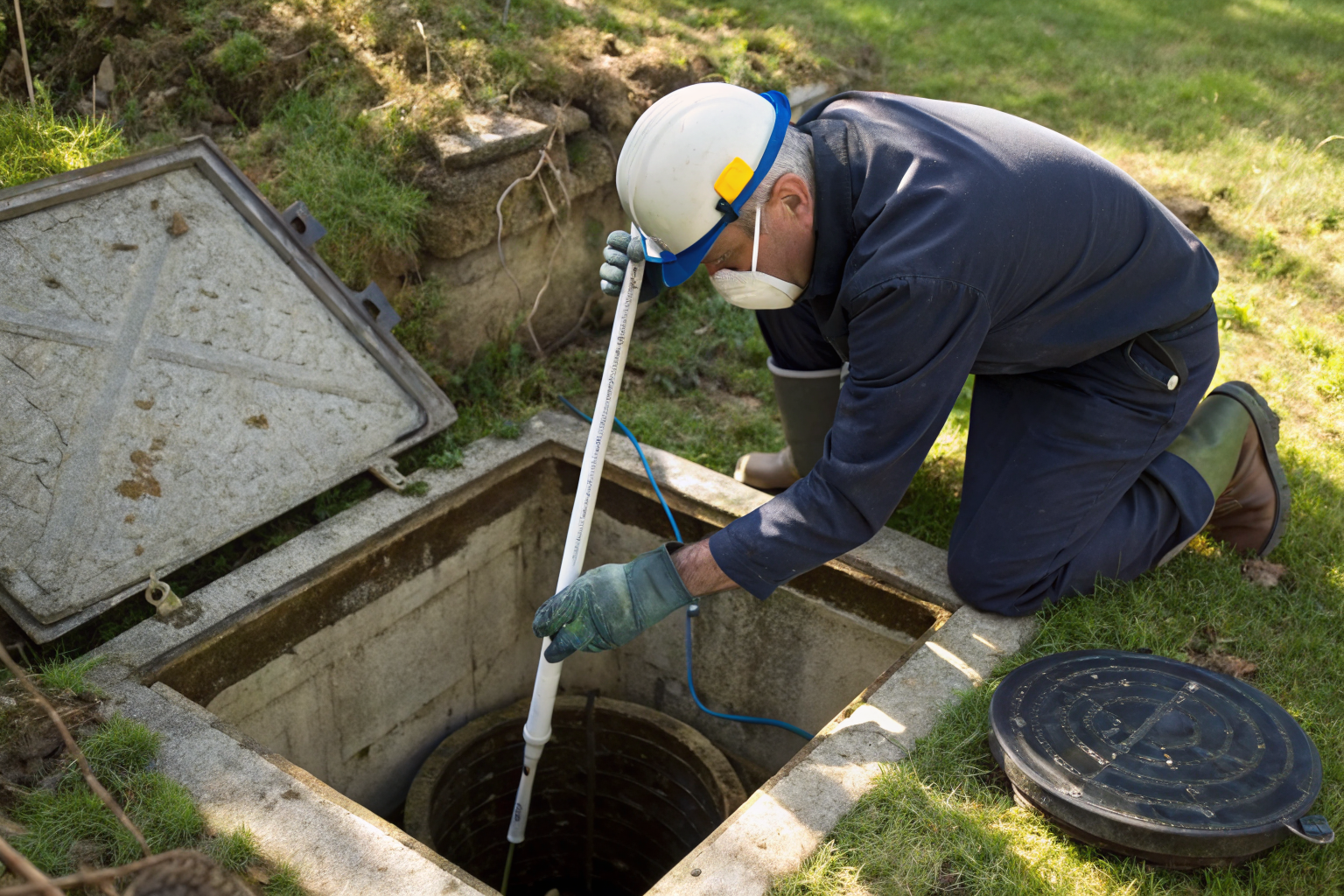
Septic system inspection reveals scum and sludge level measurements that determine pumping necessity. Professional measurement uses the one-third rule to time pumping before problems develop.
Locate your tank’s outlet baffle — This is where effluent leaves the tank. Measure from the bottom of the outlet pipe to the tank bottom to establish total liquid depth.
Measure the scum layer thickness — Push a long stick through the floating scum until you hit liquid. Mark where the stick enters the scum and where it exits at the bottom. This gives you scum depth.
Check sludge accumulation at the tank bottom — Lower a white towel on a stick to the tank bottom. Pull it up and note where dark sludge stains end. This shows sludge depth from the bottom.
Apply the one-third rule — Add scum and sludge depths together. When their combined thickness reaches one-third of the total tank liquid depth, schedule pumping within 6 months.
Document your measurements — Record dates and depths to track accumulation rates. This data helps predict future pumping needs and catches problems early.
Professional inspectors charge $100-200 for this service but provide accurate measurements and tank condition assessment. DIY measurement saves money but requires proper safety equipment and sewage gas precautions. Never enter a septic tank or breathe tank gases directly.
Why Waiting for Symptoms Destroys Your Drainfield
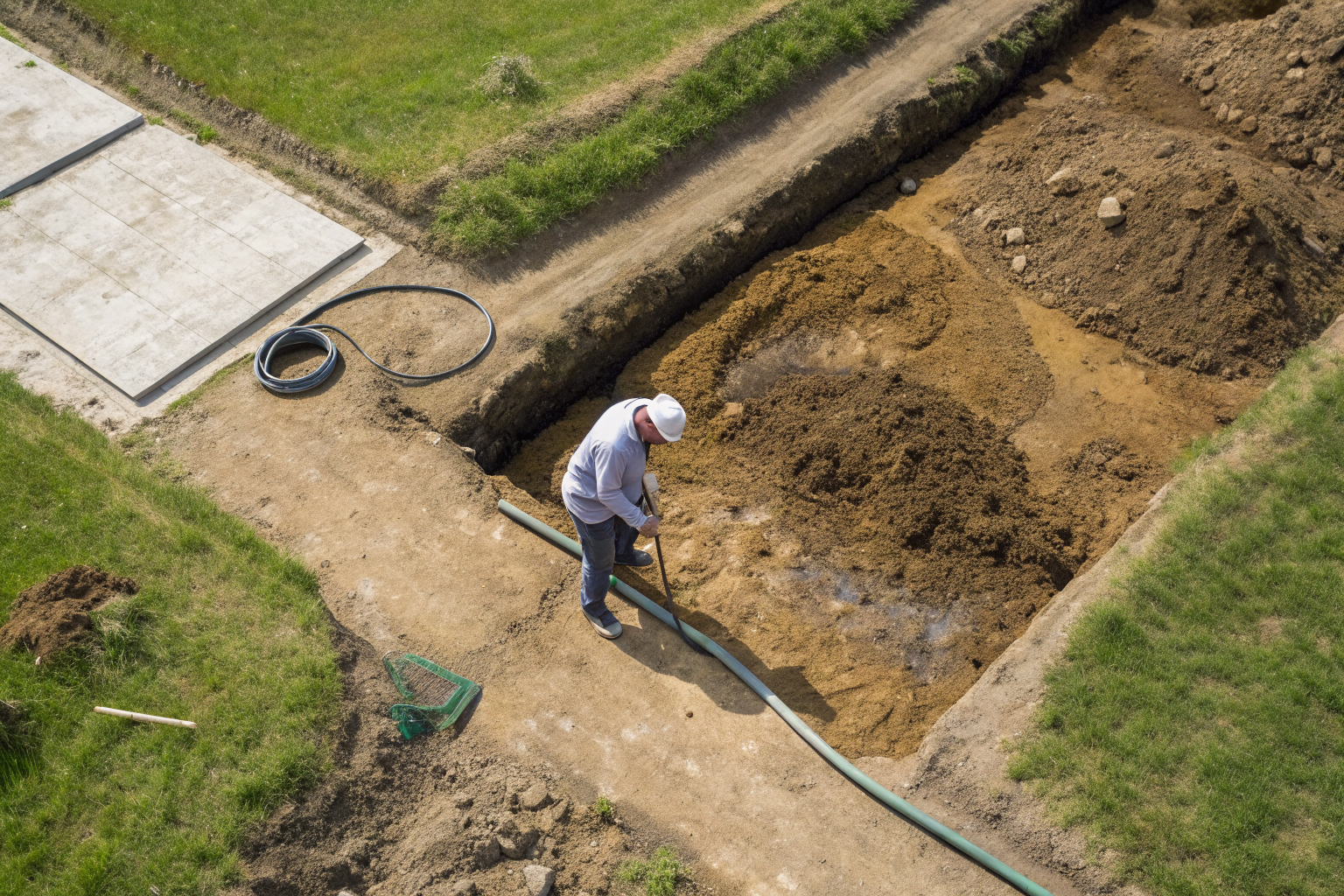
Delayed pumping causes drainfield failure and replacement costs that dwarf routine maintenance expenses. When solids escape an overfull tank, they clog soil pores and prevent wastewater absorption.
| Maintenance Approach | Upfront Cost | Long-term Cost | Total 20-Year Cost |
|---|---|---|---|
| Preventive pumping every 3 years | $400 per pump | 7 pumpings = $2,800 | $2,800 |
| Reactive pumping when symptoms appear | $500 emergency pump | Drainfield replacement $7,500 | $8,000 |
| Complete neglect until failure | $800 emergency pump | Full system replacement $15,000 | $15,800 |
Scum and sludge levels rise silently until they reach the outlet baffle. Once solids flow into your drainfield, soil absorption drops permanently. You can’t reverse this damage with pumping alone.
Drainfield replacement costs $3,000-$10,000 versus $300-$500 for routine pumping. The math is clear, but homeowners still wait for obvious symptoms like slow drains or sewage odors. By then, contaminated soil requires excavation and replacement.
Symptoms appear only after significant damage occurs. Slow drains mean solids have clogged your distribution box. Standing water in the yard means your soil absorption has failed completely. Sewage odors indicate system backup and potential groundwater contamination.
Does Tank Size Actually Matter for Pumping Frequency?
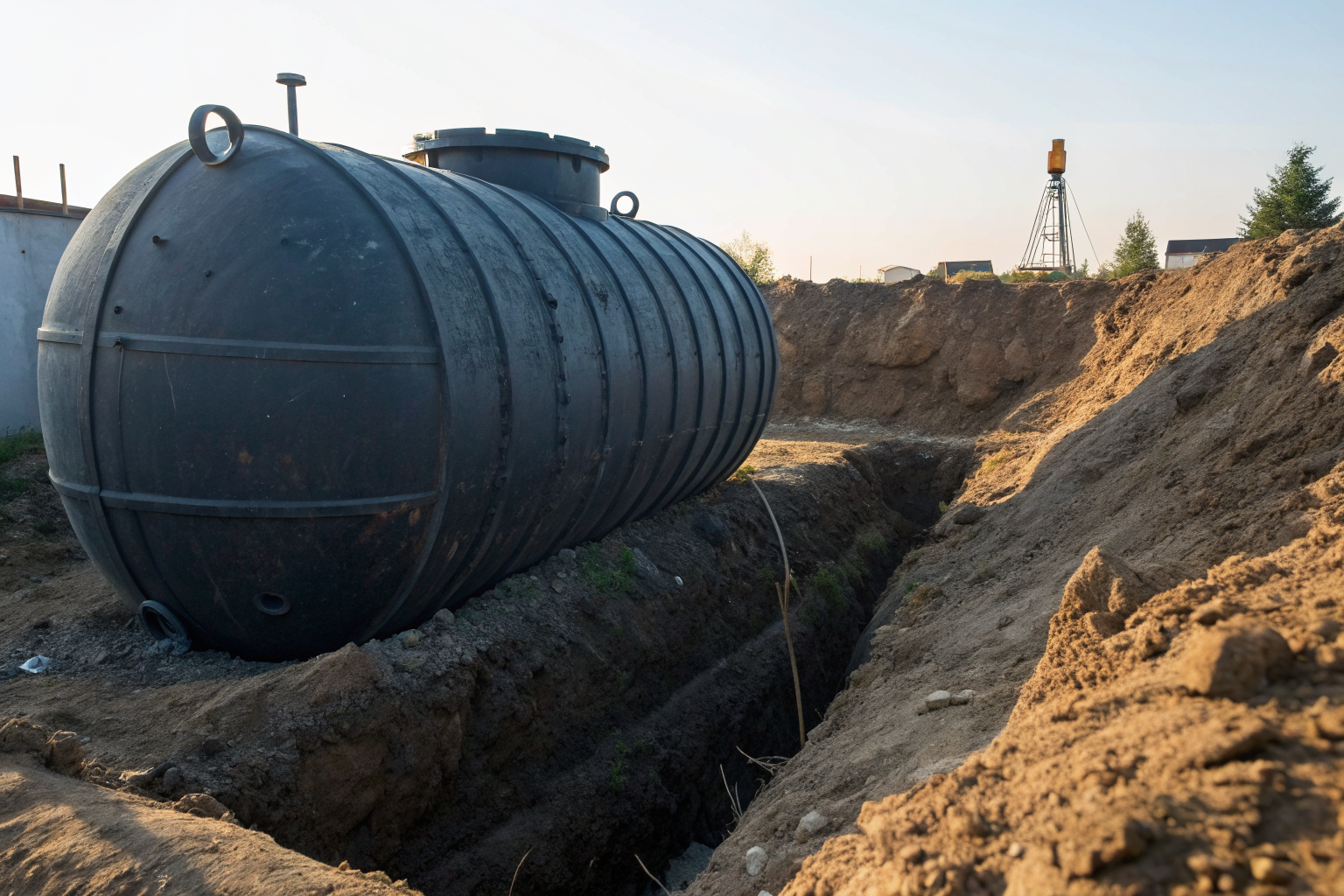
Tank capacity determines waste storage time before pumping becomes necessary. This means larger tanks handle the same household size for longer periods, but soil conditions and usage patterns matter more than raw volume.
Septic tanks store solids while bacteria break them down into liquid and gas. Larger capacity provides more time for this decomposition process. A 1500-gallon tank gives waste 50% more residence time than a 1000-gallon tank with identical usage.
But bigger isn’t always better for your specific situation. Tank size must match your soil’s absorption capacity and daily wastewater flow. Installing an oversized tank in clay soil with poor drainage creates different problems than undersizing in sandy, well-draining conditions.
Standard residential tank sizes range from 750 to 1500 gallons. A 1000-gallon tank handles up to 4 people comfortably, while 1500-gallon tanks only extend pumping intervals by 1.3 years for the same occupancy. The cost difference between tank sizes often exceeds the value of extended pumping schedules.
Tank capacity affects pumping frequency, but usage patterns drive the actual schedule. A family of four with garbage disposal in a 1500-gallon tank might pump as often as a couple without disposal in a 1000-gallon system. Focus on managing what goes down your drains rather than oversizing your tank to compensate for poor habits.