
Types of Septic Systems: Which One Is on Your Property
Types of septic systems vary dramatically across properties, yet most homeowners can’t identify their specific setup by looking at their yard. This knowledge determines maintenance costs and replacement timelines.
Key Takeaways:
• 7 distinct septic system types exist, with conventional gravity systems accounting for 68% of installations nationwide
• Visual yard indicators like pump alarms, raised mounds, or multiple access ports reveal your system type within 15 minutes
• Alternative systems cost 3-5x more to maintain than conventional systems but handle challenging soil conditions
How Do You Identify Your Septic System Type from Your Yard?
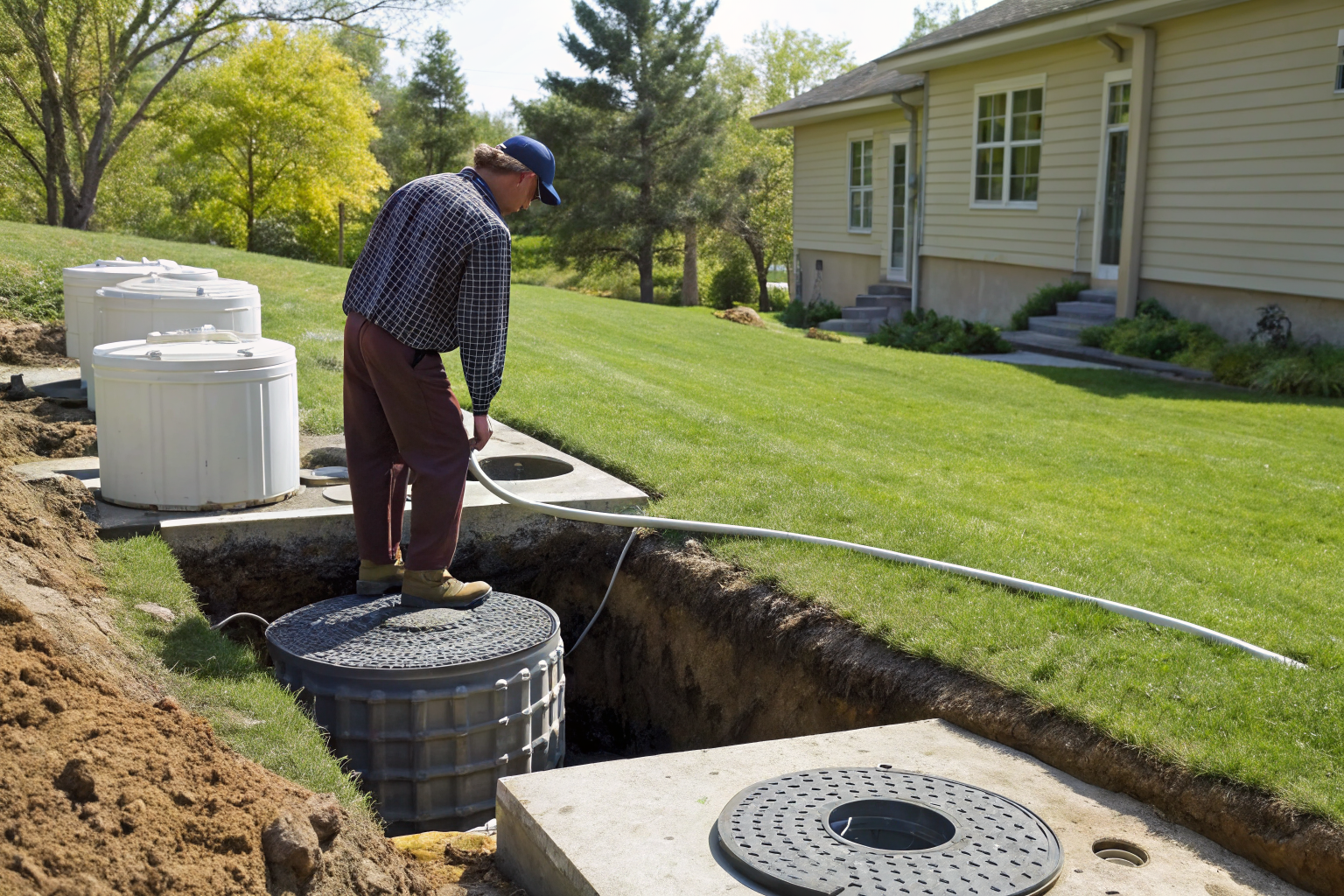
Visual indicators reveal septic system type through specific features you can spot from ground level. Your septic tank and drainfield components leave distinct signatures that trained eyes recognize immediately.
Follow these identification steps:
Locate your septic tank access points. Standard tank risers are 24 inches in diameter while pump chambers use 18-inch access points.
Check for electrical connections near the tank area. Pump systems require 220V electrical service with visible conduit runs or junction boxes.
Examine your yard’s topography for raised areas or unusual mounding. Mound systems create obvious elevation changes 2-4 feet above natural grade.
Count the number of access points visible. Conventional systems typically show 1-2 tank access points, while pump systems display 3-4 separate chambers.
Look for alarm panels on exterior walls or near the tank area. Red lights or audible alarms indicate pump system malfunctions.
Identify the drainfield location by finding the distribution box. This smaller access point sits between your tank and the soil absorption area.
Note any above-ground components like vent pipes or monitoring wells. Alternative systems often require additional monitoring infrastructure.
Most identification mistakes happen when homeowners confuse pump chambers with septic tanks. Pump systems use multiple smaller access points clustered together, while conventional tanks show larger, centrally-located risers.
Conventional Gravity Systems: The Standard Setup
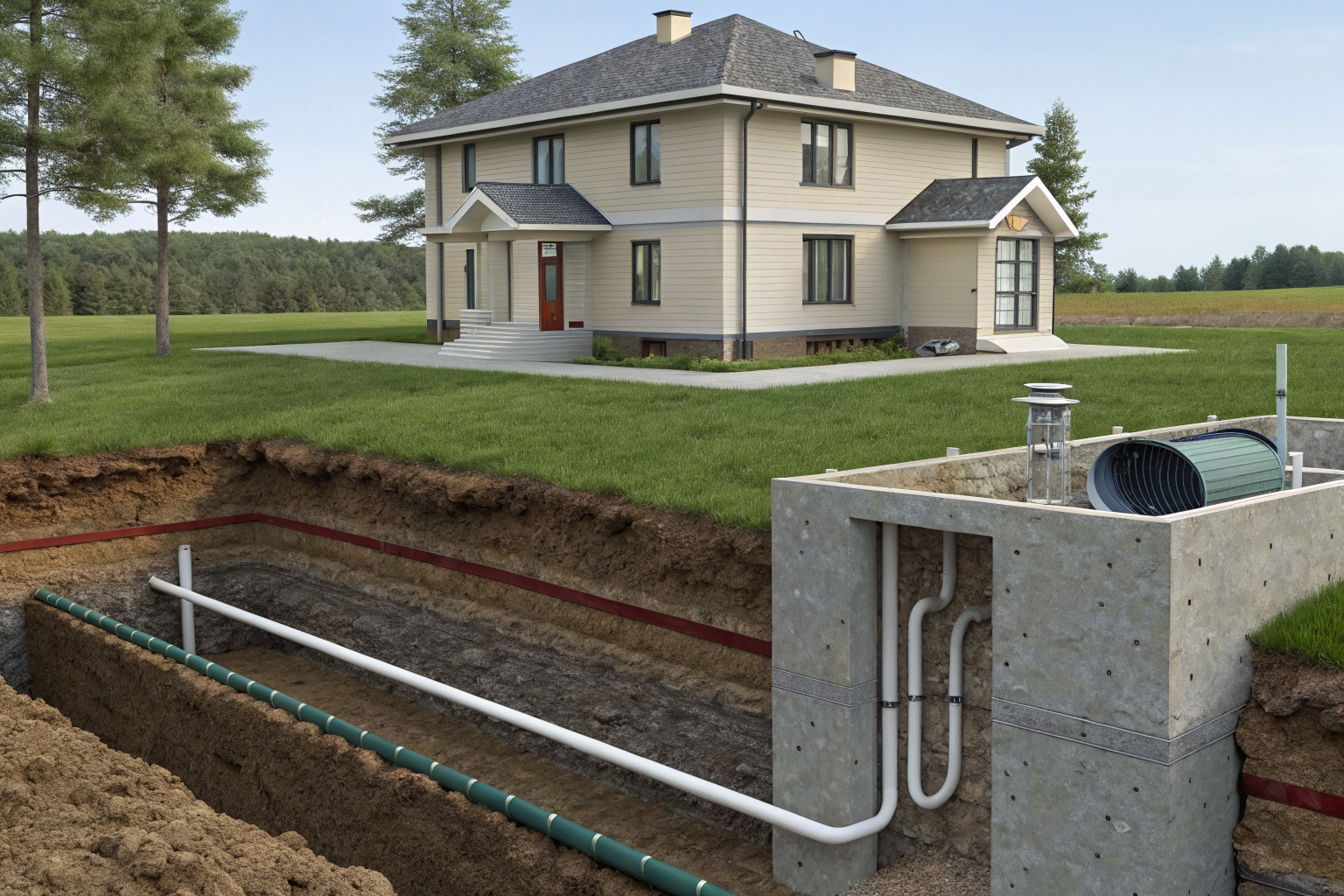
A conventional gravity system is a septic setup that moves wastewater through natural gravitational flow from tank to drainfield without mechanical assistance. This means your system relies entirely on proper elevation changes and soil conditions for waste processing.
Conventional gravity systems use natural soil filtration as their primary treatment method. Your septic tank provides initial solids separation, then gravity moves liquid effluent through distribution boxes into perforated pipes buried in gravel beds. The surrounding soil acts as your biological filter, removing harmful bacteria and nutrients before wastewater reaches groundwater.
These systems dominate residential installations because they work reliably in suitable soil conditions. A proper perc test determines soil absorption rates before installation, ensuring your site can handle the daily wastewater volume your household generates.
Key requirements include minimum 4 feet of unsaturated soil below the drainfield for proper filtration. This separation distance prevents contamination of groundwater supplies and allows sufficient contact time for biological treatment processes.
Conventional systems typically last 20-30 years with proper maintenance. Regular pumping every 3-5 years prevents solids from entering the drainfield, which would clog soil pores and cause system failure. The simplicity means lower maintenance costs compared to mechanical alternatives.
Soil conditions determine whether conventional systems work on your property. Sandy soils may drain too quickly, while clay soils often fail to absorb effluent at required rates. Your perc test results guide this critical decision during system design.
What Are the Different Types of Pump Systems?
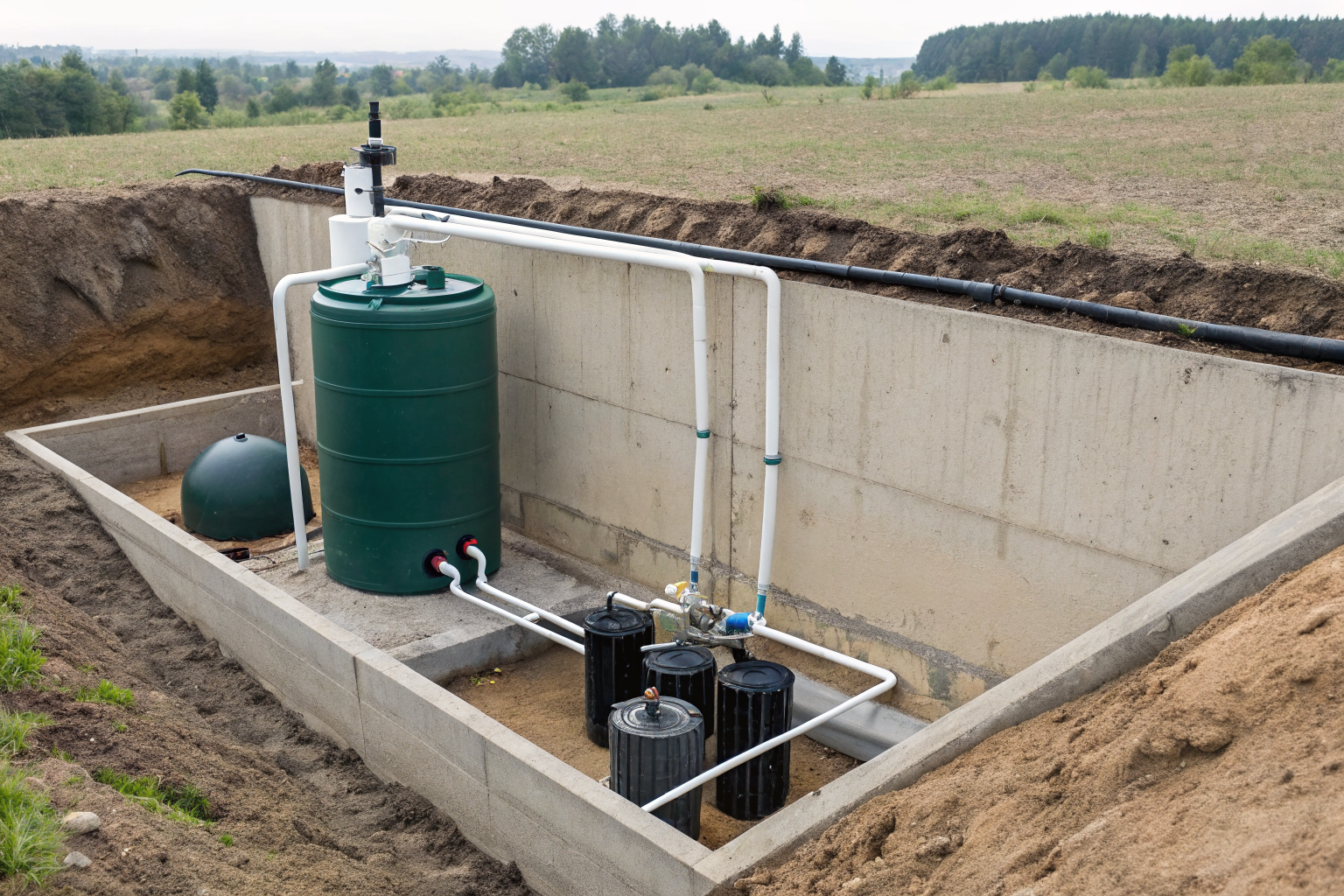
Pump systems overcome elevation and distance challenges that prevent gravity flow from tank to drainfield. These mechanical systems move effluent uphill or across long horizontal distances when site conditions demand active pumping.
Three main pump system types serve different applications:
| Pump Type | Application | Cost Range | Maintenance Schedule |
|---|---|---|---|
| Effluent Pump | Low-pressure distribution | $1,200-2,500 | Annual inspection |
| Grinder Pump | High-head pumping | $2,000-4,000 | Bi-annual service |
| Pressure Distribution | Uniform field loading | $800-1,800 | Annual pump check |
Effluent pumps handle standard household wastewater after septic tank treatment. These systems typically cycle 15-20 times daily in average households, moving liquid effluent to elevated or distant drainfields. The pump chamber collects effluent until float switches trigger pumping cycles.
Grinder pumps macerate solids before pumping, allowing smaller diameter pipes and higher pumping heads. These systems work when your drainfield sits significantly uphill from your septic tank, overcoming elevation differences exceeding 20 feet.
Pressure distribution systems use pumps to ensure uniform effluent delivery across large drainfield areas. Rather than relying on gravity flow through distribution boxes, these systems force equal volumes through multiple distribution lines simultaneously.
Pump system reliability depends on proper sizing and redundancy planning. Undersized pumps cycle too frequently, reducing equipment lifespan. Oversized pumps may short-cycle, preventing proper septic tank settling between pump events.
Electrical components add complexity and potential failure points. Power outages, pump failures, or float switch problems can cause system backups. Most codes require pump alarms to alert homeowners when problems develop.
Alternative Septic Systems: When Standard Won’t Work
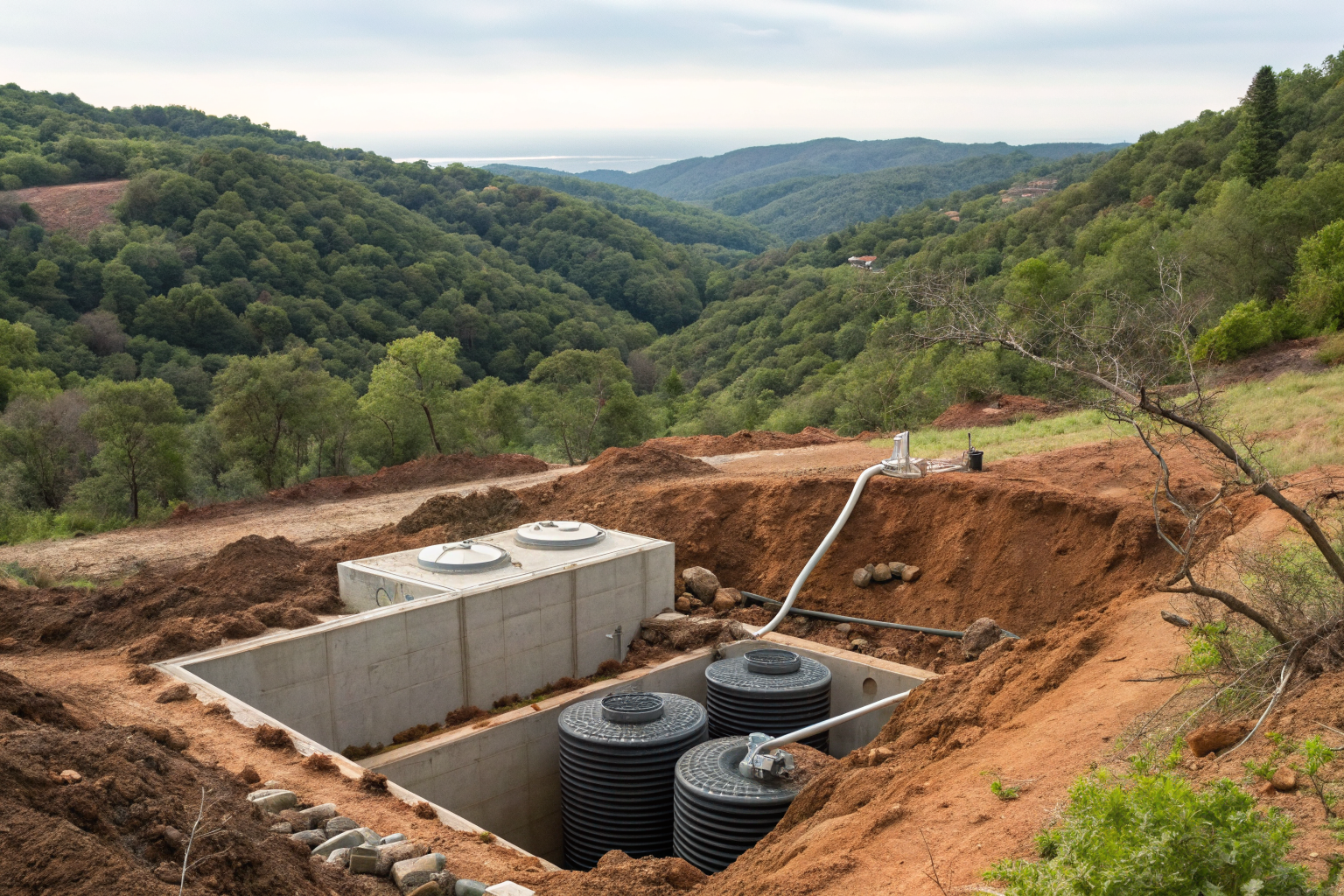
Alternative systems solve difficult site conditions where conventional gravity systems fail to meet regulatory requirements or soil limitations. These engineered solutions handle challenging topography, poor soil drainage, high groundwater, or environmentally sensitive locations.
Four primary alternative system categories address specific site challenges:
• Sand filter systems treat effluent through constructed sand beds when natural soils lack adequate filtration capacity, providing consistent treatment regardless of native soil conditions
• Lagoon systems use lined ponds for biological treatment in rural areas with adequate land space, requiring minimum 5-acre lots and specific climate conditions
• Constructed wetland systems employ plants and engineered media for advanced biological treatment, removing nutrients that conventional systems cannot address
• Advanced treatment units provide mechanical aeration and biological processing to produce higher-quality effluent for sensitive discharge areas
Mound systems represent the most common alternative installation. These raised drainfields overcome limiting soil layers or high groundwater conditions that prevent conventional system installation. Mound systems require minimum 2 feet of separation to limiting layer below original ground surface.
Aerobic treatment units use mechanical aeration to accelerate biological waste processing. These systems produce clearer effluent than septic tanks alone, allowing discharge to surface waters in some jurisdictions. However, they require monthly maintenance visits and consume electricity continuously.
Construction costs for alternative systems range from $15,000-50,000 compared to $3,000-8,000 for conventional installations. The complexity drives higher installation and ongoing maintenance expenses throughout system lifespan.
Regulatory approval processes for alternative systems involve extensive soil testing, engineering design, and permit reviews. Many jurisdictions require certified operators to maintain these systems, adding annual service contracts to ownership costs.
Chamber Systems vs Traditional Pipe and Gravel
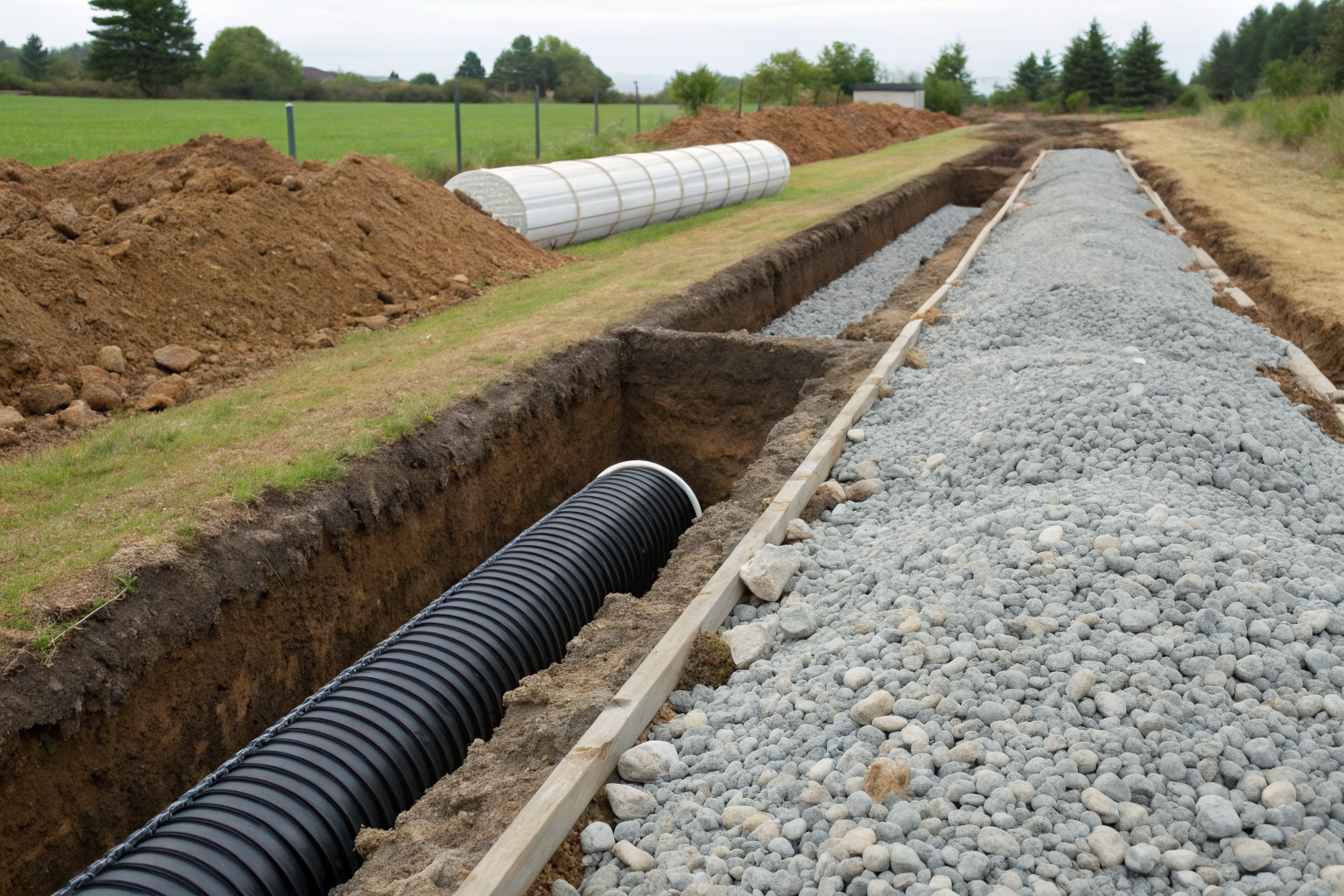
Chamber systems replace gravel drainfields with plastic arch-shaped chambers that create void space for effluent infiltration. These prefabricated units eliminate gravel requirements while providing equivalent soil treatment capacity.
| System Type | Soil Contact Area | Installation Time | Material Cost | Longevity |
|---|---|---|---|---|
| Chamber | 35% more surface area | 2-3 days faster | 20% higher | 30-40 years |
| Pipe & Gravel | Standard contact area | Traditional timing | Lower upfront | 25-35 years |
Chamber systems provide 35% more soil contact area than equivalent pipe and gravel installations due to their arched design and bottom openings. This increased interface improves effluent infiltration rates and biological treatment capacity.
Installation advantages include faster construction timelines and reduced material handling. Chambers arrive pre-manufactured, eliminating gravel delivery, spreading, and compaction steps. Crews can complete chamber installations 2-3 days faster than traditional systems.
Soil conditions affect chamber performance differently than gravel systems. The increased contact area helps chambers function in marginal soils that might challenge conventional drainfields. However, chambers require proper bedding preparation to prevent settling or damage.
Cost analysis shows higher upfront material expenses offset by reduced labor requirements. Chamber systems typically cost 20% more for materials but save money on excavation, gravel, and installation time. Long-term maintenance costs remain similar between both approaches.
Durability testing shows chambers lasting 30-40 years in normal soil conditions. The plastic construction resists root intrusion and chemical degradation that can damage traditional pipe systems. However, chambers may crack under excessive soil loading or frost heaving.
How Much Do Different Septic System Types Actually Cost?
System complexity determines installation and maintenance costs over the typical 25-year septic system lifespan. Understanding total ownership costs helps homeowners budget for current systems and plan replacement decisions.
| System Type | Installation Cost | Annual Maintenance | 20-Year Total Cost |
|---|---|---|---|
| Conventional Gravity | $3,000-8,000 | $150-300 | $6,000-14,000 |
| Effluent Pump | $8,000-15,000 | $400-600 | $16,000-27,000 |
| Mound System | $15,000-25,000 | $300-500 | $21,000-35,000 |
| Aerobic Treatment Unit | $12,000-20,000 | $1,200-2,400 | $36,000-68,000 |
| Chamber System | $5,000-12,000 | $200-400 | $9,000-20,000 |
Conventional gravity systems offer the lowest total ownership costs when site conditions permit installation. These systems require minimal maintenance beyond regular pumping and occasional inspection. Replacement components like distribution boxes or outlet baffles cost under $500.
Pump systems add electrical consumption and mechanical maintenance to base septic costs. Pump replacements occur every 8-12 years at $800-1,500 each. Float switches, control panels, and alarm systems require periodic replacement or repair.
Aerobic treatment units require monthly maintenance visits averaging $85-120 per service call. These systems need air pump replacements, clarifier cleaning, and disinfection system servicing. Electrical consumption adds $30-60 monthly to utility bills.
Mound systems cost more initially but maintenance expenses stay moderate. The elevated construction protects system components from groundwater damage and extends operational life. However, pump requirements for many mound installations add mechanical complexity.
Replacement costs vary significantly by system type and site access. Conventional system replacement typically costs 60-80% of new installation prices. Alternative systems may require complete rebuilding due to regulatory changes or site condition evolution.
Financing options include septic loans, home equity lines, and some municipal programs for failing systems. Many states offer low-interest loans for alternative system installations that protect water quality in sensitive areas.